
Hear from Our Customers
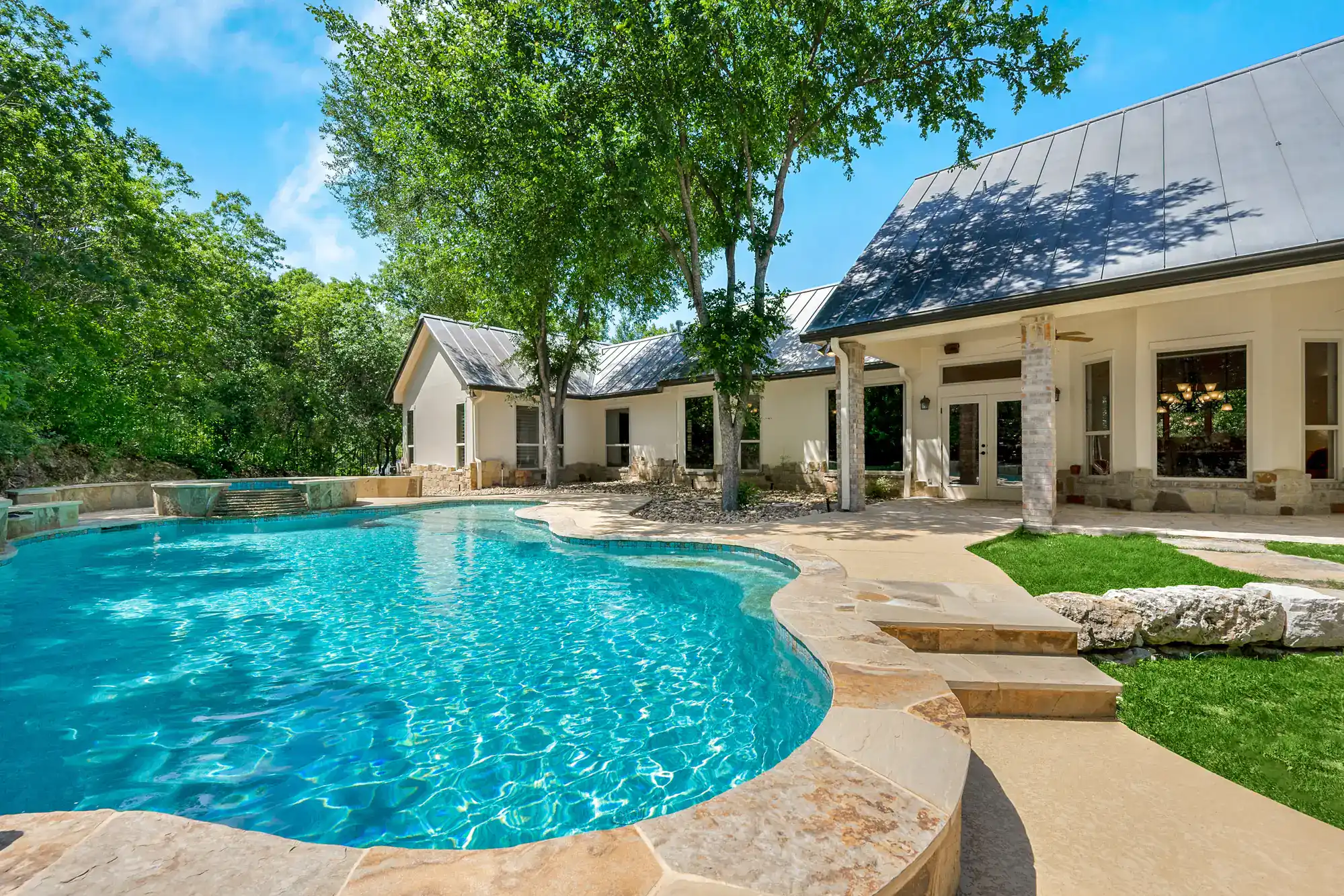
From late April through October, Alapaha gets hot the kind of humid South Georgia heat that makes a private pool less of a luxury and more of a practical decision. When the design is done right, you stop thinking about driving to a public pool or planning trips around water. You just walk outside.
Most properties around Alapaha sit on larger rural lots real land, with room to build something worth building. That’s an advantage most suburban homeowners don’t have. A well-designed pool here isn’t just a pool. It’s the anchor for an outdoor living space that actually matches the scale of your property room for a spa, a patio, a fire feature, an outdoor kitchen, all of it working together instead of feeling like an afterthought.
The Alapaha River corridor also means some properties in this area deal with higher water table conditions and sandy Coastal Plain soils that shift differently than the red clay you’d find up in North Georgia. When we know that going in before excavation starts you avoid the surprises that blow up timelines and budgets. That local knowledge is the difference between a project that goes smoothly and one that doesn’t.
Deep Waters Pools was founded in 2014 by a builder who’d spent more than three decades in concrete, plumbing, and custom pool construction across South Georgia. We exist because too many families in Alapaha and surrounding communities were getting burned by contractors who quoted low, disappeared mid-project, or built something that looked nothing like what was sold to them. That’s a specific problem with a specific fix: honest pricing, real accountability, and a builder who knows Alapaha’s soil, climate, and county permit process before the first conversation ends.
Every pool we build is concrete custom-designed, custom-engineered, and built to last in South Georgia’s conditions. We pull all permits in our name through the Berrien County Code Enforcement Office, which explicitly covers Alapaha. That matters legally. If a permit is pulled in your name, you carry the liability. When it’s in ours, we do.
In a town of fewer than 500 people, word travels fast. We build knowing that every project in Berrien County is a permanent reference and we build accordingly.
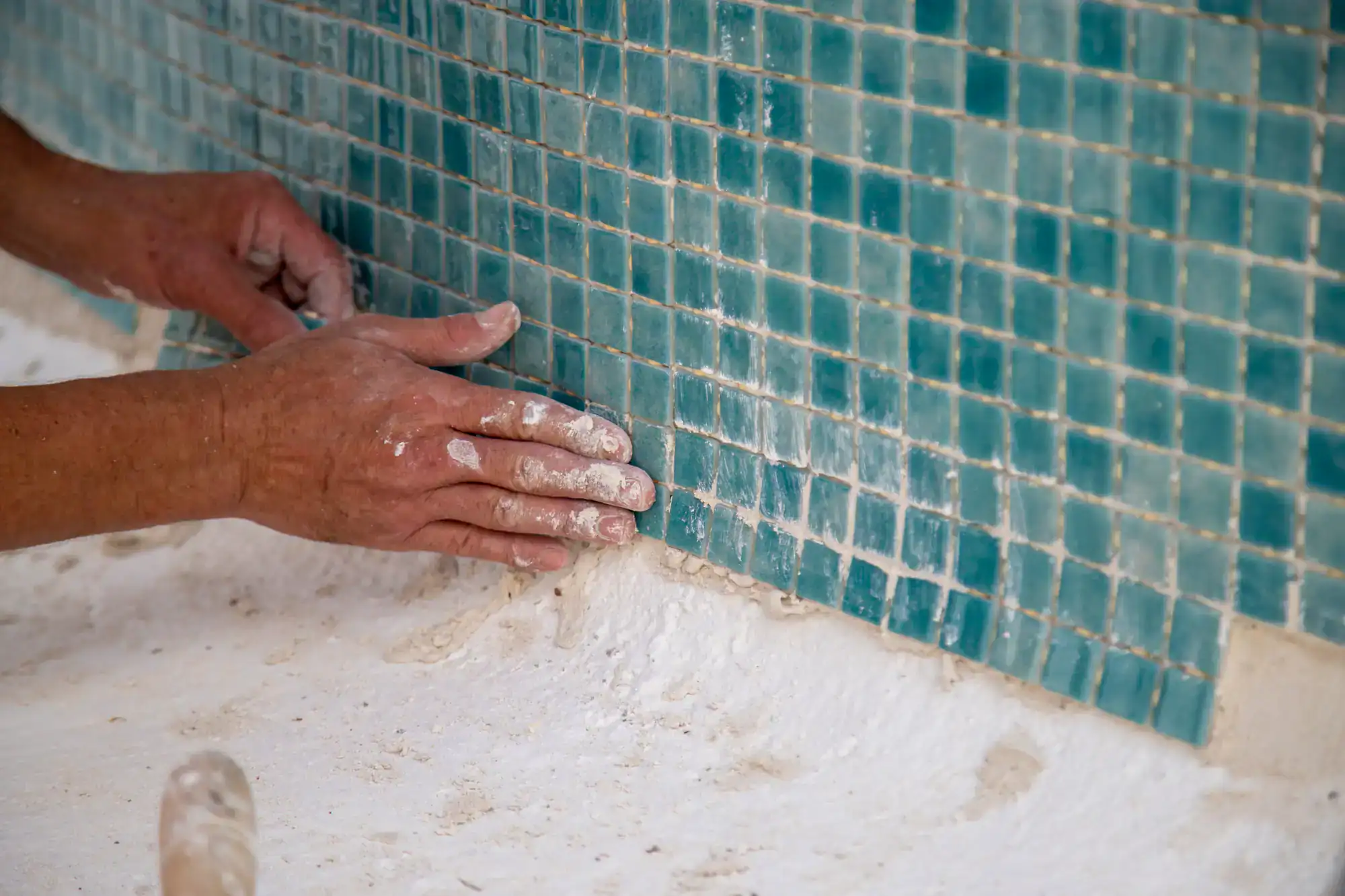
It starts with a site visit. Before any design work begins, we walk your property looking at grade, drainage, proximity to trees, and any site conditions that will affect the build. For properties near the Alapaha River corridor, that includes an honest assessment of water table depth and how it factors into excavation and structural planning. No assumptions, no surprises buried in the contract later.
From there, the design phase begins. We use 3D pool renderings so you can see your finished pool and the surrounding outdoor living space before a single shovel touches the ground. You can adjust the shape, move the water feature, add a tanning ledge or infinity edge, and see how landscape integration looks against your actual property. For a project in the $50,000–$85,000 range, seeing it before it’s permanent isn’t optional. It’s how the process should work.
Once the design is locked, we handle all permitting through the Berrien County Code Enforcement Office the office that governs pool construction in Alapaha. Construction typically runs six to eight weeks. If unexpected site conditions come up during excavation, we stop, explain what we found, and walk through the options before moving forward. No contractor should be solving problems on your dime without your input. We don’t work that way.
Ready to get started?
We build exclusively in concrete not fiberglass shells, not vinyl liners. In Berrien County’s sandy Coastal Plain soils, that’s not just a preference. Fiberglass can shift and lift when soil moves beneath it. Vinyl degrades faster in South Georgia’s heat and UV exposure. Reinforced concrete, properly engineered for this region, holds up for thirty years or more without the structural failures that cheaper materials invite.
Every project includes 3D pool renderings before construction begins, custom water features designed to fit your space, full outdoor living space planning if you want it, and a custom-fitted safety cover included as a standard part of the build not an upsell. Infinity edge pools, tanning ledges, landscape pool integration, spillover spas, fire-and-water combinations these aren’t add-on catalog options. They’re designed from scratch for your specific lot and your specific vision.
We also handle every aspect of the Berrien County permitting process, including building, electrical, and plumbing permits required for pool construction in Alapaha. If your property has a septic system or sits near the river corridor, we factor that into the site plan from the start. You don’t have to figure out which county office handles what. That’s already covered.
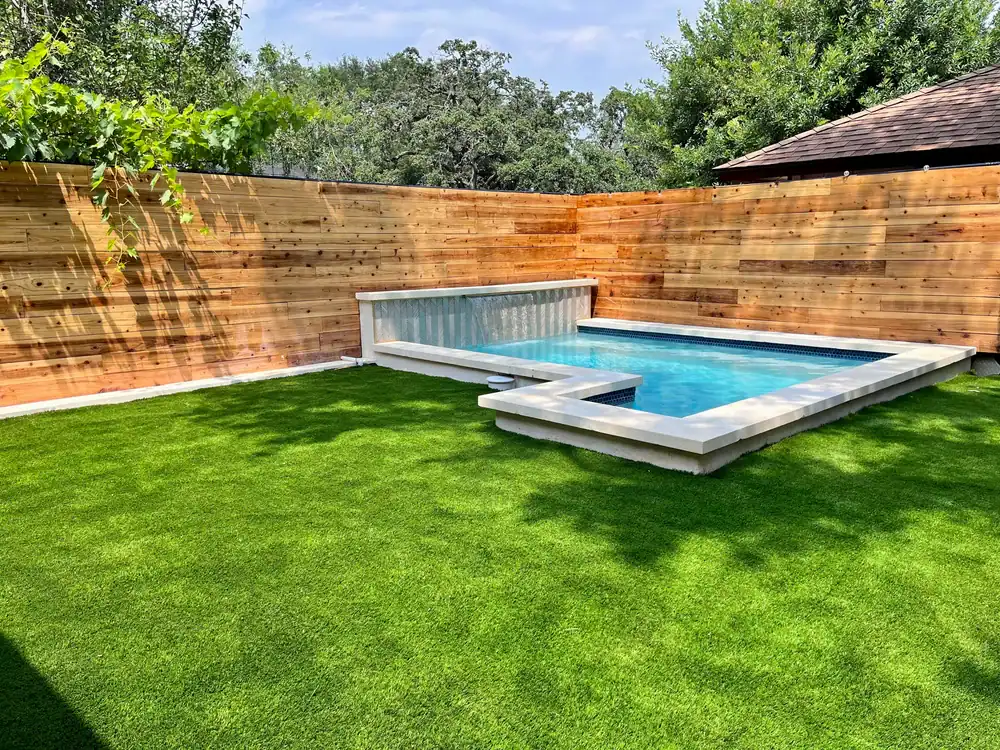
For a custom concrete inground pool in Alapaha, the realistic range is $50,000 to $85,000. Where your project lands within that range depends on the size of the pool, the features you include water features, infinity edges, spas, outdoor living elements and the specific site conditions on your property.
In Berrien County, properties near the Alapaha River corridor can sometimes involve additional site preparation due to water table depth or soil drainage patterns. That’s not a reason to avoid building it’s a reason to work with a builder who evaluates your specific lot before quoting, rather than giving you a number off a price sheet. We provide transparent, itemized pricing upfront so you know what’s included and what the number actually means before you commit to anything.
Concrete is the right answer for South Georgia’s Coastal Plain soils, and it’s the only material we build with. The sandy loam soils common throughout Berrien County drain more freely than the red clay found in North Georgia, but they also shift and settle over time particularly on properties near river corridors or in areas with seasonal water table changes.
Fiberglass shells can crack, lift, or deform when the soil beneath them moves. Vinyl liners wear down faster in South Georgia’s heat and UV conditions, and they require periodic replacement that adds cost over time. A properly engineered concrete pool handles soil movement and weather extremes without structural failure. It’s a longer build and a higher upfront investment, but it’s the only option that performs the way you expect it to for thirty years or more in this region’s specific conditions.
Alapaha doesn’t have its own building department. Pool permits, inspections, and code compliance for properties in Alapaha run through the Berrien County Code Enforcement Office the same office that handles unincorporated areas of the county. That includes building permits, electrical permits for pool bonding and grounding, and plumbing permits.
If your property has a septic system or sits in proximity to the Alapaha River, there may also be environmental health review involved depending on the site layout. We handle all of this in our name not yours. That distinction matters. In Georgia, if permits are pulled in the homeowner’s name, the homeowner carries legal liability for code compliance. When the contractor pulls the permits, the legal accountability sits where it belongs: with the builder. We’ve worked through the Berrien County Code Enforcement process before and handle every step of it as part of the project.
From the time permits are approved and construction begins, most pool builds run six to eight weeks. The full timeline from your first conversation to your first swim including the design phase, 3D rendering review, permitting through Berrien County, and construction typically runs three to four months depending on the complexity of the project and the current permit processing timeline at the county level.
For Alapaha homeowners thinking about a summer pool, the practical advice is to start the process in late winter January or February at the latest. A family that begins the design conversation in February can realistically be swimming by Memorial Day weekend. South Georgia’s swimming season runs from April through October without any heating equipment, so the earlier you get the process started, the more of that season you actually get to use. With a pool heater, use extends well beyond October South Georgia winters are mild enough to make year-round swimming genuinely realistic.
Yes and this is actually one of the more common scenarios in the Alapaha area. Rural lots in Berrien County often have natural grade changes, proximity to mature tree root systems, drainage patterns that don’t show up on a plat map, and in some cases, elevated water table conditions near the Alapaha River corridor. These aren’t dealbreakers. They’re site conditions that require an experienced builder to evaluate honestly before design begins.
We specifically work on challenging lots that other contractors won’t quote accurately or will underprice and then hit you with change orders once they’re already in the ground. Retaining walls, engineered grading, and proper drainage systems are part of the toolkit not surprise line items. The site visit that happens before any design work begins is specifically designed to surface these conditions early, so the design and the budget reflect reality from the start. Larger rural lots in this area often have more flexibility for creative solutions than a constrained suburban lot would allow.
In warm-climate markets like South Georgia, a well-designed inground pool can add 5 to 8 percent to a home’s appraised value. For a Berrien County property at or above the county’s median home value of around $108,000, that’s a real dollar increase and for properties with higher land values or larger acreage, the impact can be proportionally greater.
The more meaningful return for most Alapaha homeowners, though, is in how the property functions for the family over decades. Concrete pools built correctly in South Georgia last thirty years or more. For families who have lived on the same land for generations and plan to stay, that’s not a short-term renovation it’s a multi-generational investment in how the property is used and enjoyed. The financial return is real, but the daily return from April through October, without driving anywhere or paying admission, is what most homeowners actually talk about once the pool is finished.