
Hear from Our Customers
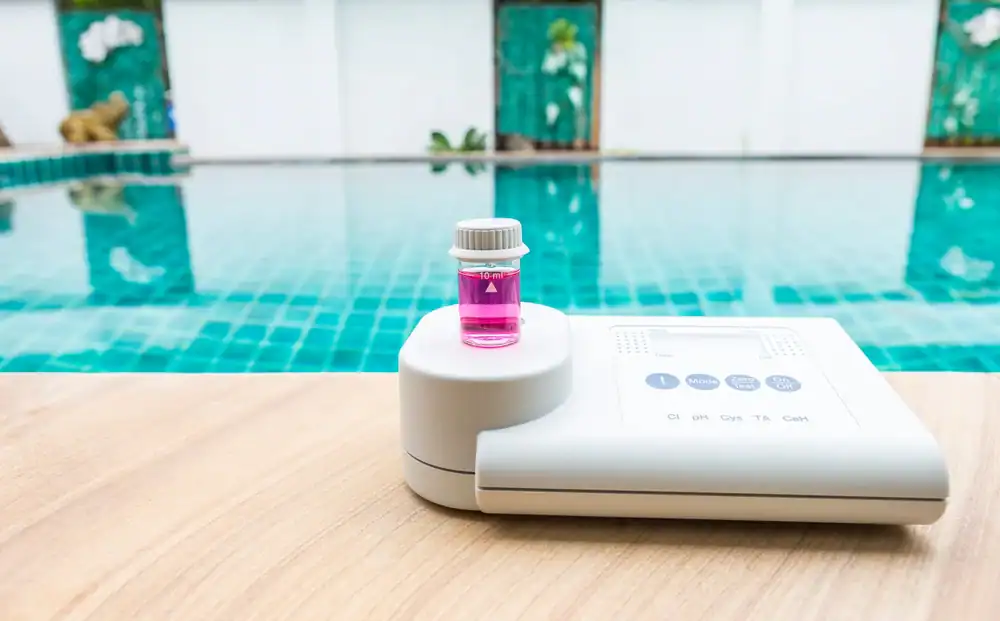
You bring in a water sample. We run it through advanced testing equipment that reads every chemical and mineral level that matters. Two to three minutes later, you walk out with a printed report showing your current levels and exactly what to add.
No more squinting at test strips wondering if that’s yellow or orange. No more dumping in chemicals and hoping it works. You get numbers, recommendations, and the confidence that comes from actually knowing what’s happening in your pool.
This matters more in South Georgia than you might think. When temperatures hit the 90s and stay there, chlorine burns off faster. After a thunderstorm rolls through and dumps pollen and debris into your pool, your chemistry shifts. Our testing catches these changes before they turn into algae blooms or equipment damage.
We’ve been working with South Georgia pool owners since 2014, built on more than 30 years of hands-on pool construction and maintenance experience. We’ve seen what happens when water chemistry goes wrong, and we’ve spent decades learning how to keep it right.
We offer this water testing service completely free because we know it’s the foundation of pool ownership. You can’t maintain what you can’t measure. Cogdell and the surrounding Clinch County area deal with specific water challenges—high heat, sudden storms, well water in many homes—and we’ve learned how to address all of it.
We’re not a national chain. We’re local, we understand the conditions you’re dealing with, and we’ve built our reputation on giving straight answers.
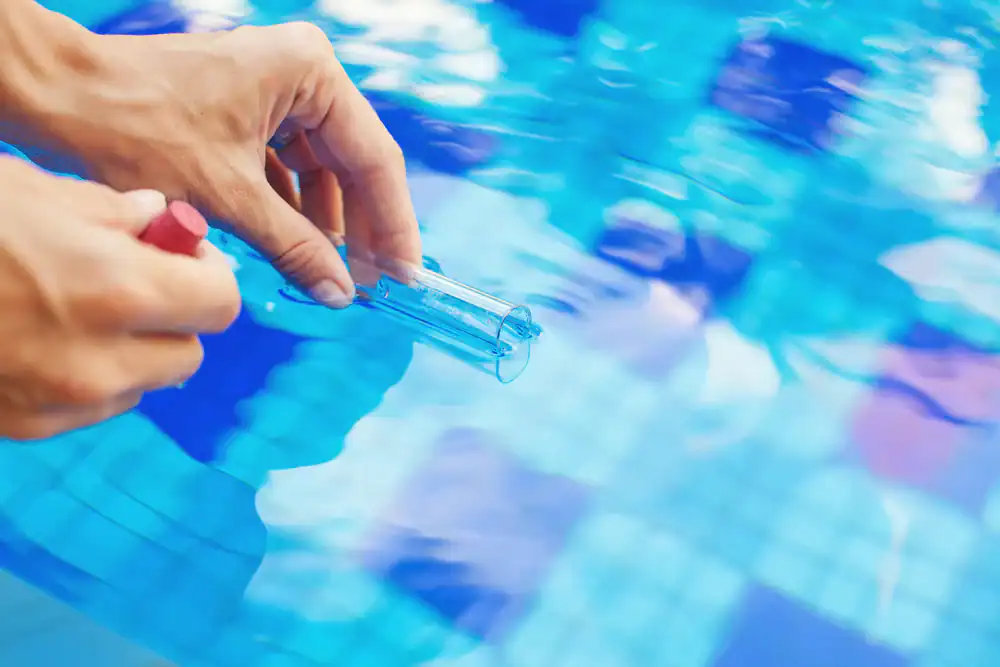
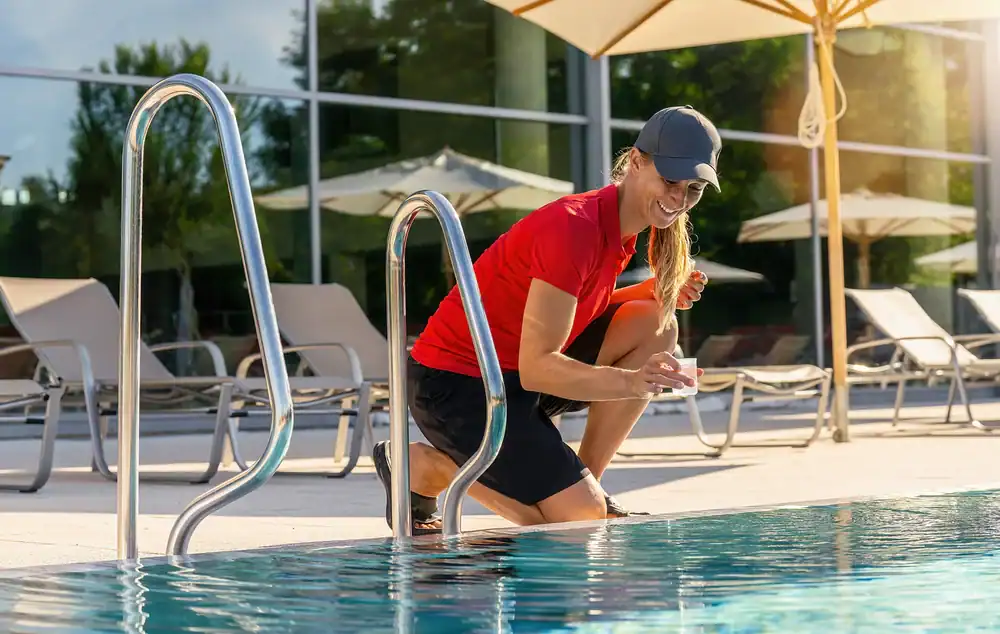
Bring in a water sample from your pool—a clean plastic bottle filled about halfway works fine. We recommend taking the sample from elbow-depth, away from return jets, to get an accurate read of your overall water condition.
We run your sample through our testing system, which measures chlorine levels, pH balance, alkalinity, calcium hardness, cyanuric acid, and other minerals that affect water quality and equipment longevity. The equipment we use is significantly more accurate than home test kits or strips.
Within two to three minutes, you get a printed report. It shows where each level currently sits and where it should be. We walk you through what the numbers mean and give you specific product recommendations with exact amounts.
You’re not locked into buying anything from us, but we do carry what you’ll need if you want to grab it while you’re here. Most people appreciate handling everything in one trip.
Ready to get started?
Our residential water test covers the full spectrum of pool chemistry. We measure free chlorine and combined chlorine to make sure your sanitizer is actually working. We check pH because even small shifts affect how well chlorine does its job and whether your water irritates skin and eyes.
Alkalinity acts as a pH buffer, and when it’s off, your pH swings wildly no matter what you add. Calcium hardness protects your pool surface and equipment from corrosion or scaling. Cyanuric acid shields chlorine from breaking down in Georgia’s intense sun, but too much locks up your chlorine and makes it useless.
We also look at phosphates, metals, and salt levels if you have a saltwater system. Each of these affects water clarity, equipment performance, and how much you’ll spend on chemicals throughout the season.
South Georgia’s climate accelerates chemical depletion. Heat speeds up bacteria and algae growth. Sun breaks down chlorine faster than in cooler regions. Summer storms wash contaminants into your pool. Our testing accounts for these local factors, and our recommendations reflect what actually works in this environment.
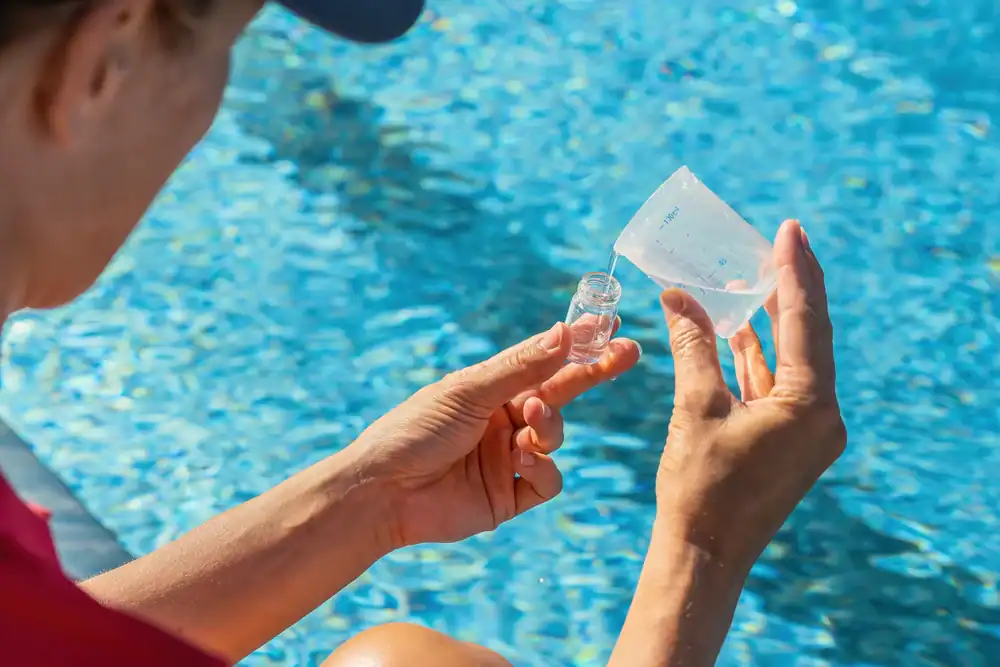
Weekly testing makes sense during the swimming season, especially from late spring through early fall when you’re using the pool regularly and temperatures stay high. Heat accelerates chemical consumption and bacteria growth, so what looked fine on Monday might be off by Friday.
After heavy rain, test within 12 to 24 hours. Storms dilute your chemicals and wash in debris, pollen, and contaminants that throw off your balance. After a pool party or any day with heavy usage, test again—more swimmers means more organic material in the water.
In winter, you can stretch testing to every few weeks if you’re not using the pool much. Water chemistry still shifts, just more slowly. You still need to monitor pH and keep a low level of sanitizer to prevent algae from taking hold during warmer winter days, which we get plenty of in South Georgia.
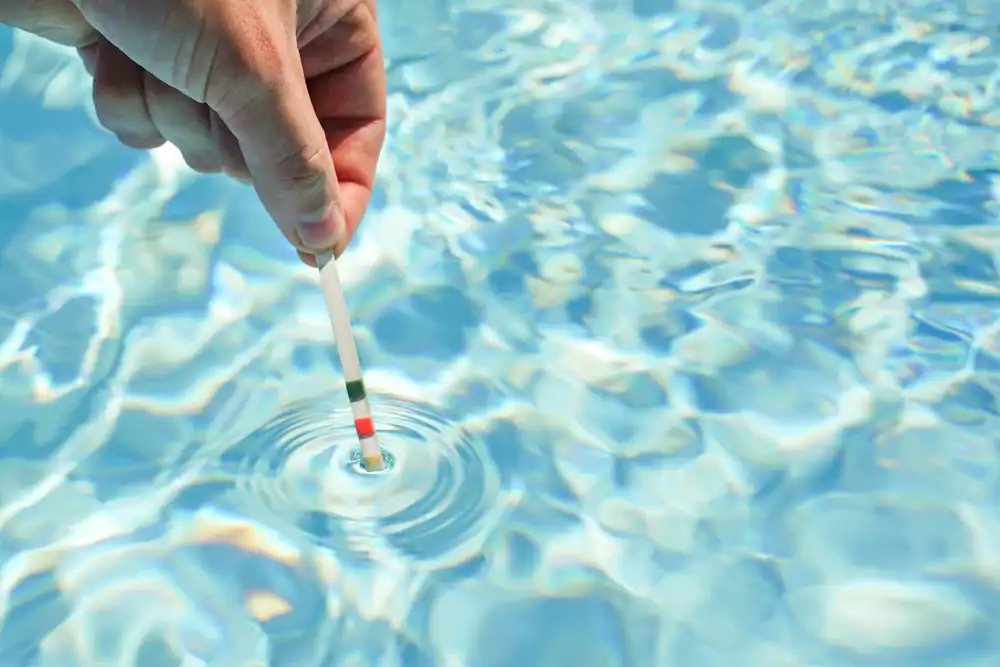
Test strips give you a rough estimate by comparing colors on a chart. They fade over time, they’re hard to read in certain lighting, and they often miss important details like combined chlorine or precise calcium levels. They’re better than nothing, but they’re not reliable enough to catch problems early.
Our testing equipment measures exact levels using advanced sensors and reagents. You get specific numbers, not color approximations. We can detect issues that strips miss entirely—like high phosphate levels that feed algae growth or copper in your water that’ll eventually stain your pool surface.
The other advantage is interpretation. Numbers don’t mean much if you don’t know what to do with them. We’ve been reading water chemistry for decades, and we can spot patterns that indicate bigger problems. If your pH keeps dropping, that might point to an issue with your alkalinity or your water source. We catch that and address the root cause, not just the symptom.
Because proper water chemistry is the foundation of pool ownership, and we’d rather help you maintain your pool correctly than fix expensive problems later. Unbalanced water damages equipment, etches surfaces, and creates health hazards. Testing costs us a few minutes and some reagents. Ignoring water chemistry costs you hundreds or thousands in repairs.
We’ve been in this business long enough to know that educated customers take better care of their pools and have better experiences. When your water is balanced, you use fewer chemicals, your equipment lasts longer, and you actually enjoy your pool instead of fighting with it.
We’re also realistic about how this works. If you need chemicals or supplies, you’ll probably buy them from us while you’re here. But you’re not obligated to. We give you the information either way because building trust matters more than making a quick sale.
Fix them in the right order, or you’ll waste time and money. Start with alkalinity if it’s out of range—it stabilizes pH, so adjusting pH first is pointless if your alkalinity is off. Once alkalinity is set, adjust pH. Then address calcium hardness if needed.
After those three are balanced, look at your sanitizer levels. If chlorine is low, shock the pool if necessary and bring it back to the proper range. If cyanuric acid is too low, add stabilizer. If it’s too high—above 80 or 100 ppm—you’ll need to partially drain and refill your pool because there’s no chemical that removes it.
Don’t try to fix everything at once. Space out chemical additions by a few hours, and retest after 24 hours to see where you stand. We’ll walk you through the sequence when you come in, and we’ll tell you which issues need immediate attention versus which ones can wait a day or two. Some problems take a week to fully correct, and that’s normal.
Absolutely. South Georgia heat keeps water temperatures in the 80s and 90s during summer, and warm water is a breeding ground for bacteria and algae. They multiply faster in heat, which means your sanitizer gets used up faster just keeping up with biological growth.
Sun breaks down chlorine through a process called photodegradation. On a bright summer day, you can lose 75% to 90% of your free chlorine in just a few hours if you don’t have enough cyanuric acid to protect it. That’s why stabilizer levels matter so much here—it’s not optional in this climate.
Rain dilutes your chemicals and lowers chlorine and pH levels. It also washes pollen, dust, dirt, and organic debris into your pool, all of which consume sanitizer and cloud your water. After a typical South Georgia thunderstorm, your pool chemistry has shifted, and you need to test and adjust. Ignoring it for a few days can lead to green water and a much bigger correction process.
Yes, just stop by during business hours with a water sample. Use a clean plastic bottle—an old water bottle works fine—and fill it about halfway from elbow-depth in your pool, away from the return jets. That gives us a sample that represents your overall water condition, not just the surface or the area right near where treated water flows back in.
Try to test your water before adding any chemicals that day. If you’ve just shocked your pool or dumped in pH increaser, wait at least four to six hours and run your pump to circulate everything before taking a sample. Otherwise, we might get a reading that doesn’t reflect your actual water chemistry.
We don’t require an appointment for water testing. It takes a few minutes, and we’ll print out your results and go over them with you right then. If we’re slammed with other customers, you might wait a bit, but we’ll get to you. Bring your sample in whenever it’s convenient, and we’ll make sure you leave knowing exactly what your pool needs.