
Hear from Our Customers
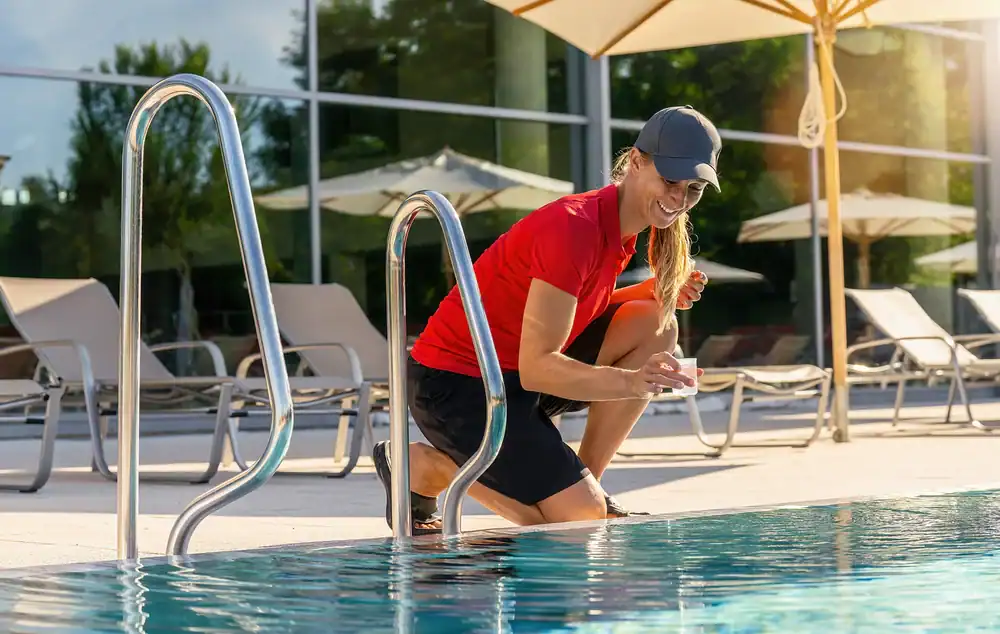
You’re not guessing anymore. Bring in a water sample and you’ll get accurate readings on pH, chlorine levels, alkalinity, and everything else that matters for keeping your pool safe and your equipment running right.
Most homeowners waste money buying chemicals they don’t need or applying the wrong fix to a problem they can’t see. Low chlorine means algae and bacteria start growing. High chlorine burns through your budget and irritates skin. Wrong pH levels corrode your pool finish, damage pumps, and leave swimmers with burning eyes.
Water quality testing stops that cycle. You get a clear breakdown of what’s off, what’s working, and what to adjust. No trial and error. No expensive mistakes. Just straightforward answers from someone who’s seen thousands of pools and knows how South Georgia water behaves.
We’ve been serving families across Willacoochee, GA and the surrounding South Georgia area since 2018. We’re not new to this. Our team brings over 30 years of hands-on pool construction and maintenance experience to every water sample we test.
We built this business on quality work and straight answers, not high-pressure sales. When you come in for water testing, you’re getting advice from people who’ve built pools from the ground up and understand how every part of the system works together.
Willacoochee families trust us because we’re local, we’re honest, and we know what pool ownership looks like in this area. The water conditions here, the heat, the usage patterns—we’ve seen it all and we know how to help you stay ahead of problems instead of reacting to them.
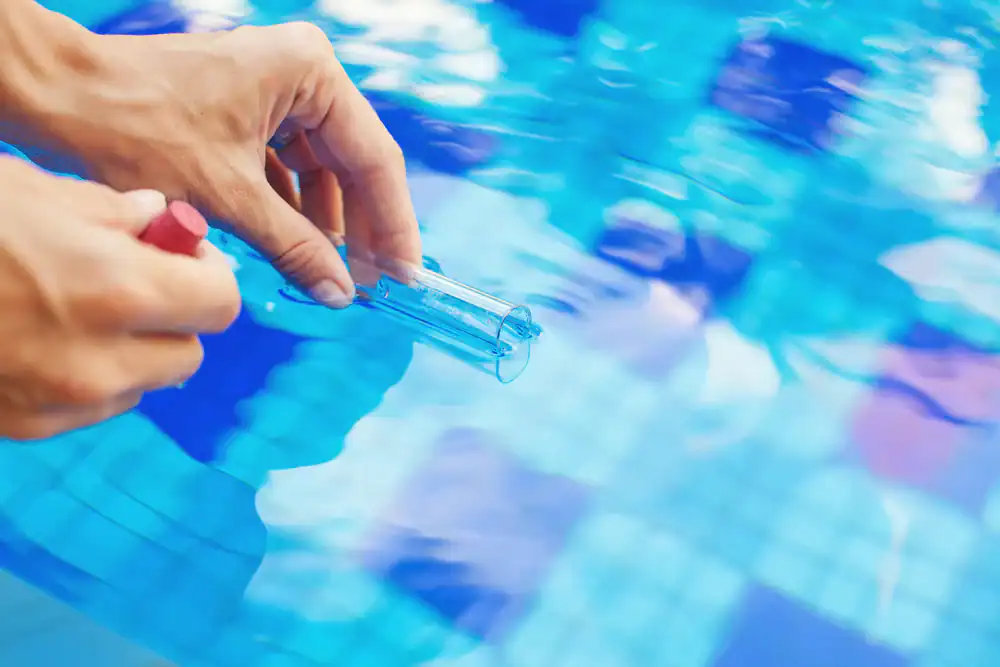
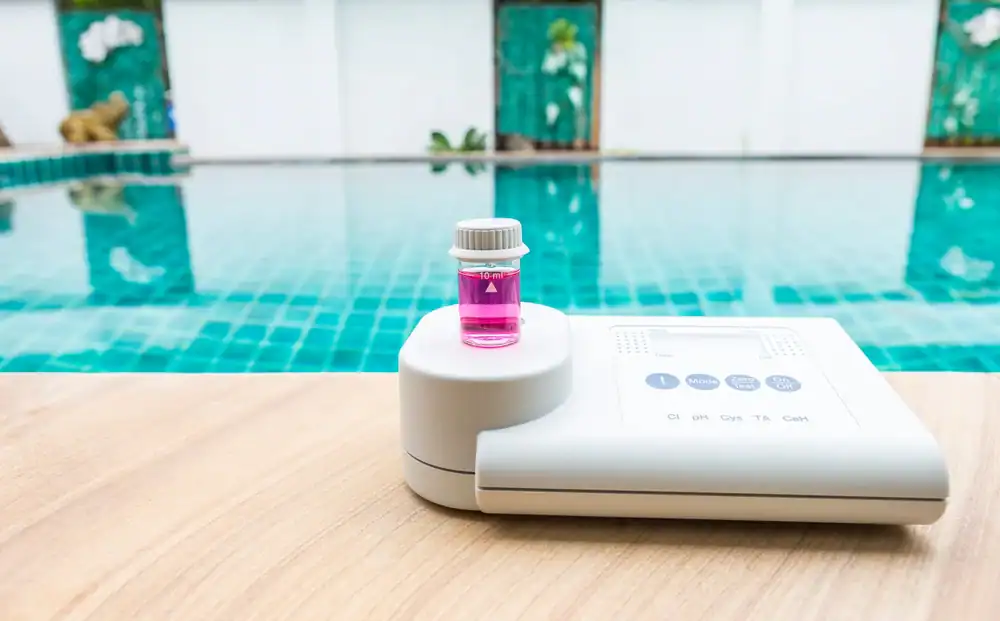
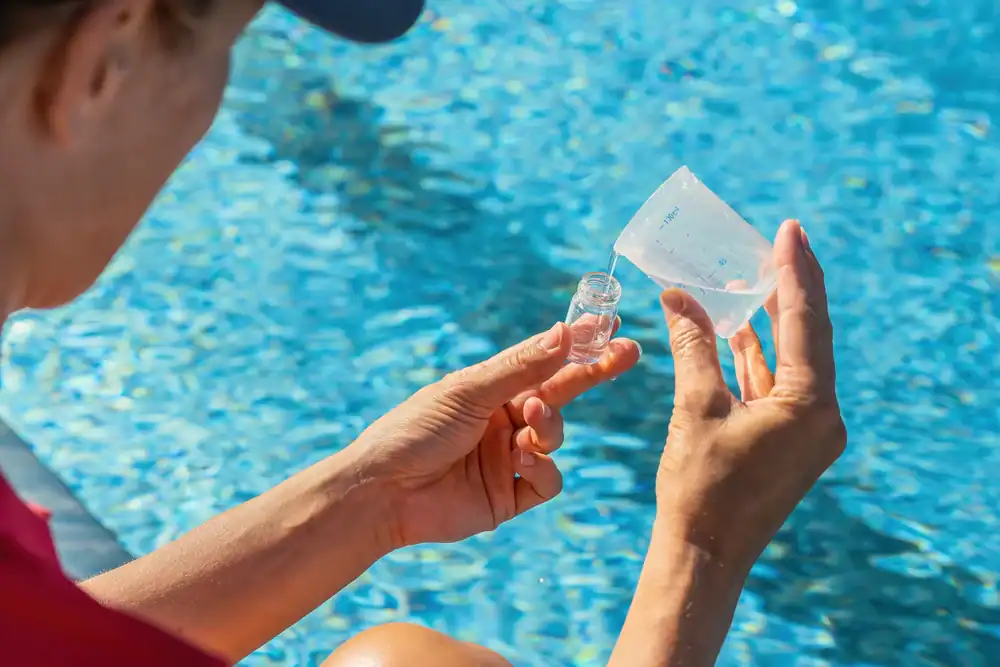
Bring in a water sample from your pool—about 16 ounces in a clean container works fine. We test it right away using professional equipment that measures pH levels, free chlorine, total alkalinity, calcium hardness, and other factors that affect water balance.
The whole process takes just a few minutes. You’ll get specific readings for each chemical parameter, not vague ranges or color-match guesses. We check if your pH is in the ideal 7.2 to 7.8 range, whether your chlorine is holding at the recommended 1 to 3 ppm, and if anything else needs adjustment.
Then we walk through what the numbers mean for your specific pool. If something’s off, we explain why it matters and what happens if you don’t fix it. You’ll leave with a clear action plan: which chemicals to add, how much to use, and when to test again. No confusion, no upselling products you don’t need.
This is a free service because we’d rather you maintain your pool correctly than deal with expensive repairs down the road. Good water chemistry protects your investment and keeps your family safe.
Ready to get started?
Every residential water test covers the critical factors that determine whether your pool is safe, balanced, and protecting your equipment. We measure pH levels because even small variations cause big problems—low pH corrodes metal parts and etches plaster, while high pH makes chlorine ineffective and causes cloudy water.
Chlorine testing shows whether you have enough sanitizer to kill bacteria and algae without overdoing it and wasting money. We also check total alkalinity, which acts as a pH buffer and prevents wild swings that damage surfaces. Calcium hardness matters too, especially in Willacoochee where water conditions can vary—too little causes etching, too much leads to scaling.
If you’re dealing with persistent algae, cloudy water, or staining, we look at total dissolved solids and other factors that make chemicals stop working properly. South Georgia heat and heavy summer use can throw off water balance fast, so understanding your specific conditions helps you stay ahead of issues.
You’re not just getting numbers on a printout. You’re getting context for what those numbers mean for your pool, your equipment, and your family’s safety. That’s the difference between testing and actual water analysis.
Test your water at least once a week during swimming season, and more often if you’re using the pool heavily or after big rainstorms. Weekly testing catches small problems before they turn into expensive repairs or unsafe swimming conditions.
If you’ve had a pool party with lots of swimmers, test within a day or two. Body oils, sunscreen, and increased swimmer load throw off chemical balance fast. Same goes after heavy rain—even a couple inches of rainfall dilutes your chlorine and changes pH levels enough to matter.
During cooler months when the pool sees less use, you can stretch testing to every two weeks. But don’t skip it completely. Water chemistry still shifts even when nobody’s swimming, and catching issues early saves you from dealing with green water or equipment damage when you’re ready to use the pool again.
Wrong chemistry costs you money and creates safety risks. Low pH turns water acidic, which corrodes metal fixtures, etches plaster surfaces, and causes burning eyes and skin irritation for swimmers. You’ll see staining on pool walls and premature wear on pumps and heaters.
High pH makes chlorine stop working effectively, so you’re adding sanitizer that isn’t actually protecting anyone. Water gets cloudy, algae starts growing, and you end up spending more on chemicals that aren’t solving the problem. Calcium buildup becomes an issue too, leaving scale on tiles and clogging filters.
Chlorine that’s too low means bacteria and algae multiply fast. You’ll notice the water looking dull or greenish, and it’s not safe for swimming. Chlorine that’s too high irritates skin and eyes, bleaches swimsuits, and wastes your money. Both extremes are fixable, but the longer you wait, the harder and more expensive the correction becomes.
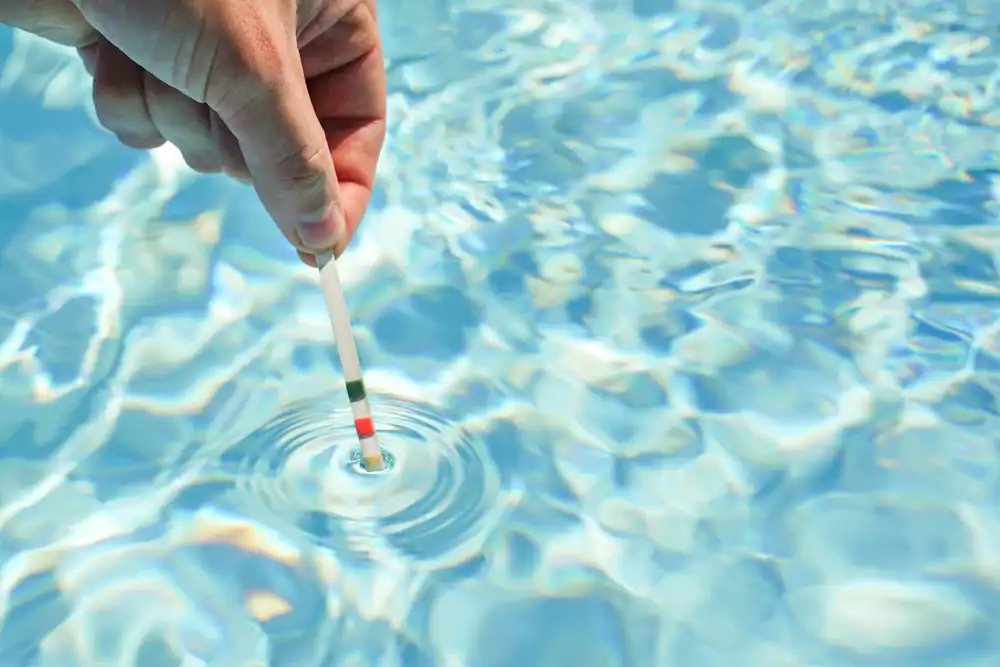
Test strips give you a rough idea, but they’re not accurate enough to prevent problems. Color matching is subjective and strips degrade quickly if they’re exposed to humidity or stored improperly. You might think your pH is fine when it’s actually off by enough to cause damage.
Professional water testing uses calibrated equipment that gives you exact numbers, not color ranges. That precision matters when you’re trying to protect expensive pool equipment and keep water safe for your family. A difference of 0.2 in pH might not look like much on a test strip, but it’s enough to start corroding metal parts.
Use strips between professional tests if you want to monitor trends, but don’t rely on them for treatment decisions. Bring a sample in for accurate analysis whenever you’re adding chemicals or troubleshooting a problem. It’s free, it’s fast, and it prevents the costly mistakes that happen when you’re working with incomplete information.
Cloudy water usually means your pH or alkalinity is off, not that you need more chlorine. When pH climbs above 7.8, chlorine becomes much less effective at sanitizing even if your test shows adequate chlorine levels. The chemical is there, but it’s not working.
High total dissolved solids also cause cloudiness that chlorine can’t fix. This happens over time as you add chemicals and water evaporates, leaving behind minerals and other compounds. Eventually the water becomes saturated and stops responding to normal treatment. The only fix is partially draining and refilling the pool.
Poor filtration contributes too. If your filter is clogged or not running long enough each day, particles stay suspended in the water no matter how much chlorine you add. Water testing identifies which issue you’re actually dealing with so you fix the right problem instead of throwing chemicals at symptoms.
Yes, test before you add any chemicals after your pool has been closed. Water chemistry shifts significantly during winter even if the pool is covered. pH typically drops, chlorine depletes completely, and you might have algae starting to form that you can’t see yet.
Starting the season with accurate water analysis prevents you from wasting money on chemicals you don’t need or missing problems that will get worse once the water warms up. You’ll know exactly what your baseline is and can adjust properly before anyone swims.
This is especially important in Willacoochee where temperature swings and seasonal weather patterns affect water balance. Testing takes a few minutes and gives you a clear starting point for the season. It’s much easier to maintain good water chemistry than to correct serious problems after they develop.
Fix pH and alkalinity first, then address chlorine and other chemicals. pH affects how every other chemical works, so adjusting it first makes your other corrections more effective and prevents you from wasting products. Get pH into the 7.2 to 7.8 range before doing anything else.
Once pH is stable, adjust total alkalinity if needed—this helps lock in pH and prevent it from bouncing around. Then bring chlorine to proper levels. If you try to fix everything at once, chemicals interact in ways that make the problem worse or waste your money.
We’ll walk you through the sequence and give you specific amounts for each adjustment based on your pool size and current readings. Don’t dump everything in at once hoping it balances out. Water chemistry doesn’t work that way, and you’ll end up with new problems to solve.
Other Services we provide in Willacoochee