
Hear from Our Customers
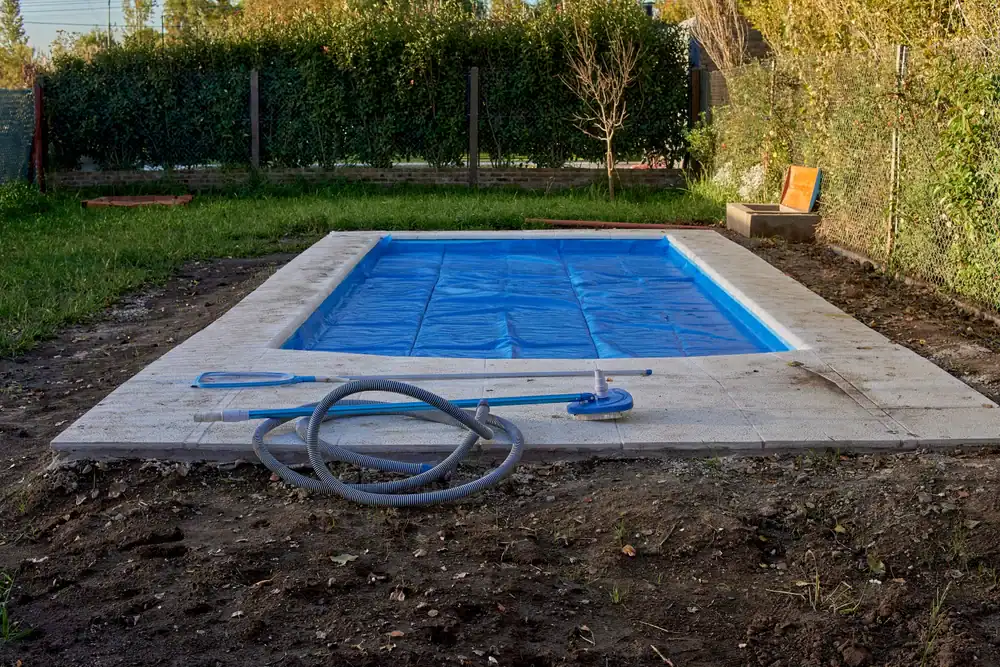
You’re not just getting a hole filled with water. You’re getting a backyard that your family actually uses, that adds real value to your home, and that doesn’t turn into a maintenance nightmare two years down the road.
Most custom inground pools in Brooker increase home value by up to 7%. But that only happens when the construction is done properly from the start. That means proper excavation that accounts for Georgia’s soil conditions, concrete that’s mixed and applied correctly, and plumbing that won’t leak the first time temperatures drop.
You get a space where your grandkids can swim safely. Where you can cool off after work without driving anywhere. Where weekends feel different because your backyard actually became the place you wanted it to be.
The difference between a good pool and a problem pool comes down to how it’s built. When the permit process is handled correctly, when the construction follows code, and when the contractor actually finishes what they start, you end up with something that works.
We’ve been building custom inground cement pools in the Douglas County area for over 30 years. That includes Brooker, GA and the surrounding communities where soil conditions, permit requirements, and local building codes all matter.
We’re licensed and insured, which shouldn’t be noteworthy but apparently still is in this industry. We handle the permits because we know what the local building departments require, and we’ve built enough pools in this area to know what works and what doesn’t.
Brooker sits in a part of Georgia where soil composition varies, water tables fluctuate, and summer heat is relentless. Those aren’t just details. They affect how your pool needs to be built, what materials hold up, and how long the construction takes. We account for that because we’ve done this here before.
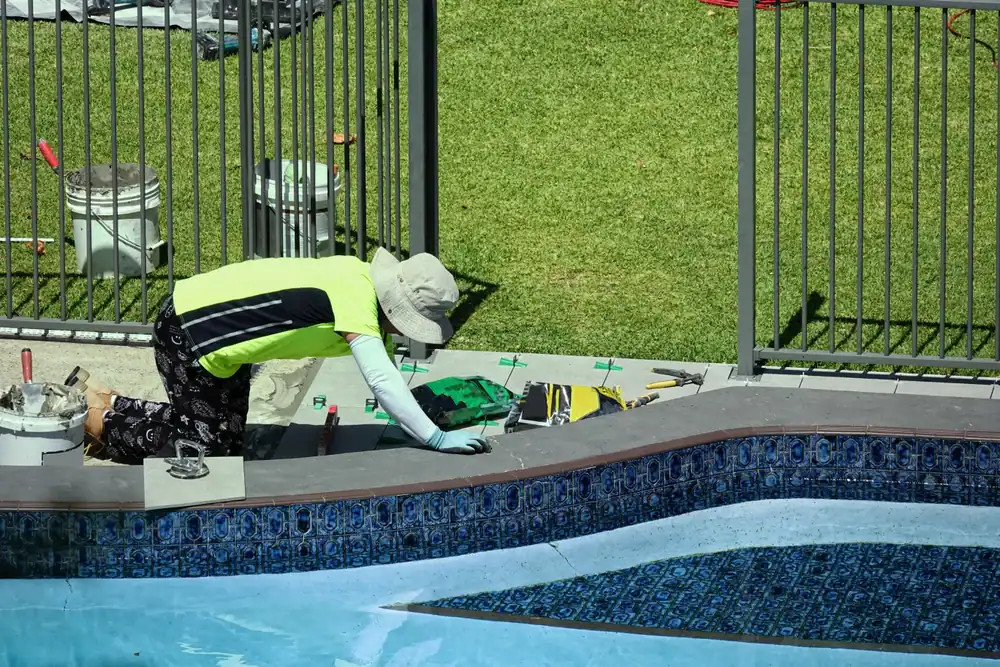
First, we evaluate your property. That means looking at your lot size, checking for underground utilities, understanding drainage patterns, and figuring out what’s actually possible in your space. This isn’t a sales pitch. It’s an honest assessment of what works.
Then comes design. You tell us what you want, we tell you what’s realistic, and we create something that fits your yard and your budget. Custom doesn’t mean complicated. It means the pool is designed for your specific property, not dropped in from a catalog.
Next, we handle permits. Georgia requires building permits for all residential pools, and Brooker has specific local requirements on top of that. We submit everything, deal with the inspections, and make sure you’re not stuck waiting because paperwork wasn’t filed correctly.
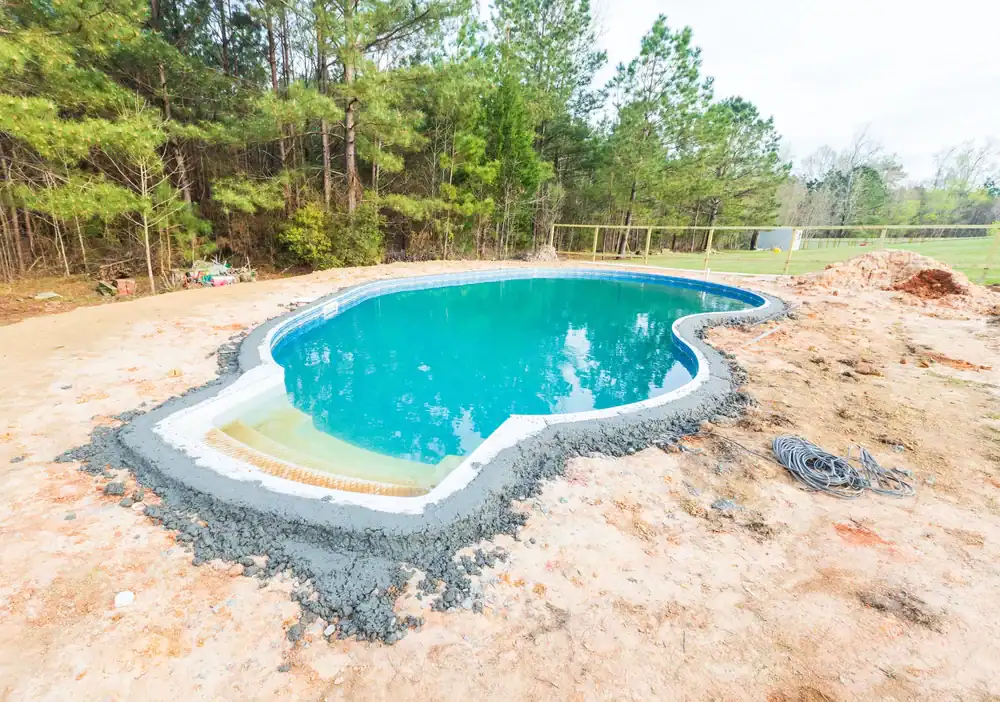
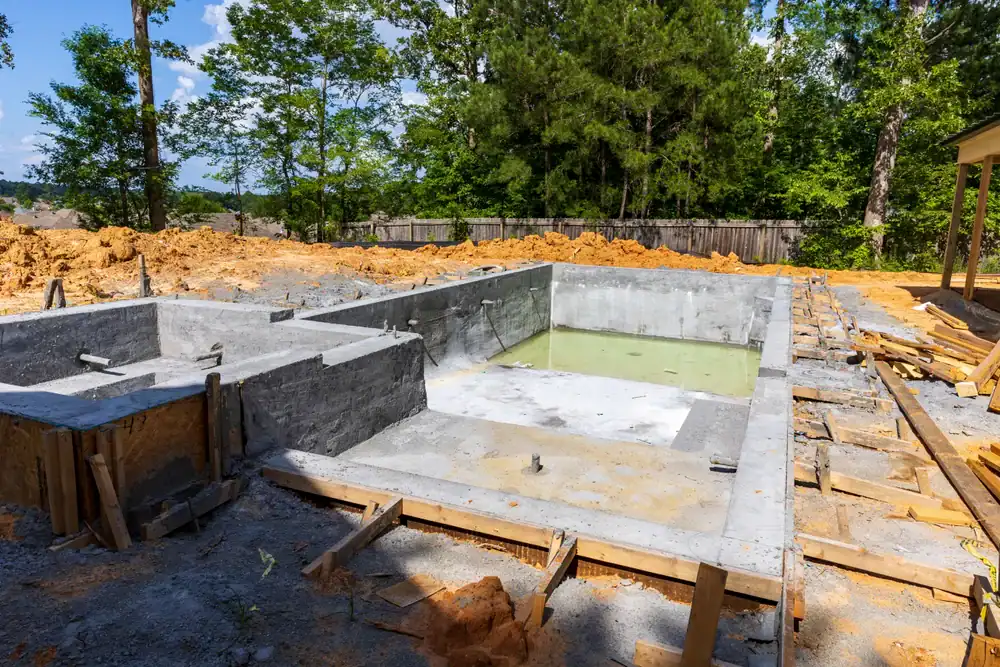
Construction starts with excavation. We dig, we deal with whatever’s underground (roots, rock, old utility lines), and we prep the site properly. Then comes the concrete work, plumbing, electrical, and filtration systems. Most projects take 8 to 12 weeks from permit approval to completion, assuming weather cooperates.
You get a final walkthrough where we explain how everything works. No surprises, no half-finished projects, no waiting for someone to come back and finish the job.
Ready to get started?
You get complete site evaluation before anything is designed. That includes checking soil conditions, which matters in Brooker where clay content and water tables affect how concrete cures and how stable your pool structure stays long-term.
Custom design comes next. Your pool is drawn specifically for your lot dimensions, your home’s layout, and how you’ll actually use the space. We’re not selling you a pre-fab shape. We’re building something that makes sense for your property.
All permits and inspections are handled. Georgia’s International Swimming Pool and Spa Code applies, plus whatever Brooker’s local building department requires. You don’t deal with any of it.
The construction itself includes professional excavation, concrete (gunite) installation, all electrical and plumbing work, filtration system setup, and any safety barriers required by code. Concrete pools hold up better in Georgia’s soil conditions than fiberglass, and they last longer when they’re built right.
You also get complete cleanup and training on how to maintain your pool systems. We don’t hand you keys and disappear. You know how everything works before we’re done.
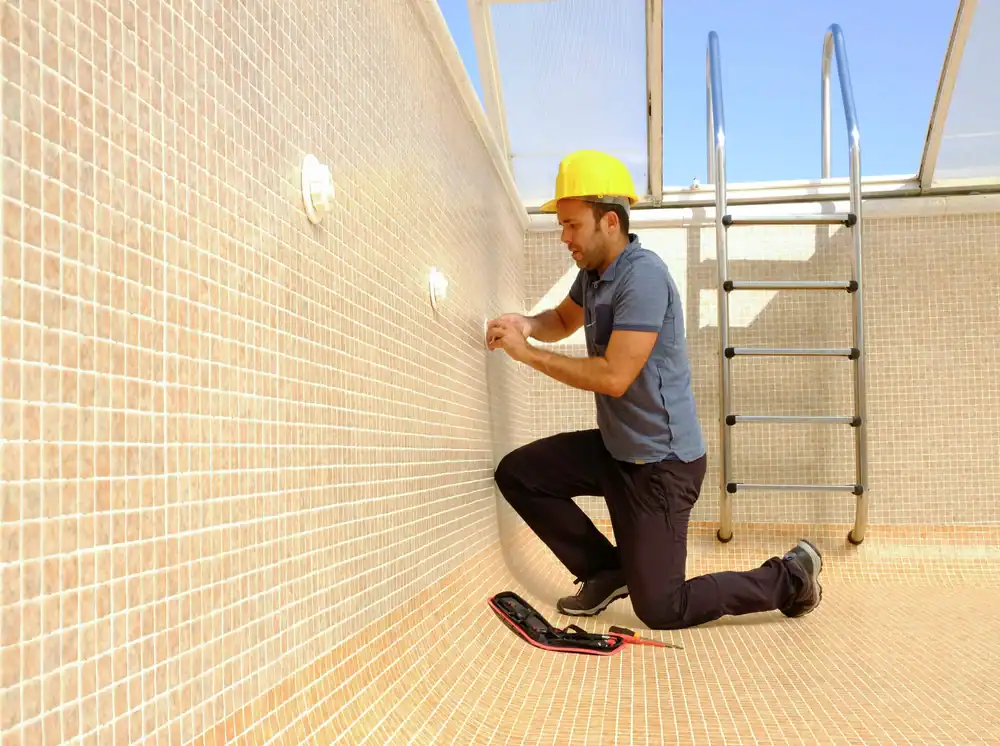
Most custom inground pools in Brooker take 8 to 12 weeks from the time permits are approved to final completion. That timeline assumes normal weather and no major surprises underground.
The permit process itself adds time upfront. Georgia requires building permits for all residential pools, and Brooker’s local building department has specific requirements that need to be met before construction starts. That usually takes 2 to 4 weeks depending on how backed up the permitting office is.
Weather affects the schedule more than most people expect. Rain delays concrete work. Extreme heat affects curing times. If we hit a stretch of storms during your build, the timeline extends. We give you realistic expectations upfront, not best-case scenarios that never happen.
Concrete pools handle soil movement better than fiberglass shells. Brooker sits in an area where soil composition includes clay, which expands when wet and contracts when dry. That movement puts stress on pool structures.
Concrete is poured and formed on-site, which means it’s engineered specifically for your soil conditions. The structure can be reinforced where needed, and the concrete bonds with the surrounding earth as it cures. Fiberglass shells are dropped into a hole and backfilled, which leaves gaps where soil can shift.
Georgia’s soil also tends to have higher water tables in certain areas, especially after heavy rain. Concrete pools are built to handle hydrostatic pressure from groundwater. When installed correctly with proper drainage, they don’t pop out of the ground or crack under pressure the way poorly installed pools do.
Georgia doesn’t require a specific “pool contractor” license, but all pool construction falls under building codes that require proper licensing and permits. You need a contractor who’s licensed, insured, and knows how to pull permits correctly.
The risk with unlicensed contractors isn’t just legal. It’s that your pool won’t pass inspection, won’t be covered by insurance if something goes wrong, and might not even be built to code. That affects your home’s value, your liability, and whether your homeowner’s insurance will cover the pool.
Licensed contractors also know Georgia’s International Swimming Pool and Spa Code requirements, which cover everything from barrier requirements to electrical setups. If your pool isn’t built to code, you’ll pay to fix it later. And if someone gets hurt because safety requirements weren’t met, you’re liable.
We call 811 before any digging starts. That gets all utilities marked so we know where gas, electric, water, and sewer lines run. It’s required by law and it prevents expensive damage.
Rock is common in parts of Georgia, including around Brooker. If we hit rock during excavation, we deal with it. Sometimes that means bringing in heavier equipment or adjusting the pool depth slightly. It adds time and sometimes cost, but it’s not a project-killer.
What matters is that we handle it instead of ignoring it or cutting corners. Some contractors will try to dig around rock or leave it in place and pour concrete over it, which causes structural problems later. We remove obstacles properly so the pool is built on stable ground.
A properly installed inground pool typically increases home value by 5% to 7% in Georgia. That’s not guaranteed, and it depends on your neighborhood, the quality of the pool, and the local real estate market.
In Brooker and the surrounding Douglas County area, pools are desirable because of the extended warm season. You can realistically swim from April through October most years. That makes pools more valuable here than in areas with shorter summers.
The increase only applies if the pool is built correctly and maintained. A pool with structural problems, outdated equipment, or code violations actually hurts your home value because buyers see it as a liability. That’s why proper construction and permitting matter. You’re not just building a pool. You’re protecting your investment.
You’ll need to balance chemicals weekly, clean the filter regularly, and brush the pool surface to prevent algae buildup. Georgia’s heat and humidity create ideal conditions for algae, so staying on top of chemistry matters more here than in cooler climates.
Concrete pools need to be resurfaced every 10 to 15 years depending on use and maintenance. The plaster or aggregate finish wears down over time from chemicals and brushing. That’s normal and expected. When it’s done, you can update the finish to something more modern.
Your filtration system needs attention too. Pumps and filters should be checked seasonally, and you’ll want energy-efficient equipment to keep operating costs reasonable. We install quality systems upfront and train you on how everything works so you’re not guessing. Most maintenance is straightforward once you understand what you’re doing.