
Hear from Our Customers
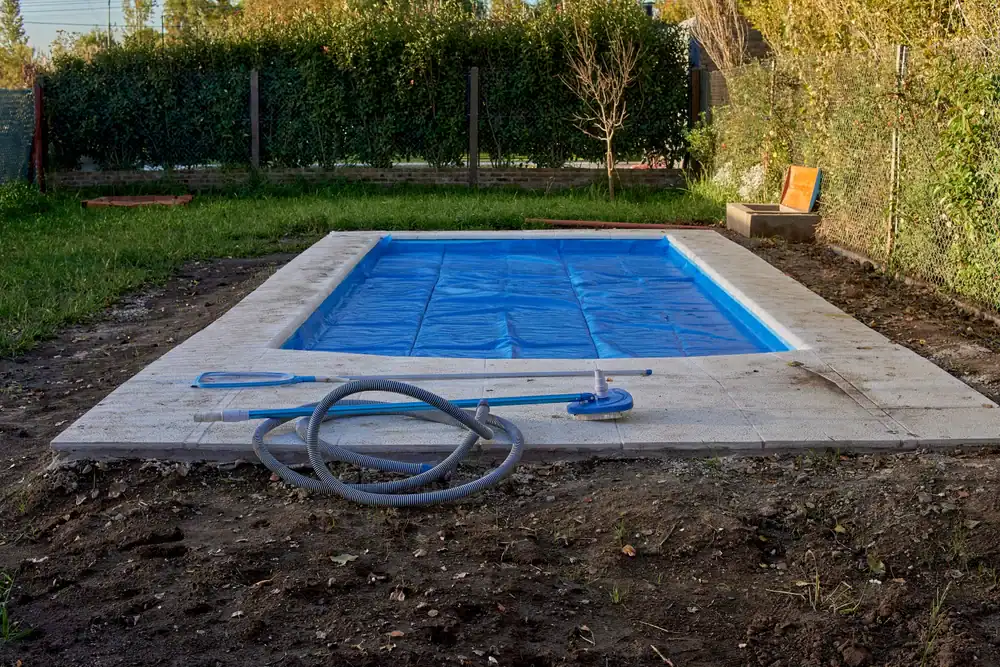
A backyard pool changes how you spend your time at home. Summer weekends become something your kids remember for years. You stop looking for places to go because people want to come to you.
But only if it’s done right. The wrong contractor turns your backyard into a construction zone that drags on for months, costs more than quoted, and leaves you with problems you didn’t sign up for. You’ve probably heard the horror stories—contractors who take deposits and disappear, crews that don’t show up, equipment that fails in the first season.
When you work with licensed pool contractors in Georgia who know what they’re doing, the process is different. You get a design that fits your property, not a cookie-cutter template. The construction timeline makes sense and actually gets followed. Your pool gets built with gunite or shotcrete—materials that hold up to Georgia summers and don’t crack after a few freeze-thaw cycles.
And when it’s finished, you’re not dealing with constant repairs or wondering if something was installed wrong. You’re using your pool.
Deep Waters Pools operates out of Douglas, and we’ve been building custom inground pools across Douglas County and the surrounding areas for years. We’re licensed, insured, and bonded—not because it sounds good in an ad, but because it protects you if something goes wrong.
Millwood and the communities around here have specific soil conditions, water tables, and permitting requirements that out-of-town contractors don’t always understand. We do. We know which designs work on your property type and which ones create problems down the road.
You’re not getting a salesperson who hands your project off to a subcontractor they’ve never met. You’re working with people who will be there from the design meeting to the final walkthrough.
First, we come out to your property. We look at your yard, talk about what you want, and figure out what’s realistic given your space, budget, and timeline. No pressure, no upselling—just a real conversation about what works.
Once you’re ready to move forward, we handle the design and engineering. You’ll see exactly what your pool will look like and where it’s going. We pull the permits, schedule inspections, and deal with the county so you don’t have to.
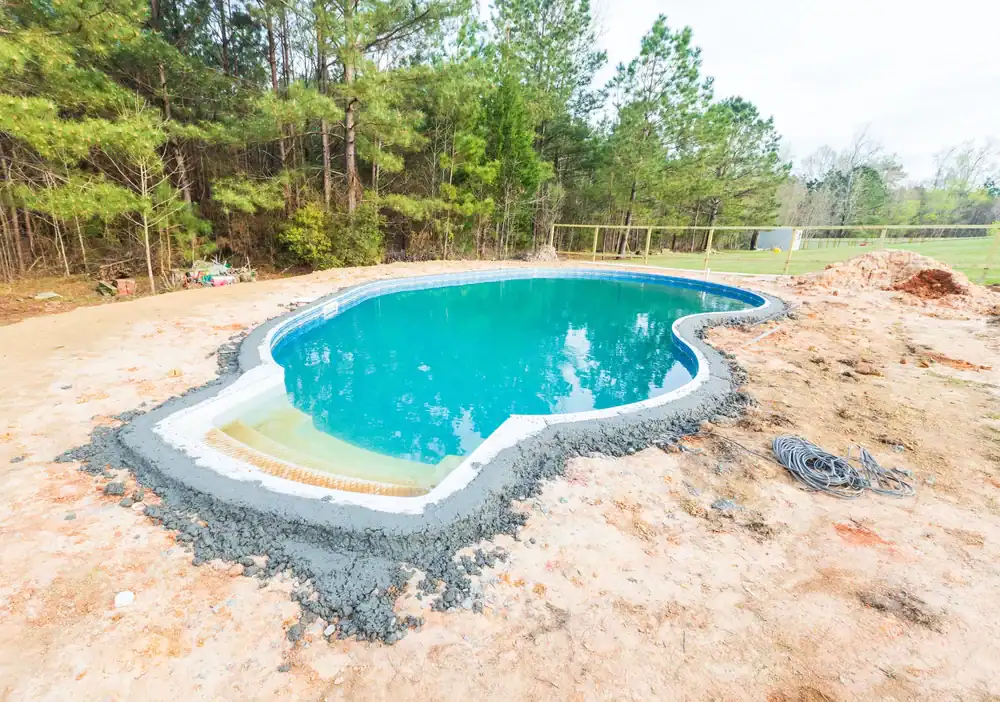
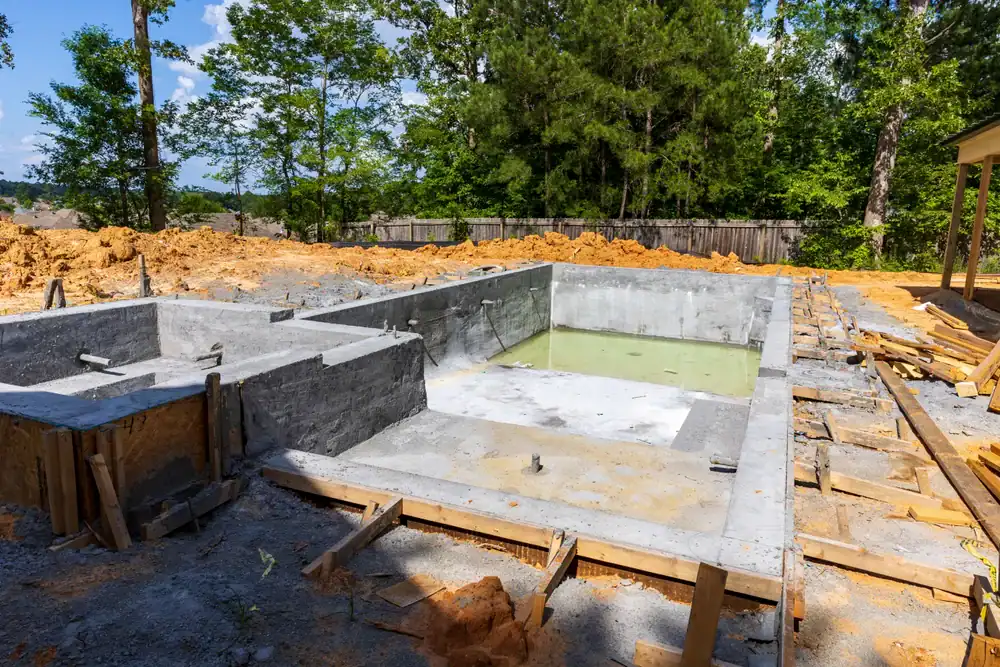
Construction starts with excavation. We dig, set the plumbing and electrical, and then shoot the concrete shell using gunite or shotcrete. This is the backbone of your pool—the part that determines whether it lasts ten years or forty. We don’t cut corners here.
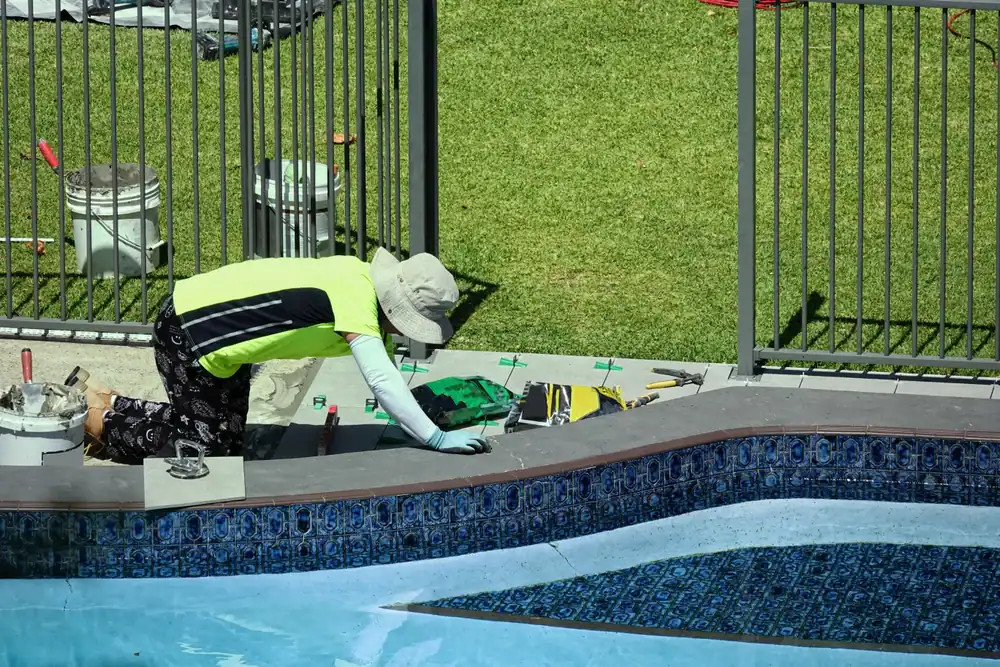
After the shell cures, we install your equipment, finish the interior surface, and complete the decking. Then we fill it, balance the water, and walk you through how everything works. The whole process typically takes two to four months, depending on weather and permitting. We’ll give you a realistic timeline upfront, not an optimistic guess that falls apart halfway through.
Ready to get started?
Every pool we build is custom. That means the shape, size, depth, and features are designed specifically for your property and how you plan to use it. If you want a shallow play area for kids, we build that in. If you want a deeper end for diving or a bench for sitting, we design around it.
You’re getting concrete construction—either gunite or shotcrete depending on your project. These methods give you the durability and flexibility that fiberglass and vinyl can’t match. Concrete pools last longer and give you more options for customization, which matters when you’re spending this kind of money.
In Douglas County, the pool market has been steady. People here understand that a pool is a long-term investment, not a quick flip feature. The average inground pool in Georgia costs around $66,000, though that number moves depending on size, features, and site conditions. Maintenance typically runs $3,000 to $6,000 per year when you factor in chemicals, cleaning, and equipment upkeep.
We also handle renovations if you’ve got an older pool that needs updating. Cracked surfaces, outdated equipment, leaking plumbing—we can fix it or rebuild it depending on what makes sense for your situation.
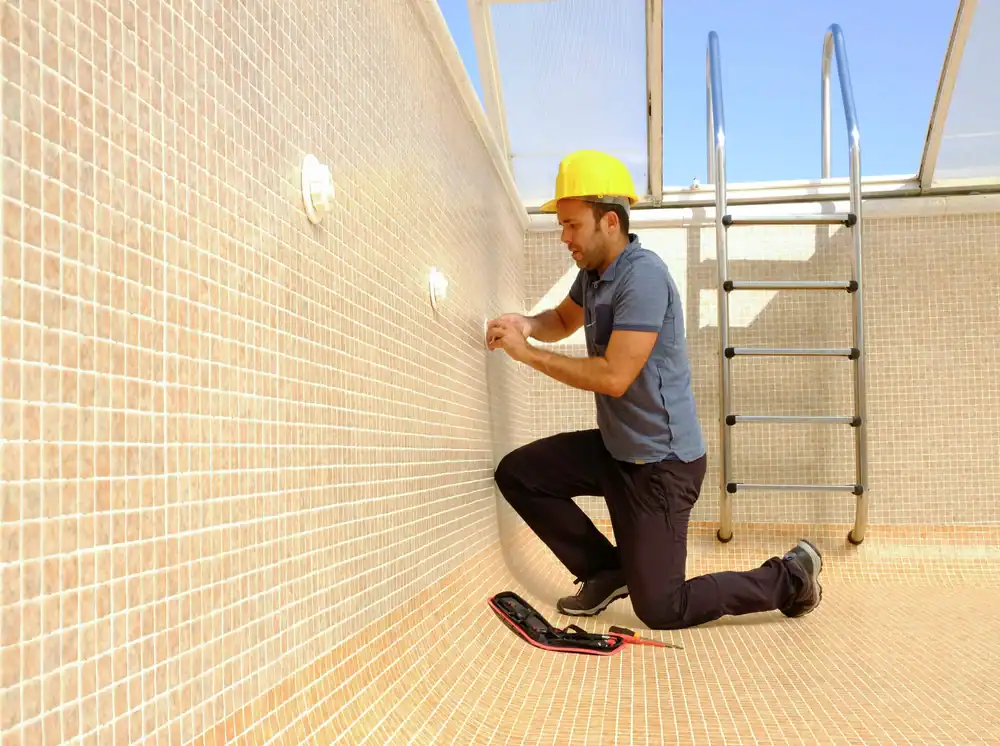
Most inground pool projects take between two and four months from start to finish. That timeline depends on a few things you can’t always control—weather delays, permitting speed, material availability, and whether we hit any surprises during excavation.
Spring and summer are the busiest times for pool construction in Georgia, which means contractors are booked out further. If you’re planning a pool for next summer, you should start talking to builders in the fall or winter. That gives you time to get estimates, compare options, and get on the schedule before the rush.
We’ll give you a realistic timeline during your consultation based on your specific project. If we say three months, that’s what we’re aiming for—not an optimistic guess that turns into six months of frustration.
Both gunite and shotcrete are types of concrete sprayed at high pressure to form your pool shell. The main difference is when the water gets added to the mix. Gunite is dry concrete that gets mixed with water at the nozzle. Shotcrete is pre-mixed with water before it’s sprayed.
For your purposes as a homeowner, they both produce a strong, durable pool that can be shaped to fit any design. The choice usually comes down to the crew’s preference and your site conditions. Both methods have been used successfully for decades, and both will give you a pool that lasts.
What matters more than the specific method is the skill of the crew doing the work. Concrete application is part science, part craft. You want people who know how to control the spray, manage the cure, and avoid weak spots that lead to cracks later.
You’re looking at roughly $3,000 to $6,000 per year for maintenance, depending on how much you do yourself versus hiring it out. That includes chemicals, cleaning, equipment repairs, and seasonal opening and closing.
Chemicals are your regular expense—chlorine, pH balancers, algaecides. If you’re doing it yourself, budget a few hundred dollars per season. If you hire a service, expect $100 to $200 per month during swim season.
Equipment repairs are harder to predict but they happen. Pumps, filters, and heaters don’t last forever. A pump replacement might cost $500 to $1,500. A heater can run $2,000 to $4,000. If you’re proactive about maintenance and catch problems early, you’ll spend less over time than if you ignore issues until something breaks completely.
A pool can increase your home’s value by around 7% on average, though that number varies based on your neighborhood and buyer preferences. In Douglas County, where outdoor living is part of the lifestyle, a well-maintained pool is generally seen as an asset, not a liability.
That said, you’re not going to recoup 100% of your construction costs if you sell right away. Pools are a long-term investment. You get the value through years of use, not through immediate resale return.
The buyers who want a pool will pay more for a home that has one already installed. The buyers who don’t want a pool will pass on your house regardless of price. So the real question is whether you want a pool for your own use. If the answer is yes, the property value piece is a bonus, not the main reason to build.
Start with licensing and insurance. In Georgia, pool contractors need to be properly licensed and carry liability insurance and workers’ comp. If they can’t show you proof, walk away. You don’t want to be liable if someone gets hurt on your property during construction.
Next, look at their actual work, not just their website photos. Ask for references from recent projects. Call those people and ask specific questions: Did the project stay on budget? Did the crew show up when they said they would? Were there any problems after the pool was finished?
Pay attention to how they communicate during the sales process. If they’re hard to reach, vague about timelines, or pushy about signing contracts, that’s how they’ll be during construction too. You want someone who answers questions directly, explains the process clearly, and doesn’t disappear after you hand over the deposit.
You can use your pool from late April through October without any heating in most of Georgia. If you add a heater, you can extend that season into the cooler months, though you’ll pay more to keep the water warm.
Most people in this area close their pools for winter. Georgia doesn’t get cold enough to require full winterization like northern states, but you’ll still want to reduce your maintenance routine and protect your equipment from occasional freezes.
If you want to swim year-round, a heat pump or gas heater makes that possible. Heat pumps are more efficient but work best when the air temperature is above 50 degrees. Gas heaters cost more to run but heat the water faster and work in colder weather. We can walk you through the options based on how you plan to use your pool.