
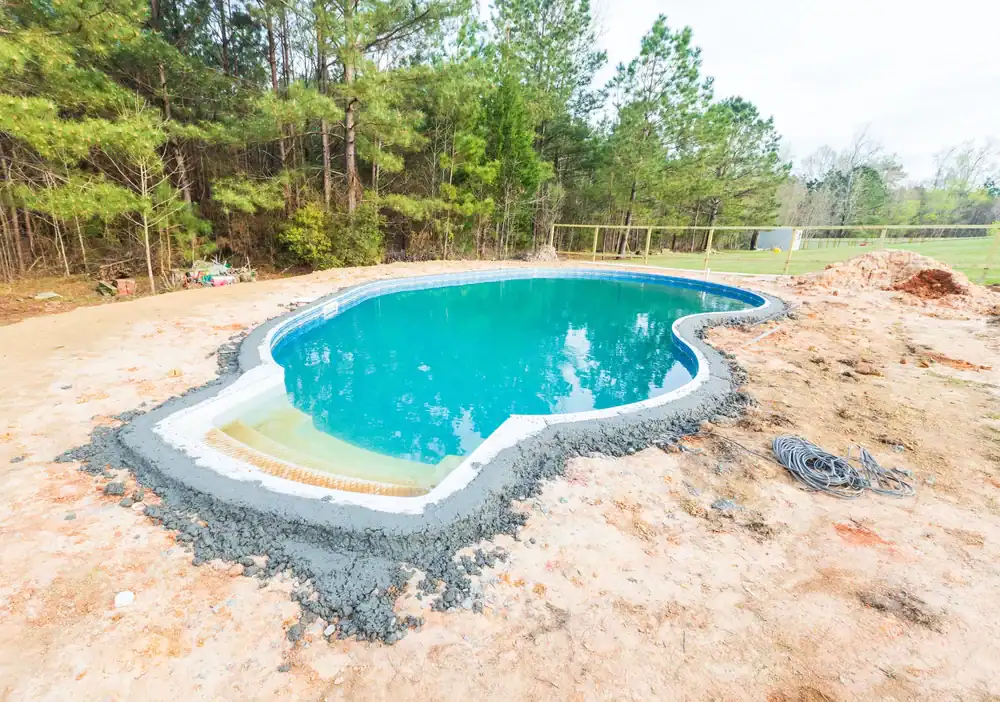
Hear from Our Customers
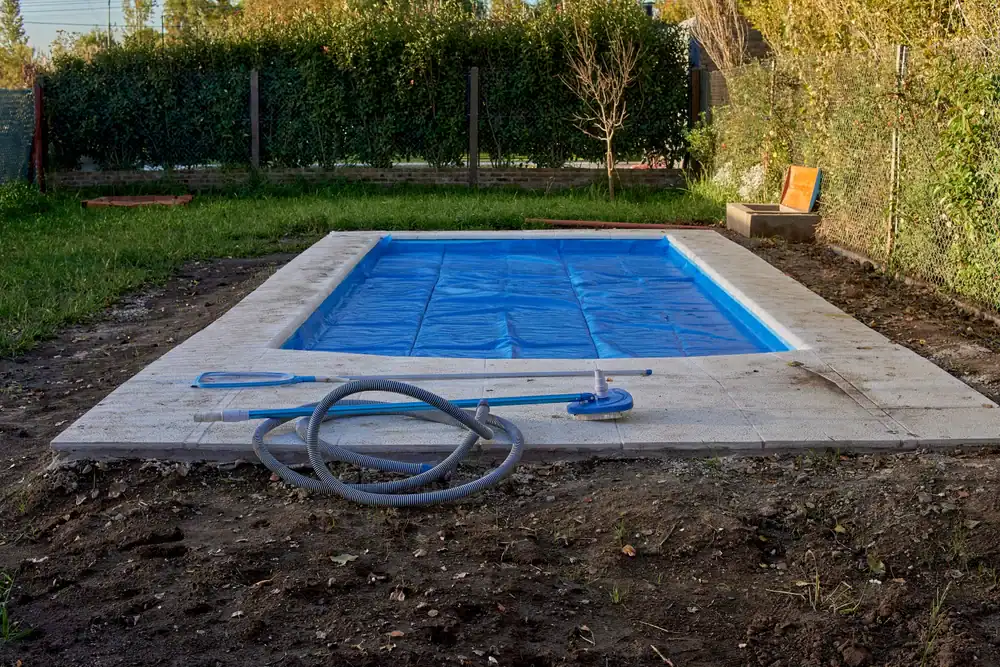
You’re not looking for a cookie-cutter setup that ignores your yard’s layout or South Georgia’s red clay. You want a pool designed around your space, your family’s needs, and the reality of building in Pearson.
That means accounting for soil conditions before breaking ground. It means realistic timelines that factor in Georgia’s summer storms and permitting requirements. It means working with licensed pool contractors who’ve handled enough local projects to know what actually works here.
The result is a backyard you’ll use—not just look at. A space where your family gathers on hot afternoons, where you can cool off after work, and where summer weekends finally feel worth staying home for. No surprises during construction. No cutting corners on materials. Just a well-built inground pool that does exactly what you need it to do.
We’ve been building custom inground cement pools across South Georgia since 2014, backed by over 30 years of hands-on construction experience. We’re licensed, insured, and fully compliant with Georgia regulations and the International Swimming Pool Code.
We started this company because too many families in towns like Pearson were getting burned by contractors who overpromised and underdelivered. We handle the entire process—from permits and site prep to final cleanup and equipment training—so you’re not left managing a construction project you didn’t sign up for.
Pearson sits in a part of Georgia where the heat stretches from April well into October. That’s a long season to go without a pool if you’ve been thinking about it. We build pools that match that reality—durable cement construction that holds up to the climate and gives your family a place to cool off when it matters most.
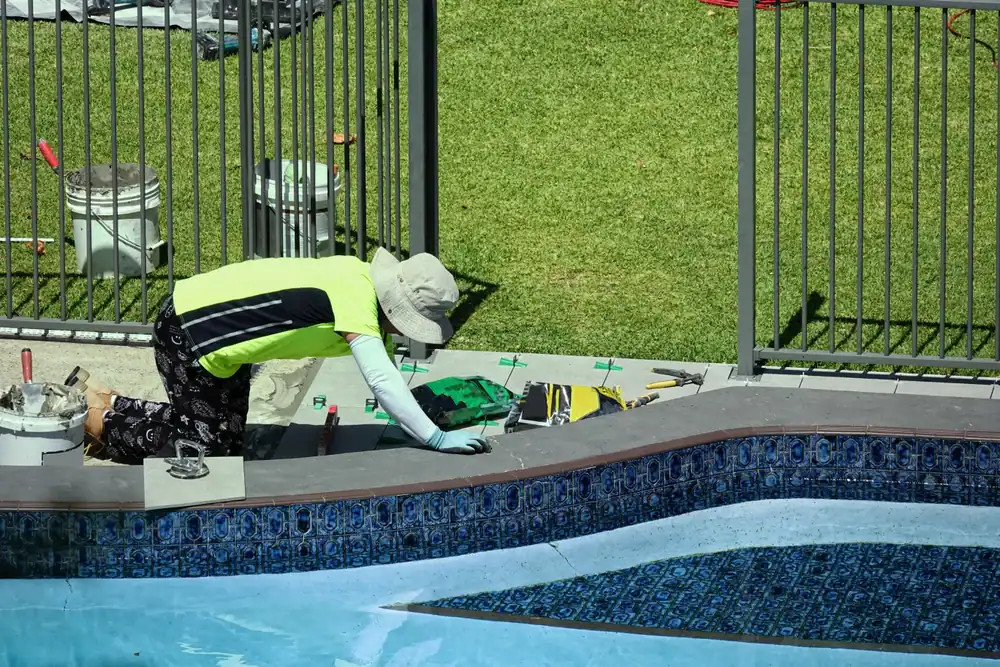
First, we walk your property and talk through what you’re picturing. We measure the space, assess soil conditions, and go over design options that actually fit your yard. This is where we address Georgia’s red clay—it’s dense, doesn’t drain like sandy soil, and requires the right equipment and foundation approach.
Once the design is set, we handle permitting. That typically takes two to eight weeks depending on the county, and inspectors will verify that everything meets setback requirements, safety codes, and zoning regulations. We manage that process so you’re not chasing down paperwork.
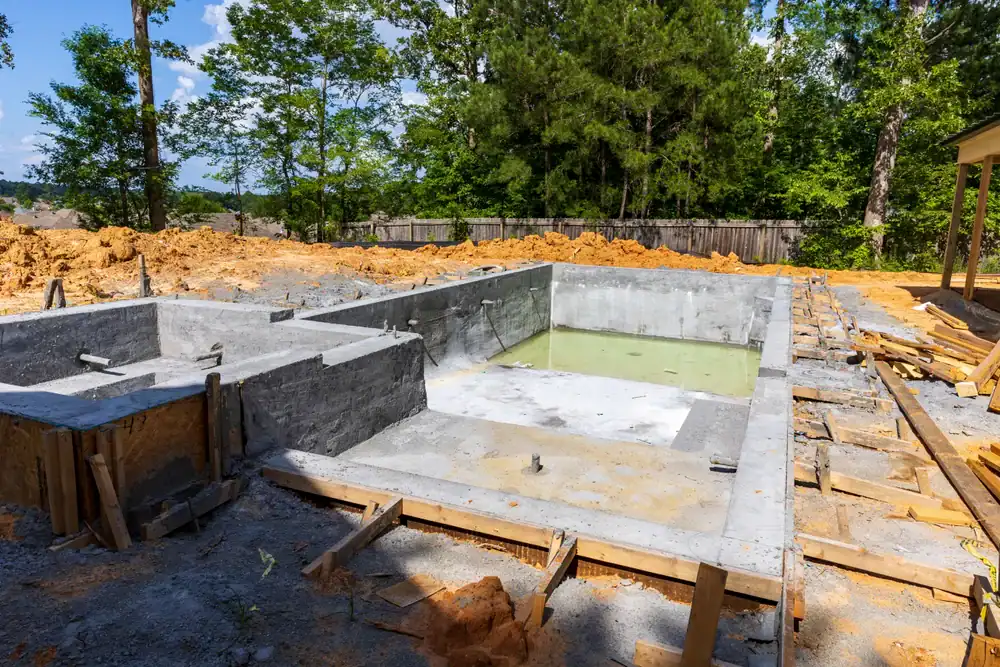
Construction starts after permits clear. Most custom inground pools take eight to twelve weeks from permit approval to completion. We excavate, build the shell, install plumbing and electrical, apply finishes, and set up your equipment. Weather delays happen—especially during summer storm season—but we build buffers into the schedule and keep you updated if anything shifts.
At the end, we do a full cleanup, train you on your pool systems, and make sure everything’s ready before we leave. You’re not inheriting a construction zone. You’re getting a finished pool you can use the same day.
Ready to get started?
Every project starts with a custom design that fits your property. We’re not dropping a standard rectangle into your backyard and calling it done. You get a pool shaped around your space, your budget, and how you’ll actually use it.
Materials matter in South Georgia. We build with cement—specifically shotcrete or gunite—because it’s durable, weather-resistant, and gives you unlimited design flexibility. That’s important in Pearson, where heat and humidity put constant pressure on pool structures. Cement holds up better than vinyl or fiberglass over the long term.
We also handle safety from the start. Every pool includes proper barriers that meet Georgia code requirements, and we offer custom-fitted safety covers designed for family protection. Permits, site plans, inspections—we manage all of it so the project stays on track.
You’ll also get training on your equipment before we finish. Pumps, filters, heaters, lighting—we walk you through how everything works so you’re not guessing later. And if you want spa features, modern lighting, or water elements, we build those in during construction, not as an afterthought.
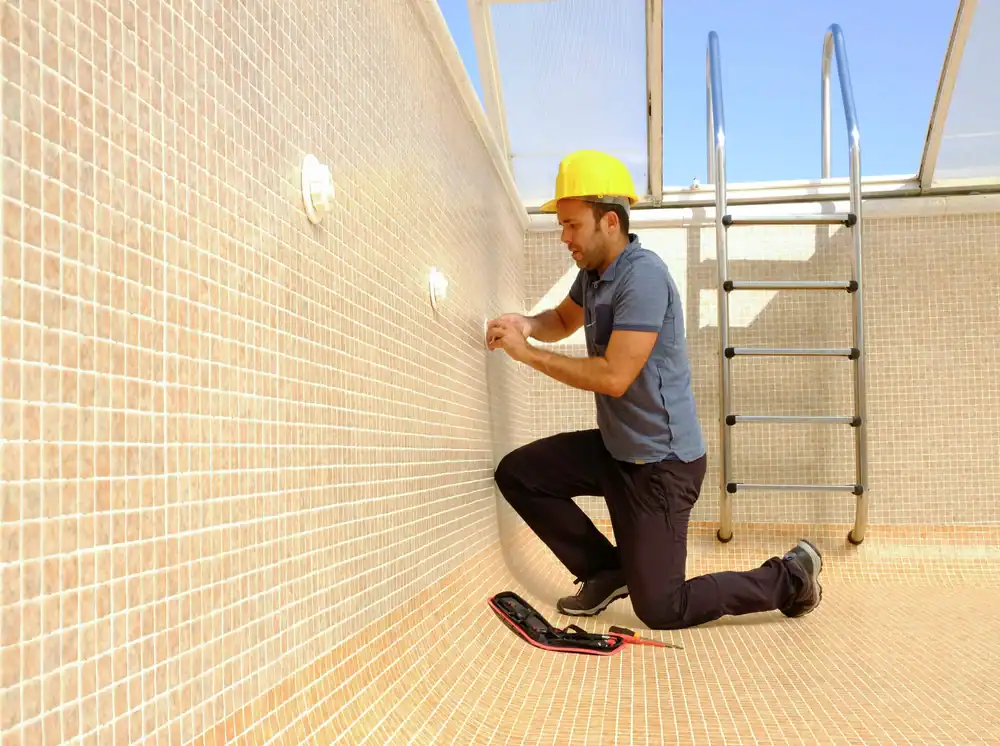
Most custom inground cement pools in South Georgia run between $35,000 and $65,000, depending on size, features, and site conditions. That range covers excavation, construction, plumbing, electrical, finishes, and equipment.
If your property has challenging soil conditions—like dense red clay or poor drainage—you may need additional foundation work, which affects cost. The same goes for adding features like spas, waterfalls, custom lighting, or heating systems. Those aren’t required, but they do change the price.
We give you a clear estimate upfront after walking your property and talking through your design. No surprises halfway through the project. You’ll know what you’re paying for and why before we break ground.
From permit approval to completion, most custom pools take eight to twelve weeks. That timeline includes excavation, shell construction, plumbing and electrical installation, finishing work, and final cleanup.
Permitting adds another two to eight weeks before construction starts. Georgia counties require site plans, safety barrier details, and inspections to verify everything meets code. We handle that process, but it’s not instant.
Weather can shift timelines, especially during summer storm season. Heavy rain delays excavation and concrete work. We build buffers into our schedules and keep you updated if delays happen. The goal is to set realistic expectations from the start—not promise a six-week build and deliver it in four months.
Red clay is dense, holds water poorly, and requires more powerful equipment to excavate than sandy or loamy soil. That affects both the timeline and the foundation work needed to keep your pool stable long-term.
Clay doesn’t drain well, which means water can pool around your pool’s structure if drainage isn’t addressed during construction. We install proper backfill and drainage systems to prevent shifting, cracking, or settling over time. Skipping that step leads to expensive repairs later.
Clay also hardens when dry and turns slick when wet, which makes excavation tricky depending on weather. We plan around those conditions and use equipment designed for Georgia soil. It’s not a dealbreaker—it just requires experience and the right approach from the start.
Yes. Georgia requires permits for inground pool construction, and inspectors verify that your design meets safety codes, setback requirements, and zoning regulations before you can start building.
The permit process typically takes two to eight weeks depending on the county and how quickly inspectors can review your plans. You’ll need site plans, proof of safety barriers, and documentation showing the pool meets local codes. We handle all of that so you’re not managing paperwork.
Skipping permits isn’t worth the risk. If you build without one, you could face fines, be forced to remove the pool, or run into problems when you try to sell your home. Doing it right the first time saves you headaches later.
Cement gives you unlimited design options and holds up better in Georgia’s climate. Fiberglass pools come in pre-molded shapes, which limits customization. Vinyl liners need replacing every seven to ten years, and they’re more prone to tearing or fading in high heat.
Cement pools—built with shotcrete or gunite—are poured on-site, so you can design any shape, depth, or feature you want. They’re also more durable. Cement doesn’t warp in heat, crack from ground movement, or require liner replacements. It’s a longer-lasting structure that handles South Georgia’s weather without constant maintenance.
The upfront cost is higher than vinyl, but you’re not paying for liner replacements or dealing with limited design choices. If you’re building a custom pool that needs to last decades, cement is the better investment.
Rain delays excavation and concrete work, but it doesn’t stop the entire project. We adjust the schedule and keep you updated if weather pushes timelines back.
Heavy rain makes it impossible to dig safely or pour concrete, especially in clay soil that turns slick when wet. We don’t rush those steps just to stay on schedule—doing it wrong creates bigger problems later. Once conditions clear, we pick up where we left off.
Georgia’s summer storm season is predictable, so we build weather buffers into our timelines from the start. That way, a few rainy days don’t derail your entire project. You’ll know upfront that delays are possible, and we’ll communicate if anything changes.