
Hear from Our Customers
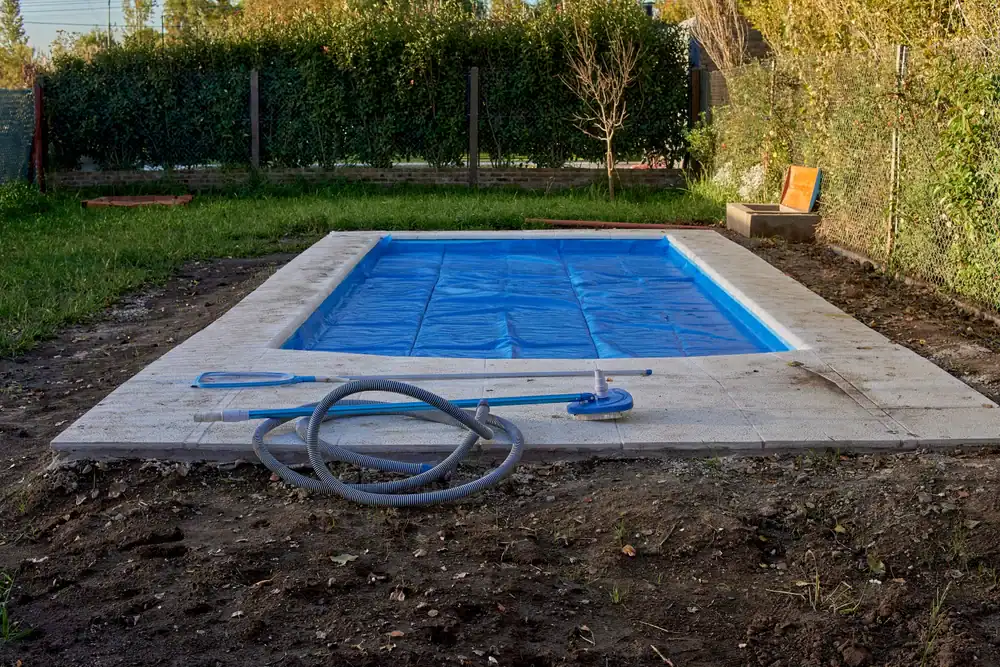
You’re not just adding a pool. You’re creating the spot where your kids want to hang out instead of being glued to screens. Where summer evenings turn into family time without having to leave home. Where you actually use your backyard instead of just mowing it.
A custom inground cement pool changes how you live at home. It’s the difference between saying “we should do something this weekend” and already knowing exactly where you’ll be. Your property value goes up, sure—typically around 7% for homes in your range. But the real return is having a space that’s actually yours, designed how you want it, not picked from three pre-fab options.
This isn’t about keeping up with anyone. It’s about having a backyard that works for how you actually live. Whether that’s lap swimming before work, teaching your kids to dive, or just floating on a Sunday afternoon without fighting traffic to some crowded public pool.
We’ve been building custom inground cement pools across South Georgia since 2014, backed by over 30 years of hands-on construction experience. We’re licensed, insured, and we actually pull the permits—because cutting corners on paperwork means problems down the road that you’ll end up paying for.
Sessoms sits in an area where soil conditions matter. Clay content, drainage patterns, seasonal ground movement—these aren’t small details when you’re excavating and pouring cement. We’ve worked this region long enough to know what holds up and what doesn’t.
You’ll work with the same team from design through completion. No handoffs to subcontractors who’ve never seen your property. We’re members of the Douglas Coffee County Chamber of Commerce, rated 4.7 out of 5 on HomeAdvisor, and we’ve built our reputation on doing what we say we’ll do.
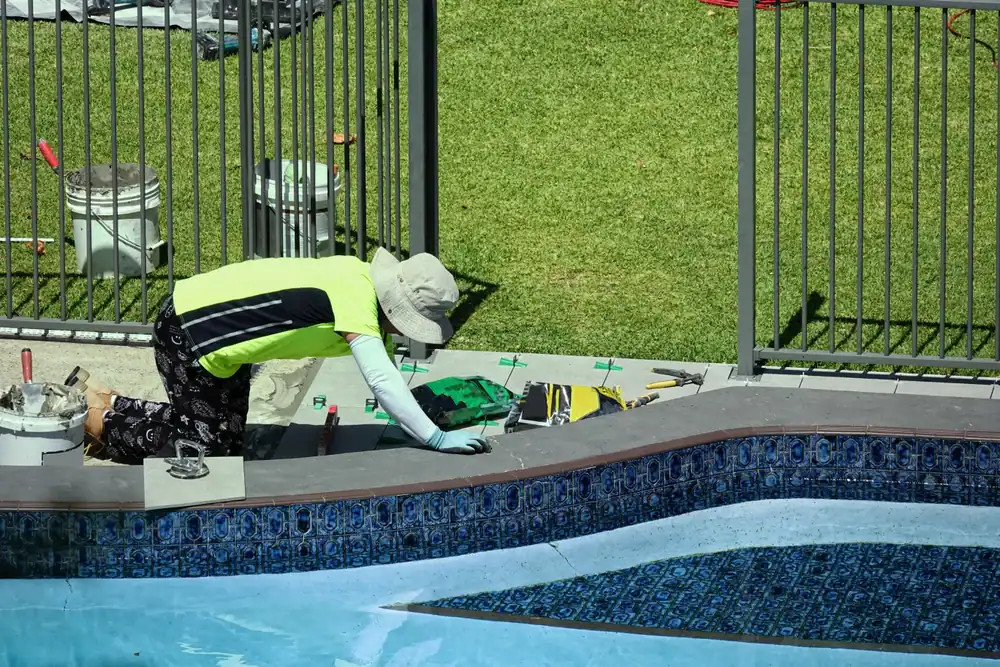
We start with a site evaluation at your property. We’re looking at slope, drainage, soil type, setback requirements, and where utilities run. This tells us what’s realistic for your lot and what design options make sense. You’ll get honest feedback—if something won’t work well, we’ll tell you before you’re invested.
Next comes design. You tell us how you’ll actually use this pool, and we draw up options that fit your space and budget. Want a shallow play area for younger kids? A deeper end for diving? Built-in seating? We design it custom, not from a catalog. Once you approve the design, we handle all permitting with Coffee County. Georgia requires building permits for all residential pools, and we manage that process so you don’t have to chase down inspectors.
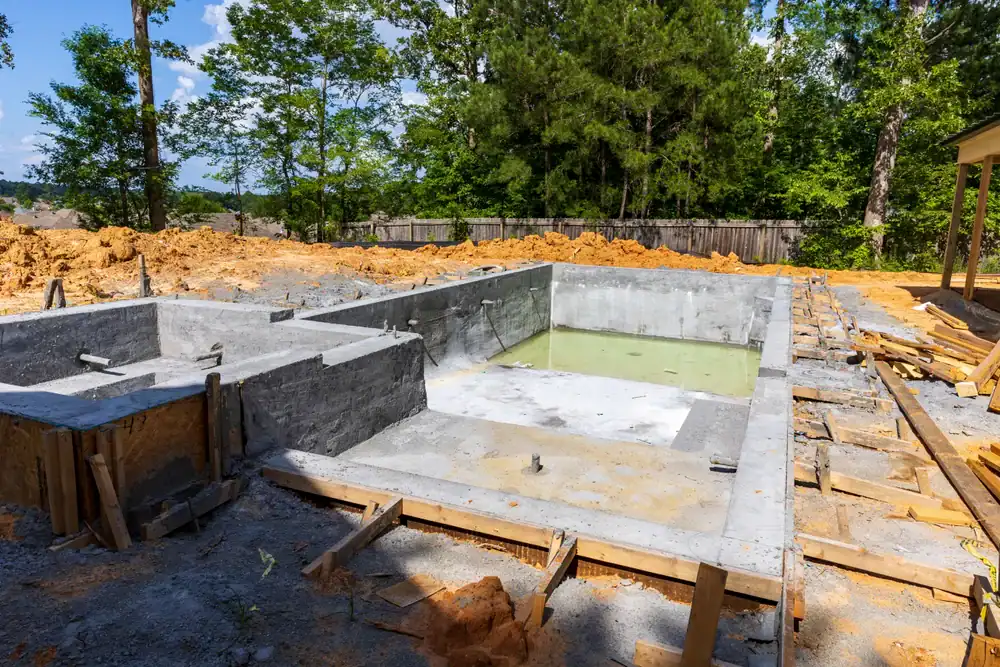
Excavation and construction typically take 8 to 12 weeks from permit approval to completion. Weather delays happen—Georgia summers bring afternoon storms—but we keep you updated on realistic timelines. We pour cement, install your equipment (modern, energy-efficient systems), add safety features that meet code, and clean up completely when we’re done. Then we walk you through operating everything before we consider the job finished.
Ready to get started?
Every pool we build in Sessoms is custom cement construction. Not fiberglass shells with limited shapes. Not vinyl liners that need replacing every decade. Cement gives you complete design flexibility and a structure that can last 50+ years with proper care.
Your project includes complete site prep, excavation matched to your soil conditions, cement construction with proper rebar reinforcement, and modern filtration systems designed for energy efficiency. We install safety covers and barriers that meet Georgia’s pool safety requirements—critical when drowning remains the leading cause of unintentional death for children ages 1-4. We’re not trying to scare you; we’re making sure your investment is as safe as it is enjoyable.
You’ll also get realistic guidance on operating costs. Pools in the Sessoms area can run year-round thanks to our climate, but that means thinking through heating costs, chemical maintenance, and equipment efficiency from the start. We install systems that minimize ongoing expenses because a pool you can’t afford to run isn’t much of an investment. And when we’re done, your property gets a complete backyard transformation—not just a hole with water in it.
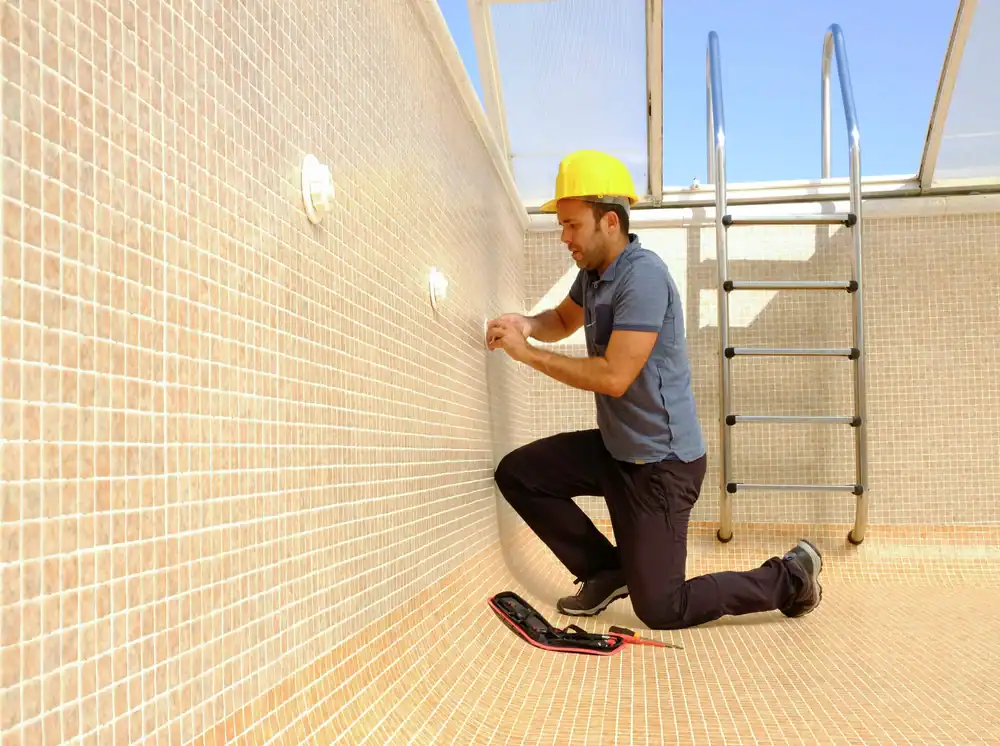
From permit approval to completion, expect 8 to 12 weeks for a custom cement pool. That timeline assumes normal weather and no major surprises during excavation—though Georgia soil can occasionally throw curveballs.
The permitting phase adds time upfront. Coffee County requires building permits for all residential pools, and approval can take 2 to 4 weeks depending on their workload and whether your design needs any variance approvals. We handle that entire process, but it’s worth knowing it exists before you set expectations with your family about swim dates.
Weather is the other variable. Summer afternoon thunderstorms can delay concrete pours, and we won’t rush critical steps just to hit an arbitrary deadline. You’re better off with a pool that’s built right than one that’s built fast. We’ll keep you updated throughout, and if delays happen, you’ll know why and what the new timeline looks like.
Cement pools give you complete design freedom and a structure that lasts decades longer. Fiberglass pools come in pre-formed shells—you’re picking from existing molds, which means limited shapes, sizes, and depth options. If your yard has an unusual layout or you want something specific, fiberglass won’t cut it.
Cement also handles Georgia’s soil movement better. Our area has clay-heavy soil that expands and contracts with moisture changes. Cement construction with proper rebar reinforcement flexes with that movement. Fiberglass shells can crack or shift if the ground settles unevenly, and repairs are expensive because you’re dealing with a single molded piece.
Long-term durability is the other factor. A well-built cement pool can last 50+ years. Fiberglass typically needs resurfacing or replacement around the 25-year mark. Yes, cement requires replastering every 10 to 15 years, but that’s a maintenance item, not a structural replacement. You’re investing in something that will outlast fiberglass by decades.
You need a licensed contractor because Georgia law requires proper permits, inspections, and code compliance—and unlicensed builders don’t pull permits. That means when something goes wrong (and it will), you have no recourse and no documentation that the work was done legally. Good luck selling your house later when the buyer’s inspector finds an unpermitted pool.
Licensed contractors also carry insurance that protects you if someone gets hurt on your property during construction. Unlicensed builders don’t. If a worker falls into your excavation or a neighbor’s kid wanders onto your site, you’re liable. That “savings” evaporates fast when you’re facing a lawsuit.
The other issue is quality. Builders who undercut everyone else do it by skipping steps—thinner cement, inadequate rebar, cheaper equipment, no proper drainage. You’ll pay less upfront and then spend years dealing with cracks, leaks, and equipment failures. We’ve repaired enough of those jobs to know the pattern. Spending a bit more now for licensed, insured contractors who do it right means you actually get to enjoy your pool instead of constantly fixing it.
All residential swimming pools in Georgia require a building permit before construction starts. In Sessoms, that means applying through Coffee County’s building department. The permit process includes submitting your pool design, site plan, safety barrier plans, and proof that setback requirements are met. Inspections happen at multiple stages—excavation, rebar placement, plumbing, electrical, and final.
We handle the entire permitting process for you. We submit the applications, coordinate with inspectors, and make sure everything passes on the first try. You don’t have to take time off work to meet inspectors or figure out what documentation Coffee County needs. That’s part of what you’re paying us for.
Permit costs vary based on pool size and complexity, but budget around $200 to $500 for the building permit itself. Electrical and plumbing permits are separate and depend on what equipment you’re installing. Some neighborhoods also have HOA requirements on top of county permits, so we check that early in the process. Skipping permits isn’t an option—unpermitted pools create legal and financial headaches when you try to sell your property.
Custom inground cement pools in the Sessoms area typically range from $50,000 to $100,000+, depending on size, features, and site conditions. A basic rectangular pool with standard equipment sits at the lower end. Add custom shapes, water features, built-in seating, upgraded finishes, or challenging excavation, and costs go up.
Your specific property affects pricing. If we hit rock during excavation, that adds equipment and labor costs. If your lot has significant slope, we need retaining walls or additional grading. If access is tight and we can’t get large equipment to the backyard easily, that slows the process. We’ll identify these factors during the site evaluation so you get an accurate estimate, not a lowball number that climbs once we start digging.
Financing is available if you don’t want to pay the full amount upfront. Many homeowners use home equity lines or pool-specific financing to spread costs over time. Operating costs are separate—expect $100 to $200 monthly for electricity, chemicals, and routine maintenance, though energy-efficient equipment and proper design can keep that on the lower end. We’ll walk through all of this during your consultation so you know exactly what you’re committing to.
Cement pools need regular chemical balancing, filter cleaning, and surface maintenance. Georgia’s warm climate means you can use your pool nearly year-round, but it also means algae growth happens faster and chemical levels shift more frequently than in cooler states. You’ll test and adjust pH, chlorine, and alkalinity weekly during swim season—more often if the pool gets heavy use.
Filter cleaning depends on your system type. Cartridge filters need rinsing every few weeks and replacement annually. Sand filters need backwashing monthly and media replacement every 5 to 7 years. DE filters are the most efficient but require the most maintenance. We’ll recommend a system based on how hands-on you want to be versus how much you want to spend on automation.
Replastering happens every 10 to 15 years as the interior surface wears down. That’s a $5,000 to $10,000 project, but it’s planned maintenance, not an emergency repair. Between replastering, you’ll need to address minor cracks or stains as they appear—catch them early and repairs are cheap. We train you on everything during handoff, and we’re available if questions come up later. Most owners handle weekly maintenance themselves and hire professionals for seasonal opening/closing and equipment servicing.