

Hear from Our Customers
You’re not looking for someone to skim leaves once and call it done. You need consistent chemical balancing that prevents algae before it starts, equipment checks that catch problems early, and water quality you can trust when your kids jump in.
Most pool owners in Millwood deal with the same frustration: spending Saturday mornings testing pH levels, vacuuming debris, and trying to figure out why the water still looks cloudy. Then there’s the equipment you’re supposed to check but honestly don’t know what you’re looking at.
Professional pool cleaning service means showing up every week, handling the chemistry correctly, and spotting the small issues before they turn into expensive repairs. Your pump runs efficiently. Your filter stays clean. Your water stays balanced, even during Georgia’s humid summers when algae loves to take over.
Deep Waters Pools has been maintaining residential pools in Millwood and throughout Douglas County for over 30 years. We’re licensed, insured, and local – which matters when you’re dealing with Georgia’s clay soil, summer humidity, and the specific water chemistry challenges that come with this area.
We’ve seen what happens when pool maintenance gets skipped or done incorrectly. Pumps burn out from improper chemical levels. Plaster gets stained from unbalanced water. Filters clog because nobody’s checking them regularly.
Our team handles swimming pool service the way it should be done: consistent weekly visits, professional-grade chemicals, and the kind of attention that comes from doing this work in the same community for three decades.
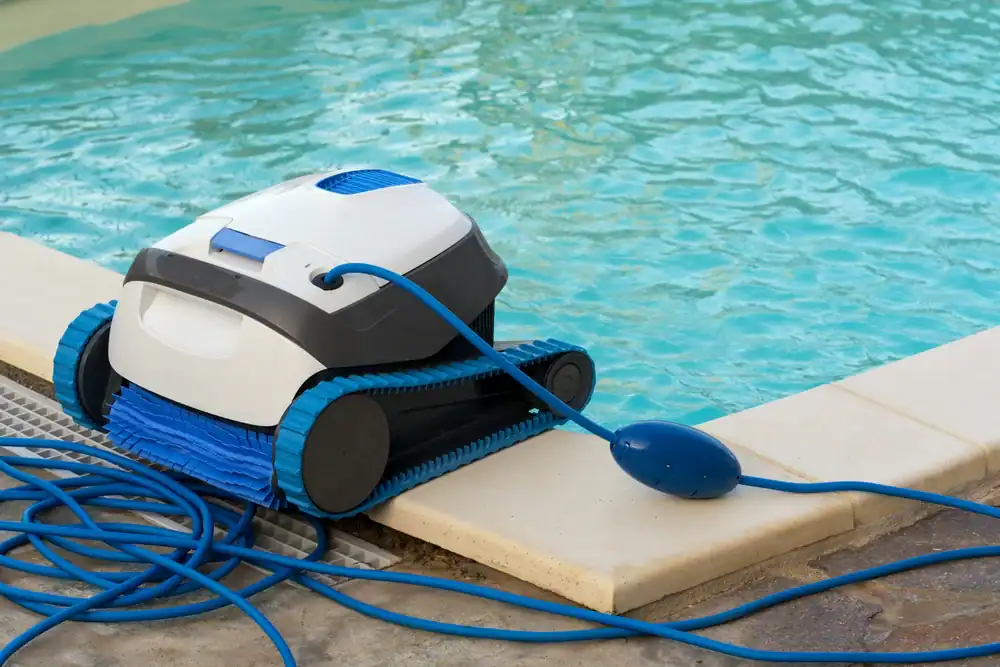
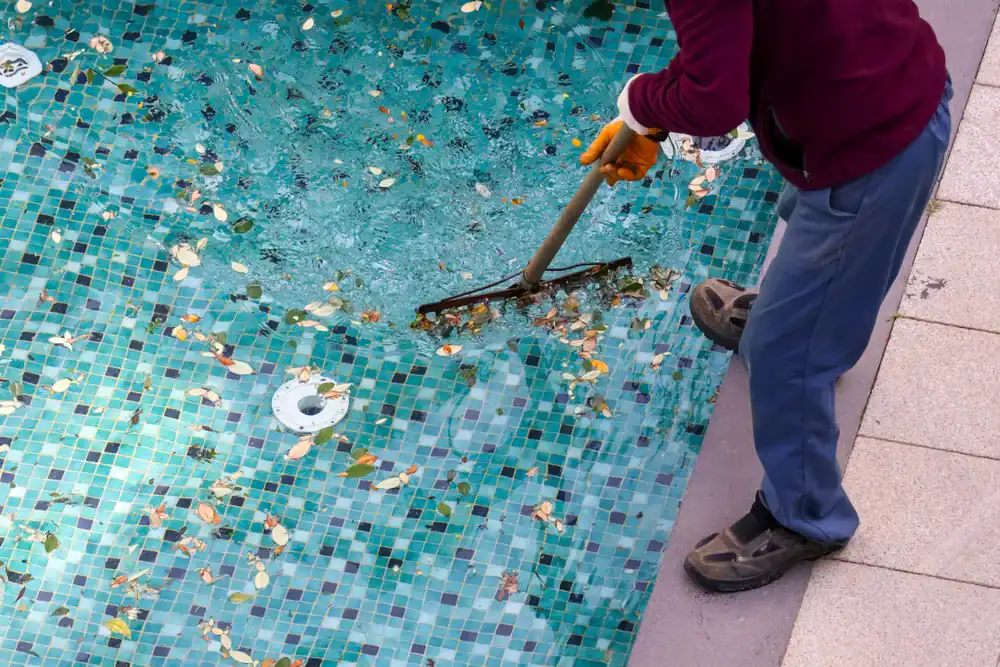
We start with the surface work – skimming debris, brushing walls and steps, and vacuuming the pool floor. This isn’t just cosmetic. Debris left sitting breaks down and throws off your water chemistry.
Next comes the technical part: testing and balancing your water chemistry. We check pH, alkalinity, chlorine levels, and calcium hardness. Then we adjust what needs adjusting using commercial-grade chemicals that work better than what you’ll find at the hardware store. This is where most DIY maintenance falls short – the chemistry has to be precise or you end up with cloudy water, algae growth, or equipment damage.
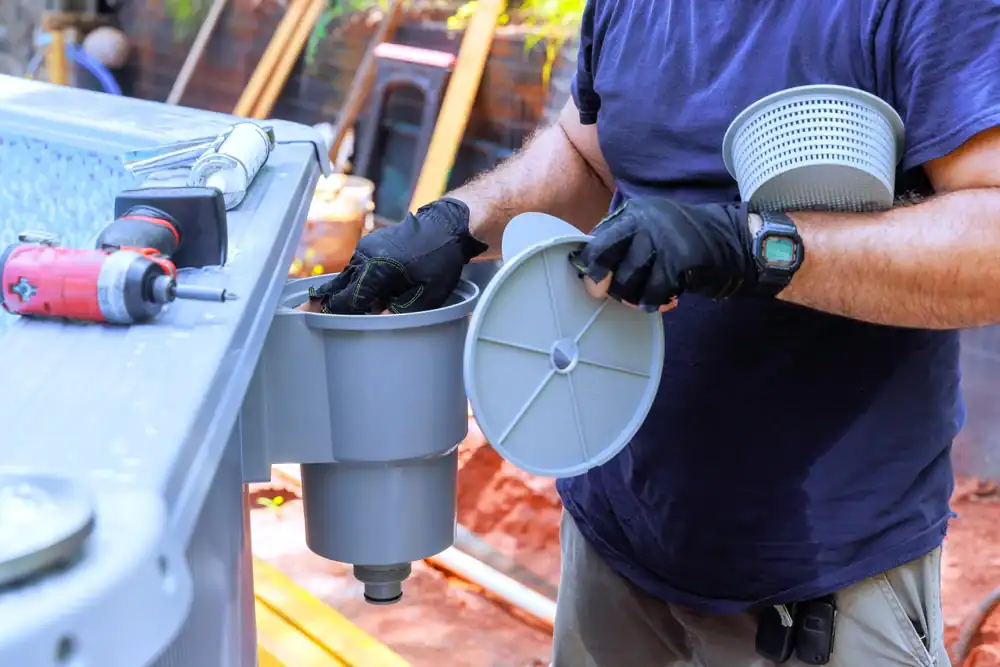
We inspect your equipment during every visit. Pump baskets get emptied. Filter pressure gets checked. We look for leaks, unusual sounds, or anything that signals a problem forming. Catching a small issue now saves you from a major repair bill later.
Before we leave, we make sure your pool is swim-ready. If something needs your attention, we’ll let you know what it is and why it matters. No upselling, just straight information about your pool’s condition.
Ready to get started?
Every service visit covers the full scope of pool care: surface cleaning, chemical testing and balancing, equipment inspection, and water quality management. You’re not paying for a quick skim and chemical dump – you’re getting comprehensive care that addresses everything your pool needs to stay functional and safe.
Millwood’s climate creates specific challenges for pool maintenance. High humidity accelerates algae growth. Summer heat increases water evaporation, which concentrates chemicals and throws off balance. Clay soil common in Douglas County can introduce sediment that clouds water and clogs filters. Our residential pool cleaning accounts for these local factors.
We handle the chemistry with precision because that’s where most problems start. Incorrect pH damages plaster and makes chlorine ineffective. Low alkalinity causes pH to swing wildly. High calcium leads to scaling on tile and equipment. We test for all of it and adjust accordingly, using the right products in the right amounts.
Equipment maintenance is part of every visit because your pump, filter, and heater need regular attention to run efficiently. We empty skimmer and pump baskets, check filter pressure, inspect for leaks, and monitor equipment performance. Small adjustments now prevent breakdowns during peak swimming season.
Weekly service is the standard for residential pools in Georgia, and there’s a practical reason for that. Your pool’s chemistry doesn’t stay balanced on its own – chlorine depletes, pH drifts, and debris accumulates constantly.
Going two weeks between services means you’re likely dealing with algae starting to form, chemical levels that have shifted out of range, and debris that’s been sitting long enough to stain surfaces or clog your filter. By the time you see green water or cloudy conditions, you’re already behind and facing a more expensive fix.
Weekly maintenance keeps everything in check before problems develop. We’re adjusting chemistry while it’s still in range, removing debris before it breaks down, and catching equipment issues when they’re still minor. It’s the difference between routine care and emergency repairs.
Chemical balancing means testing and adjusting five key factors: pH, total alkalinity, chlorine levels, calcium hardness, and cyanuric acid. Each one affects how well your pool functions and how long your equipment lasts.
pH controls how acidic or basic your water is. Too low and it corrodes metal parts and etches plaster. Too high and chlorine stops sanitizing effectively, plus you get scaling on tile and equipment. We test it every visit and adjust with either acid or base to keep it in the ideal range of 7.4 to 7.6.
Alkalinity acts as a pH buffer – it keeps pH from swinging wildly when you add chemicals or when rain dilutes your water. Chlorine kills bacteria and algae, but it has to be at the right level to work without irritating skin or damaging pool surfaces. Calcium hardness prevents plaster etching in concrete pools. Cyanuric acid protects chlorine from breaking down in sunlight.
All of these interact with each other, which is why balancing chemicals correctly takes knowledge and experience. We’re making adjustments based on current readings, weather conditions, and how your specific pool responds.
You can, but it usually costs more in the long run. Most pool equipment damage we see comes from inconsistent maintenance or incorrect chemical use – not from the equipment itself failing.
A pump that runs with improper water chemistry wears out faster. A filter that doesn’t get cleaned regularly loses efficiency and has to work harder, which shortens its lifespan. Plaster that sits in unbalanced water gets etched or stained, requiring expensive resurfacing years earlier than necessary.
The other issue is that by the time something “goes wrong” enough for you to notice, the damage is already done. Green water means algae has been growing for days. A loud pump means bearings are already wearing out. Cloudy water means your filter has been struggling for a while.
Regular professional service catches these issues early when they’re cheap and easy to fix. We’re checking equipment performance, monitoring trends in your water chemistry, and addressing small problems before they become expensive ones. Most of our long-term customers spend less on pool care overall because they’re not dealing with major repairs every few years.
Your water should be clear enough to see the bottom drain clearly. That’s the baseline. If you’re seeing cloudiness, algae on the walls, or debris sitting on the bottom between service visits, something’s not being handled correctly.
Chemical levels should stay consistent week to week. You shouldn’t be dealing with pH that swings wildly or chlorine that drops to zero a few days after service. Good chemical balancing means stable water that stays in range between visits.
Your equipment should run quietly and efficiently. If your pump is making new noises, your filter pressure is climbing, or your system seems to be working harder than usual, those are signs that maintenance is being missed or done incorrectly.
A good pool service technician will also communicate with you about what they’re seeing. If your pool is using more chlorine than usual, there’s a reason – maybe algae is starting to form, maybe your cyanuric acid is low, maybe there’s an issue with circulation. You should know what’s happening with your pool, not just get a bill every month.
Georgia doesn’t really have an off-season for pools the way northern states do. Temperatures in Millwood stay mild enough through fall and winter that your pool still needs regular maintenance, just less frequent than summer.
Your water chemistry still shifts even when nobody’s swimming. Leaves and debris still fall in. Algae can still grow in water that’s above 60 degrees, which happens plenty during Georgia winters. Your equipment still needs to run periodically to prevent seals from drying out and pumps from seizing.
Most pool owners in Douglas County reduce service frequency to every other week or monthly during cooler months, depending on whether they have a pool cover and how much debris their yard produces. But completely stopping maintenance usually means you’re dealing with green water and equipment issues when spring arrives.
We adjust our service approach based on the season. Winter visits focus more on debris removal and equipment checks, with less intensive chemical management since the water isn’t being used. But we’re still keeping an eye on everything so your pool is ready when temperatures climb again.
Weekly pool cleaning service in Douglas County typically runs between $100 and $150 per month for standard residential pools, depending on pool size, equipment complexity, and what’s included in the service. That covers regular surface cleaning, chemical balancing, and basic equipment checks.
Larger pools, pools with attached spas, or pools with older equipment that needs more attention will be on the higher end. Pools with significant shade coverage that deal with more debris may also cost more because they require additional cleaning time.
Chemicals are usually included in that monthly rate, though some companies charge separately for them. We include professional-grade chemicals in our service because we can control quality and ensure we’re using the right products for your specific pool conditions.
The cost makes sense when you consider what you’re avoiding: a pump replacement runs $800 to $1,500, resurfacing a pool costs $5,000 or more, and fixing chemical damage to equipment adds up quickly. Regular maintenance is cheaper than reactive repairs, and it keeps your pool usable instead of dealing with downtime while something gets fixed.