
Hear from Our Customers
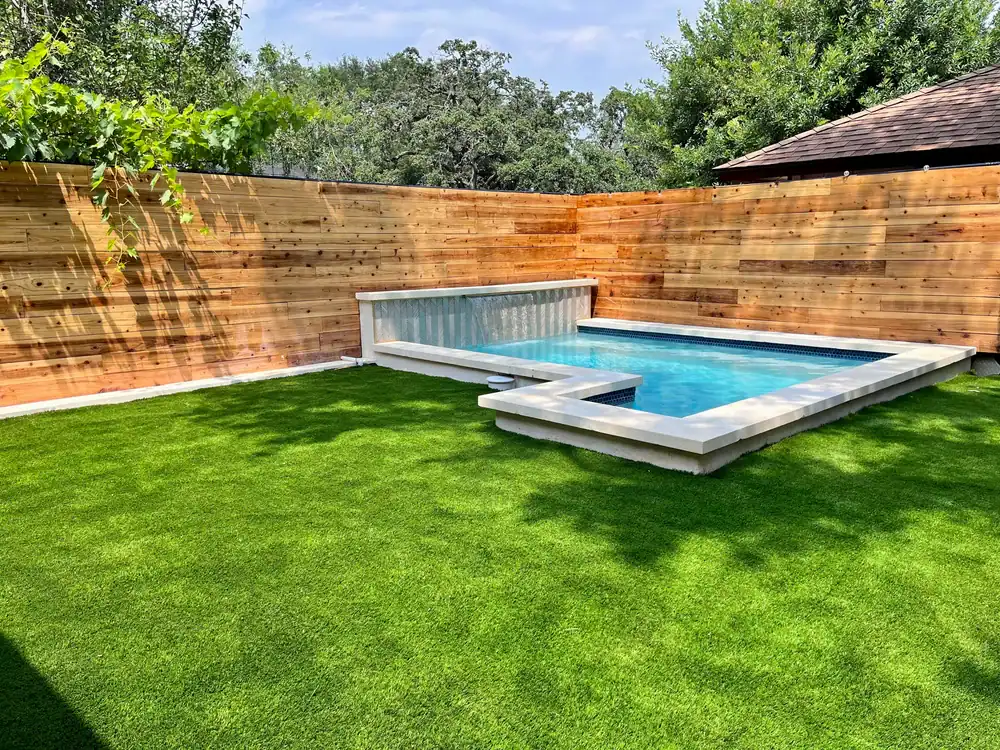
You’re not just getting a hole filled with water. You’re getting a backyard that changes how your family spends their time at home.
Imagine summer evenings where the kids are outside instead of glued to screens. Where you’re hosting friends instead of wishing you had space to entertain. Where your home feels like the vacation spot instead of the place you’re trying to escape from.
That’s what happens when inground pool installation in Georgia is done by people who’ve been doing this for over 30 years. You get a pool that fits your property, handles our clay soil without cracking, and actually increases your home’s value by up to 7%. You get a space that works for your life, not just a design that looked good on paper.
The difference between a pool you love and one you regret comes down to who builds it and whether they understand what you’re dealing with here in South Georgia.
We’ve been serving Alma, Douglas, and the surrounding South Georgia area since 2014, but the experience behind every project goes back over 30 years. That’s three decades of working with concrete, understanding local soil conditions, and navigating Georgia’s permit requirements.
You’re working with people who’ve seen what happens when shortcuts are taken. Who know which construction methods hold up in our climate and which ones fail. Who’ve built relationships with local building departments so your permits don’t sit in limbo for weeks.
When you’re making a significant investment in your property, you need contractors who’ve done this enough times to anticipate problems before they happen. That’s what you get here.
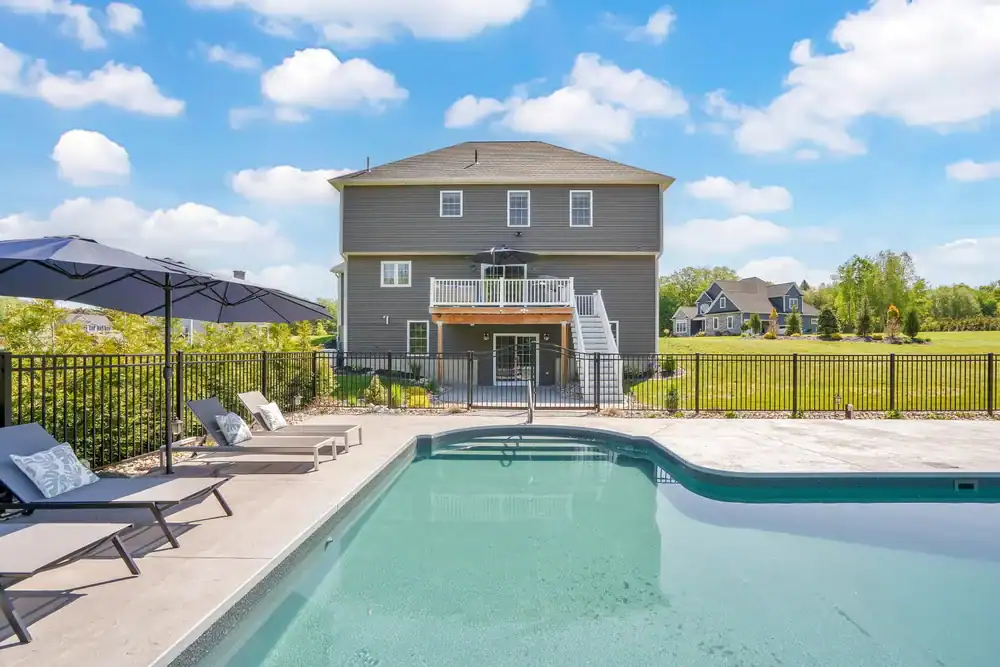
First, we come to your property and evaluate what we’re working with. Soil type, drainage, access for equipment, setback requirements. This isn’t a quick walk-around—it’s a real assessment that determines how your pool needs to be engineered.
Then we design something that actually fits your space and how you’ll use it. Not a template design, but a custom layout that considers your lot, your budget, and what you want this pool to do for your family.
Once you approve the design, we handle every permit and application your project needs. You’re not calling the building department or figuring out safety barrier codes—that’s on us.
Construction starts with excavation, then steel reinforcement, then shotcrete or gunite application. We’re building a structure that’s engineered for your specific site conditions. Plumbing, electrical, filtration systems, finishing—all of it happens in sequence with quality checks at every stage.
Most projects take 8 to 12 weeks from permit approval to completion. Weather can affect that timeline, especially during summer storm season, but we build buffer time into the schedule so quality doesn’t get sacrificed to hit an arbitrary deadline.
Ready to get started?
You’re getting complete site evaluation before anything gets designed. That means understanding your soil type, drainage patterns, and any site-specific challenges that affect construction.
Custom design comes next—a pool layout created specifically for your property and how you plan to use the space. You’re involved in this process, not handed a pre-drawn plan.
All permits and applications are handled by us. In Georgia, every residential pool requires a building permit, and local jurisdictions have specific requirements beyond state code. We manage that entire process, including site plans and safety barrier documentation.
The construction itself includes professional excavation, steel reinforcement installation, shotcrete or gunite application, plumbing, electrical work, filtration system installation, and finishing. You’re also getting proper cleanup and training on how to maintain your new pool.
In Alma and the surrounding area, soil conditions vary significantly. Clay-heavy soil requires different engineering than sandy soil. Concrete pools give us the flexibility to build a structure that’s properly reinforced for whatever your property presents. That’s why we focus on gunite and shotcrete construction—it’s the most durable option for South Georgia’s conditions.
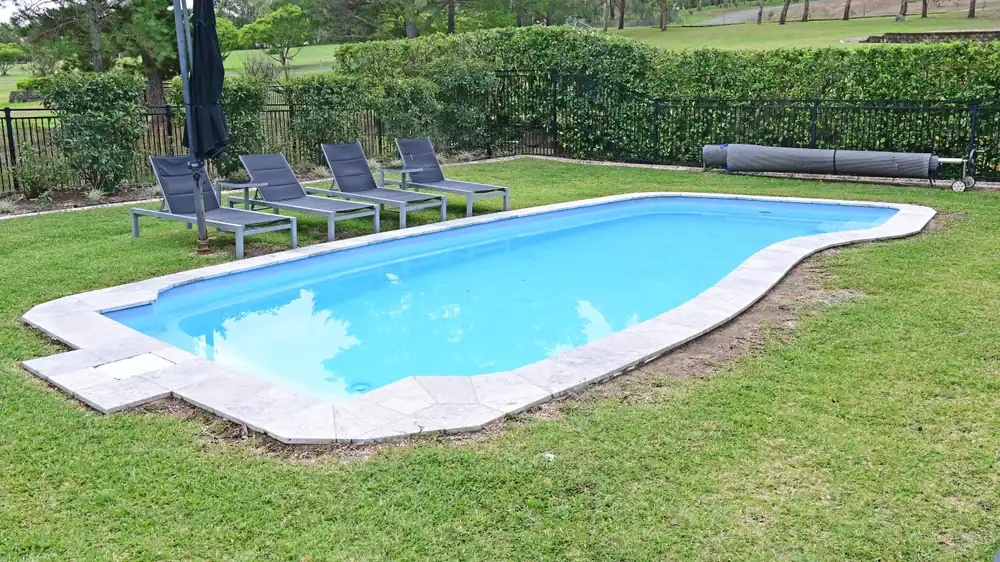
Most custom inground pool projects take 8 to 12 weeks from the time permits are approved to final completion. That timeline covers excavation, steel installation, shotcrete application, plumbing, electrical, equipment installation, and finishing work.
Weather affects this timeline more than most people expect. Summer storms can delay concrete work, and Georgia’s storm season runs right through peak pool construction months. Responsible contractors build buffer time into schedules rather than promising unrealistic deadlines that force rushed work.
Permit approval adds time before construction even starts. Depending on your local building department’s workload and how quickly inspections get scheduled, you might wait a few weeks before breaking ground. Working with contractors who have established relationships with local building departments helps move this process along, but it’s still a variable you need to plan for.
Concrete pools cost more because you’re getting a custom-built structure engineered specifically for your property, not a pre-formed shell dropped into a hole. Every concrete pool is designed around your space, your soil conditions, and exactly what you want.
Fiberglass pools come in limited shapes and sizes. If one of those shapes works for your yard and your vision, they’re a faster install. But if you want something specific—a particular depth, a custom shape, integrated spa, or design that fits an irregular lot—concrete is your only real option.
The other factor is longevity and durability. Concrete pools, when properly built for Georgia’s soil conditions, handle ground movement and settling better than fiberglass. They don’t flex or crack at the gel coat. They can be refinished and updated decades down the road. You’re paying more upfront for a structure that’s built to last and adapt as your needs change.
Every residential swimming pool in Georgia requires a building permit before construction starts. That’s state law, and local jurisdictions add their own requirements on top of the state code.
Your permit application includes site plans showing the pool location, setback distances from property lines, and how the design meets safety barrier requirements. Georgia follows the International Swimming Pool and Spa Code, which has specific rules about fencing, gates, alarms, and covers.
Some areas also require separate electrical and plumbing permits depending on the scope of work. If you’re adding outdoor lighting, running new electrical service, or making significant plumbing connections, those might need their own approvals.
The good news is that we handle this entire process. We prepare the applications, submit the documentation, coordinate inspections, and make sure everything meets code. You shouldn’t be figuring out setback requirements or barrier codes—that’s part of what you’re hiring us to manage.
A professionally installed inground pool typically increases home value by up to 7% in markets where pools are desirable. In South Georgia, where warm weather extends the swimming season significantly, pools are generally seen as valuable amenities rather than maintenance burdens.
That said, you won’t get back every dollar you spend. Pools add value, but they’re not pure financial investments—they’re lifestyle investments that happen to have some financial upside. The real return is in how you use your property and whether the pool changes how your family enjoys being home.
The quality of the installation matters enormously for resale value. A well-built concrete pool with modern equipment and good design adds appeal. A poorly constructed pool with visible problems becomes a liability that scares off buyers or gives them negotiating leverage.
If you’re planning to sell within a year or two, a pool probably doesn’t make financial sense. If you’re staying in your home and want the lifestyle benefits, the modest value increase is a nice bonus on top of years of use and enjoyment.
Most yards can accommodate a pool, but the specifics of your soil, drainage, and access determine what’s involved in construction. That’s why site evaluation happens before design work begins.
Soil type is the biggest factor. Clay soil, which is common in parts of South Georgia, requires proper engineering to prevent settling and cracking. Sandy soil drains differently and needs different considerations. We evaluate your specific soil conditions and design the pool structure accordingly.
Drainage matters because you can’t have a pool that collects runoff from your yard or that creates drainage problems for neighboring properties. We look at how water moves across your lot and plan grading and drainage solutions as part of the project.
Access is practical but important. Equipment needs to reach your backyard—excavators, concrete trucks, cranes for setting equipment. If access is limited, it affects the construction approach and sometimes the cost. Most properties have workable access, but it’s something we assess upfront so there are no surprises once work begins.
Gunite and shotcrete are both methods of applying concrete to build pool shells, and they’re similar enough that most people use the terms interchangeably. The technical difference is when water gets added to the mix—gunite adds water at the nozzle, shotcrete is pre-mixed.
Both methods create strong, durable concrete pools that can be shaped to any design. Both require skilled applicators who know how to achieve proper density and avoid weak spots. The end result, when done correctly, is essentially the same—a reinforced concrete structure built specifically for your property.
What matters more than the specific application method is the overall construction quality. Proper steel reinforcement, correct concrete mix for local conditions, adequate curing time, and experienced crews make the difference between a pool that lasts decades and one that develops problems.
When you’re evaluating pool contractors, focus less on whether they say “gunite” or “shotcrete” and more on their experience with concrete pool construction in South Georgia. Ask about how they handle soil conditions, what their typical timeline looks like, and how they manage the permit process. Those factors affect your outcome more than the technical terminology.