
Hear from Our Customers
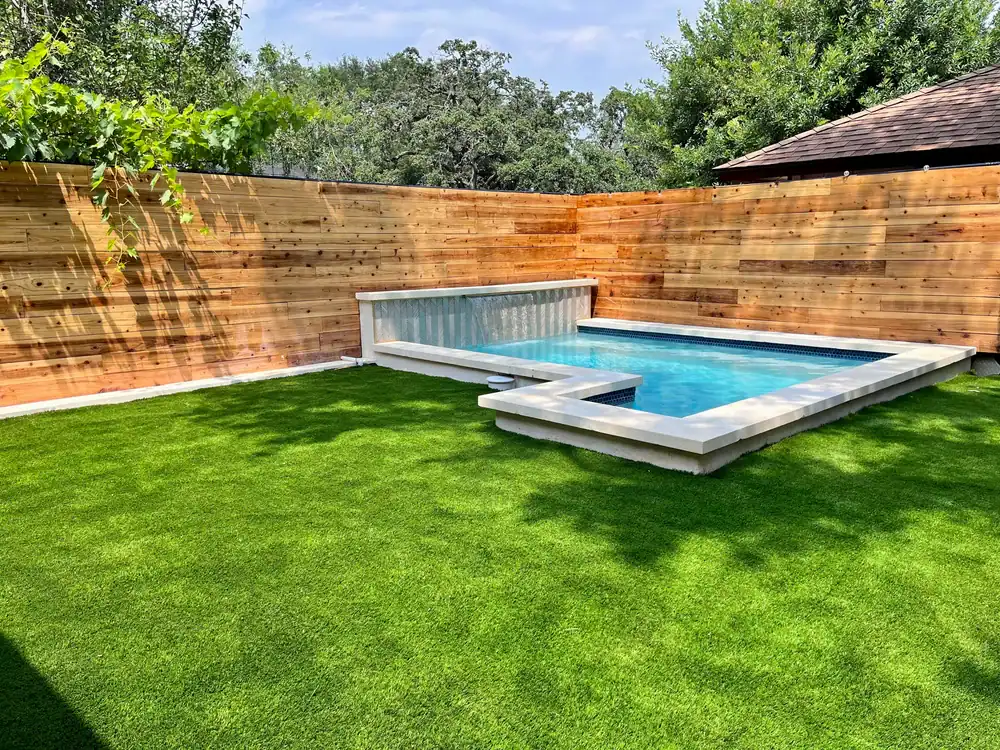
You’re not just getting a hole filled with water. You’re getting a backyard that becomes the reason your family stays home on weekends instead of looking for something to do.
The pool gets used. The kids actually want to be outside. Your property value jumps—not by a little, but enough that appraisers take notice. And when summer hits in Brooker, you’re not scrambling for plans or driving somewhere else to cool off.
But here’s what matters more than any of that: you’re not dealing with cracks two years in, or contractors who ghost you when something needs fixing. Custom gunite pool construction means the structure is solid, the finish holds up under Georgia heat, and the design fits your yard—not some template we’ve used on fifty other jobs. You get something built to last, not built to sell.
We’ve been handling inground pool installation in Georgia long enough to know what works here and what doesn’t. We’re based in Douglas County, so we’re not some out-of-state crew learning your soil conditions on your dime.
Brooker properties come with their own challenges—clay soil, tree roots, water tables that shift depending on the season. We’ve seen it all. We know how to prep the site, how to reinforce the structure, and how to build something that handles freeze-thaw cycles without cracking.
We’re not the cheapest option, and we won’t pretend to be. But we show up when we say we will, we don’t cut corners to save a few bucks, and we don’t leave you hanging when the job’s done. That’s why people call us back when their neighbors start asking questions.
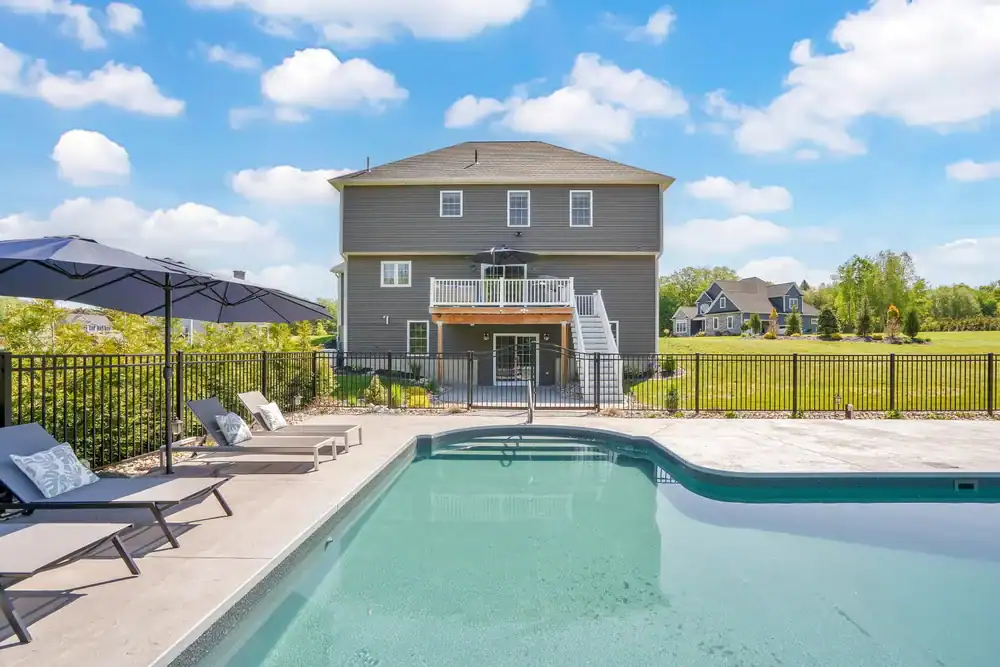
First, we come out to your property in Brooker and walk the yard with you. We’re looking at slope, drainage, soil type, and where utilities run. This isn’t a sales pitch—it’s a real site assessment so we know what we’re working with before we quote you.
Once you approve the design, we pull permits and schedule excavation. We dig, grade, and prep the site. Then we build the steel framework and shoot the gunite or shotcrete—that’s the structural shell that makes your pool last. This part matters more than anything else, and it’s where cheaper crews cut corners.
After the shell cures, we install plumbing, electrical, and filtration. Then comes tile, coping, and your finish. Finally, we fill it, balance the water, and walk you through everything you need to know. Start to finish, you’re looking at two to four months depending on weather and your design complexity. We’ll give you a real timeline upfront—not best-case fantasy numbers.
Ready to get started?
You’re getting full custom design based on your yard and how you’ll actually use the pool. We’re not handing you a brochure with six pre-drawn shapes. If your lot has a weird angle or you want a specific depth for diving, we build for that.
The construction itself is gunite or shotcrete—both are cement-based and built to last in Georgia’s climate. We handle all the structural work, plumbing, electrical, filtration, and finish. You’re also getting proper coping and decking so the edges don’t crack or shift after a season.
In Brooker, soil conditions mean we often add extra reinforcement and adjust our drainage plan. We’ve dealt with clay-heavy yards that hold water and sandy spots that shift. We know how to prep for it. And because we’re local to Douglas County, we’re handling permits and inspections without you having to chase down county offices or figure out codes yourself. You get one point of contact and a pool that’s built to code the first time.
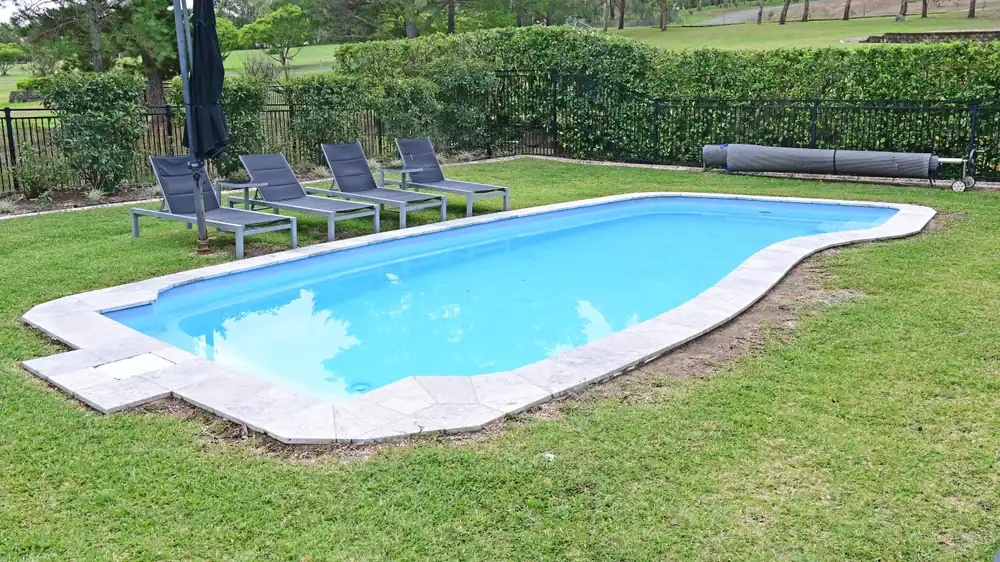
Most custom inground pools in this area run between $39,000 and $70,000, with the average landing around $55,000. That’s for a full gunite pool with standard finishes, basic decking, and equipment.
If you want custom tile, a spa, or upgraded automation, expect to add $10,000 to $20,000. If your yard has access issues, heavy rock, or needs significant grading, that’ll affect the price too. We’ve had projects in Brooker where we had to bring in extra equipment just to get to the backyard—that adds cost, but it’s not something we can predict until we see the site.
The cheapest bid isn’t always the best move. If someone’s coming in way under everyone else, they’re either cutting corners on rebar, using thinner gunite, or planning to upsell you later. We price it right the first time so there aren’t surprises halfway through.
Two to four months from the day we break ground to the day you’re swimming. That assumes normal weather and no major surprises underground.
The timeline breaks down like this: excavation and steel take about a week, gunite shoot and cure takes another week or two, then plumbing and electrical, then finish work and decking. The curing process can’t be rushed—if we try, the structure won’t hold up long-term.
Weather delays are real in Georgia. If we get a week of heavy rain during excavation, we’re not pouring gunite into a muddy hole. If it’s a mild spring, we move faster. If you’re booking for summer installation, know that we’re usually scheduled out a few months. Most people who want a pool ready by Memorial Day are calling us the previous fall.
They’re both cement-based and they’re both strong—the difference is mostly in how they’re mixed and applied. Gunite is dry-mixed and water gets added at the nozzle. Shotcrete is pre-mixed with water before it’s sprayed.
For your purposes as a homeowner in Brooker, both give you a durable, long-lasting pool. Gunite has been the industry standard for decades. Shotcrete has gained ground because it’s a little more consistent in wet conditions. We use both depending on the project and conditions.
What matters more than which one we use is how thick we spray it, how much rebar we use, and how well we cure it. A thin gunite shell with minimal rebar will crack faster than a properly built shotcrete pool. The structure and the crew matter more than the material name.
Yes, but it takes more planning and sometimes more cost. Slopes aren’t a dealbreaker—we’ve built pools on some steep Brooker lots. We just have to grade properly, add retaining walls if needed, and make sure drainage doesn’t wash out your yard during heavy rain.
Trees are trickier. If there are roots running through where the pool needs to go, we’ll have to remove them. That can mean cutting down a tree or working around it, depending on the species and how close it is. Pines have shallow roots that spread wide. Oaks go deep but their canopy drops debris. We’ll walk the site with you and tell you what’s realistic.
The bigger issue is usually access. If we can’t get a backhoe to your backyard, we’re looking at smaller equipment or hand-digging in spots, and that adds time and cost. We’ve done it, but it’s something we need to know upfront so we can bid it correctly.
Yes. Georgia law requires a barrier around any pool that’s more than 24 inches deep, and that includes most inground pools. The fence has to be at least four feet high with a self-closing, self-latching gate.
Some people use their existing yard fence if it meets code. Others add a separate pool fence just around the pool area. We’ll tell you what’s required when we pull your permit, but plan for it in your budget if you don’t already have compliant fencing.
This isn’t just a legal thing—it’s a safety thing. If you have kids, or if neighbors have kids, a fence is the difference between a fun backyard feature and a liability. We also recommend pool covers for off-season or when the pool isn’t being supervised. It’s an extra layer of protection that makes sense, especially if you’ve got young children around.
Weekly skimming, chemical balancing, and filter cleaning. That’s the baseline. If you stay on top of it, the pool stays clear and the equipment lasts longer. If you let it slide, you’re dealing with algae, stains, and expensive repairs.
Every few months, you’ll need to brush the walls and vacuum the floor. Your filter needs backwashing or cartridge cleaning depending on what type you have. And you’ll want to test your water at least twice a week during swim season to keep pH and chlorine levels where they need to be.
Every few years, you’ll need to resurface the pool. Plaster finishes typically last 7 to 10 years before they start showing wear. Aggregate finishes last longer but cost more upfront. We’ll walk you through what to expect when we’re designing your pool so you’re not surprised five years down the road. A lot of people also hire a pool service to handle weekly maintenance—it’s worth it if you don’t want to deal with chemistry and equipment yourself.