
Hear from Our Customers
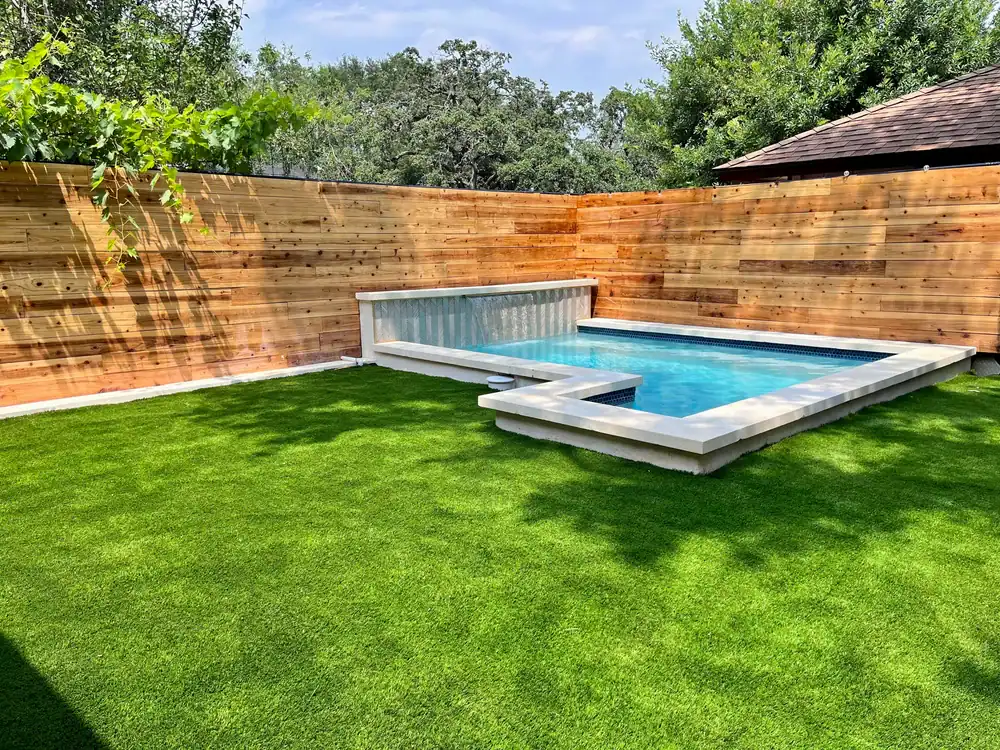
You’re not just getting a hole filled with water. You’re getting a backyard space where your kids actually want to spend time instead of staring at screens. Where summer weekends feel different. Where you stop talking about “someday” and start living in it.
But here’s what matters before any of that: the pool needs to be built correctly. That means handling Douglasville’s red clay soil without shortcuts. It means gunite construction that won’t crack in two years. It means a crew that shows up when they say they will and finishes without dragging the job into next season.
You’ll know within the first conversation whether someone’s done this before or just watched a YouTube video. We’ve been doing this since 2014, and before that, over 30 years of hands-on concrete and excavation work. You’re not our trial run.
Deep Waters Pools started in 2014, but the experience behind it goes back decades. We’re not a franchise or a crew that showed up last year when pools got popular again. We’ve worked through Georgia’s soil conditions long enough to know what actually works and what’s going to cost you money later.
Douglasville homeowners deal with red clay, unpredictable drainage, and soil that shifts. If your pool contractor doesn’t account for that during excavation and construction, you’ll pay for it in cracks, leaks, and repairs. We build with shotcrete and gunite because it’s stronger and lasts longer in these conditions.
We’re licensed, insured, and local. You’ll work with the same people from design to cleanup, and if something needs adjusting, you’re not calling a 1-800 number.
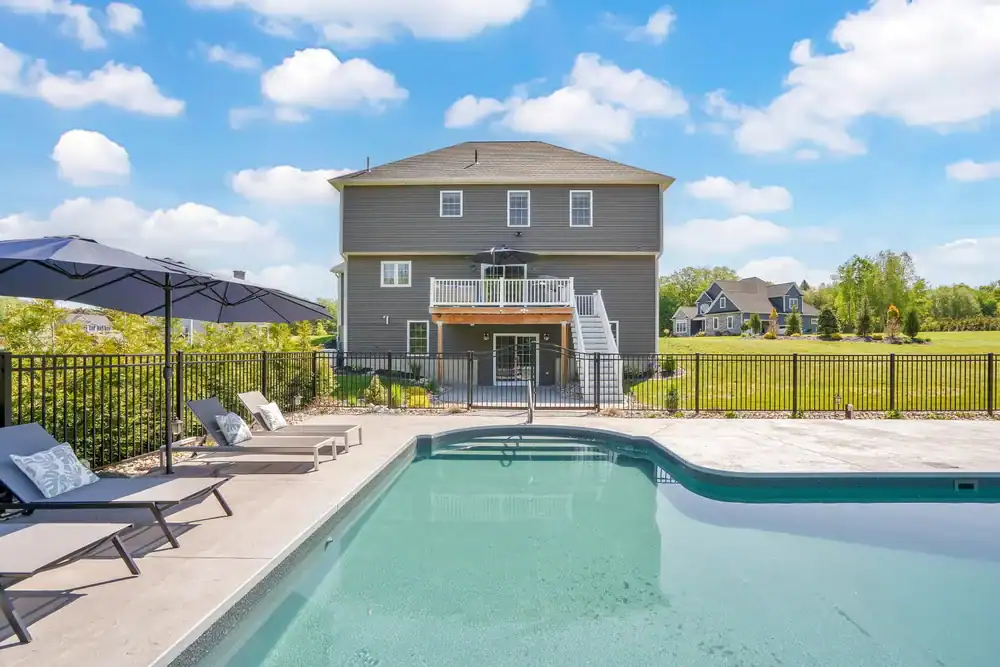
First, we come out and look at your yard. Not just measurements—we’re checking soil conditions, drainage, access for equipment, and any obstacles that’ll add time or cost. If there’s an issue, you’ll know before we start digging, not halfway through the job.
Once the design’s locked in and permits are pulled, excavation starts. This is where Georgia’s red clay becomes a problem if you don’t have the right equipment. We use specialized machinery that can handle the soil without tearing up your property or adding weeks to the timeline.
After excavation, we install plumbing and steel reinforcement. Then comes the gunite or shotcrete application—this is the structure of your pool. It’s sprayed in layers and needs time to cure properly. Rushing this step is how pools crack. We don’t rush it.
From there, it’s tile, coping, decking, and finishing work. Then equipment installation, startup, and a walkthrough so you know how to maintain what you just paid for. The whole process typically takes 8-12 weeks, depending on weather, permitting, and site conditions. We’ll give you a realistic range upfront, not a best-case fantasy.
Ready to get started?
You’re getting a custom-designed gunite or shotcrete pool built specifically for your yard and your family’s needs. That includes full excavation, steel reinforcement on 8-inch centers (because Georgia soil demands it), plumbing, electrical, and all the structural work that makes a pool last 30+ years instead of needing repairs in five.
We handle the design process with you—not a sales guy who disappears after you sign. You’ll pick your shape, depth, features, and finishes. If you want a spa, sun shelf, or custom lighting, we build it in from the start. If you don’t need it, we don’t upsell it.
Douglasville’s market has seen a steady increase in custom pool builds, especially in neighborhoods where property values have climbed over $300,000. Homeowners here aren’t just adding pools—they’re adding outdoor living spaces that include patios, seating areas, and landscaping. We can coordinate all of that or just focus on the pool. Your call.
You’ll also get a walkthrough on maintenance and equipment operation. Pool ownership in Georgia means managing chemicals, cleaning, and seasonal prep. We’ll make sure you know what you’re doing before we leave, so you’re not guessing or calling us every week.
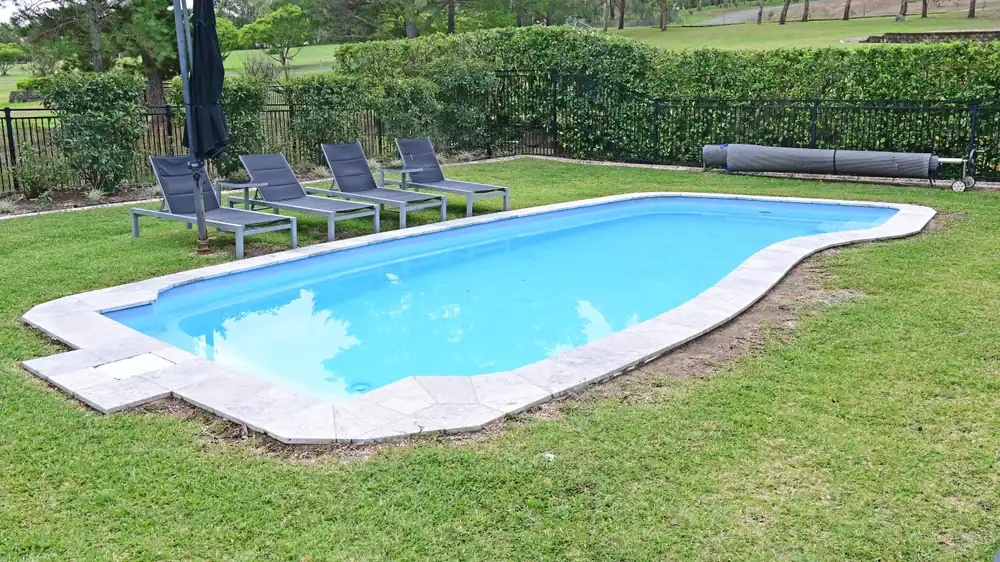
Most custom gunite pools take 8 to 12 weeks from excavation to completion. That’s not a guarantee—it’s a realistic range based on normal conditions.
Permitting in Douglas County can add a week or two depending on the season and how backed up the county is. Excavation itself usually takes a few days, but if we hit underground obstacles like old tree roots, buried utilities, or rock, that adds time. Weather delays are real too—you can’t pour gunite in freezing temps or heavy rain.
The curing process alone takes time. Gunite needs to cure properly or you’ll end up with cracks. We’re not rushing that step to hit some arbitrary deadline. If a contractor promises you 6 weeks start to finish, ask what they’re skipping.
Red clay soil expands and contracts with moisture, and it doesn’t drain well. If your pool isn’t built to handle that, you’ll see cracks, shifting, and structural problems within a few years.
That’s why we use extra steel reinforcement—bars on 8-inch centers instead of the standard 12-inch spacing. It’s also why excavation equipment matters. Red clay is dense and sticky. If your crew shows up with the wrong machinery, they’ll either tear up your yard or take three times longer than expected.
Proper drainage and backfill around the pool shell are just as important. If water pools around your pool during heavy rain (and Douglasville gets plenty), that pressure can cause the structure to shift. We account for that during the build, not after you call us with a problem.
Both are concrete, and both are sprayed onto a steel framework to form the pool shell. The main difference is when the water gets added to the mix.
Gunite is dry-mixed and water is added at the nozzle during application. Shotcrete is pre-mixed with water before it’s sprayed. Shotcrete tends to have less rebound (waste) and can be a bit more consistent in application, but both methods produce a strong, durable pool when done correctly.
What matters more than the method is the crew doing the work. A poorly applied gunite pool will crack. A poorly applied shotcrete pool will crack. We’ve been working with both for decades, and we know how to apply them correctly for Georgia’s conditions. The end result is a custom concrete pool that’s built to last 30+ years, not a prefab fiberglass shell that limits your design options.
Most custom gunite pools in Douglasville run between $50,000 and $100,000+, depending on size, features, and site conditions. That’s not a dodge—it’s the reality of custom work.
A basic rectangular pool with standard finishes will cost less than a freeform lagoon-style pool with a spa, custom lighting, and natural stone. Excavation costs vary based on soil conditions and access. If we have to bring in specialized equipment or deal with drainage issues, that adds to the budget.
We’ll give you a detailed estimate after we see your property and understand what you want. If your yard has challenges—steep grades, poor access, or underground obstacles—you’ll know that upfront, not after we’ve started digging. We price competitively, but we don’t lowball and then hit you with change orders every week. You’ll know what you’re paying for and why.
In the right neighborhood, yes. Pools can add 5-7% to your home’s value in Douglasville’s higher-end areas, especially where median home values are above $300,000 and outdoor living spaces are expected.
But it’s not automatic. A poorly built pool or one that doesn’t match the neighborhood’s standards won’t return much. A well-designed custom pool that fits your property and includes quality finishes will appeal to buyers when you eventually sell.
That said, most people don’t build pools as an investment—they build them because they want to use them. If you’re planning to stay in your home for the next 10+ years and you’ll actually use the pool, it’s worth it. If you’re selling in two years, the return might not justify the cost. Be honest about why you’re building it, and we’ll be honest about what makes sense for your property.
You’ll need to manage chemicals, clean the pool regularly, and handle seasonal opening and closing. It’s not complicated, but it’s consistent work.
Chemical balancing is weekly during swim season—testing pH, chlorine, alkalinity, and adjusting as needed. Georgia’s heat and humidity mean algae grows fast if your chemistry’s off. You’ll spend around $80-$100 a month on chemicals during peak season.
Cleaning means skimming debris, brushing walls, and vacuuming the floor. If you have trees nearby, you’ll do this more often. An automatic cleaner helps, but it’s not a replacement for manual maintenance.
Winterizing in Georgia isn’t as intense as up north, but you still need to lower the water level, balance chemicals, and cover the pool if you’re not using it. We’ll walk you through all of this after installation so you’re not guessing. If you’d rather hire it out, we can point you toward local maintenance services that know what they’re doing.
Other Services we provide in Douglasville