
Hear from Our Customers
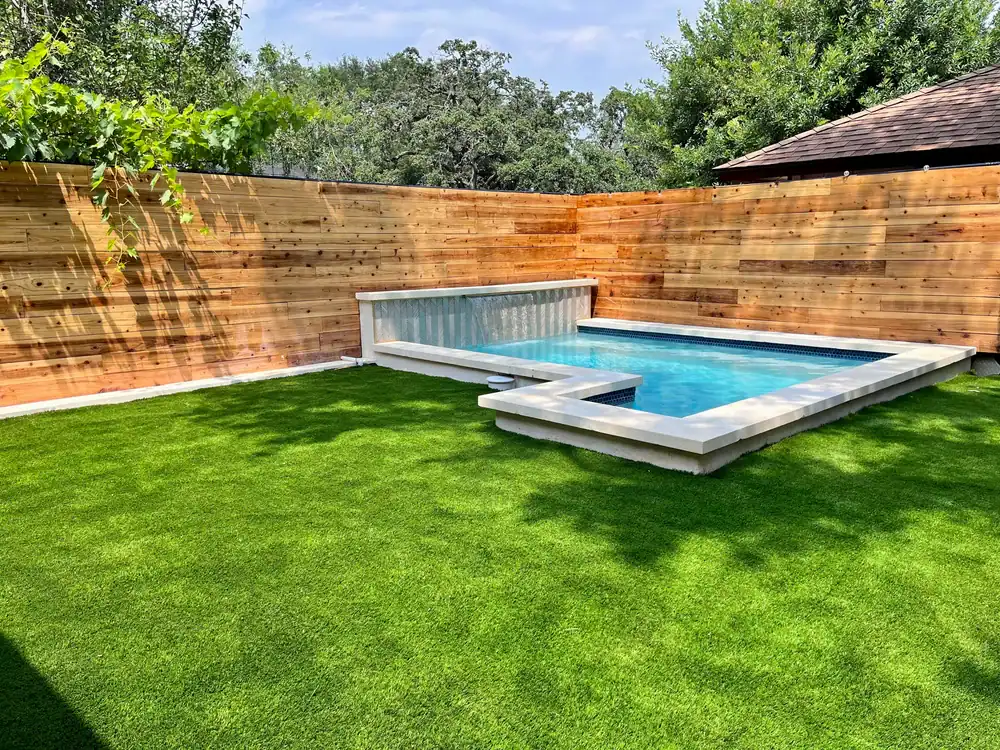
You’re not looking for a cookie-cutter pool that every neighbor has. You want something designed around how you’ll actually use it—whether that’s lap swimming before work, weekend family gatherings, or a quiet place to decompress after long days.
Custom gunite pool construction means your pool works with your property’s layout, your budget, and your timeline. The design accounts for drainage patterns, sun exposure, and how you move through your yard. You get exactly what you need, not what’s easiest for the contractor to build.
When the project’s done, you’re not dealing with a construction zone or a punch list of unfinished details. You’re swimming. The equipment works. The landscaping’s cleaned up. You know how to maintain everything because we took the time to walk you through it.
Deep Waters Pools has been handling inground pool installation in Georgia since the early ’90s. That’s 30+ years of working with Douglas County’s clay-heavy soil, navigating local building departments, and understanding how summer storms affect construction schedules.
You’re working with contractors who know which permits Coffee County requires, how deep to excavate based on your property’s soil composition, and what equipment holds up best in Georgia’s heat. This isn’t a crew learning on your dime.
We operate out of Douglas with a team that lives and works in the same communities we serve. When you call, you’re talking to people who understand what Millwood homeowners deal with—from well water chemistry to the pine pollen that coats everything each spring.
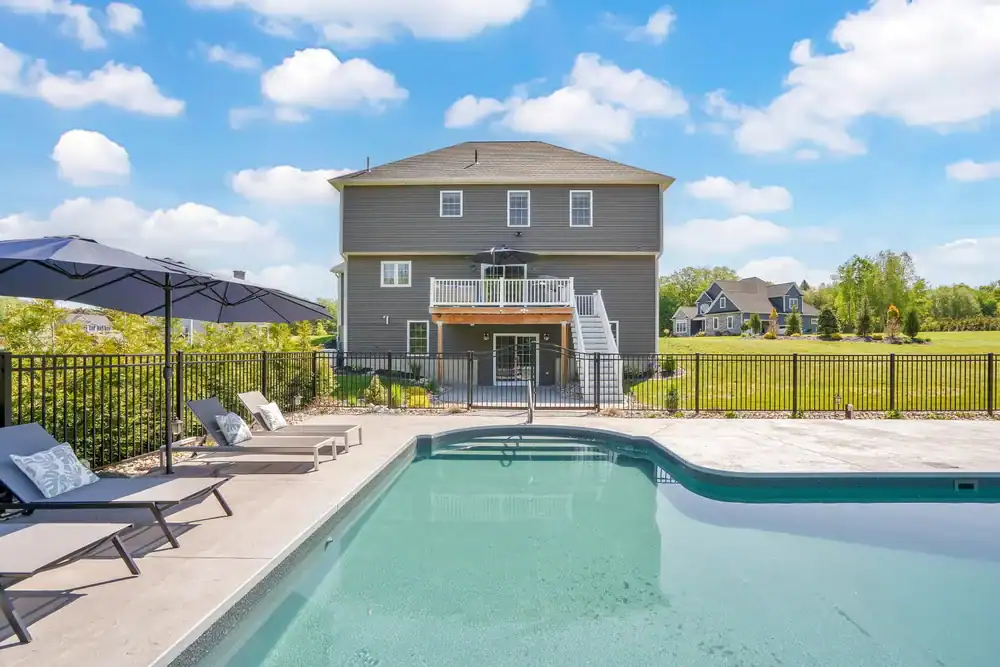
It starts with a site evaluation at your property. We look at soil conditions, drainage, utility locations, and how the pool will fit your yard’s layout. You’re not getting a sales pitch—you’re getting an honest assessment of what’s possible and what makes sense for your space.
Once you approve the design, we handle the permit applications with Coffee County and coordinate the site plans. You’re not making trips to the building department or figuring out Georgia’s barrier requirements. That’s handled.
Excavation comes next, followed by steel installation and plumbing runs. Then the gunite gets shot—that’s the concrete shell that forms your pool structure. After curing, we install your filtration system, do the finish work, and complete the decking.
Most projects run 8-12 weeks from permit approval to completion. Weather delays happen, especially during summer storm season, so we build realistic timelines in from the start. When the project wraps, you get a complete walkthrough of your equipment and maintenance schedule. No guessing how things work.
Ready to get started?
Your inground pool installation covers everything from initial design through final cleanup. That includes site evaluation, custom design work, all permit applications and approvals, excavation, steel reinforcement, plumbing and electrical installation, gunite application, filtration system setup, and safety barrier installation that meets Georgia’s 48-inch height requirements with self-closing gates.
You’re also getting equipment that’s sized correctly for your pool volume and usage patterns. Undersized pumps and filters cause problems down the road—higher chemical costs, cloudy water, equipment that runs constantly. We design the system to handle Douglas County’s well water or city water chemistry, depending on your location.
Concrete pools work particularly well in this area because of the soil conditions. Millwood sits in a region with heavy clay content that expands and contracts with moisture changes. Gunite construction handles that movement better than fiberglass or vinyl, which can crack or shift when the ground moves. You’re getting a structure engineered for the specific soil conditions under your property.
The project includes complete site cleanup and restoration. You’re not left with piles of dirt, equipment scattered around, or a torn-up yard. We haul off excavated soil, repair any lawn damage from equipment access, and leave your property ready to enjoy.
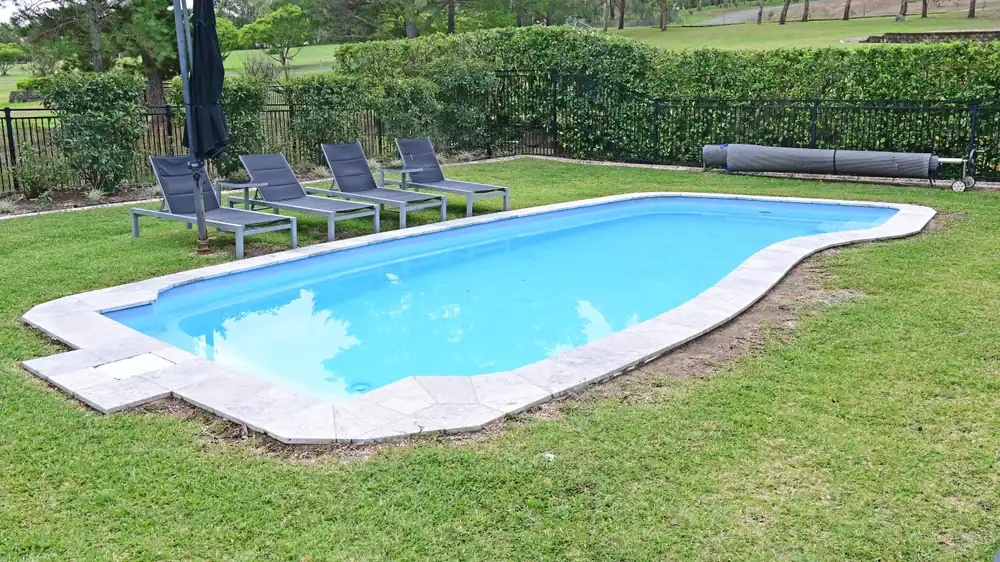
Most inground pool projects in the Millwood area take 8-12 weeks from the day permits get approved to the day you’re swimming. That timeline includes excavation, steel and plumbing installation, gunite application, curing time, equipment setup, and finishing work.
Weather affects this schedule more than most people expect. Summer thunderstorms can delay concrete pours, and Georgia’s clay soil doesn’t drain quickly after heavy rain. Excavation equipment can’t work in saturated ground without causing damage. We build buffer time into the schedule for these delays.
The permit approval process adds time before construction starts—usually 2-4 weeks depending on Coffee County’s current workload. If your property needs a survey or your design requires variance approval, that extends the timeline. You’ll know the realistic schedule upfront, not halfway through the project when delays start piling up.
Custom gunite pool construction costs more because you’re getting a pool built specifically for your property, not a pre-formed shell dropped into a hole. The design can incorporate custom depths, bench seating, tanning ledges, or irregular shapes that work with your yard’s layout. Fiberglass pools come in predetermined shapes and sizes.
Concrete also lasts longer in Georgia’s soil conditions. The clay-heavy soil around Douglas County expands when wet and contracts when dry, creating ground movement that can crack fiberglass shells or cause vinyl liners to pull away from walls. Gunite flexes with minor ground movement and handles soil pressure better than other materials.
You’re also getting more finish options with concrete. The interior surface can be plaster, aggregate, or tile—each with different textures, colors, and durability characteristics. Fiberglass comes with a gel coat finish that can fade or stain over time and costs significant money to resurface. With concrete, you’re refinishing every 10-15 years, but you can change colors or textures when you do.
You need a building permit from Coffee County that covers the pool structure, electrical work, and plumbing installation. Georgia also requires compliance with the International Swimming Pool and Spa Code, which sets standards for construction, barriers, and safety equipment.
Your property needs a barrier at least 48 inches high surrounding the pool. Gates must be self-closing and self-latching with latches positioned 54 inches or higher above grade. If your house forms part of the barrier, doors leading to the pool area need alarms. These aren’t suggestions—they’re code requirements that get inspected before final approval.
The permit application includes site plans showing the pool location, setbacks from property lines, and barrier placement. We handle this paperwork and coordinate inspections at each construction phase. You’re not figuring out what the building department needs or making multiple trips to submit corrections. That’s part of what you’re paying for.
Most residential properties in the Millwood area can accommodate an inground pool, but site conditions determine the design and construction approach. The main factors are soil composition, drainage patterns, utility locations, and setback requirements from property lines.
Douglas County’s clay soil requires proper compaction and drainage design to prevent settling or erosion around the pool structure. A site evaluation identifies where water naturally flows across your property and how to direct it away from the pool. Poor drainage causes problems—undermined decking, soil erosion, or water intrusion that damages equipment.
Utility locations matter more than most homeowners realize. Septic systems, well lines, power lines, and gas lines all affect where you can excavate. Some can be relocated if needed, but that adds cost and time to the project. A thorough site evaluation maps these obstacles before design work starts, so you’re not discovering problems after excavation begins.
You’re looking at weekly water testing and chemical adjustments, regular skimming and brushing, and periodic equipment checks. Georgia’s heat and humidity affect water chemistry more than in cooler climates—higher temperatures increase evaporation and chemical consumption, and afternoon thunderstorms dump debris and dilute chemical levels.
Brushing the pool walls and floor once or twice weekly prevents algae buildup, especially in areas with less circulation. Gunite’s textured surface gives algae more places to attach compared to smooth fiberglass, so consistent brushing matters. You’re also checking skimmer baskets and pump strainer baskets regularly to maintain proper water flow through your filtration system.
Equipment maintenance includes cleaning or replacing filter cartridges based on your system type, checking pump operation for unusual noises or leaks, and monitoring water levels to protect equipment from running dry. Most of this is straightforward once you understand your system. The learning curve isn’t steep, but skipping maintenance creates expensive problems—green water, damaged equipment, or surface staining that requires professional remediation.
South Georgia’s climate allows for extended pool seasons, typically March through October without heating. Water temperatures stay comfortable enough for swimming through most of spring and fall. If you add a heater, you can swim year-round, though heating costs increase significantly during December and January when overnight temperatures regularly drop below freezing.
Many Millwood homeowners use their pools 7-8 months per year without additional heating. The season starts earlier and runs later than in North Georgia because you’re far enough south to avoid prolonged cold snaps. A few cold weeks in January and February are usually the only time the pool sits unused.
Adding a heater extends your season but requires planning during construction. Gas heaters work fastest but need a gas line run to the equipment pad. Heat pumps cost less to operate but don’t work efficiently when air temperatures drop below 50 degrees. Solar heating works well in Georgia’s sunny climate but requires roof or ground space for panels. Your usage patterns and budget determine which option makes sense for your situation.