
Hear from Our Customers
You’ve been thinking about a pool for a while now. Maybe you priced out an inground option and realized it’s going to eat up your entire summer—and a big chunk of your budget. Or maybe your yard just doesn’t have the space for a full excavation project.
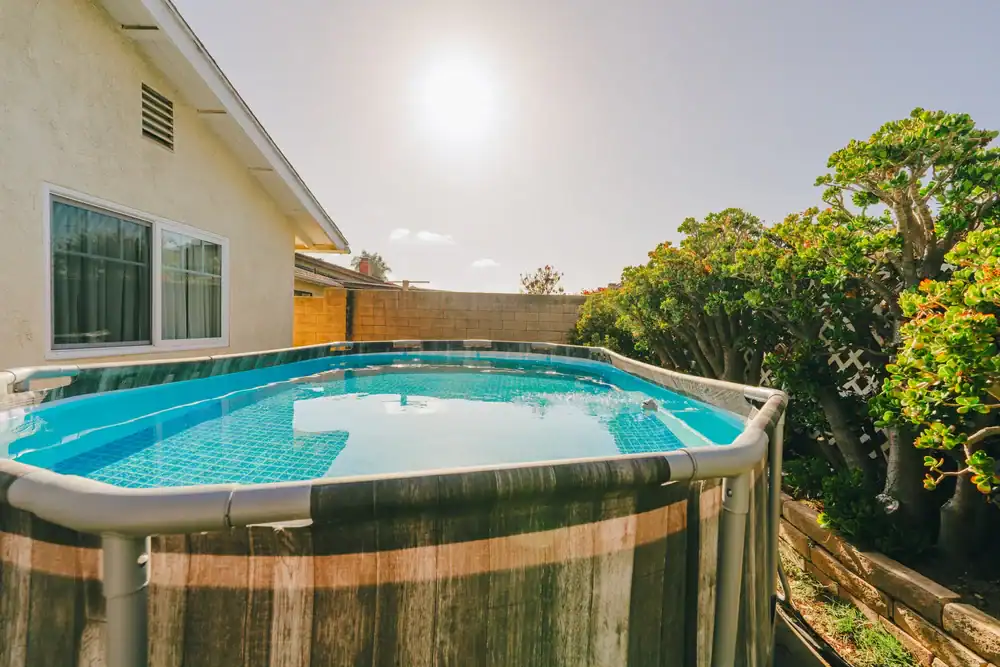
Above ground pools solve that. You get the same backyard fun without the six-month construction timeline or the $60,000 price tag. Most installations are done in a matter of days, which means you’re swimming while your neighbors are still waiting on permits.
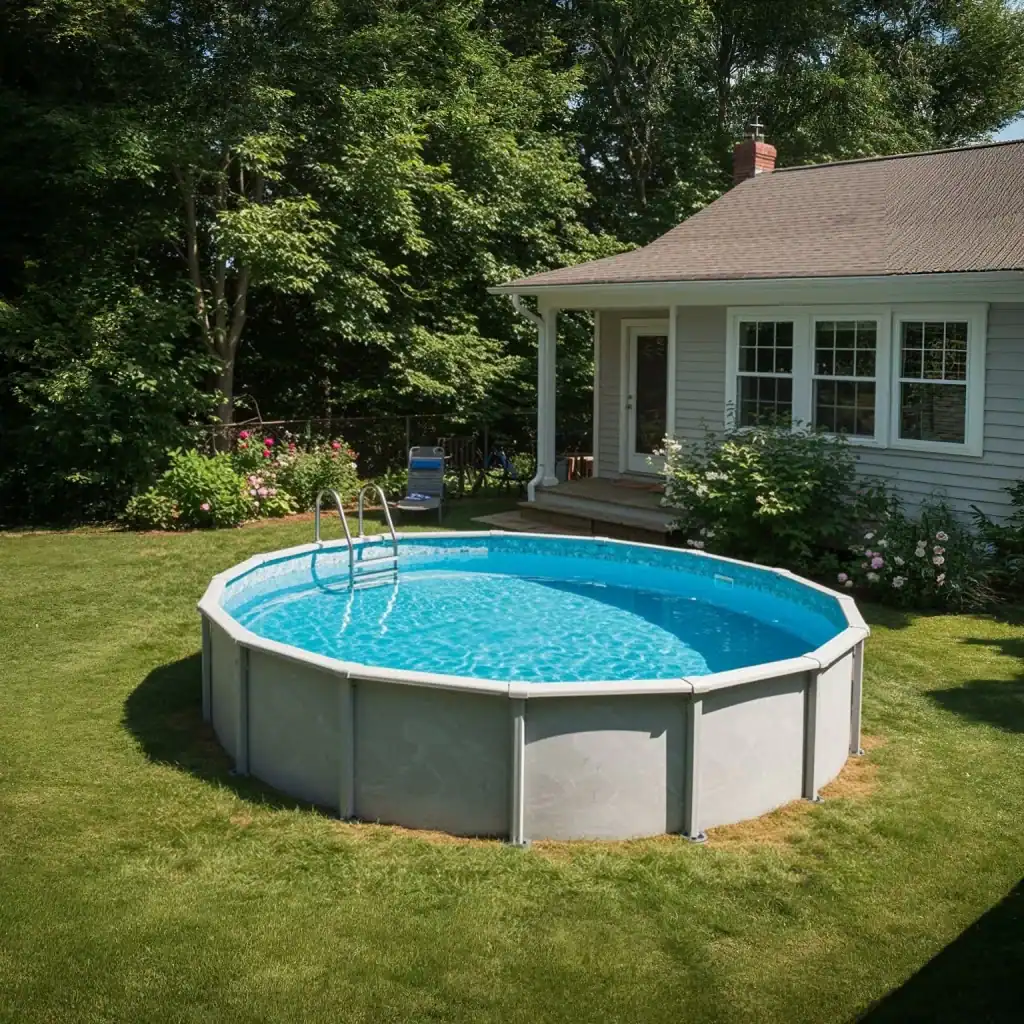
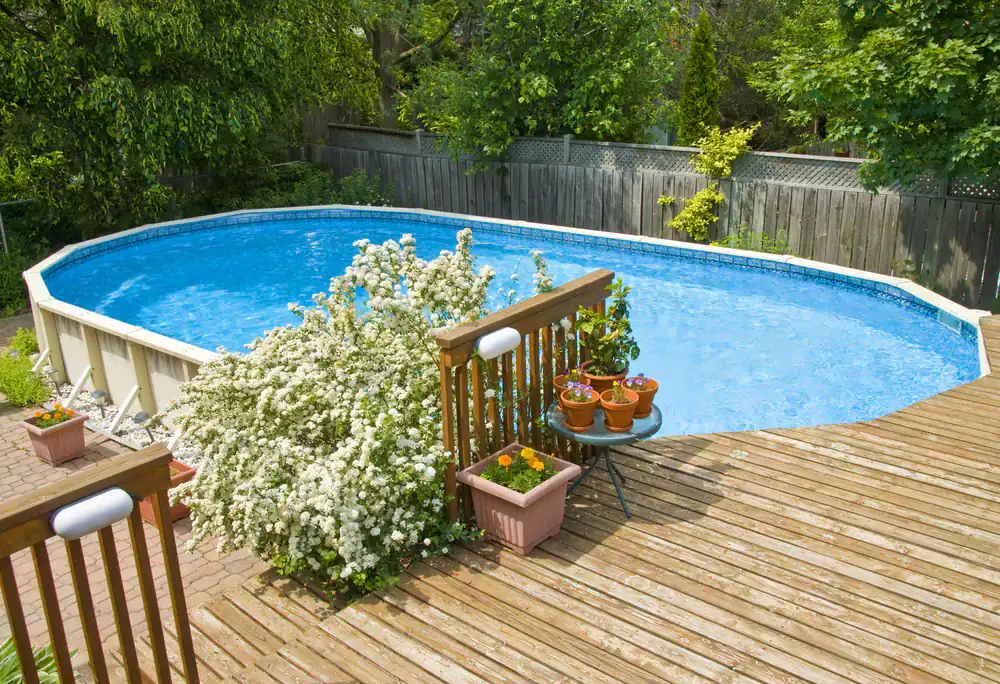
And if you’re worried about it looking cheap or temporary, that’s outdated thinking. The right above ground pool, installed correctly with proper site prep and integrated into your landscape, can look just as intentional as any inground setup. You can add decking, lighting, landscaping—whatever fits your vision. The difference is you’re not locked into one spot forever, and you’re not gambling on whether the builder actually knows what they’re doing with Georgia clay.
We’ve been in the pool construction business for over 30 years. We started with custom inground cement pools, and we still build those. But we’ve watched the above ground market evolve, and frankly, it’s gotten a lot better. The quality is there now. The options are there. And for a lot of families in Crawley and Douglas County, it’s the smarter move.
We’re not some pop-up installer who showed up last year because pools got trendy. We know local codes. We know how to prep a site so it doesn’t settle or shift after the first rain. We know which permits you actually need and which ones don’t apply to your situation.
You’re not going to get a hard sell from us. If an above ground pool doesn’t make sense for your yard or your goals, we’ll tell you. But if it does, we’ll make sure it’s done right the first time.
First, we come out and look at your yard. Not every spot works, and we’d rather tell you that upfront than deal with problems later. We’re checking for grade, drainage, tree roots, utility lines—anything that could cause issues down the road.
Once we’ve confirmed the site works, we handle the permits. Georgia requires them for most above ground pools, and the rules vary by county. We know what Douglas County wants to see, so that part moves quickly.
Then we prep the ground. That means removing sod, leveling the area, and making sure the base is stable. Shortcuts here will cost you later, so we don’t take them. After the site is prepped, we install the pool, connect any necessary equipment, and walk you through how everything works.
You’re usually swimming within a week of us starting work. Compare that to the 8-12 week timeline for inground construction, and you can see why more people are going this route.
Ready to get started?
This isn’t just dropping a pool in your yard and calling it done. You’re getting proper site evaluation, permit handling, ground prep, professional installation, and equipment setup. We make sure everything is level, secure, and compliant with Georgia’s safety codes—which, by the way, are pretty specific about barrier heights and gate latches.
In Crawley and the rest of Douglas County, you’re dealing with red clay soil that shifts when it gets wet. If your base isn’t prepped correctly, you’ll see settling and structural issues within the first year. We’ve seen it happen with DIY jobs and discount installers who skip steps. We don’t.
You also get a walkthrough on maintenance. Above ground pools are easier to care for than inground, but you still need to know how to balance chemicals, clean the filter, and winterize it properly. We’re not going to leave you guessing.
And if you want to go further—add a deck, integrate landscaping, install lighting—we can help with that too. A lot of families start with the basic setup and expand it over time. That’s one of the benefits of above ground: you can build around it as your budget allows.
Yes, most above ground pools in Georgia require a permit, and Douglas County is no exception. The rules depend on the size and depth of your pool, but if it holds more than a couple hundred gallons, you’re probably going to need one.
The permit process isn’t complicated, but it does require specific documentation and compliance with local safety codes. That includes barrier requirements—Georgia mandates a fence at least 48 inches high with a self-closing, self-latching gate. The latch has to be at least 54 inches off the ground, which catches a lot of people off guard.
We handle the permit application as part of the installation process. We know what Douglas County requires, and we make sure everything is submitted correctly so you don’t get stuck in delays or rejections. It’s one less thing you have to worry about.
Most above ground pool installations are completed in a few days once we start work. That includes site prep, installation, and equipment setup. Compare that to inground pools, which can take two to three months from permit approval to completion.
The timeline depends on a few factors: the condition of your yard, whether we need to remove trees or roots, and how quickly permits come through. If your site is already fairly level and clear, we can move faster. If we’re dealing with significant grading or drainage issues, it takes a bit longer.
Weather can also affect the schedule. Georgia’s summer storm season is unpredictable, and we’re not going to rush through site prep just to hit a deadline. But in general, you’re looking at being in the water within a week or two of us starting the job. That’s one of the biggest advantages of going above ground.
Above ground pools typically cost a fraction of what you’d pay for inground construction. Inground pools in Georgia can run anywhere from $40,000 to $100,000 depending on size, materials, and features. Above ground installations usually come in well under that, even with professional site prep and quality equipment.
The ongoing costs are lower too. You’re using fewer chemicals, less electricity, and maintenance is simpler. Repairs, if you need them, are also more affordable because the components are easier to access and replace.
That said, price shouldn’t be the only factor. A cheap above ground pool installed poorly is going to cost you more in the long run than a quality setup done right the first time. We focus on making sure the base is stable, the structure is secure, and everything meets Georgia’s safety standards. Cutting corners on installation just leads to problems—settling, leaks, structural damage—that end up costing more to fix than you saved upfront.
It depends on your space, grade, and what’s underground. Above ground pools need a level surface, good drainage, and clearance from trees, utility lines, and structures. If your yard is sloped, we can usually work with that by doing some grading, but there are limits.
Crawley’s soil is mostly red clay, which holds water and shifts when it gets saturated. That means site prep is critical. We need to remove sod, compact the base, and make sure water drains away from the pool. If we don’t, you’ll see settling and structural issues.
We also need to check for tree roots and underground utilities. Roots can puncture liners and destabilize the base. Utility lines obviously can’t be disturbed. These aren’t things you can eyeball—we actually dig down and verify before we commit to a site. If your yard doesn’t work for an above ground pool, we’ll tell you that upfront and talk through alternatives.
Above ground pools are easier to maintain than inground, but you’re still looking at regular cleaning, chemical balancing, and seasonal care. You’ll need to skim debris, vacuum the bottom, clean or replace the filter, and test the water chemistry weekly during swim season.
Chemical costs are lower because the water volume is smaller. You’re also not dealing with as much surface area, so algae and debris are easier to manage. Most families can handle the maintenance themselves without hiring a service, which saves money over time.
Winterizing is important in Georgia. Even though we don’t get harsh freezes, you still need to drain the pool partially, remove equipment, and cover it properly to avoid damage. If you skip that step, you’re risking cracks, liner damage, and equipment failure when you try to open it back up in the spring. We walk you through the process so you know exactly what to do and when.
In most cases, yes. One of the advantages of above ground pools is that many models can be disassembled, moved, and reinstalled at a new location. That’s not something you can do with an inground pool, and it’s a big reason why families with changing plans choose above ground.
That said, moving a pool isn’t simple. The liner might not survive the move, and some components may need to be replaced. You’ll also need to prep the new site just like you did the first time—leveling, permits, barrier compliance, all of it. It’s not a DIY project.
If you’re planning to move within a few years, an above ground pool makes a lot more sense than sinking $60,000 into an inground installation you’ll have to leave behind. It gives you flexibility without sacrificing the backyard experience you’re looking for. Just make sure the installation is done right the first time so the pool is actually in good enough shape to move when the time comes.