
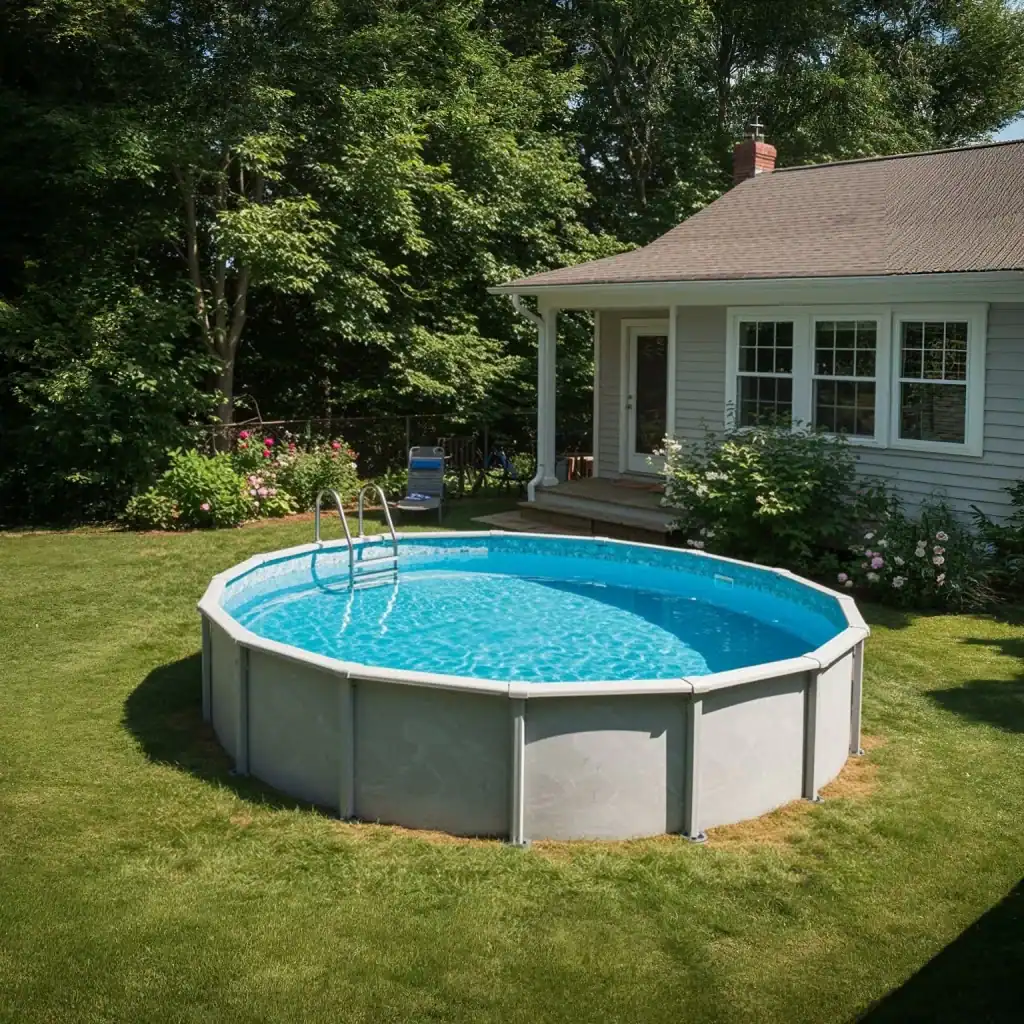
Hear from Our Customers
You’re looking at around $4,000 instead of $65,000. That’s not a typo. An above ground pool costs roughly sixteen times less than an in-ground installation, and you’re swimming in it within days instead of waiting through an entire summer.
The installation doesn’t take over your life. No months of contractors, no tearing up half your yard, no wondering when you’ll actually get to use the thing. You schedule it, we install it, and your family’s in the water before the next heatwave hits.
And when it comes to upkeep, you’re not signing up for a second job. Above ground pools are simpler to maintain than in-ground options. Less surface area, easier access to equipment, and straightforward winterization when the season ends.
This isn’t about compromising. It’s about getting what you actually need without paying for what you don’t.
We’ve been serving families across South Georgia for over a decade. We started with thirty-plus years of construction experience and built a pool company on the same principles: clear timelines, transparent pricing, and no surprises.
We’re not the biggest pool company in Georgia, and that’s intentional. When you call, you’re talking to people who know Kirkland, understand what Georgia summers do to families stuck indoors, and have installed enough pools to walk you through every decision without the sales pitch.
You’ll find us listed with the Douglas County and Coffee County Chambers. We’re local, we’re established, and we show up when we say we will.
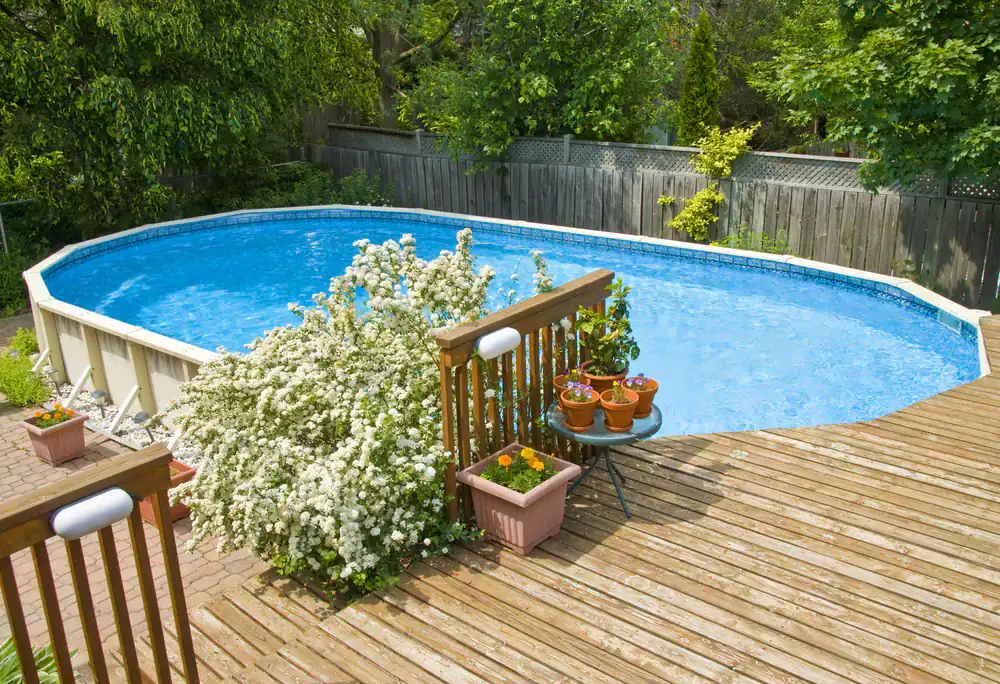
First, we come out to look at your yard. We’re checking the ground, measuring space, and talking through what size and style makes sense for your property. This isn’t a sales call—it’s a real conversation about what works and what doesn’t.
Once you’re ready to move forward, we schedule the installation. Most above ground pools go in within a day or two, depending on the model and site prep needed. We level the ground, set the pool structure, install the liner, and get your filtration system running.
Before we leave, we walk you through everything. How to run the pump, how to check chemical levels, what to watch for, and when to call us if something seems off. We also talk through safety—especially if you’ve got young kids—and discuss options like pool covers for added protection.
After installation, you’re not on your own. We’re a local company, which means if you have questions or need service down the road, you’re calling someone who’s twenty minutes away, not three states over.
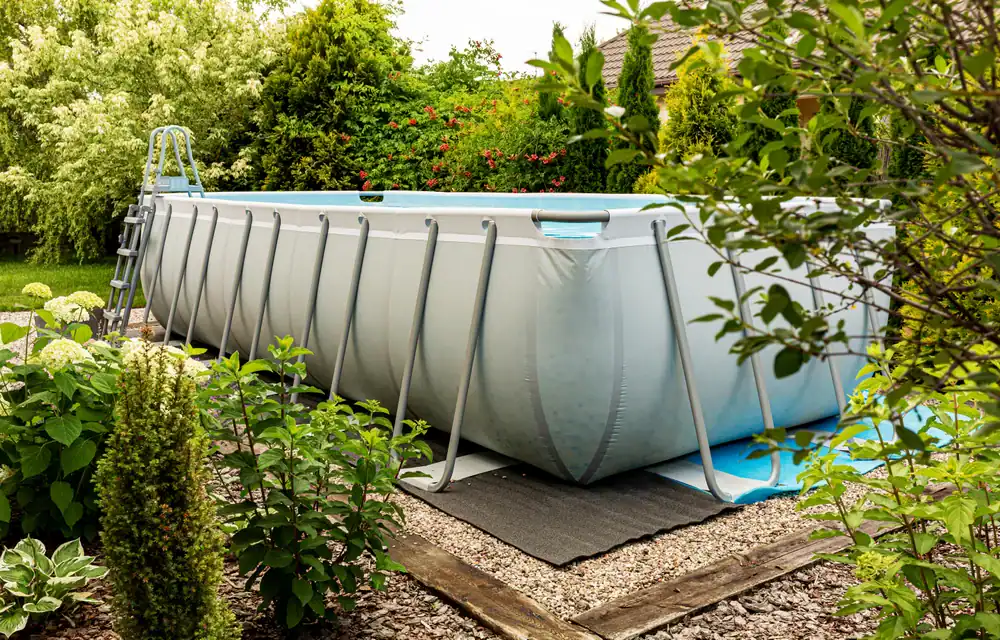
Ready to get started?
You’re getting the full setup: site evaluation, ground prep, pool installation, liner fitting, and filtration system hookup. We also include a walkthrough on maintenance and operation so you’re not guessing how anything works.
In Kirkland and the surrounding South Georgia area, ground conditions matter. The soil here can shift, especially with our rain patterns, so we take extra care with leveling and base preparation. A pool that’s not level from day one will give you headaches for years.
We also talk through safety from the start. Georgia sees hundreds of pool-related incidents every year, and most involve young children. If you’ve got kids under five, we’ll discuss pool covers, fencing, and alarm options. It’s not required, but it’s worth the conversation.
The equipment we install is straightforward to operate and service. If something breaks in two years, you’re not hunting down proprietary parts or waiting weeks for a technician. We use reliable systems that local pool supply stores carry and that any qualified tech can work on.
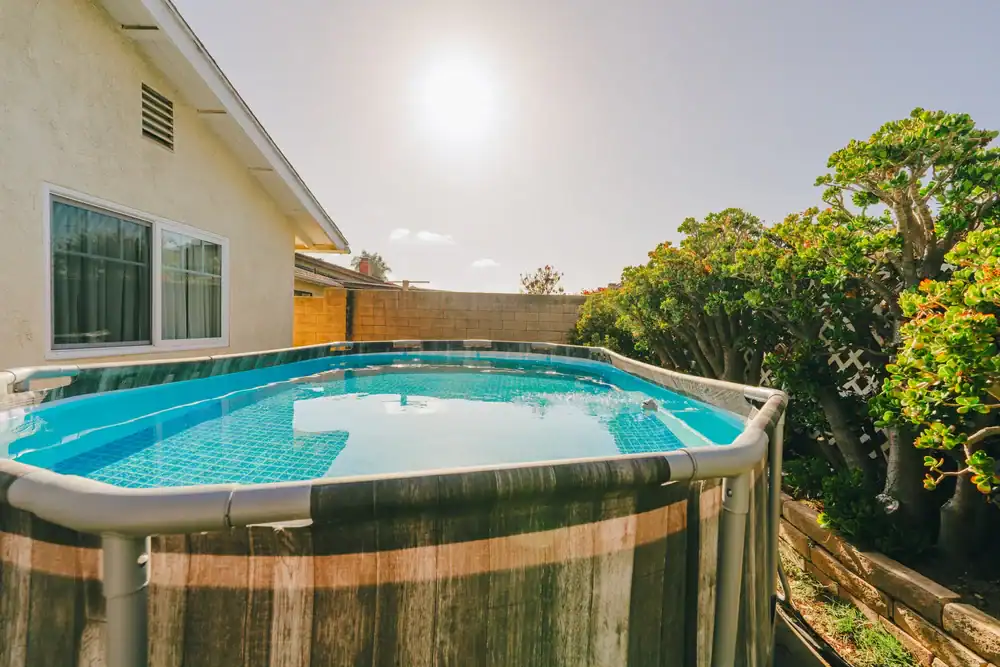
Most installations finish in one to two days, depending on the pool size and how much ground prep your yard needs. If the site is already level and clear, we can often complete the job in a single day.
The timeline also depends on the specific model. Round pools typically go in faster than oval designs because of the structural differences. If we’re working with difficult terrain or need to bring in additional base material, that can add time.
Weather plays a role too. Georgia summers bring afternoon storms, and we won’t set a liner or finish electrical work in the rain. If we have to pause for weather, we’ll communicate that upfront and get back out as soon as conditions allow.
An above ground pool installation typically runs around $4,000. An in-ground pool in Georgia averages $65,000, and that’s before you add features like heating, lighting, or custom decking.
The cost gap isn’t just about the pool itself. In-ground installations require excavation, permits, inspections, and often electrical and plumbing work that involves licensed contractors and weeks of labor. Above ground pools skip most of that.
Maintenance costs are lower too. You’re dealing with less water volume, smaller filtration systems, and simpler winterization. If something breaks, replacement parts for above ground pools cost a fraction of what in-ground components run. Over the life of the pool, that adds up.
You’re looking at seven to fifteen years, depending on the quality of the pool, how well it’s maintained, and how you handle winterization. Georgia’s heat and UV exposure are tough on liners, so proper chemical balance and a good cover extend the lifespan significantly.
Steel-frame pools tend to last longer than resin models, but they require more attention to rust prevention. If you stay on top of water chemistry and don’t let the pool sit uncovered all winter, you’ll get closer to that fifteen-year mark.
Liners usually need replacement before the structure does. Most liners last five to nine years in our climate. That’s a few hundred dollars and a day of work, not a full pool replacement. The frame and walls, if maintained, outlast the liner by years.
It depends on the size and whether you’re adding a deck or permanent electrical. Most standard above ground pools under a certain size don’t require permits in Georgia, but local ordinances in Coffee County can vary.
We recommend checking with Kirkland’s building department before installation. Some neighborhoods and HOAs have their own rules about pool placement, fencing, and setbacks from property lines. It’s better to confirm upfront than deal with a violation notice later.
If you’re planning a deck or any permanent structure around the pool, that typically does require a permit. Same goes for hardwired electrical connections. We can walk you through what’s needed based on your specific setup during the site evaluation.
You’re testing water chemistry two to three times per week during swim season and adjusting chlorine, pH, and alkalinity as needed. Most people spend fifteen to twenty minutes on this. You’ll also skim debris daily and vacuum the bottom once a week.
The filter needs cleaning or backwashing depending on the type. Sand and cartridge filters have different schedules, but you’re generally looking at maintenance every two to four weeks during heavy use. We’ll show you how to do this during installation—it’s not complicated.
Winterization matters in Georgia, even though we don’t get harsh freezes. You’ll lower the water level, add winterizing chemicals, and cover the pool. This prevents algae growth and protects the liner from UV damage during the off-season. Skipping this step costs you in spring cleanup and liner lifespan.
Yes, but you’ll go through water faster in summer due to evaporation. Georgia heat can evaporate a quarter-inch of water per day during peak summer. Keeping the pool covered when not in use cuts that significantly and keeps your chemical levels more stable.
Storms are usually fine as long as the pool is properly installed and the water level is maintained. Wind is the bigger concern—if a pool is even slightly unlevel or the water level drops too low, high winds can shift the structure. That’s why we’re careful about leveling during installation.
If a severe storm is coming, remove any loose items around the pool and make sure the cover is secure or removed entirely. A cover that catches wind can damage the pool walls. After storms, check for debris and test your water chemistry, since rain affects pH and dilutes chlorine.