
Hear from Our Customers
The difference between a pool that lasts and one that becomes a regret comes down to installation. When the ground prep is rushed, the leveling is off, or the electrical isn’t up to code, you’ll know within the first season.
You’re not just getting a pool dropped in your yard. You’re getting a setup that accounts for Sandy Bottom’s clay-heavy soil, proper drainage for Georgia’s heavy rains, and electrical work that passes inspection the first time.
That means you’re swimming this summer instead of dealing with repairs. It means your pump runs efficiently because the plumbing was done correctly. And it means the structure stays level and stable, even after a few storm seasons. When the install is right, the pool works the way it’s supposed to.
Deep Waters Pools was built on over 30 years of hands-on pool construction experience. We’ve been serving families across Douglas County and Sandy Bottom since 2014, and we’ve seen what works and what doesn’t when it comes to pool installation in South Georgia.
We’re not the biggest pool company in the state, and we’re not trying to be. What we are is local, experienced, and focused on doing the job correctly. That means showing up when we say we will, answering your questions honestly, and making sure your pool is installed to last.
You’ll work with people who understand Sandy Bottom’s soil conditions, permit requirements, and the kind of weather your pool needs to withstand. We’re here year-round for service, maintenance, and any questions that come up after installation.
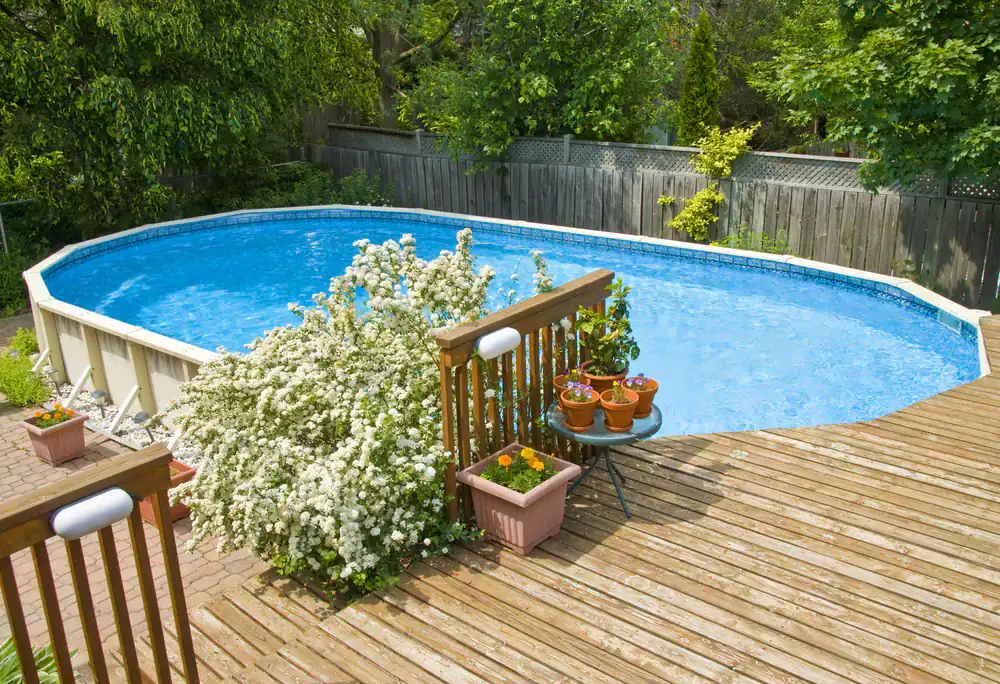
First, we come out to look at your yard. We’re checking drainage, measuring space, and talking through what size and style makes sense for your property. This isn’t a sales pitch – it’s a real conversation about what will and won’t work in your specific situation.
Once you’re ready to move forward, we handle the permits and schedule the install. Ground prep comes first. We level the area, address any drainage concerns, and make sure the base is solid. This step matters more than most people realize, especially with Sandy Bottom’s soil composition.
Then we set up the pool structure, install the liner, and connect all the plumbing and electrical. Everything gets tested before we leave. We walk you through the equipment, show you how to maintain it, and make sure you’re comfortable with the setup. After that, you’re ready to fill it and start using it.
Ready to get started?
Your installation covers everything from site prep to final testing. That includes ground leveling, base preparation, full structural setup, liner installation, pump and filter connection, and electrical hookup. We also handle the permit process with Douglas County, so you don’t have to figure that out on your own.
In Sandy Bottom, soil conditions can vary significantly from one property to another. Some yards have more clay, others have drainage issues, and some have grade changes that need to be addressed. We adjust the site prep based on what your specific property needs, not a one-size-fits-all approach.
You’ll also get a full walkthrough of your equipment and maintenance requirements. We explain how to balance chemicals, when to clean filters, and what to watch for as the seasons change. Georgia summers are hard on pools, and knowing how to maintain yours properly makes a big difference in how long it lasts and how much you enjoy it.
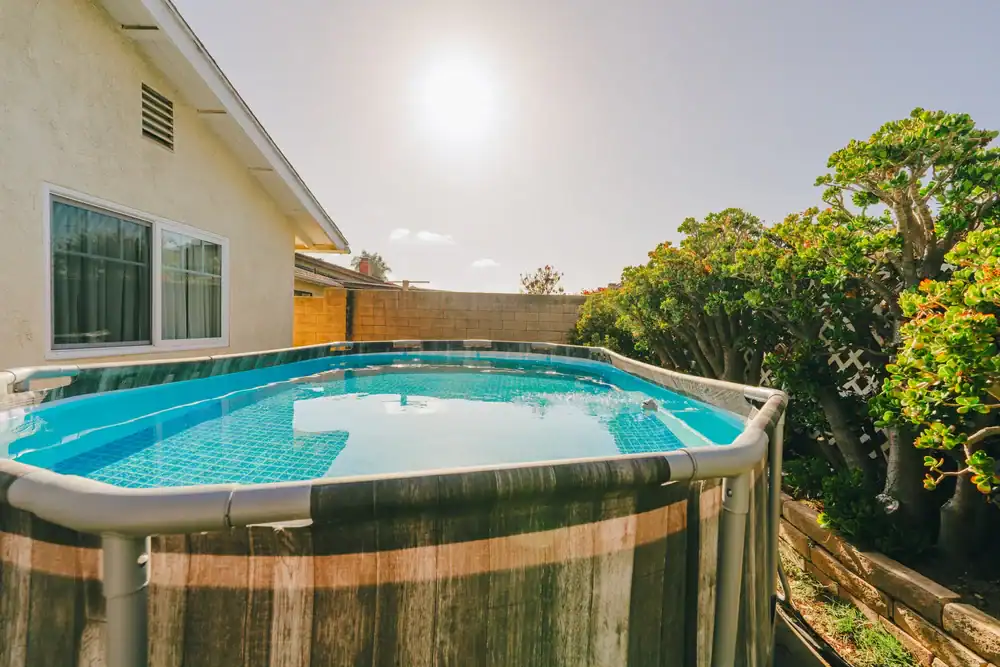
Most above ground pool installations take between two to five days from start to finish, depending on your yard conditions and the size of the pool. The timeline isn’t just about setting up the pool itself – it’s about doing the site prep correctly.
If your yard needs significant leveling or drainage work, that adds time. Sandy Bottom’s clay-heavy soil sometimes requires extra base preparation to ensure the pool stays level long-term. We’d rather take an extra day to do it right than rush through and have you dealing with an uneven pool six months later.
Weather also plays a role. Georgia’s afternoon thunderstorms can delay outdoor work, especially during summer months. We’ll give you a realistic timeline during the initial consultation based on your specific property and the current schedule.
Yes, Douglas County requires permits for above ground pool installations, and the requirements are more detailed than most homeowners expect. You’ll need approval for the pool itself, plus separate electrical permits if you’re adding new circuits for the pump and filter system.
The permit process typically takes one to two weeks, depending on the county’s current workload. We handle the permit applications as part of your installation, which means you don’t have to figure out what forms to fill out or make trips to the county office yourself.
Skipping permits might seem like a way to save time or money, but it creates problems down the road. If you ever sell your home, unpermitted work shows up in inspections. Insurance companies can also deny claims related to unpermitted structures. It’s worth doing it correctly from the start.
Above ground pools typically run between $3,000 and $15,000 depending on size, features, and installation complexity. Inground pools in Sandy Bottom start around $30,000 and go up from there, often significantly higher once you factor in decking, landscaping, and additional features.
The ongoing costs differ too. Above ground pools use less water, require smaller pumps, and cost less to heat if you add that later. Maintenance and chemical costs are lower because you’re treating a smaller volume of water. Repairs are also more affordable since the equipment is accessible and parts are less expensive.
That said, above ground pools have a shorter lifespan than inground options. You’re looking at 10 to 20 years for an above ground pool with proper maintenance, versus 25+ years for inground. But for many Sandy Bottom families, the lower upfront cost and faster installation make above ground pools the smarter choice, especially if you’re not sure you’ll be in the same house for decades.
Georgia’s hot, humid summers mean your pool works harder than it would in cooler climates. You’ll need to check and adjust chemical levels at least twice a week during peak season, sometimes more if you’re getting heavy use or frequent rain.
The biggest challenge is algae growth. When temperatures stay in the 80s and 90s for months, algae thrives. Consistent chlorine levels, proper filtration, and regular brushing of the liner keep it under control. Your filter will also need more frequent cleaning during summer – plan on backwashing or cleaning cartridges weekly when you’re using the pool regularly.
Winterization matters too, even in South Georgia. While we don’t deal with the freezing issues that northern climates face, you still need to protect your equipment and keep the water chemistry balanced during the off-season. We walk you through the winterization process and can handle it for you if you’d rather not deal with it yourself.
Yes, but proper installation makes all the difference. Georgia’s severe thunderstorms bring high winds, heavy rain, and occasionally hail. An above ground pool that’s correctly installed, properly braced, and kept at the right water level will handle normal storm conditions without issues.
The key is making sure the structure is level and the ground base is solid. When pools settle unevenly, they’re more vulnerable to wind damage and structural stress during storms. We also make sure all bracing and supports are properly secured, which many DIY installations skip or do incorrectly.
You’ll want to keep the pool at least halfway full year-round, even in winter. An empty above ground pool is basically a sail waiting for wind to grab it. The water weight keeps everything stable and anchored. After major storms, check for any shifted supports or damage to the liner, but if the installation was done right, you shouldn’t see significant issues.
Most Sandy Bottom properties can accommodate pools ranging from 12 to 24 feet in diameter for round pools, or 12×24 up to 18×33 for oval shapes. But the pool size isn’t the only space consideration – you need clearance around the entire perimeter for access, maintenance, and safety.
Douglas County requires specific setbacks from property lines, septic systems, and structures. You typically need at least three feet of clearance on all sides just for access to the pool equipment and for maintenance. If you’re planning to add decking later, you’ll want even more space.
During the initial consultation, we measure your yard and talk through how different sizes would fit your space and your family’s needs. A bigger pool isn’t always better – if it dominates your entire yard and leaves no room for anything else, you’ll probably regret it. We’d rather help you find the right fit than sell you the biggest option possible.
Other Services we provide in Sandy Bottom