
Hear from Our Customers
The biggest shift most pool owners notice isn’t the water clarity it’s the time they get back. No more testing kits on Saturday morning. No more emergency runs to the pool supply store because something’s off. You come home, the pool is ready, and that’s the end of it.
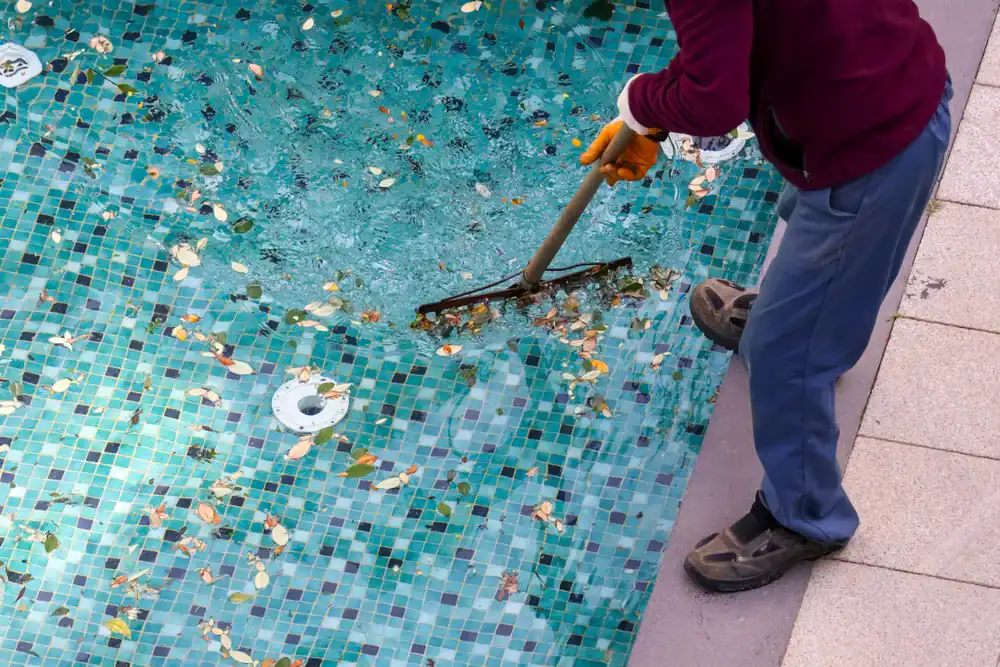
In Hazlehurst, that matters more than it might somewhere else. The pecan, pine, and oak trees that line most residential streets here drop debris constantly needles, hulls, pollen, leaves and that material hits your skimmer baskets hard. When those baskets fill up and water flow drops, your pump works harder than it should and your filtration suffers. Catching that on a regular schedule isn’t optional here. It’s just part of what South Georgia pool ownership requires.
The chemistry side is just as relentless. Hazlehurst summers regularly push into the 90s with humidity sitting around 77% in August. Chlorine burns off fast in those conditions sometimes within a single day. Add in the nearly 177 rain days this area sees annually, and your chemical balance is getting disrupted constantly. Weekly professional maintenance keeps the water safe for your family without you having to think about it. That’s the real outcome: a pool that works for you instead of one you’re always working on.
We’re based in Douglas about 31 miles from Hazlehurst down US Highway 221 and have been serving South Georgia pool owners since 2014. But the experience behind our company goes back more than 30 years, rooted in concrete, plumbing, and custom pool construction across this region. That background matters because it changes what a service visit looks like. When a technician who understands how pools are built is the one cleaning yours, they’re not just running through a checklist they’re looking at your equipment with the kind of eye that catches problems before they turn expensive.
Hazlehurst homeowners have a real investment to protect. A pool in this area isn’t a luxury afterthought it’s a meaningful part of the property, and it deserves to be treated that way. We show up consistently, communicate after every visit, and don’t cut corners just because no one’s watching. That’s not a pitch it’s just how a company with a regional reputation survives in a place where everyone talks.
Every service visit starts with a visual read of the pool water color, surface condition, and a quick equipment check. From there, skimmer and pump baskets get cleaned out. In Hazlehurst, with the tree canopy most yards have, this step alone makes a significant difference in how well your system circulates water between visits.
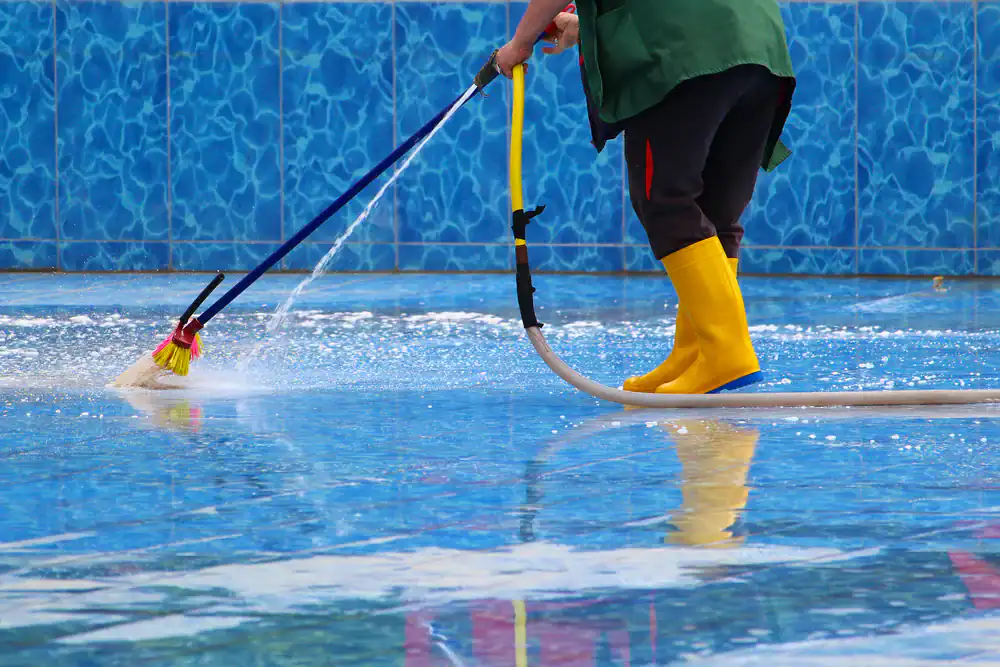
Next comes the physical cleaning: skimming the surface, brushing walls and steps to prevent algae from taking hold, and vacuuming as needed. Then water chemistry gets tested not just eyeballed, but actually measured. pH, chlorine, alkalinity, and stabilizer levels all get checked and adjusted based on what the water actually needs that day. In the middle of a Hazlehurst summer, after a heavy rain or a stretch of 95-degree days, those numbers can shift fast. The adjustment gets made on the spot.
After the visit, you get a service report what was done, what was added, what was observed. If something looks like it’s heading toward a problem, you’ll know about it before it becomes one. No surprises, no mystery charges, no wondering whether anyone actually showed up. Seasonal timing matters too: pool openings in early spring and proper closings before Jeff Davis County’s occasional winter cold snaps protect your equipment year-round, not just during swim season.
Ready to get started?
The standard weekly service covers everything your pool needs to stay clean, safe, and functional between visits: skimmer and pump basket cleaning, surface skimming, wall and step brushing, vacuuming, full water chemistry testing, and chemical balancing. That last part the chemical balancing is where a lot of cheaper services cut corners. Dropping a chlorine tablet in a floater and calling it a week isn’t maintenance. It’s a bill for not much.
For Hazlehurst homeowners specifically, debris removal is a recurring priority. The combination of pecan, pine, and oak trees in most residential yards means your skimmer baskets can fill up faster than they would in an open suburban yard. That’s not a complaint about the neighborhood it’s just a reality that gets accounted for in how we deliver service here.
Beyond the weekly routine, we also handle seasonal pool care: spring openings to get your pool swim-ready before the first warm weekend in April, and fall closings to protect your plumbing and equipment from the freeze events that do reach Jeff Davis County temperatures have dropped close to 17°F in recent winters, which is cold enough to cause real damage to unprepared systems. Whether you need consistent weekly service or a one-time cleanup after a stretch of neglect, the work gets done to the same standard either way.
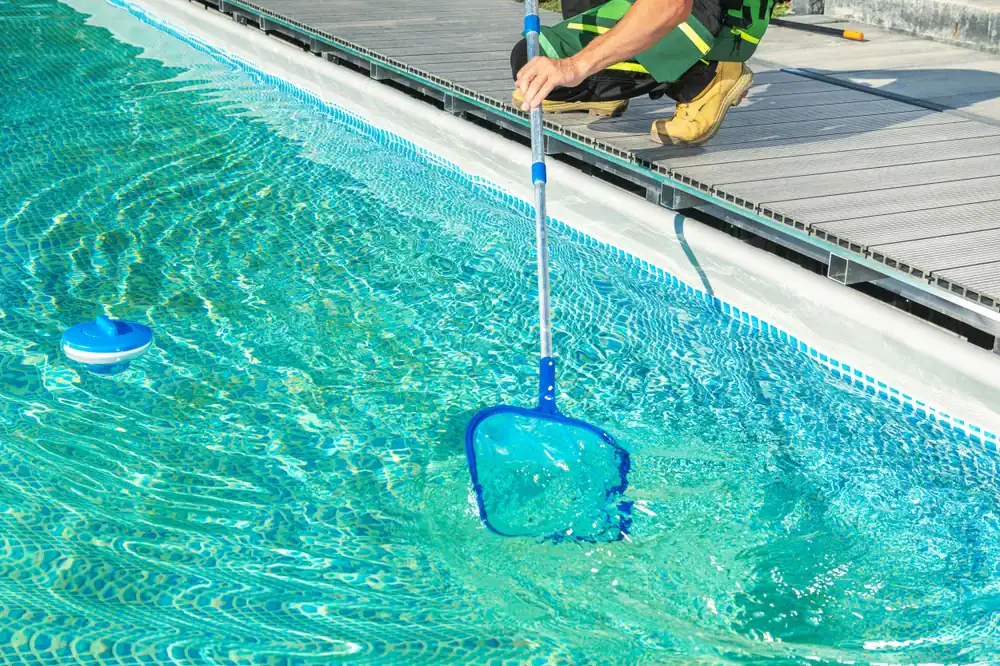
For most pool owners in Hazlehurst, weekly service is the right call from roughly April through October. That’s when temperatures are high enough for algae to develop quickly and when chlorine burns off fastest under direct South Georgia sun. During the peak of summer July and August especially an unattended pool can go from balanced to visibly green in less than a week when temperatures are in the 90s and humidity is sitting near 80%.
The tree coverage in most Hazlehurst neighborhoods adds another layer to this. Pecan hulls, pine needles, and oak leaves accumulate in skimmer baskets quickly, and when those baskets get full, your pump loses water flow and your filtration efficiency drops. Weekly visits catch that before it becomes a problem. During the cooler months, some homeowners scale back to bi-weekly service, but that depends on your specific setup, how much shade and debris your yard produces, and whether your pool is covered. A quick conversation about your situation will give you a clearer answer than any blanket recommendation.
Chemical balancing isn’t just adding chlorine. A proper service tests and adjusts multiple factors: free chlorine levels, pH, total alkalinity, calcium hardness, and cyanuric acid (stabilizer). Each of these affects the others, and getting one wrong can make the rest harder to manage. For example, if your pH is too high, chlorine becomes significantly less effective even if the chlorine level looks fine on a basic test strip.
In South Georgia’s climate, the challenge is that these numbers shift constantly. Heavy rain dilutes everything and drops chlorine levels fast. A stretch of 95-degree days accelerates chlorine consumption and can push pH in the wrong direction. What your pool needed last Tuesday might not be what it needs this Tuesday. That’s why testing at every visit not just adding a standard dose and leaving is what actually keeps the water safe and clear. A pool that looks clean can still have chemistry that’s irritating to eyes and skin, or that’s quietly allowing bacteria to grow. The test doesn’t lie; the eyeball does.
In most climates, skipping a few weeks of maintenance means a pool that needs some extra attention to get back on track. In Hazlehurst in July or August, it can mean a full algae bloom that turns the water green, reduces visibility to near zero, and requires a shock treatment, multiple rounds of algaecide, extended filter runs, and sometimes a brush-and-vacuum cycle before the water is even close to swimmable again.
That remediation process costs more in chemicals, in time, and sometimes in equipment wear than weeks of regular maintenance would have. Algae treatment alone can run $200 to $500 depending on how bad the bloom is. Beyond the cost, there’s the frustration of having a pool you can’t use during the hottest stretch of the year. Consistent weekly service is genuinely cheaper than the cycle of neglect and recovery, and in Hazlehurst’s climate, that cycle can happen fast. A week of inattention during peak summer is all it takes.
Hazlehurst winters are mild compared to most of the country, but mild doesn’t mean freeze-proof. Jeff Davis County has seen temperatures drop close to 17°F in recent winters cold enough to freeze standing water in plumbing lines and cause real damage to pump equipment that wasn’t properly prepared. The cost of a burst pipe or a cracked pump housing is significantly higher than a proper seasonal closing.
A good pool closing involves balancing the water chemistry to protect surfaces during the dormant period, lowering the water level if needed, blowing out the plumbing lines, and making sure your equipment is protected against whatever winter brings. It’s not a dramatic process, but skipping it and hoping for a mild winter is a gamble that doesn’t always pay off. On the flip side, a proper spring opening gets your pool tested, balanced, and running correctly before the first warm weekend in April so you’re not spending the first week of swim season chasing a chemistry problem that built up over winter.
This is one of the most common frustrations pool owners have, and it almost always comes down to one of a few things: the chlorine level is dropping too fast between treatments, the pH is high enough that the chlorine isn’t actually working effectively, or the stabilizer (cyanuric acid) level is off either too low, meaning the sun is burning through your chlorine before it can do anything, or too high, meaning the chlorine is present but chemically neutralized.
In Hazlehurst’s summer heat, chlorine demand is high. UV exposure is intense, water temperatures are warm, and if your pool sees regular use, bather load adds to the chemical demand as well. Adding chlorine on a fixed schedule without testing what the water actually needs is a guessing game and algae wins that game more often than not. The fix isn’t always adding more chlorine. Sometimes it’s adjusting pH first, sometimes it’s a stabilizer correction, sometimes it’s a shock treatment to break through a chloramine buildup. Getting the chemistry right requires testing, not just dosing.
Regular weekly pool maintenance in this part of Georgia typically runs in the range of $80 to $150 per month depending on pool size, the amount of debris your yard produces, and what the water chemistry requires at each visit. One-time cleanings for a pool that’s been sitting, or a post-storm cleanup generally run higher, often in the $110 to $200 range depending on what’s involved.
It’s worth comparing that against the real cost of DIY maintenance. Chemicals alone can run $30 to $50 a month when you’re buying them yourself, and that’s before accounting for the time spent testing, adjusting, cleaning baskets, and brushing walls every week. When you factor in the cost of a single algae remediation event which can run $200 to $500 in chemicals and treatment time professional weekly service starts looking like the more practical option, not the expensive one. For Hazlehurst homeowners who work full schedules and want to actually enjoy their pool rather than maintain it, consistent professional service tends to pay for itself over the course of a South Georgia swim season.