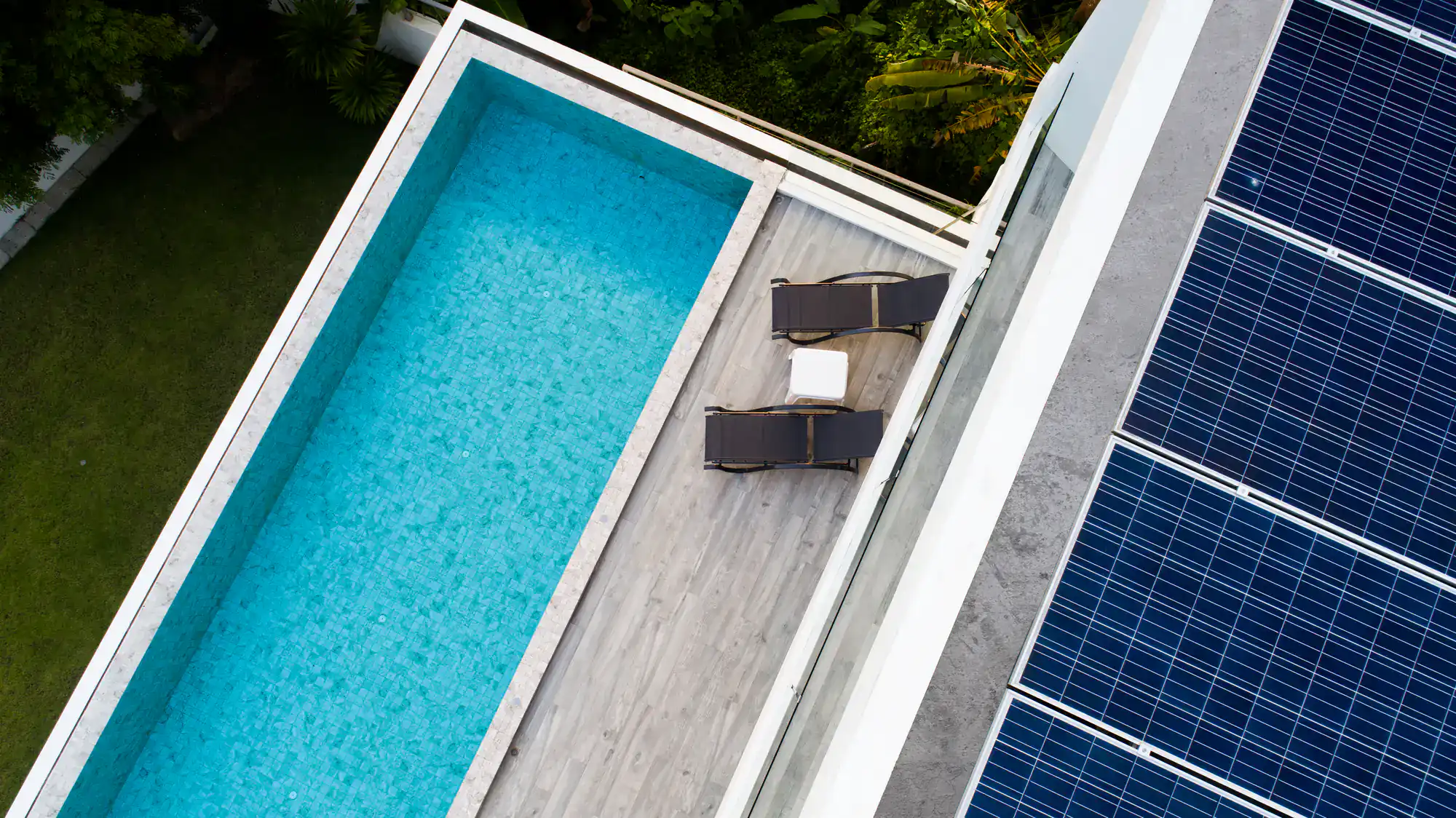
Your pool shouldn't look like an afterthought. Learn how architectural integration creates cohesive outdoor spaces that complement your Douglas County home's style and increase property value.
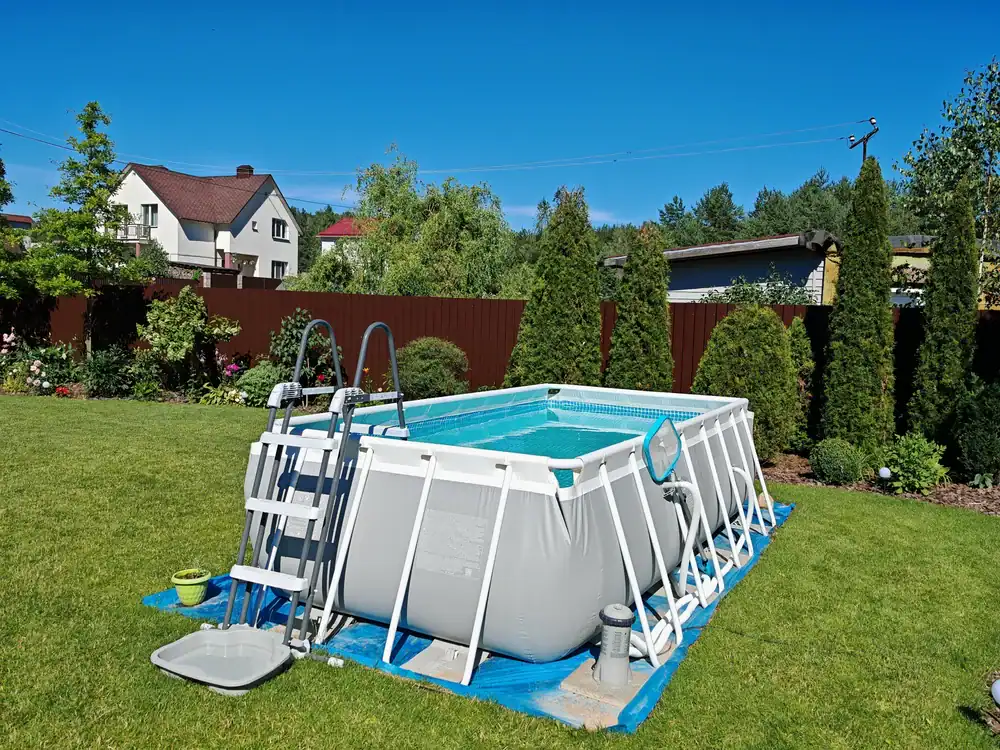
Pool design integration is about more than matching colors. It’s the practice of designing your pool, deck, and surrounding hardscape as a cohesive extension of your home’s existing architecture and interior spaces.
When done right, integration creates visual flow. You look out your back windows and see materials, lines, and proportions that echo what’s already working inside your home. The transition from your patio to your pool deck feels natural, not abrupt.
This matters because your pool will be a focal point of your property for decades. A well-integrated design holds its value, photographs beautifully, and creates outdoor living space you’ll actually want to use. A poorly integrated one becomes that thing you wish you’d done differently.
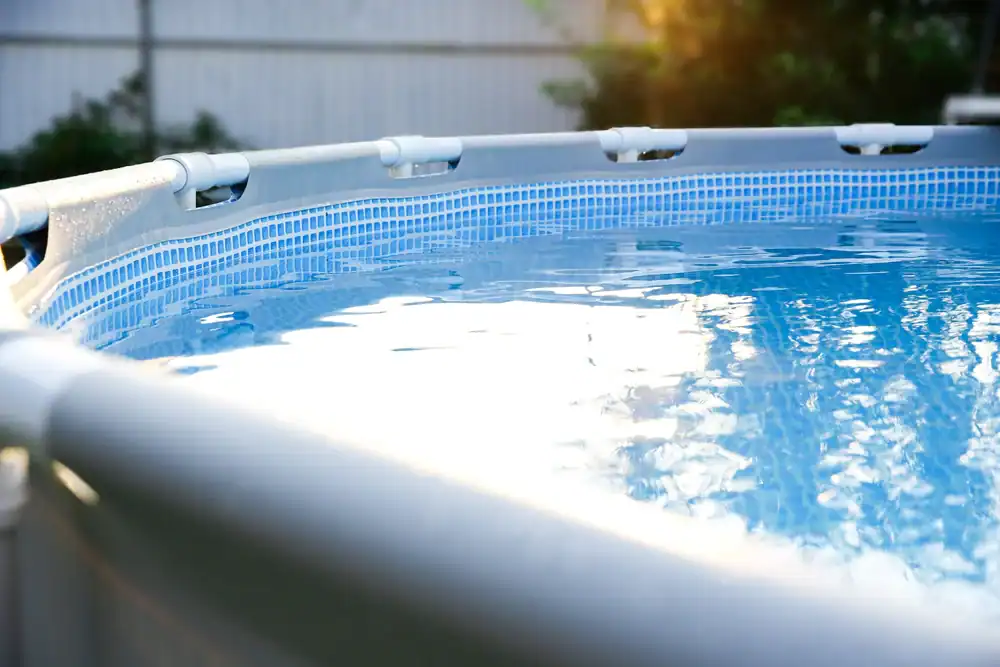
Your home’s architecture gives you a starting point for pool shape decisions. Modern and contemporary homes with clean lines and minimalist aesthetics pair naturally with geometric pool designs. Think rectangles, squares, or L-shapes with sharp angles and straight edges. These shapes echo the architectural language of the home itself.
If you have a Mediterranean, Spanish, or traditional home with curved elements, arches, or softer details, freeform pool designs often work better. These organic shapes with flowing curves complement the warmth and character of these architectural styles. The pool becomes part of the landscape rather than a stark geometric statement.
That doesn’t mean you’re locked into one option. Sometimes contrast works beautifully. A sleek rectangular pool can provide striking counterpoint to a rustic farmhouse, as long as you’re intentional about it. The key is making a choice that feels deliberate rather than random.
Infinity edge pools have evolved beyond hillside properties. Even on relatively flat lots in Douglas County, GA, these vanishing edge designs create dramatic visual effects when paired with the right architecture. They work especially well with modern homes where that seamless, horizon-blending aesthetic reinforces the contemporary style.
Scale matters just as much as shape. A massive freeform lagoon can overwhelm a modest cottage, while a small plunge pool might look out of place next to a sprawling estate. Your pool’s size should feel proportional to both your home’s footprint and your lot size.
The architectural details of your home also offer design cues. If your house features columns, consider echoing that vertical element in your pool fence or pergola design. Arched windows might inspire curved pool steps or a rounded spa. These subtle connections create that sense of intentional design throughout your property.
Materials are where integration becomes tangible. The coping around your pool edge, the decking underfoot, and the hardscape leading from your home all need to work together as a cohesive system.
Start by looking at what’s already on your home’s exterior. Brick, stone, stucco, siding—these materials set your palette. Your pool coping and decking should either match, complement, or intentionally contrast with these existing materials. Travertine coping might echo limestone on your home’s facade. Concrete decking can be colored and textured to coordinate with stucco tones.
The transition from your home’s patio to your pool deck deserves special attention. Using the same material throughout creates the strongest visual flow, making your entire outdoor space feel like one continuous room. If you need to use different materials due to budget or function, look for complementary colors and textures that create a gradual transition rather than a jarring shift.
Decking materials also need to suit Georgia’s climate. Concrete, pavers, and natural stone all perform well in our weather while offering different aesthetics. Concrete can be stamped or stained to achieve various looks at a lower cost. Pavers offer more design flexibility and easier repairs. Natural stone like travertine provides timeless elegance but comes with a higher price point.
Color choices matter more than you might think. Darker pool finishes create modern, sophisticated looks and absorb heat better—useful for extending your swim season. Lighter finishes offer a more traditional, tropical feel and keep water temperatures cooler during peak summer. Either way, your interior finish should coordinate with your overall color scheme.
Don’t forget about the details. Tile accents at your waterline, the finish on your pool equipment, even the color of your pool furniture—these elements either reinforce your integrated design or work against it. A Mediterranean home with rustic tile accents looks odd paired with ultra-modern chrome fixtures. Consistency in these details shows thoughtfulness.
The goal is creating a visual journey from your back door to your pool that feels smooth and intentional. When someone walks through your space, they shouldn’t notice jarring transitions or wonder why certain choices were made. Everything should just make sense together.
Want live answers?
Connect with a Deep Waters Pools expert for fast, friendly support.
Indoor-outdoor flow is about erasing the hard line between inside and outside. In Douglas County, GA, where outdoor living extends most of the year, this becomes especially valuable. Your pool area should feel like an extension of your home’s living space, not a separate entity.
This starts with sightlines. Which rooms look out onto your pool area? Your kitchen, living room, and primary bedroom probably offer the most frequent views. Position your pool and key features where they create appealing focal points from these interior spaces. An infinity edge or water feature positioned to be visible from your living room window becomes architectural art you enjoy even when you’re not swimming.
Elevation changes need careful planning. Steps and terraces can create beautiful multi-level designs, but they also need to feel like natural transitions rather than obstacles. Wide, shallow steps invite movement between spaces. Narrow, steep stairs create barriers. The same principle applies to any retaining walls or elevation shifts in your design.
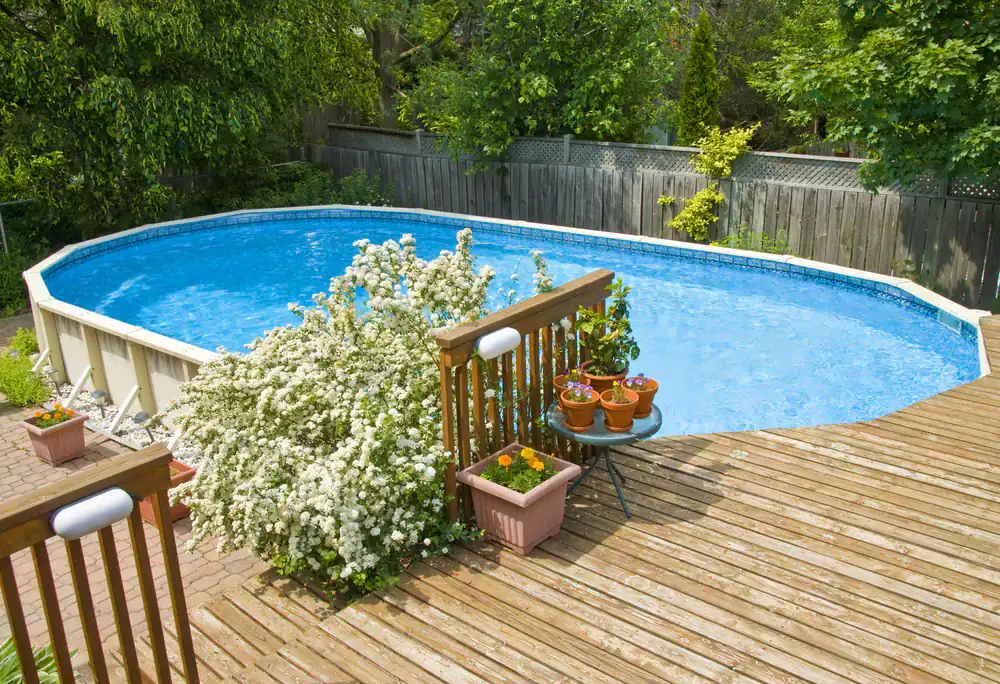
Your pool rarely exists in isolation. Most homeowners want complete outdoor living spaces that include dining areas, kitchens, fire features, and lounging zones. Integrating these elements during the design phase creates better results than adding them piecemeal later.
Think about how you’ll actually use your space. If you love entertaining, your pool design should include gathering areas—maybe a swim-up bar, a raised spa that doubles as seating, or a tanning ledge where people can lounge partially submerged. These features work best when they’re designed as part of the original concept rather than squeezed in afterward.
Outdoor kitchens and dining areas need logical placement relative to your pool. You want them close enough to feel connected but far enough to avoid constant splashing and wet feet during meals. Using the same materials for your kitchen counters and pool coping creates visual connection while maintaining functional separation.
Fire and water features offer dramatic contrast when thoughtfully integrated. A fire bowl positioned near your pool creates striking visual interest and extends usability into cooler evenings. Water features like cascading spillways or sheer descents add movement and sound while reinforcing your design aesthetic. These elements should feel like they belong together, not like they’re competing for attention.
Shade structures—pergolas, cabanas, covered patios—need to echo your home’s architectural style. A modern home calls for clean-lined pergolas with minimal ornamentation. A traditional home might feature columns and decorative brackets. These structures also create defined zones within your outdoor space, helping organize the flow from one area to another.
Landscaping ties everything together. Strategic plantings soften hardscape edges, provide privacy, and create natural transitions between different areas of your yard. Native Georgia plants suited to our climate require less maintenance while blending naturally with the local environment. The landscaping should complement both your home’s architecture and your pool’s design style.
Lighting deserves its own consideration during the design phase. Underwater LED lights, landscape lighting, and architectural lighting on your home all need to work together to create ambiance after dark. This isn’t just about safety—it’s about creating an environment you want to spend time in during evening hours.
Even with good intentions, certain mistakes repeatedly show up in pool projects. Recognizing these pitfalls helps you avoid them in your own design.
The most common error is choosing a pool style based solely on what looks good in photos without considering your home’s architecture. That resort-style lagoon pool might be stunning in a magazine, but if your home is a clean-lined modern design, the styles will clash rather than complement each other. Always filter inspiration through the lens of what makes sense for your specific property.
Ignoring existing site conditions creates problems. Trying to force a particular pool shape onto a lot that doesn’t accommodate it leads to awkward proportions and wasted space. Work with your property’s natural topography and layout rather than against it. Sometimes the best design is the one that embraces your lot’s unique characteristics.
Material mismatches happen when homeowners select pool finishes and decking without considering their home’s existing palette. A pool with Mediterranean tile and warm stone coping looks out of place next to a home with cool gray siding and black window frames. Take time to coordinate these elements during the planning phase.
Overlooking scale is another frequent issue. Pool features that work beautifully on large estates can overwhelm smaller yards. A massive rock waterfall might be the centerpiece of a resort pool, but in a typical residential setting, it can dominate the space and make everything feel cramped. Keep features proportional to your overall property size.
Neglecting the view from inside your home means missing opportunities. You’ll see your pool from your windows far more often than you’ll swim in it. If the most prominent view from your kitchen window is your pool equipment pad or the back of a waterfall, you’ve missed a chance to create something beautiful from that vantage point.
Failing to plan for the future is surprisingly common. Trends change, but good architectural integration is timeless. Avoid design elements that feel too trendy or specific to a particular moment. Classic shapes, quality materials, and thoughtful proportions age gracefully. Gimmicky features date quickly.
The solution to all these mistakes is the same: intentional planning that considers your home’s architecture, your property’s characteristics, and how you’ll actually use the space. When you approach pool design as an architectural project rather than just adding a water feature, you make better decisions that serve you for decades.
Pool design integration isn’t about following rigid rules. It’s about making thoughtful choices that create harmony between your home’s architecture and your outdoor living spaces. When your pool’s shape, materials, and placement all work together with what’s already there, you get a property that feels complete and intentional.
The homeowners who are happiest with their pools years later are the ones who took time during the design phase to consider how everything connects. They thought about sightlines from inside their homes. They coordinated materials between their pool deck and patio. They chose shapes that made sense with their architecture rather than just copying what looked good elsewhere.
If you’re planning a pool for your Douglas County, GA property, start by really looking at your home’s existing style and character. Let that guide your decisions about shape, materials, and features. At Deep Waters Pools, we specialize in this kind of thoughtful, integrated design that serves South Georgia homeowners for years to come.
Summary:
Share: