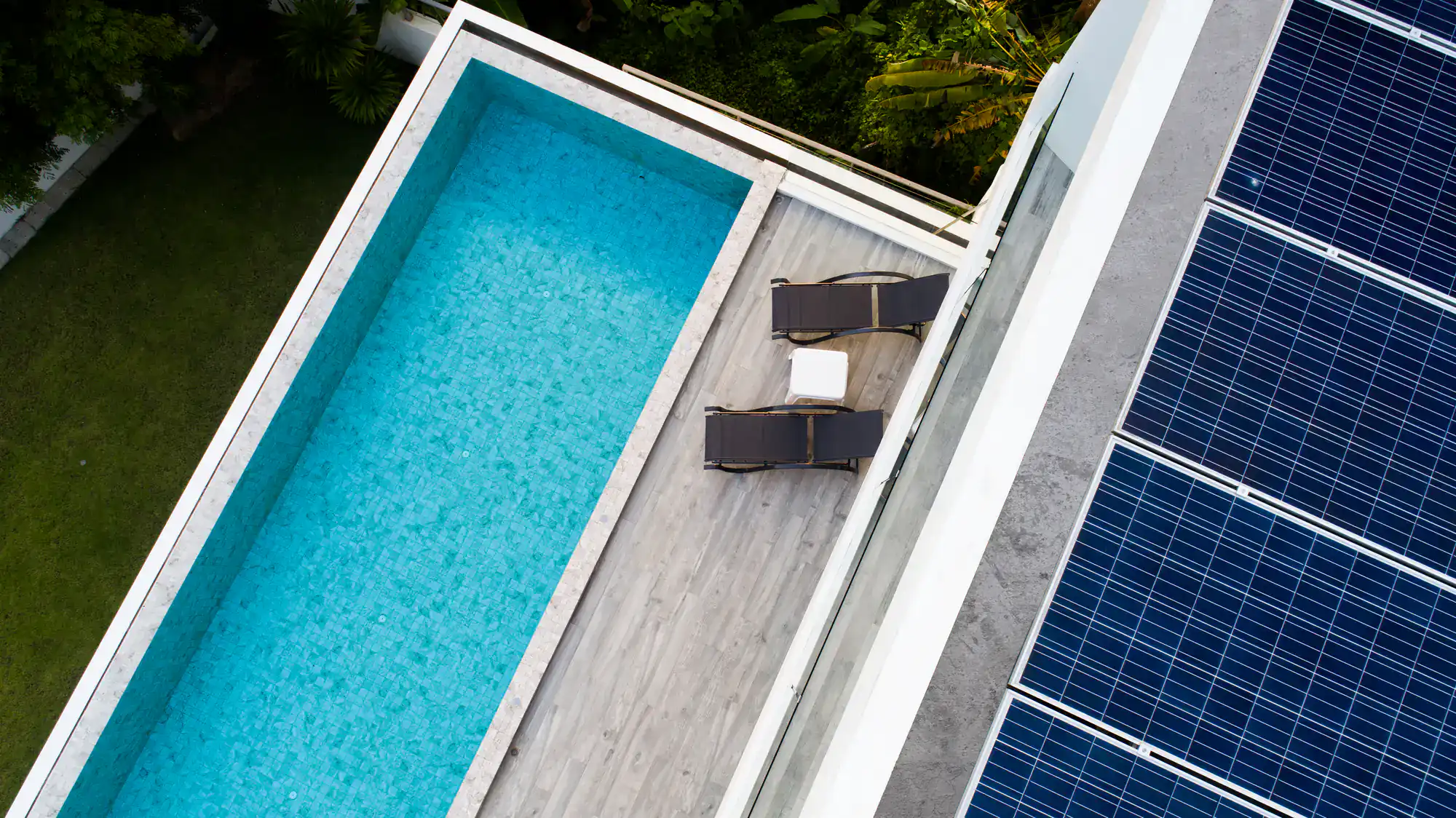
Modern pool design in 2026 isn't just about water—it's about creating a complete outdoor retreat that connects you with nature while delivering functionality you'll use year-round.
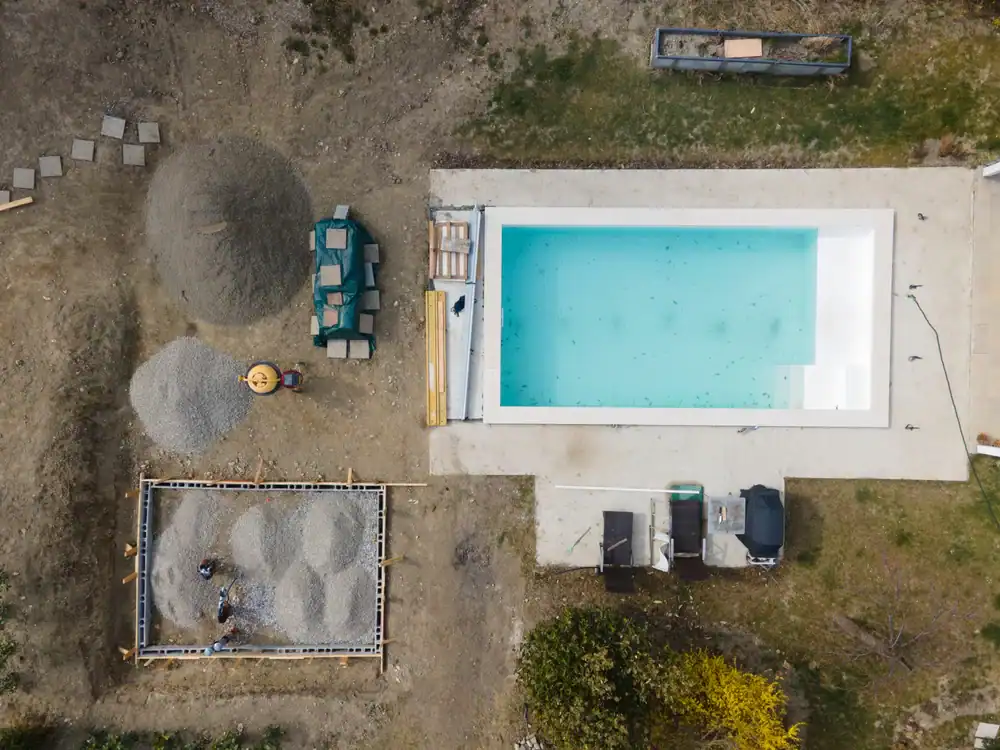
Pool design used to mean picking a shape, choosing a tile color, and hoping for the best. That approach doesn’t cut it anymore. Homeowners in Douglas County, GA are asking different questions now.
They want to know how a pool fits into their existing landscape. They’re curious about energy-efficient equipment that actually saves money over time. And they’re interested in designs that reduce the weekly maintenance grind.
The shift is toward intentional design. Every element serves a purpose. Organic pool shapes aren’t just trendy—they maximize usable space in irregular yards and create natural flow between different outdoor zones. Saltwater systems aren’t just gentler on skin—they eliminate the need to store and handle harsh chemicals. Native plant landscaping isn’t just pretty—it thrives in Georgia’s climate without constant watering or fertilizing.
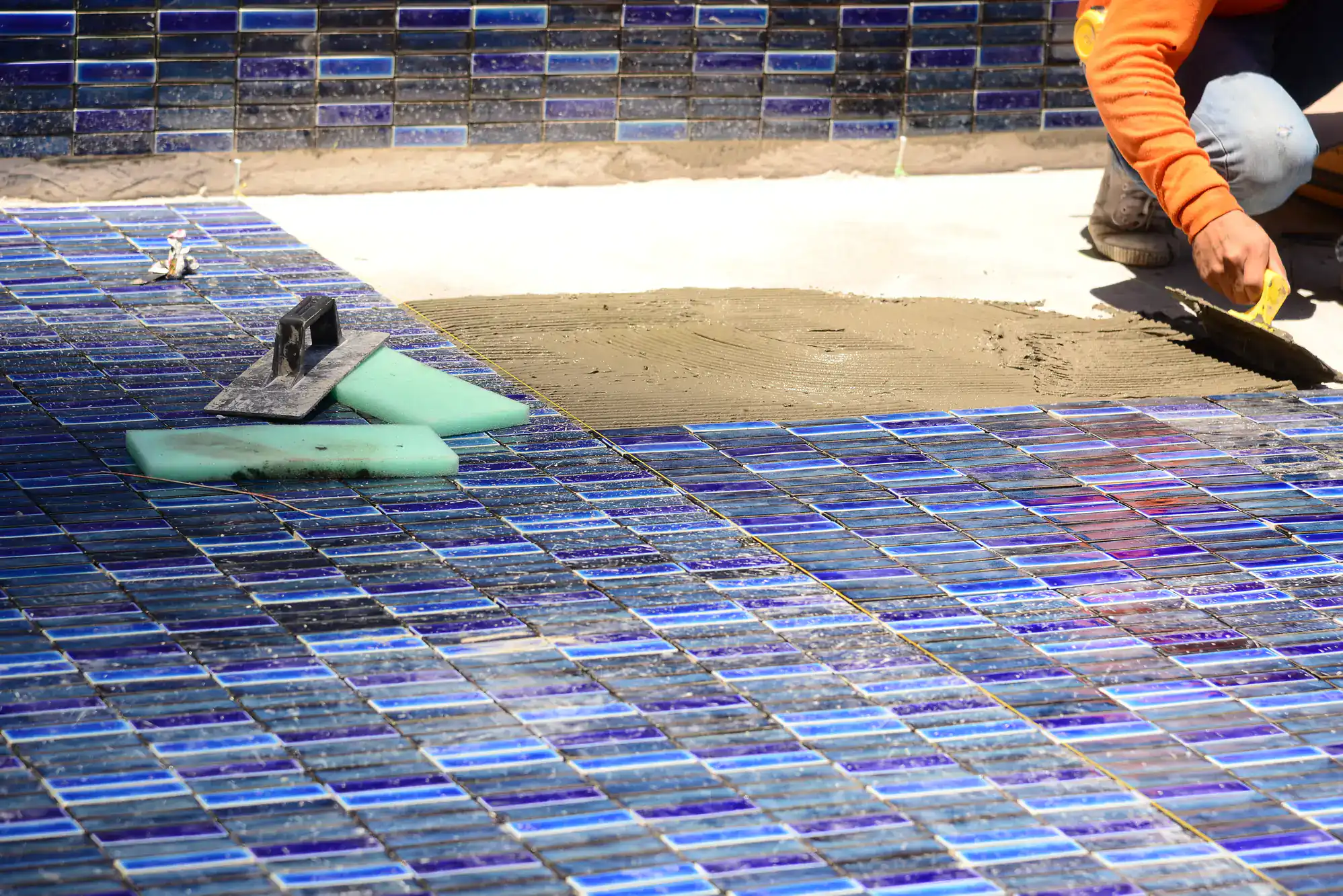
Biophilic design sounds complicated, but the concept is simple: humans feel better when they’re connected to nature. When you apply this principle to pool design, you’re not just building a place to swim. You’re creating an environment that actually reduces stress and encourages you to spend more time outdoors.
In practice, biophilic landscaping around pools means using natural materials like stone and wood instead of synthetic finishes. It means incorporating native Georgia plants—things like wax myrtle, dwarf palmetto, and needle palm—that provide privacy and shade without requiring weekly attention. It means designing water features that mimic the sound of natural streams rather than mechanical fountains.
The result feels less like a backyard amenity and more like a retreat. You’re not maintaining a pool. You’re enjoying a space that happens to include one.
This approach works particularly well in Douglas County, GA, where the climate supports lush vegetation year-round. Native plants are adapted to the heat, humidity, and occasional drought conditions. They don’t need the constant intervention that non-native ornamentals demand. You get the visual impact of a well-landscaped pool area without the weekly trips to the garden center.
Biophilic design also considers how different elements work together. Your pool’s shape might follow the natural contours of your yard rather than forcing a geometric pattern. Decking materials might be chosen for how they feel underfoot and how they age rather than just initial appearance. Lighting might be positioned to highlight natural features rather than simply illuminating the water.
The practical benefits are real. Research shows that spending time in nature-inspired spaces reduces cortisol levels and improves mood. When your pool area incorporates these principles, you’re more likely to actually use it. It becomes a place where you want to be, not just a feature you maintain.
For decades, rectangular pools dominated because they were straightforward to build and fit neatly into most yards. They still have their place, especially for lap swimming or contemporary architecture. But organic shapes are gaining ground in 2026 for good reasons.
An organic pool shape follows natural curves rather than rigid lines. Think kidney bean, lagoon, or freeform designs that mirror ponds or natural bodies of water. These shapes aren’t just aesthetic choices. They solve practical problems.
In Douglas County, GA, where lot sizes and shapes vary considerably, organic pool designs can maximize usable pool space while working around existing trees, slopes, or structures. A curved pool can wrap around a corner of your house, creating distinct zones for shallow play areas and deeper swimming sections without requiring dividers or separate structures.
These shapes also integrate better with biophilic landscaping. When your pool curves naturally, you create more edge space for planting. Native grasses, flowering perennials, and low-maintenance shrubs can soften the transition between water and yard. The result looks intentional rather than like someone dropped a blue rectangle into your landscaping.
From a functional standpoint, organic shapes often include built-in features that would require separate construction in rectangular pools. Tanning ledges, beach entries, and submerged seating areas flow naturally from the pool’s curves. You’re not adding features—you’re designing them into the original shape.
The construction process for organic shapes requires more expertise than basic rectangular pools, which is why working with experienced builders matters. Poor execution of a freeform design can create maintenance headaches or structural issues. Done right, though, these pools age better because they’re designed around your specific property rather than forced into a standard template.
Cost is often a concern with custom shapes, but the difference isn’t as dramatic as many people assume. You’re not necessarily using more materials—you’re using them differently. The value comes from getting a pool that actually fits your yard and lifestyle rather than compromising on both to save a few thousand dollars upfront.
Want live answers?
Connect with a Deep Waters Pools expert for fast, friendly support.
Eco-friendly used to mean expensive and complicated. Not anymore. The sustainable pool features available in 2026 pay for themselves through lower operating costs, and many are simpler to maintain than traditional systems.
Start with the basics: variable-speed pumps use significantly less electricity than old single-speed models. They adjust output based on actual demand rather than running full-blast constantly. Over a Georgia summer, that difference shows up on your power bill.
Saltwater systems reduce your dependence on chlorine products you have to buy, store, and handle. The initial investment in a salt chlorine generator is offset by years of not purchasing buckets of chemicals. The water feels better, your swimsuits last longer, and you’re not dealing with that harsh chlorine smell that clings to towels and furniture.
LED lighting uses a fraction of the energy of traditional pool lights and lasts years longer. Solar covers reduce evaporation, which matters more than you might think in Georgia’s heat. You’re not constantly adding water, which means you’re not constantly rebalancing chemicals.
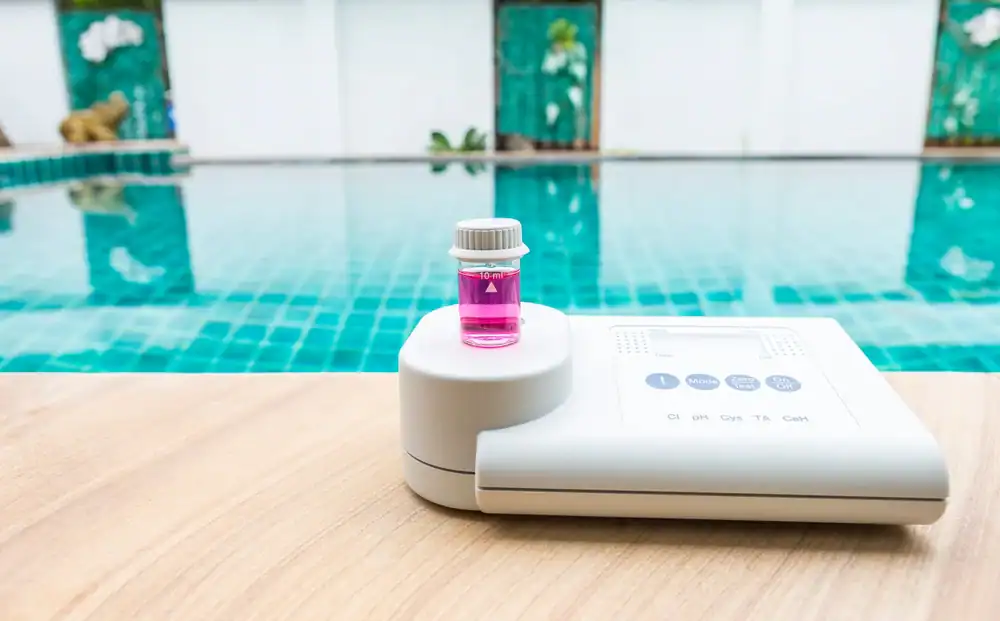
If you already have a pool in Douglas County, GA, saltwater conversion is one of the most practical upgrades you can make. The process is straightforward, and the benefits are immediate.
You don’t drain your existing pool. You don’t need to replace the structure or most of your equipment. We install a salt chlorine generator in your filtration system, add pool-grade salt to your water, and let the system do its work. The generator converts salt into chlorine through electrolysis, maintaining proper sanitation levels automatically.
The water in a saltwater pool contains about one-tenth the salinity of ocean water. You won’t taste salt. You won’t feel sticky. What you will notice is that your eyes don’t burn, your skin doesn’t dry out, and you’re not constantly adjusting chemical levels.
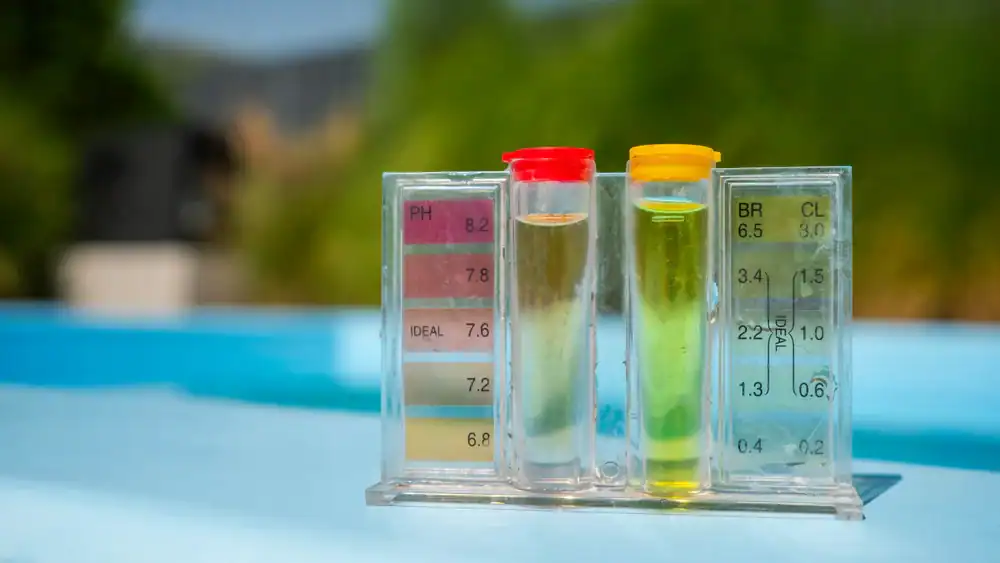
Maintenance becomes simpler. You still test your water, but you’re not hauling chlorine containers or dealing with the storage and safety issues that come with traditional pool chemicals. The system self-regulates chlorine production based on your pool’s needs.
Cost for saltwater conversion typically ranges from $500 to $3,200, depending on your pool size and the quality of equipment you choose. That’s roughly equivalent to three to four years of chlorine purchases for an average pool. After that, you’re saving money annually while enjoying a better swimming experience.
There are considerations. Salt can accelerate corrosion on metal pool components like ladders, light fixtures, and handrails. Quality installations include protective measures like zinc anodes that corrode sacrificially, protecting your other equipment. This is why working with builders who understand saltwater systems matters.
The conversion works with any pool type—concrete, fiberglass, or vinyl liner. Your existing filtration system remains in place. The salt cell simply becomes the last component before water returns to your pool, ensuring efficient chlorine generation without affecting other equipment.
For Douglas County, GA homeowners, saltwater conversion makes particular sense given the extended swimming season. You’re using your pool more months of the year, which means the maintenance benefits and cost savings compound over time.
The landscaping around your pool shouldn’t require more maintenance than the pool itself. That’s where native plant integration changes everything for Douglas County, GA homeowners.
Georgia native plants evolved in this climate. They handle the heat, humidity, and occasional dry spells without constant intervention. They don’t need special fertilizers or weekly watering once established. And they provide food and habitat for local pollinators and birds, which means your backyard becomes more than just a pool area—it becomes a living ecosystem.
For pool areas specifically, you want plants that tolerate occasional splashing and don’t drop excessive debris into the water. Wax myrtle works well as a privacy screen—it’s evergreen, salt-tolerant if you have a saltwater pool, and requires minimal pruning. Dwarf palmetto adds tropical character without the maintenance demands of non-native palms. Needle palm is particularly useful near pools because it tolerates wet soil and creates dense canopies for shade.
Ornamental grasses like muhly grass provide texture and movement without the mess of trees or the constant deadheading that flowering plants often require. They’re drought-tolerant once established and handle full sun, which is common in pool areas.
The key is working with your existing conditions rather than fighting them. If your pool area gets full sun all day, choose plants that thrive in those conditions instead of trying to grow shade-lovers. If you have clay soil, select natives adapted to it rather than amending endlessly.
Proper placement matters too. Taller plants work well as privacy screens or windbreaks but shouldn’t be positioned where they’ll drop leaves directly into the pool. Lower groundcovers can soften hardscaping edges without creating maintenance issues. Strategic groupings create visual interest while making watering and care more efficient.
Native plant landscaping also increases property value in ways that traditional landscaping doesn’t always achieve. Today’s buyers appreciate low-maintenance features and sustainable design. A pool surrounded by thriving native plants signals that the property was thoughtfully designed rather than just installed.
The initial plant selection and placement requires some planning, which is where working with builders who understand both pool construction and landscaping proves valuable. Done right, you’re creating a complete outdoor environment that improves with age rather than requiring constant intervention to maintain.
Pool design in 2026 is about more than adding water to your backyard. It’s about creating a space that works with your property, your climate, and how you actually want to spend your time outdoors.
The trends toward biophilic design, organic shapes, eco-friendly features, and native plant integration aren’t just trends. They’re practical responses to what homeowners have learned about pool ownership over decades. Less maintenance, lower costs, better experiences—that’s what drives these design decisions.
If you’re considering a pool or a backyard makeover in Douglas County, GA, start by thinking about how you’ll actually use the space. Then work with builders who understand how to integrate pool design with sustainable practices and local conditions. We’ve been helping South Georgia families create custom outdoor spaces for over 30 years, combining experienced craftsmanship with modern design principles that prioritize both beauty and functionality.
Summary:
Share: