
Hear from Our Customers
Here’s what matters: you want a pool that doesn’t drain your savings, doesn’t take all summer to install, and doesn’t turn into a permitting disaster. Above ground pools cost around $4,000 compared to $65,000 for in-ground options. That’s not a typo.
You’re looking at installation in 1-2 days instead of weeks. You’re avoiding the headache of massive excavation, complex plumbing, and the kind of site work that turns your yard into a construction zone all season.
And if you ever want to move it, reconfigure your backyard, or even take it with you when you sell—you can. That’s flexibility in-ground pools simply don’t offer, especially when you’re working with Georgia’s unpredictable clay and soil conditions that shift and settle over time.
Deep Waters Pools was built on 30+ years of hands-on pool construction experience—concrete work, plumbing, custom builds. We’ve been serving families across South Georgia since 2014, and we know what works here.
Glory sits in an area where soil conditions can make or break a pool installation. We’re talking red clay that expands and contracts, drainage issues that pop up after heavy rain, and local permit requirements that vary by county. We handle that.
You’re not getting a crew that learned pool installation from YouTube. You’re getting people who’ve done this hundreds of times, who know the difference between a site that’s ready and one that’ll cause problems in six months.
First, we assess your yard. Not every spot works, and we’d rather tell you that upfront than deal with problems later. We’re looking at ground level, drainage, soil type, and access for equipment.
Next comes site preparation. This is where experience matters. Georgia soil—especially the dense clay common around Glory—needs proper compaction and leveling. We’re talking about supporting up to 112,000 pounds when your pool is full. Shortcuts here cost you later.
Then we handle permits. Most areas in Georgia require them, and yes, that includes above ground pools over 24 inches deep. We know what Douglas County and surrounding areas require: inspections, setback rules, and fencing regulations.
Installation happens fast once the site is prepped. We’re talking 1-2 days for most above ground pool installations. You’ll have the pool structure up, plumbing connected, and everything tested before we leave. Then we walk you through maintenance basics so you’re not guessing how to keep it clean.
Ready to get started?
You get a site evaluation that’s honest. If your yard has drainage issues or soil problems, we’ll tell you before you spend a dime. We’ve seen too many pool installations fail because someone skipped this step.
You get proper site prep. That means grading, compaction, and ground cover that prevent shifting and settling. In South Georgia, where we get heavy rain and soil that moves, this isn’t optional.
You get permit handling. We pull the permits, schedule inspections, and make sure your installation meets Georgia’s safety codes—including the required 4-foot fencing with locks. You don’t have to figure out what Fulton, Gwinnett, or Douglas County requires.
You get pool design options that fit your space. Whether you’re working with a small yard or want something larger, we’ll show you what actually works for your property. Models start at 12 feet in diameter and go up from there. And you get installation that’s done right the first time, with equipment that’s accessible for maintenance and parts you can actually reach when something needs attention.
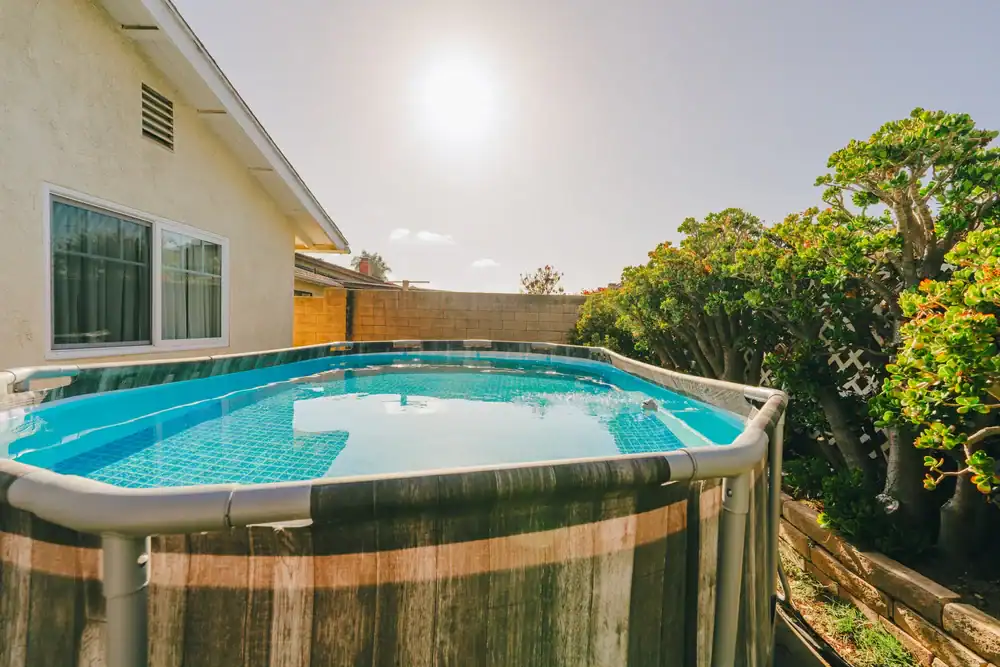
Yes, most likely. In Georgia, any pool deeper than 24 inches typically requires a permit, and that includes above ground pools. Douglas County and surrounding areas require permits before installation, along with inspections during and after construction.
You’ll also need to meet fencing requirements. Georgia requires 4-foot fencing with self-closing, self-latching gates around pools. The state doesn’t allow direct access from your house to the pool area—you need that separate barrier.
We handle the permit process as part of installation. That means pulling permits, scheduling inspections, and making sure your pool meets local codes. It’s one less thing you have to figure out, and it keeps you from running into problems with your homeowner’s insurance or county compliance later.
Installation itself takes 1-2 days once the site is prepped. That’s the actual pool setup—getting the structure up, connecting plumbing, filling it, and making sure everything works.
Site preparation happens before that, and timing depends on your yard. If you’ve got level ground with good drainage, prep is quick. If we’re dealing with sloped terrain or clay soil that needs extra compaction work, it takes longer.
Permits add time to the overall timeline, usually a week or two depending on how backed up the county is. And if you’re hiring during peak season—late spring and early summer—you might wait longer for scheduling. That’s why it makes sense to plan ahead if you want your pool ready by Memorial Day.
Site prep is about creating a stable, level base that won’t shift under the pool’s weight. When your pool is full, you’re looking at tens of thousands of pounds of water pressure. The ground has to handle that without settling or creating uneven stress on the pool walls.
In Glory and surrounding South Georgia areas, we’re usually dealing with clay soil. Clay expands when wet and contracts when dry, which creates movement. We compact the soil, add a sand or gravel base, and make sure drainage directs water away from the pool area.
We also clear the site of rocks, roots, and debris that could puncture the pool liner. And we check for underground utilities before any digging happens. Proper site prep prevents most of the problems people run into later—leaning pools, liner damage, and structural issues that could’ve been avoided from the start.
Above ground pools average around $4,000 installed. In-ground pools in Georgia average $65,000. That’s roughly 16 times more expensive, and that’s before you factor in higher maintenance costs and property tax increases that come with permanent in-ground installations.
The price difference comes down to labor and materials. You’re not excavating, pouring concrete, or running complex plumbing underground. Installation is faster, which means lower labor costs. And if you ever want to move the pool or remove it entirely, you can—something that’s basically impossible with in-ground options.
Keep in mind you’ll still have ongoing costs: chemicals, electricity for the pump, and occasional part replacements. But the upfront investment is a fraction of what you’d spend on in-ground construction, which makes pool ownership accessible for a lot more families.
Yes, when they’re installed correctly. Georgia’s climate—hot, humid summers and soil that shifts with moisture—requires proper site prep and installation. That’s where a lot of DIY installations or inexperienced contractors run into trouble.
The key is ground stability. Clay soil, which is common around Glory, needs compaction and a stable base layer to prevent movement. Sandy soil, more common closer to the coast, needs reinforcement to handle the pool’s weight. We assess your specific soil type and prep accordingly.
Weather-wise, above ground pools hold up well in Georgia heat. The bigger concern is winter. If you’re keeping your pool up year-round, you’ll need to maintain water levels and chemical balance to prevent damage during occasional freezes. Most people either winterize their pools or keep them running with reduced maintenance during cooler months.
Probably. Most homeowner’s insurance policies in Georgia either exclude pools entirely or require additional coverage. You’ll want to contact your insurance company before installation to understand what’s required and how it affects your premium.
Insurance companies care about liability. If someone gets hurt in your pool, you could be liable. That’s why Georgia requires fencing and safety measures—it reduces risk. Having proper fencing, self-latching gates, and documented permits can sometimes lower your additional premium.
Some policies require a minimum liability coverage amount once you add a pool, typically $100,000 to $300,000. Others offer umbrella policies that cover pools along with other liability risks. The cost varies, but expect your annual premium to increase. It’s worth getting quotes before you commit to installation so there are no surprises.