
Hear from Our Customers
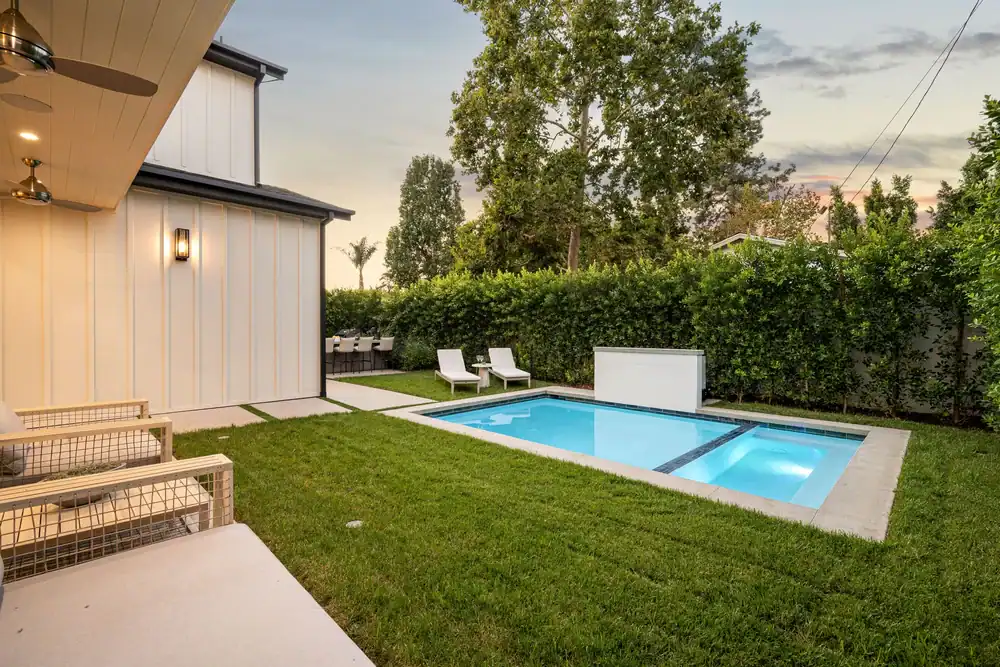
Your backyard becomes the place your family actually wants to be. Not just during summer, but year-round in Georgia’s extended warm season. You’re not dealing with above-ground limitations or constant repairs—you’ve got a permanent feature that increases your home’s value by up to 7% while giving you a place to unwind after work or entertain on weekends.
The difference with custom gunite construction is durability. Georgia’s red clay soil expands and contracts with the seasons. Concrete pools are engineered to handle that movement without cracking or settling. You’re not calling someone back in three years because the structure failed.
And you’re not navigating permits, inspections, or county requirements alone. That’s handled from day one, so you’re not stuck figuring out setback rules or safety barrier codes while trying to plan your backyard oasis.
We’ve been building inground cement pools in this area since before most online reviews existed. That longevity isn’t luck—it’s the result of treating every project like it’s going in our own yard. No shortcuts. No surprises.
We’re licensed and insured, which should be a given but isn’t always the case in this industry. We know Douglas County’s building departments, soil conditions, and what actually works here. When you’re working with a family-owned business that’s been around this long, you’re not getting someone who just started watching YouTube videos about pool construction.
You’re getting someone who’s seen what fails, what lasts, and what homeowners in Bolen, GA actually need when they’re investing this kind of money into their property.
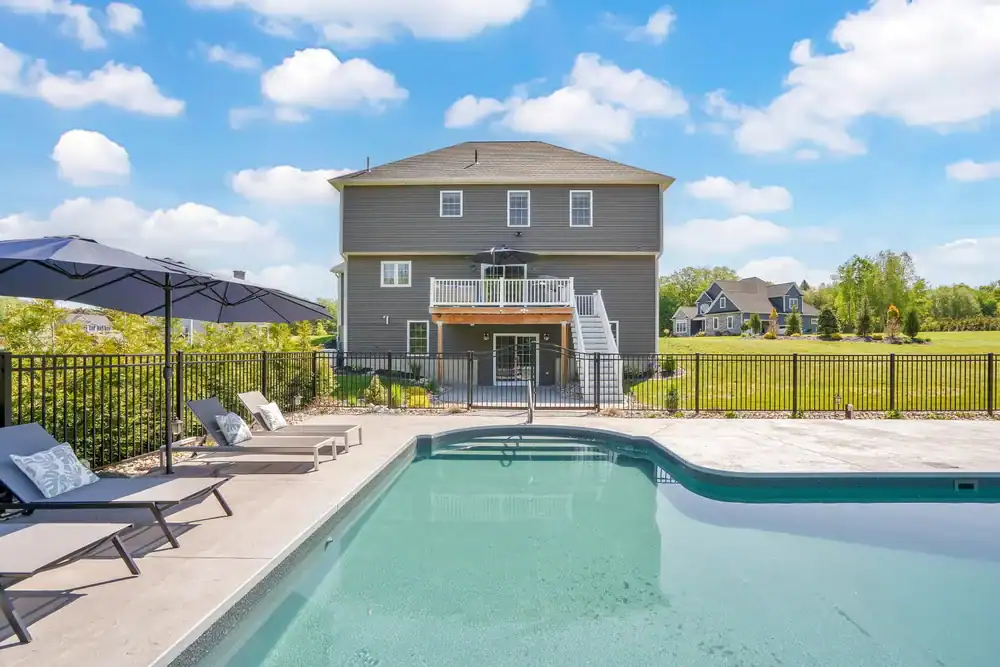
First, we evaluate your property. Soil type, drainage, access for equipment, setbacks from property lines—all of it matters before we even talk design. You’ll know upfront if there are challenges or if your yard is straightforward.
Then we design your pool based on how you’ll actually use it. Not just what looks good in a brochure. We handle all permit applications, site plans, and safety barrier requirements with the county. You’re not making trips to the building department or wondering if something will pass inspection.
Once permits are approved, excavation begins. We use equipment suited for Georgia’s clay-heavy soil. After excavation, we build the gunite shell, install plumbing and electrical, add your filtration system, and finish with decking and any additional features you’ve chosen. Most projects take 8-12 weeks from permit approval to completion, and we build in buffer time for weather delays because they will happen.
You get training on your equipment and maintenance before we’re done. No guessing how to balance chemicals or run your filter system.
Ready to get started?
You get a complete site evaluation before anything is signed. Custom design work based on your yard’s dimensions and how your family will use the space. All necessary permits and inspections handled by us. Professional excavation with equipment that can handle Douglas County’s soil conditions.
The pool itself is gunite construction—steel-reinforced concrete that’s sprayed and shaped on-site. This gives you unlimited design options and the durability Georgia weather demands. All electrical and plumbing work is done to code. Your filtration system is installed and tested. Safety barriers are included to meet county requirements.
We also handle the cleanup and final grading. You’re not left with a finished pool and a torn-up yard. And before we consider the job complete, you get a full walkthrough on operating and maintaining everything. The goal is a finished project you can enjoy immediately, not something you’re still figuring out months later.
Georgia homeowners are increasingly adding features like tanning ledges, LED lighting, and built-in seating. We can incorporate those elements if they fit your budget and how you plan to use the pool.
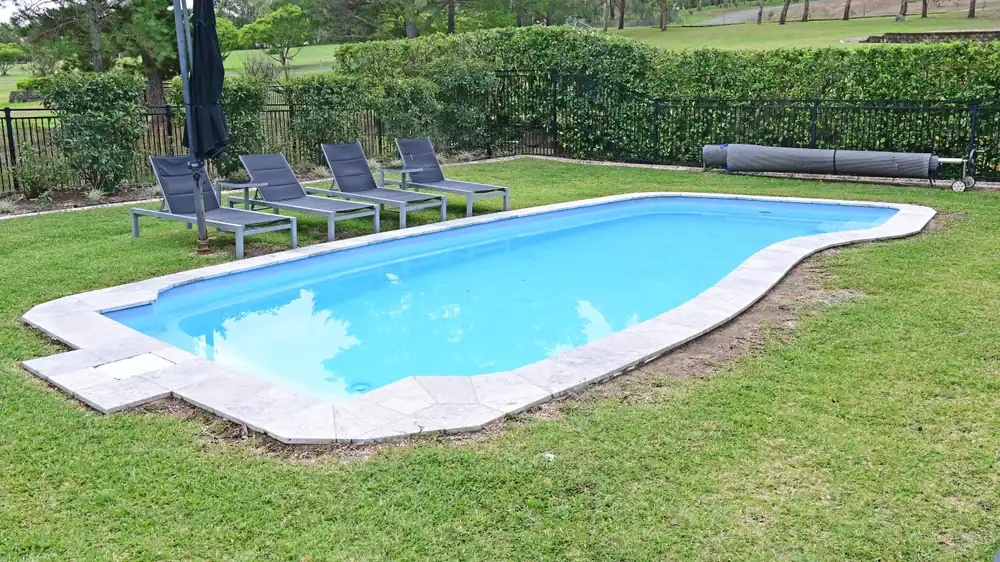
Most custom inground pool projects take 8-12 weeks from the day permits are approved to the day you can swim. That’s the realistic timeline, not the best-case scenario some contractors pitch to close a deal.
The permit process itself adds time before construction even starts—usually 2-4 weeks depending on the county’s workload and whether your design requires any variances. If you’re signing a contract in May, don’t expect to be swimming by Memorial Day. That’s not how it works with quality construction.
Weather delays are real in Georgia. Heavy rain stops excavation and concrete work. We build buffer time into our schedules because we’d rather underpromise and deliver early than leave you wondering why your pool is weeks behind. The biggest mistake homeowners make is changing design elements mid-project. Every change triggers delays and extra costs, so it’s worth taking time upfront to finalize your design before construction begins.
Gunite costs more upfront because you’re getting a custom-built structure, not a pre-formed shell dropped into a hole. Every gunite pool is unique—shaped on-site with steel-reinforced concrete that’s sprayed and hand-troweled to your exact specifications.
That process requires skilled labor, specialized equipment, and more time than fiberglass or vinyl liner installations. But here’s what you’re actually paying for: a pool that handles Georgia’s soil movement without cracking, unlimited design flexibility, and a structure that lasts 50+ years with proper maintenance.
Fiberglass pools come in predetermined shapes and sizes. Vinyl liners need replacement every 7-10 years at significant cost. Gunite pools can be resurfaced when needed, but the shell itself is permanent. For Georgia’s clay soil and temperature swings, gunite performs better long-term. You’re not the cheapest option, but you’re investing in fewer repairs, fewer replacements, and a pool that actually increases your property value when it’s time to sell.
Yes. All residential swimming pools in Georgia require permits before construction begins. Douglas County enforces this, and building without proper permits creates serious problems—fines from the county, complications when you sell your home, and potential liability issues if someone is injured.
Permit requirements cover the pool structure itself, electrical work, plumbing, and safety barriers like fencing or pool covers. The county wants to verify everything meets building codes and safety standards. Setback requirements from property lines vary depending on your lot, and some neighborhoods have additional HOA restrictions on top of county rules.
We handle the entire permit process—applications, site plans, engineering documents, and scheduling inspections. You’re not navigating county offices or wondering if something will pass. Our experience with Douglas County’s building department means we know what they’re looking for and how to get approvals without unnecessary delays. Trying to skip permits or handle them yourself usually costs more time and money than having someone who does this regularly manage it from the start.
Georgia’s red clay soil has high clay content that expands when wet and contracts when dry. That constant movement puts stress on pool structures, especially if they’re not engineered properly. Pools that aren’t built to handle soil movement develop cracks, settling issues, and structural problems within a few years.
Gunite pools are ideal for these conditions because the steel-reinforced concrete shell is strong enough to resist ground movement. The construction process also allows us to address drainage and soil compaction before the shell goes in, which prevents future settling. Fiberglass pools can shift or pop out of the ground if soil isn’t properly prepared, and vinyl liner pools develop wrinkles or tears when the ground moves underneath them.
Excavation in clay soil also requires specialized equipment. You can’t just dig a hole with standard machinery—the clay is dense and sticky, especially after rain. We use equipment designed for Georgia’s soil conditions, and we schedule excavation around weather because trying to dig in saturated clay creates more problems than it solves. Understanding these local challenges upfront is the difference between a pool that lasts decades and one that needs major repairs within five years.
A professionally installed inground pool typically increases your home’s value by 5-7% in Georgia’s market. That percentage varies based on your neighborhood, the quality of the installation, and how well the pool fits with your property’s overall value. A $50,000 pool on a $400,000 home makes sense. The same pool on a $150,000 home might not return as much.
Buyers in Georgia actively look for homes with pools because of our extended warm season. You’re not just appealing to summer swimmers—pools get used from April through October in this climate. Custom gunite pools with quality finishes and modern features like LED lighting or saltwater systems appeal more to buyers than older, poorly maintained pools.
The return on investment isn’t just about resale value. You’re also getting years of use and enjoyment before you ever sell. Families with kids, people who entertain regularly, or anyone who wants a private outdoor space see value beyond the appraisal number. The key is working with licensed, insured contractors who build to code and use quality materials. Cheap installations or unpermitted work actually hurt your home’s value because they create liability and repair issues for the next owner.
Shotcrete and gunite are both methods of spraying concrete to form a pool shell, and the terms are often used interchangeably. The technical difference is when water is added to the mix. Gunite is a dry mix where water is added at the nozzle during spraying. Shotcrete is a wet mix where water is added before the material reaches the spray nozzle.
Both methods create strong, durable pools when done correctly. The choice between them usually comes down to the contractor’s equipment and experience rather than one being significantly better than the other. What matters more is the skill of the crew applying the material and how well the steel reinforcement is installed before spraying begins.
In Georgia’s climate, both shotcrete and gunite pools perform well because they’re both steel-reinforced concrete structures designed to handle ground movement and temperature changes. The quality of the installation—proper soil preparation, adequate steel rebar, correct concrete mix, and skilled application—affects longevity more than whether the mix was wet or dry when it was sprayed. When you’re evaluating inground pool contractors, focus on their experience, licensing, and completed projects rather than getting hung up on shotcrete versus gunite terminology.