
Hear from Our Customers
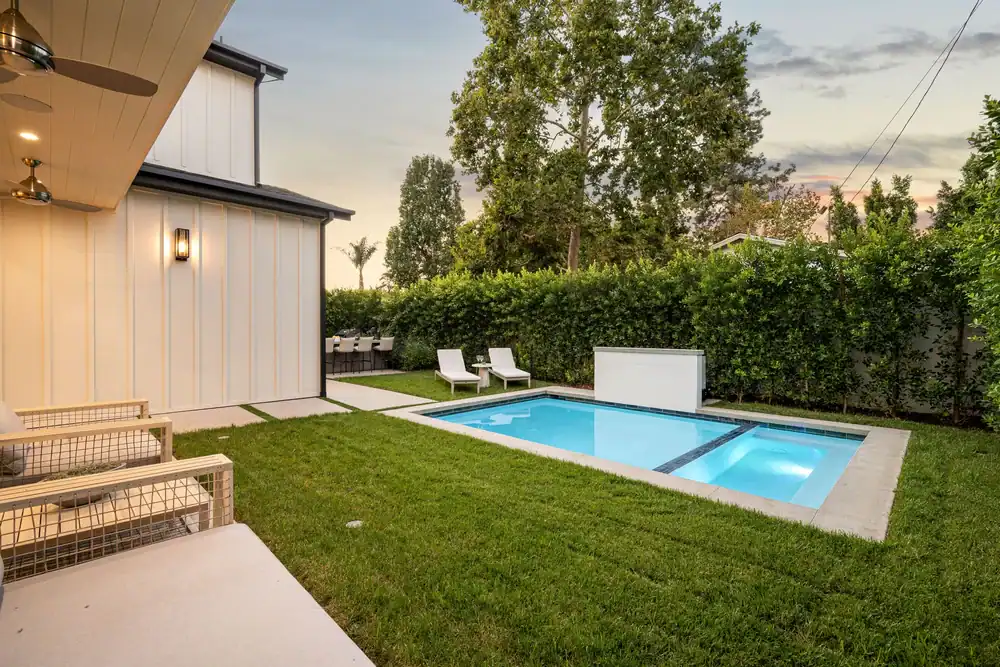
Your backyard becomes the place your family actually wants to be. Not just in July, but year-round if you add heating. You’re creating a space where your kids learn to swim, where you cool off after work, where weekends don’t require a drive anywhere.
The right pool adds around 7% to your home’s value in Georgia. That’s real equity, not just enjoyment. But only if it’s built correctly from the start.
Concrete pools give you unlimited design options. Want a tanning ledge? Built-in spa? Custom depth for diving or volleyball? You’re not picking from three fiberglass molds. You’re getting exactly what fits your yard, your family, and how you’ll actually use it.
Georgia’s red clay soil retains moisture and drains slowly. That matters during construction and for long-term stability. Shotcrete pool contractors who know this area account for soil conditions before they dig. The ones who don’t? You’ll see cracks, settling, and expensive repairs within five years.
You also avoid the nightmare of construction delays, failed inspections, or realizing halfway through that your contractor doesn’t know Douglas County’s permit process. When the job’s done right, you’re swimming in 8-12 weeks, not wondering when someone’s coming back to fix what should’ve been done correctly the first time.
We’ve been building custom inground cement pools in this area for over 30 years. We’re not a franchise that showed up last year. We’ve worked through Georgia’s soil challenges, weather delays, and permit changes long enough to know what actually works in Kirkland, GA.
We specialize in gunite construction because it’s the most durable option for Georgia’s climate. Unlimited shapes, sizes, and features. No limitations from pre-made molds.
You’ll work directly with people who’ve built hundreds of pools in Douglas County. We handle permits, inspections, and the entire construction process. You get honest pricing upfront and a pool that’s built to last decades, not just pass inspection.
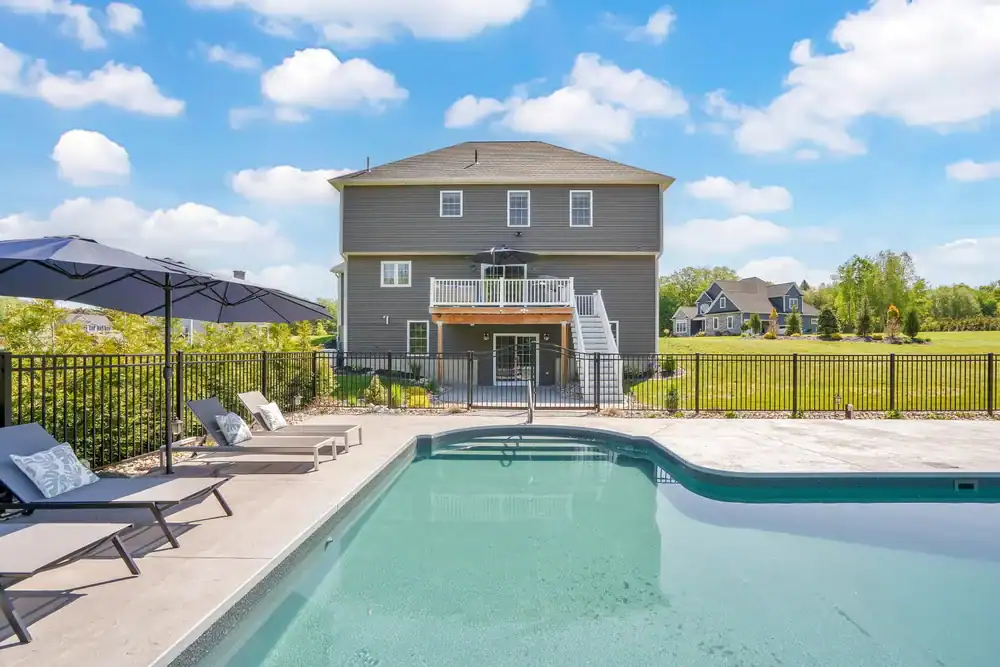
First, we meet at your property. We look at your yard, talk about how you want to use the pool, and discuss design options that actually fit your space and budget. No pressure, just information.
Once you’re ready to move forward, we handle permits and approvals with Douglas County. This typically takes 1-2 weeks depending on the county’s schedule. We submit everything and make sure it’s done correctly so you don’t face delays or rejections.
Excavation comes next. We dig according to your custom design, accounting for Georgia’s red clay soil conditions. The steel framework goes in, then we spray the shotcrete (or gunite) to form the pool shell. This is where your pool takes its actual shape.
After the concrete cures, we install plumbing, electrical, and filtration systems. Then comes tile, coping, and whatever finish you’ve chosen for the interior. Decking goes in last.
The entire process typically takes 8-12 weeks in normal conditions. Weather can add time—Georgia rain delays are real, and we won’t rush critical steps just to hit a date. You’ll know the timeline upfront and get updates when things change.
Final inspection happens with the county. Once you pass, we walk you through equipment operation, maintenance basics, and answer any questions. Then you’re swimming.
Ready to get started?
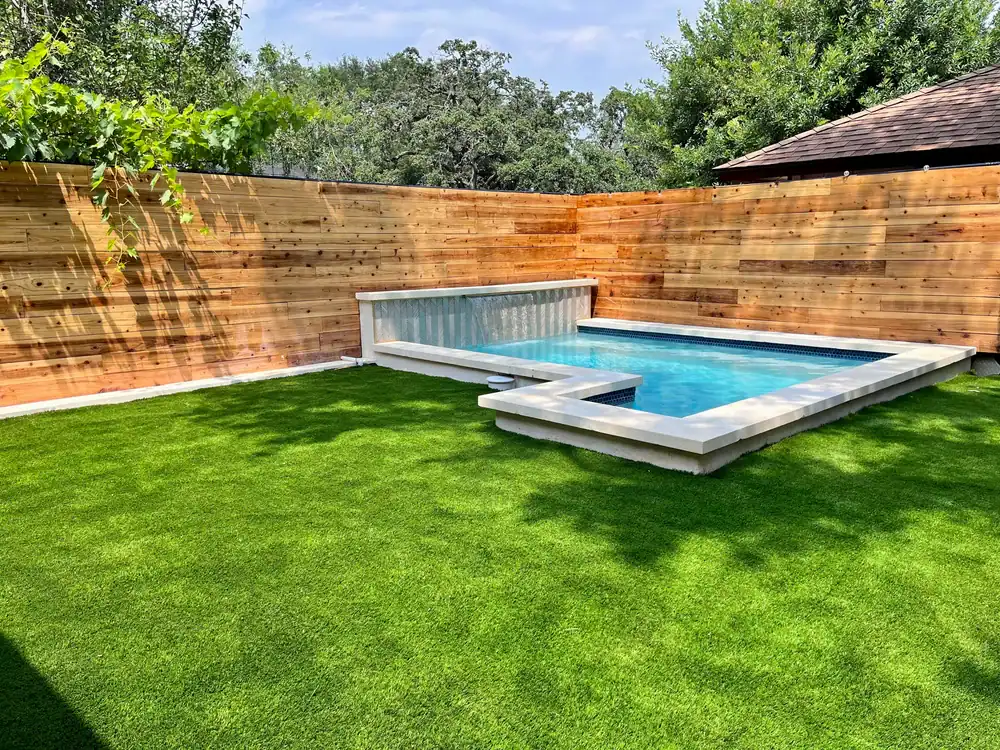
You’re getting a fully custom gunite pool designed specifically for your property in Kirkland, GA. That means unlimited shape and size options—no prefab limitations. Want a freeform lagoon style? Geometric lap pool? Something with a beach entry for kids? All possible.
We include the complete pool structure: excavation, steel rebar framework, shotcrete application, plumbing, and electrical. You also get your choice of interior finish, tile, and coping to match your style.
Filtration and circulation systems are part of the package. We install commercial-grade equipment that’s sized correctly for your specific pool volume. Undersized pumps and filters cause maintenance headaches and cloudy water—we don’t cut corners there.
In Douglas County, you’ll likely want features like tanning ledges (shallow sun shelves), LED lighting for night swimming, and possibly heating if you want to extend your season into spring and fall. We can also integrate spas, waterfalls, fire bowls, and built-in seating.
Safety matters. We offer custom pool covers that fit your exact dimensions and provide real protection, especially if you have young children or pets. Georgia homeowners have liability responsibilities around pool safety—proper covers and fencing aren’t optional.
The typical investment for custom inground pool construction in Georgia runs $40,000-$65,000 depending on size, features, and site conditions. You’ll get exact pricing after we assess your property. No surprises, no change orders for things that should’ve been included from the start.
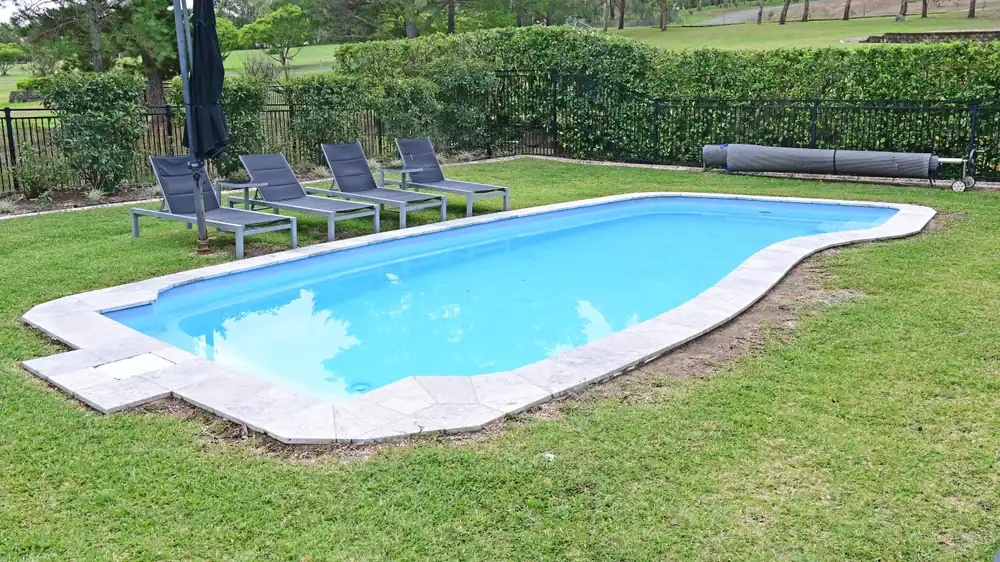
Most custom gunite pools take 8-12 weeks from excavation to final inspection. That’s the realistic timeline when everything goes smoothly.
Weather is the biggest variable. Georgia rain can delay concrete curing, excavation, and decking work. We don’t rush critical steps just to meet a deadline—doing it right matters more than doing it fast.
Permit approval adds 1-2 weeks before construction starts. Douglas County reviews plans, checks setbacks and zoning, and issues permits. We handle that entire process, but the county controls the timeline.
Design complexity also affects schedule. A simple rectangular pool with basic features installs faster than a freeform design with a spa, tanning ledge, and custom water features. More complicated builds require more time for plumbing, electrical, and finishing work.
The biggest delays come from design changes mid-project. If you change your mind about tile, add features, or modify the shape after we’ve started, that triggers re-engineering and often new permits. Lock in your design before we break ground.
They’re both concrete, just applied differently. Gunite is a dry mix that’s combined with water at the nozzle during spraying. Shotcrete is pre-mixed with water before it’s sprayed. Both create the same strong, durable pool shell.
The terms are often used interchangeably in the pool industry. What matters more than the specific method is the contractor’s experience and the quality of the installation. Proper steel reinforcement, correct concrete thickness, and skilled application determine how well your pool holds up over decades.
In Georgia’s climate, concrete pools (whether gunite or shotcrete) offer major advantages over fiberglass. You get unlimited design flexibility, better durability in our red clay soil, and the ability to repair or refinish the surface years down the road.
Concrete pools also handle ground movement better than fiberglass shells. Georgia’s soil expands and contracts with moisture changes. A properly built concrete pool flexes slightly without cracking. Fiberglass can develop stress cracks or even pop out of the ground if soil conditions shift.
The installation process takes longer than dropping in a fiberglass shell, but you’re building something permanent that’s designed specifically for your property.
Yes. Douglas County requires permits for all inground pool construction. No exceptions, and the penalties for skipping this step are severe.
The permit process involves submitting detailed plans showing pool location, dimensions, setbacks from property lines, fencing, and equipment placement. The county checks zoning compliance, verifies you’re not building over easements or utility lines, and ensures safety requirements are met.
Approval typically takes 1-2 weeks if everything’s submitted correctly. Incomplete applications or design issues that don’t meet code will delay the process or result in rejection.
You’ll also need electrical and plumbing permits for the equipment installation. These are separate from the main pool permit and require licensed contractors to pull them. We handle all permit applications and coordinate inspections throughout construction.
Building without permits can force you to remove the pool entirely, and you’ll face fines. It also creates problems when you sell your home—unpermitted pools show up in title searches and can kill deals or reduce your sale price. Insurance companies may also deny coverage for unpermitted structures.
Do it right from the start. The permit cost is minimal compared to the risk.
Most custom gunite pools in this area run between $40,000 and $65,000. That includes excavation, steel and concrete construction, plumbing, electrical, equipment, tile, coping, and basic decking.
Size is the biggest cost factor. A small 12×24 pool costs significantly less than a 20×40 pool with a spa. Every additional square foot means more excavation, more concrete, more tile, and more water to filter and heat.
Features add up quickly. Tanning ledges, waterfalls, fire bowls, LED lighting, built-in seating, and custom tile work all increase the price. A basic rectangular pool with standard finishes sits at the lower end. A freeform design with multiple features pushes toward the higher end.
Site conditions matter too. If your yard has difficult access, steep slopes, or requires significant grading, that adds cost. Rocky soil that needs extra excavation or poor drainage that requires additional engineering will also increase the price.
Don’t forget ongoing costs. You’ll spend $80-150 monthly on chemicals, electricity for pumps and heating, and routine maintenance. Budget for occasional repairs and resurfacing every 10-15 years.
We provide exact pricing after visiting your property and understanding what you want. No ballpark estimates that magically increase once we start digging.
Typically around 7% in Georgia’s market. That’s the average increase for homes with quality inground pools in good condition.
But it’s not automatic. A poorly built pool, one that needs major repairs, or a design that overwhelms a small yard can actually hurt your value. Buyers see problems, not benefits.
Location matters significantly. In neighborhoods where pools are common, not having one can be a disadvantage. In areas where they’re rare, you might not recoup your full investment because buyers aren’t specifically looking for that feature.
The real value isn’t always financial. If you use your pool regularly for 10-15 years, the return is in quality of life, not just resale price. Family time, exercise, entertainment, and not having to leave home for recreation—that’s worth something beyond dollars.
Georgia’s climate makes pools usable most of the year, especially with heating. That increases the practical value compared to northern states where pools sit unused for six months.
When you do sell, a well-maintained pool with updated equipment and a recent refinish will attract buyers and potentially speed up your sale. A neglected pool with green water and broken equipment will scare them away.
You’ll need to check and balance chemicals 2-3 times per week during swimming season. That means testing pH, chlorine, alkalinity, and calcium hardness, then adjusting as needed. Georgia’s heat and sun burn through chlorine faster than cooler climates.
Skimming debris, brushing walls, and vacuuming should happen weekly at minimum. Pollen in spring is relentless here—your pool will turn yellow-green overnight if you don’t stay on top of it.
Filters need cleaning or backwashing every 2-4 weeks depending on usage and your specific system. Cartridge filters get pulled and hosed down. Sand and DE filters get backwashed. Neglecting this reduces circulation and leads to cloudy water.
You’ll also need to monitor water level, especially in summer when evaporation is high. Low water levels can damage pumps if they run dry.
Professional maintenance runs $100-150 monthly if you’d rather not handle it yourself. That typically includes chemical balancing, cleaning, and equipment checks.
Expect to resurface the pool interior every 10-15 years. Concrete surfaces wear down over time, and the finish can become rough or stained. Resurfacing costs $5,000-10,000 depending on the material you choose and your pool size. Equipment like pumps, heaters, and filters last 8-12 years before needing replacement.