
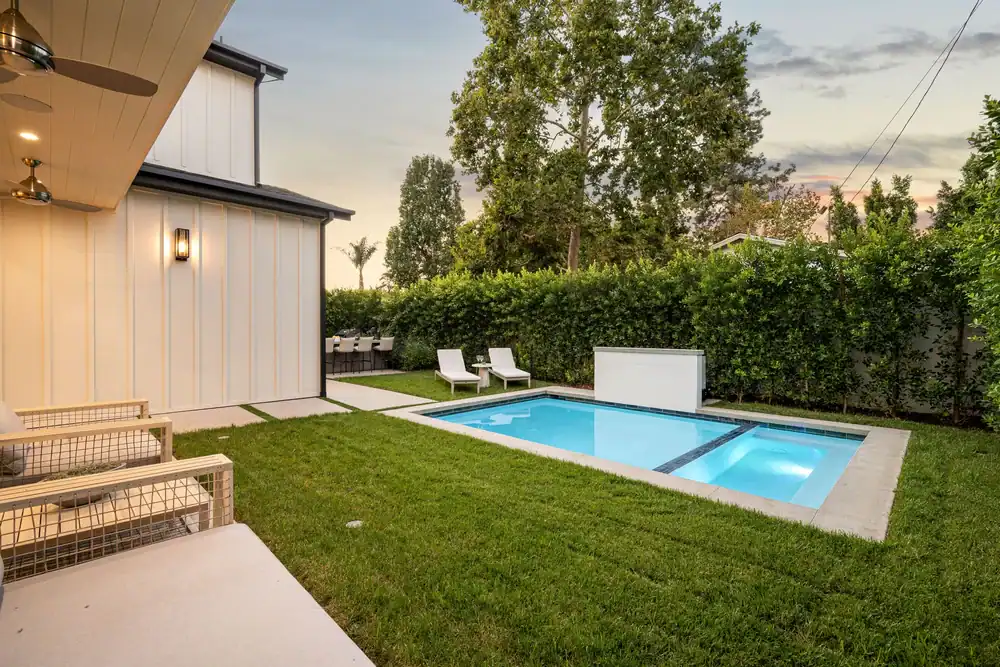
Hear from Our Customers
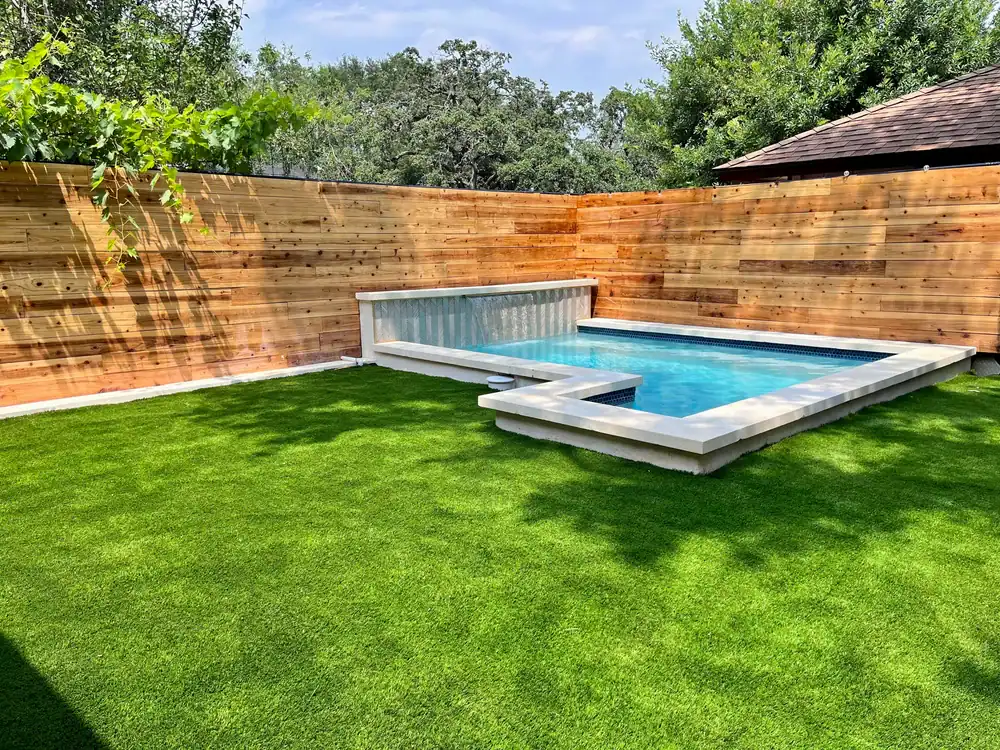
Building an inground pool changes how you use your property. Summer weekends stop revolving around where to take the kids. You’re not loading up the car or paying admission fees or dealing with crowded public pools.
Your backyard becomes the destination. Teenagers actually want to hang out at home. Family gatherings happen more often because you’ve got the space everyone enjoys. You’re outside more, moving more, and creating the kind of memories that stick.
A custom gunite pool gives you design freedom that fiberglass and liner pools can’t match. You’re not picking from pre-made shapes or worrying about seams failing in five years. Cement construction means your pool fits your property exactly how you want it, and it’s built to handle Georgia’s soil conditions and weather without breaking down.
We’ve been building custom inground cement pools in this region for over 30 years. That’s three decades of understanding how Georgia soil behaves, what weather does to pool construction, and what actually holds up long-term.
Pearson sits in Atkinson County, but most of our work happens throughout Douglas County and the surrounding areas. The soil here expands and contracts. It shifts. If you don’t account for that during construction, you’ll see cracks and structural problems down the road.
We’re not a crew that shows up, pours concrete, and disappears. Every project gets personal attention because that’s how quality work gets done. You’re not dealing with a national chain or a contractor juggling 20 jobs at once. You get a team that knows the local building requirements, the permitting process, and how to avoid the delays that come from not understanding the area.
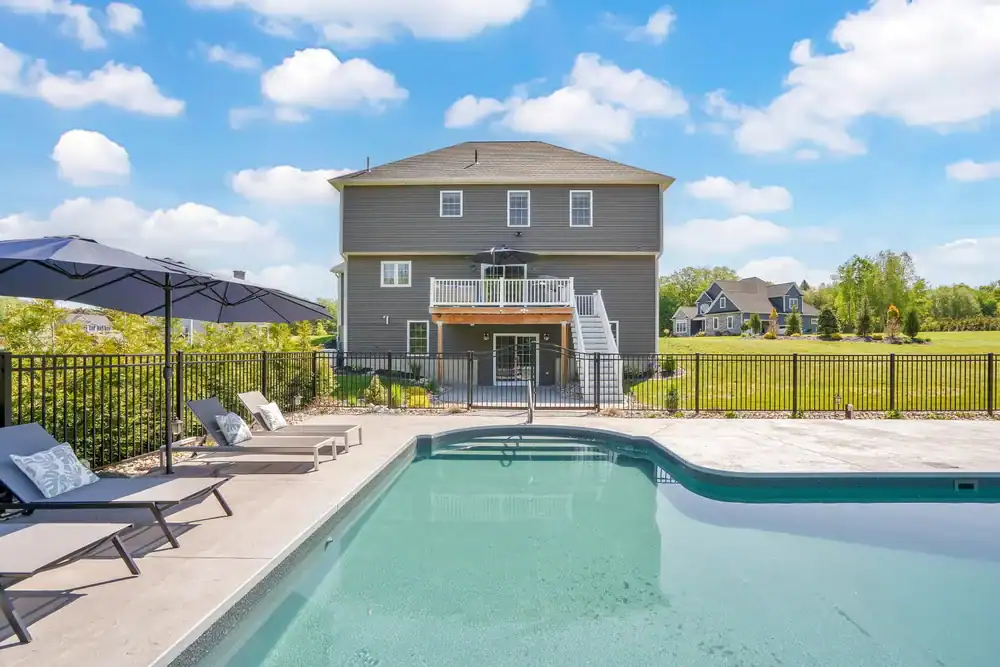
You start with an estimate. That means we come out, look at your property, talk through what you want, and give you honest pricing. No surprises later. No price increases after the project starts.
Once you’re ready to move forward, the design phase begins. Custom gunite construction means you’re not limited to standard shapes. You work through exactly what fits your space, your budget, and how you’ll actually use the pool.
Excavation comes next. Heavy equipment digs out your pool area, and this is where local knowledge matters. Soil conditions in this part of Georgia require specific grading and preparation to prevent long-term stability issues.
After excavation, plumbing and electrical go in. Then comes the gunite or shotcrete application—that’s the cement shell that forms your pool structure. This gets shaped, smoothed, and cured properly so it lasts.
Finishing work includes tile, coping, decking, and any additional features like spas or custom covers. The whole process typically takes two to four months depending on weather, material availability, and project complexity. Spring and summer book up fast, so starting the conversation early matters if you want your pool ready for next season.
Ready to get started?
Custom inground cement pools offer design flexibility that other construction methods can’t match. Fiberglass pools come in pre-formed shapes. Liner pools have seams that eventually need replacing. Gunite and shotcrete construction means your pool gets built to your exact specifications on-site.
In Pearson and throughout Douglas County, soil conditions create challenges for pool construction. Expansive soil that shifts with moisture changes can crack poorly built pools. Cement construction done right accounts for these conditions with proper base preparation and structural reinforcement.
You also get options for complete outdoor living spaces. Pools, spas, patios—everything designed to work together. That matters when you’re thinking about how you’ll actually use the space, not just how it looks in a rendering.
Safety features like custom pool covers get built to fit your specific pool dimensions. That’s important for families with young kids or anyone who wants to secure their pool when it’s not in use. Off-the-shelf covers don’t fit custom designs, so having that fabricated as part of the project makes sense.
The average inground pool installation in Georgia runs between $39,000 and $70,000 depending on size, features, and site conditions. That’s a significant investment, which is why construction quality and contractor experience matter. You’re not replacing this in five years. It needs to be done right the first time.
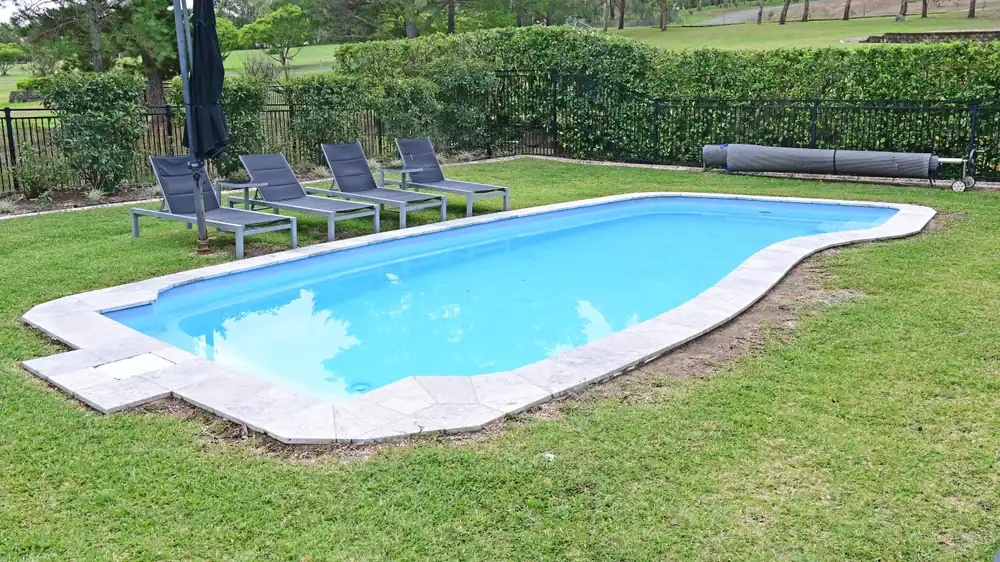
Most inground pool installations take two to four months from excavation to completion. That timeline depends on several factors you can’t always control.
Weather delays happen. You can’t pour concrete in heavy rain or extreme temperatures. Material delays happen too, especially during busy construction seasons when suppliers run low on specific products.
Scheduling conflicts come into play when you’re coordinating excavation crews, plumbers, electricians, and finishing contractors. Unforeseen site challenges—like hitting rock during excavation or discovering drainage issues—can add time to the project.
Spring and summer are peak seasons for pool construction. Contractors book out weeks or even months in advance during these times. If you want your pool ready for next summer, start the conversation in fall or winter. That gives you time to design, get permits, and schedule construction before the rush hits.
Gunite gives you unlimited design options. Fiberglass pools come in pre-made shapes that get delivered to your property. You’re limited to what the manufacturer offers. Liner pools use vinyl that eventually needs replacing—typically every seven to ten years.
Gunite is cement applied over a steel rebar framework. It gets shaped on-site to match your exact specifications. Want a custom depth? Specific curves? Built-in seating or tanning ledges? Gunite handles all of it.
Durability matters in Georgia’s climate. Soil that expands and contracts with moisture changes can crack poorly constructed pools. Gunite construction, when done correctly with proper base preparation, handles these conditions better than other methods.
You’re also looking at longevity. A well-built gunite pool lasts decades without major structural work. Liners need replacement. Fiberglass can crack or fade. Cement construction holds up when it’s done right by experienced contractors who understand local soil and weather conditions.
Georgia soil expands and contracts based on moisture content. Clay-heavy soil absorbs water and swells, then shrinks when it dries out. That movement creates pressure on pool walls and can cause cracks if the construction doesn’t account for it.
Proper base preparation matters. That means excavating to the right depth, compacting the soil correctly, and sometimes adding gravel or other materials to create a stable foundation. Shortcuts here lead to problems years down the road.
Drainage is another factor. Water needs somewhere to go. If your property doesn’t naturally drain well, you might need additional grading or drainage solutions to prevent water from pooling around your pool structure. Standing water creates hydrostatic pressure that can lift or crack a pool.
We know what to look for during site evaluation. We’ve seen how soil in Douglas County and surrounding areas behaves. We know which properties need extra preparation and which ones are straightforward. That knowledge prevents expensive fixes later.
Custom inground pool installation typically runs between $39,000 and $70,000 in Georgia, with the average around $55,000. Your actual cost depends on size, features, site conditions, and design complexity.
A basic rectangular pool with standard finishes costs less than a freeform design with built-in spa, custom tile work, and extensive decking. Difficult site access or challenging soil conditions can increase excavation and preparation costs.
Honest pricing means getting a detailed estimate upfront that accounts for your specific property and design. You should know what’s included, what’s optional, and what could change the price before work begins. Contractors who lowball estimates and then add costs during construction create headaches you don’t need.
Financing options exist if you don’t want to pay the full amount upfront. Some contractors work with lenders who specialize in pool loans. Others offer payment plans. Ask about these options during your initial consultation so you understand what’s available.
Start at least a year before you want the pool finished. That sounds like a long time, but pool construction involves multiple steps that each take time.
You need to find a qualified contractor, get estimates, and compare options. That alone can take several weeks if you’re doing it right and not just hiring the first person who answers the phone.
Design work comes next. You’ll go back and forth on layout, features, and finishes until everything matches what you want and what your budget allows. Permitting follows design—local building departments need to review and approve your plans before construction starts.
Then you’re scheduling actual construction. Spring and summer book up fast because everyone wants their pool ready for warm weather. If you call in April wanting a pool by June, you’ll likely hear that contractors are already booked for months.
Starting early gives you leverage. You can schedule construction for late winter or early spring, which means your pool is ready when summer hits. You’re not rushing decisions or settling for a contractor who happens to have availability because everyone else passed.
Custom pool covers make sense for safety, maintenance, and energy efficiency. Whether you need one depends on your situation, but they solve several common problems.
Safety matters if you have young children, pets, or frequent visitors. A properly fitted cover prevents accidental falls into the pool when it’s not in use. Standard covers don’t fit custom pool shapes, so you need one fabricated specifically for your dimensions.
Maintenance gets easier with a cover. You’re keeping leaves, dirt, and debris out of the water, which means less cleaning and fewer chemicals needed to maintain water quality. That saves time and money over the pool’s lifetime.
Energy efficiency improves because covers reduce water evaporation and heat loss. Your pool stays warmer longer, and you’re not constantly adding water to replace what evaporated. In Georgia’s climate where pools get used most of the year, that adds up.
Covers also extend your swimming season. A solar cover captures heat during the day and retains it at night, keeping water temperatures comfortable even when air temperatures drop. If you want to use your pool in early spring or late fall, a cover makes that more practical.