
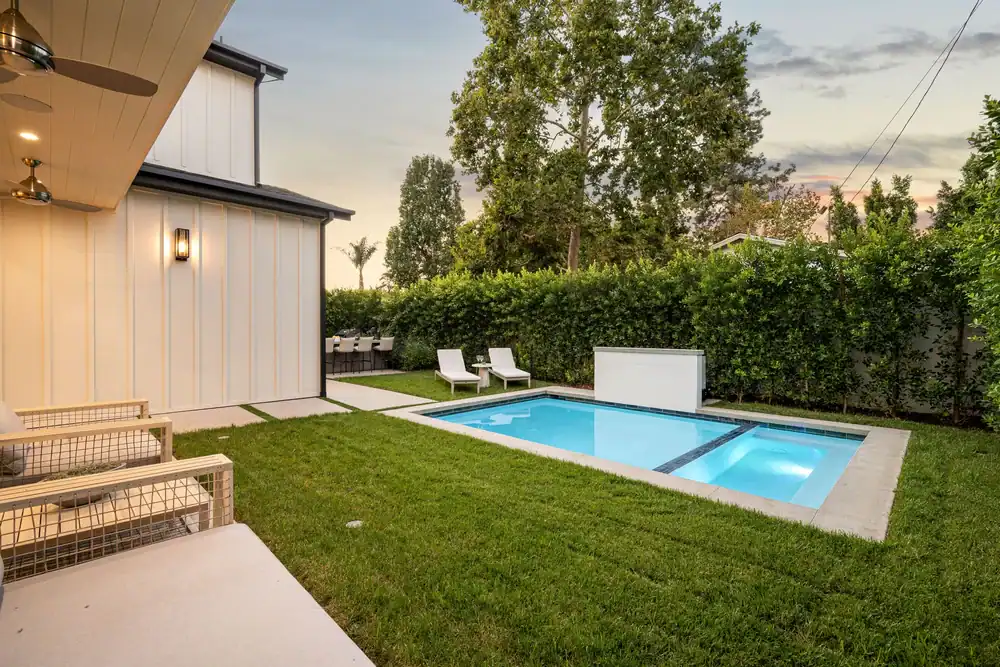
Hear from Our Customers
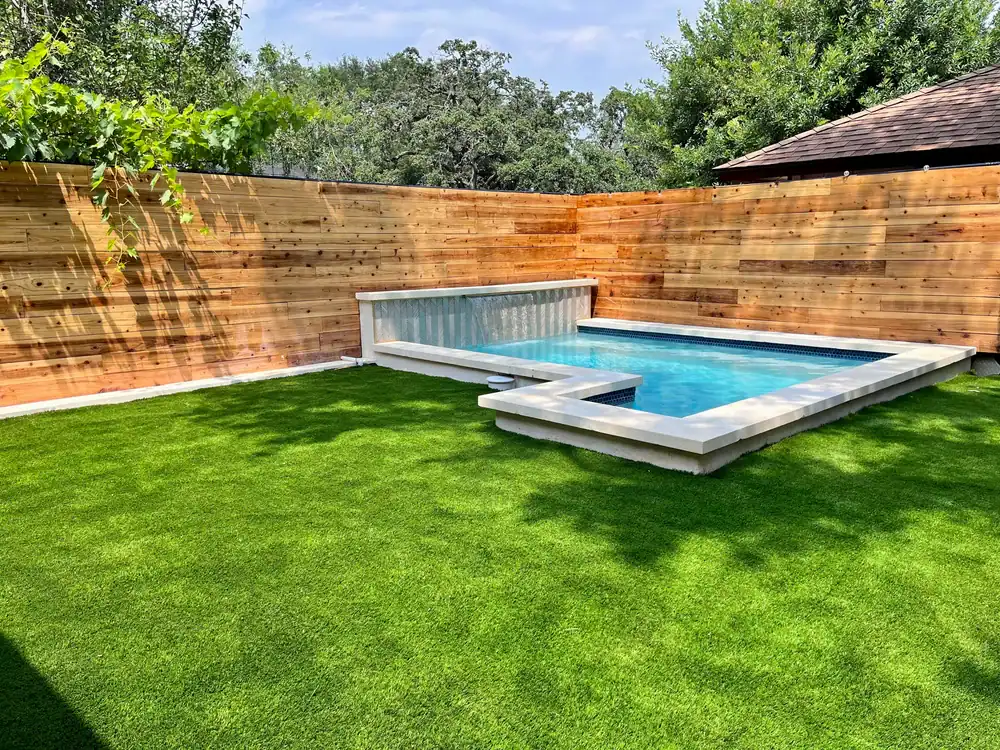
You’re not looking for just any pool. You want something that makes sense for how you’ll actually use your backyard—whether that’s lap swimming before work, weekend gatherings with friends, or giving your kids a reason to stay home instead of begging for beach trips.
Gunite gives you that flexibility. The shape follows your lot lines. The depth works for your family. Features like tanning ledges, swim-up seating, or integrated spas get built in from the start, not tacked on later.
And when it’s done right, you’re not calling someone back in two years because the finish is cracking or the equipment is failing. You’re enjoying what you paid for.
We work in Sandy Bottom and throughout the Douglas area because we know this market. We understand Georgia’s red clay, the permitting process in Coffee County, and what it takes to build something that holds up in our climate.
We’re not a national franchise following a script. We’re local inground pool contractors who’ve built enough pools in this area to know what works and what doesn’t.
You’ll talk to the same people from estimate to completion. No handoffs, no confusion, no wondering who’s actually in charge of your project.
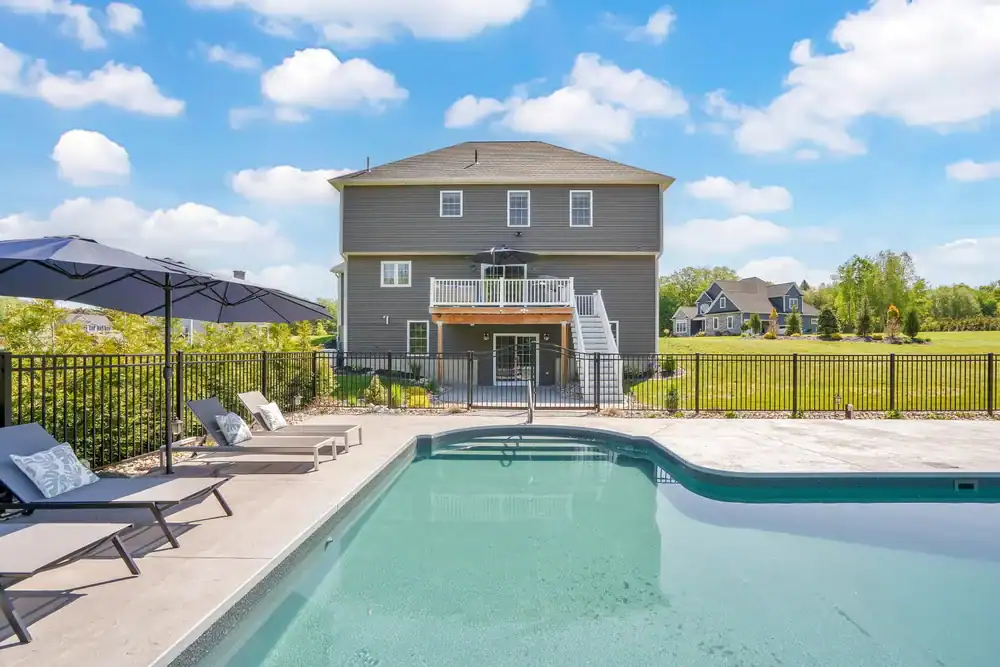
First, we come to your property. We look at your space, talk through what you’re picturing, and figure out if it’s realistic. If your lot has drainage issues or access problems, we’ll tell you upfront—not after you’ve signed paperwork.
Once design is locked in, we handle permits and scheduling. Then excavation starts. We dig, set steel rebar, and spray the gunite or shotcrete. Both create the same end result: a rock-solid concrete shell that’s built to last decades.
After the shell cures, we install plumbing, electrical, and equipment. Then comes tile, coping, and your interior finish. Finally, we fill it, balance the water, and walk you through everything you need to know about maintenance and operation.
Most custom gunite pools in Georgia take 8 to 12 weeks depending on size, features, and weather. We’ll give you a realistic timeline before we start, not an optimistic guess.
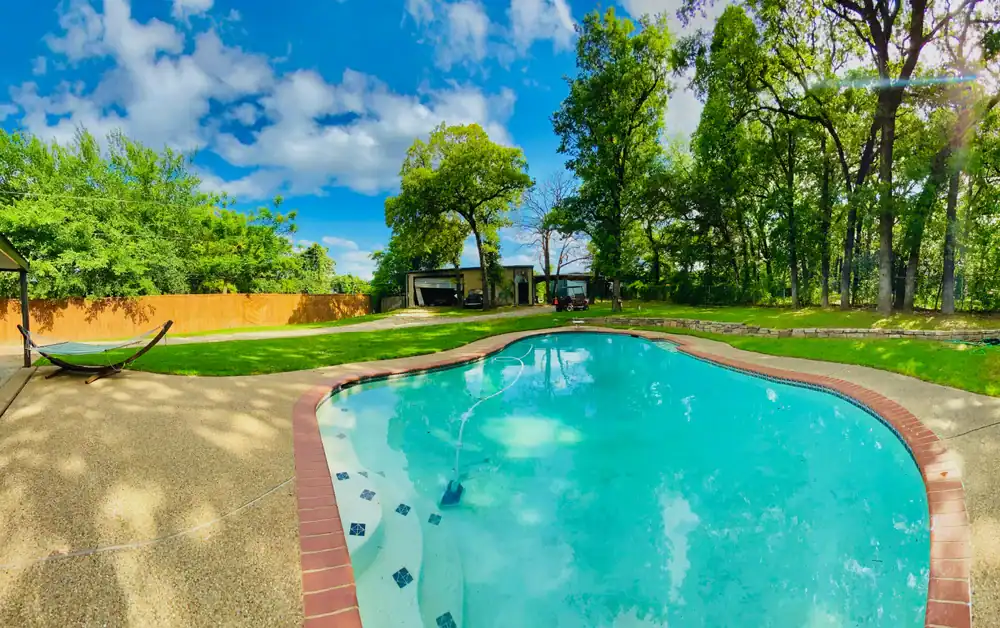
Ready to get started?
Gunite isn’t the cheapest option, but it’s the most durable and the most customizable. You’re looking at $40,000 to $50,000 for most inground pool installations in Georgia, depending on size and features. That’s a real number based on current market conditions, not a lowball estimate that doubles once you pick finishes.
In Sandy Bottom, you’re also getting a pool built for Georgia weather. Mild winters mean you can plan construction almost year-round, and our climate lets you enjoy your pool from April through October without much effort. Add a heater, and you’re swimming earlier and later.
The other advantage here is property value context. Appraisers typically add $15,000 to $20,000 for a pool, even if you spent $45,000 building it. That’s not great ROI on paper. But if you’re planning to stay in your home and you’ll use it regularly, the value is in what it does for your life—not your resale number.
We also see a lot of interest in backyard oasis designs. That means natural stone, integrated landscaping, water features, and lighting that makes the space usable after dark. It’s less “rectangular pool in the middle of the lawn” and more “this feels like a resort.”
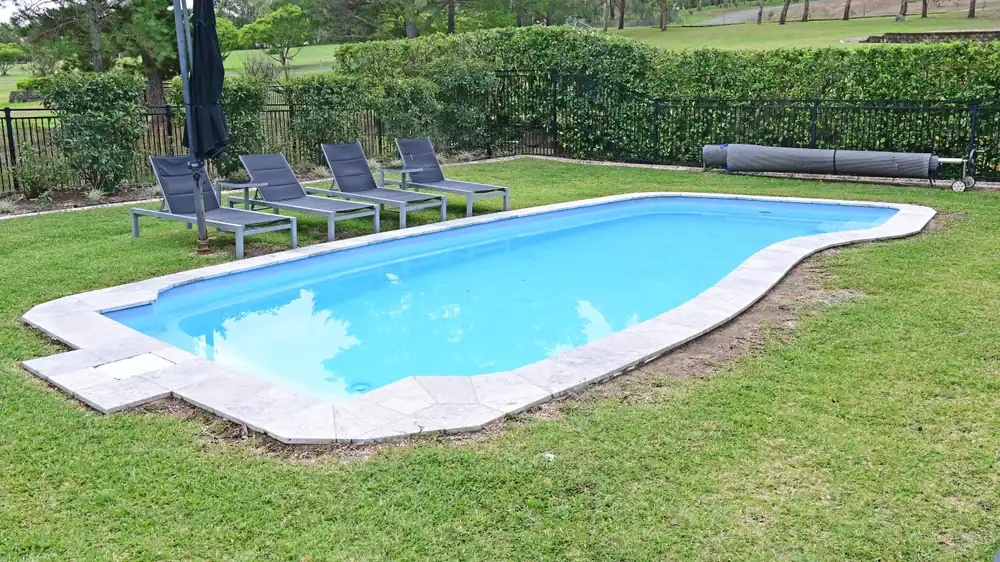
A properly built gunite pool will outlast you. We’re talking 50 to 100+ years if the structure is sound and you keep up with resurfacing every 10 to 15 years.
The shell itself—the concrete structure—doesn’t wear out. What needs maintenance is the interior finish, whether that’s plaster, pebble, or tile. That surface takes the beating from chemicals, sun, and use.
In Georgia, our freeze-thaw cycles are minimal compared to northern states, so you’re not dealing with the kind of cracking and shifting that shortens pool life elsewhere. The real enemy here is poor construction and shortcuts during installation. If the rebar isn’t placed correctly or the gunite isn’t applied at the right thickness, you’ll have problems. That’s why the contractor you choose matters more than the material itself.
They’re nearly identical in the finished product. The difference is when the water gets added to the concrete mix.
Gunite is dry-mixed and water is added at the nozzle during spraying. Shotcrete is pre-mixed with water before it’s sprayed. Both create a dense, durable concrete shell when applied by someone who knows what they’re doing.
Some contractors prefer gunite because they have more control over water content on-site, which can matter in Georgia’s humidity. Others use shotcrete and get the same results. What matters more is the skill of the crew applying it and the quality of the rebar structure underneath.
Both methods have been used for decades. If someone tells you one is dramatically better than the other, they’re probably just defending the method they use. Focus on the contractor’s experience and their past work, not the specific concrete application method.
Plan on $1,200 to $1,800 annually if you’re doing the work yourself. That covers chemicals, electricity for the pump, water to offset evaporation, and occasional equipment repairs.
If you hire a service to handle weekly cleaning and chemical balancing, add another $100 to $150 per month during swim season. That’s roughly $1,000 to $1,500 more per year.
Your homeowner’s insurance will also go up—usually a few hundred dollars annually—because pools increase liability. Some carriers require specific fencing or safety features, so check with your agent before you build.
The biggest variable is energy costs. A single-speed pump running 8 hours a day will cost more than a variable-speed model that adjusts based on need. Heaters, lighting, and water features all add to your electric bill. If you want to keep costs down, invest in energy-efficient equipment from the start. It costs more upfront but pays for itself over time.
Yes. Coffee County requires permits for residential pool construction, and the process involves inspections at multiple stages.
You’ll need to submit a site plan showing property lines, setbacks, and where the pool will sit on your lot. Most areas require pools to be a certain distance from property lines and septic systems. If you’re in a neighborhood with an HOA, you’ll also need their approval before you can pull permits.
The permit process typically takes a few weeks, depending on how busy the county is and whether your plans need revisions. We handle this for you as part of the project, but it’s worth knowing it exists so you’re not surprised by the timeline.
Skipping permits is a bad idea. If the county finds out, they can make you fill in the pool or fine you until you get proper approval. And when you go to sell your house, an unpermitted pool will show up in inspections and kill deals. Do it right the first time.
You can with a heater, but most people don’t. Georgia’s swim season naturally runs from late April through October without any heating.
If you add a gas or electric heater, you can extend that into the cooler months. Heat pumps are the most efficient option for mild climates like ours—they work great when it’s 50°F or above. Gas heaters cost more to run but heat the water faster, which matters if you only use the pool occasionally in winter.
Some people also add features like retractable enclosures or integrate a spa that stays heated year-round. That gives you a reason to be outside even in January.
The real question is whether you’ll actually use it in winter. Heating a 20,000-gallon pool when it’s 40°F outside gets expensive fast. But if you’re serious about swimming laps year-round or you host a lot of gatherings, the investment makes sense. Just be honest with yourself about how you’ll use it before you spend the money.
It comes down to customization versus speed. Fiberglass pools install faster—sometimes in just a few days—but you’re limited to pre-made shapes and sizes. Gunite takes longer but gives you total control over design.
Fiberglass is a single molded shell that gets craned into your yard. If the shape works for your space and you like one of the available designs, it’s a solid option. The surface is smooth, algae-resistant, and comes with strong warranties. Installation cost is usually lower, around $28,000 to $35,000 in Georgia.
Gunite costs more and takes longer, but there are no design limits. You can build any shape, any depth, and integrate features like beach entries, swim-outs, or custom benches. The surface options are also broader—plaster, pebble, tile—and you can refinish it down the road if you want a new look.
If your lot is tricky, gunite is usually the better choice. Fiberglass shells are big and need crane access. If you’ve got tight gates, steep slopes, or limited access, gunite gets sprayed in place and doesn’t require hauling a massive shell through your yard. Both are good pools. It just depends on what matters more to you: speed and simplicity, or flexibility and customization.
Other Services we provide in Sandy Bottom