
Hear from Our Customers
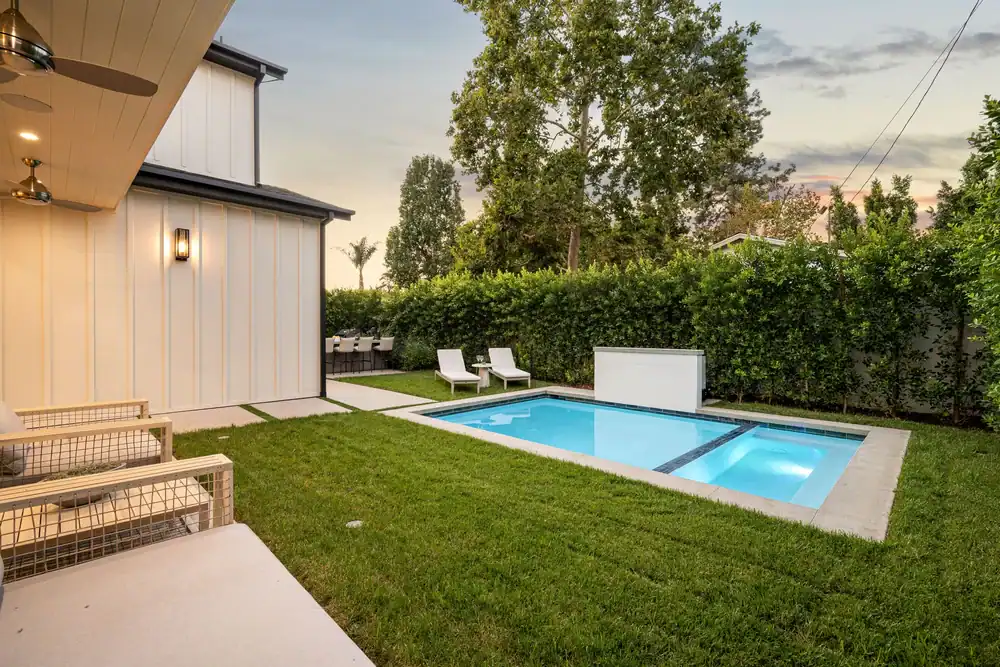
Your backyard becomes the place your family actually wants to be. Not just another expense—a space where summer nights stretch longer, where your kids beg to stay outside, and where you finally stop talking about “someday” because it’s already here.
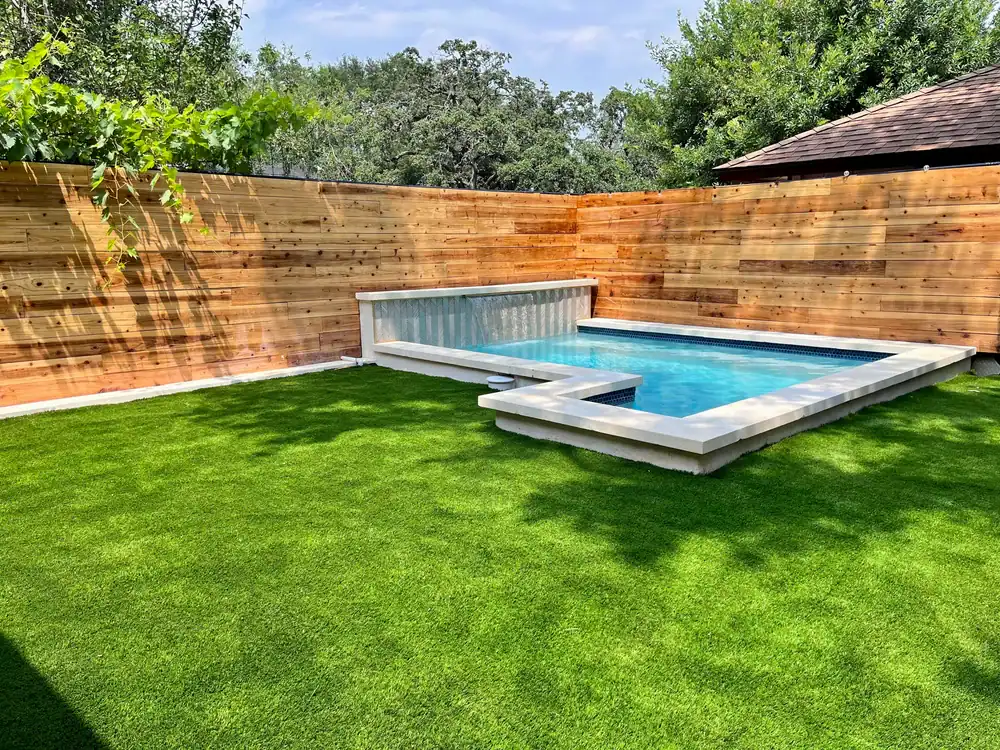
Custom gunite pool construction means the design fits your yard, your budget, and your vision. Not a cookie-cutter fiberglass shell dropped in the ground. You get control over shape, depth, finish, and features—because it’s poured and shaped on-site.
And when it’s built by inground pool contractors who don’t cut corners to hit a deadline, you’re not dealing with cracks, leaks, or callbacks a year later. You’re swimming.
We’ve been serving Sessoms, GA and the surrounding Douglas County area with one focus: getting your inground pool installation done right, on time, and without the drama. We’re not the company that books your project and disappears for three months.
We specialize in shotcrete and gunite pool construction—the kind that holds up to Georgia summers, shifting soil, and years of use. Our crews show up when scheduled, communicate clearly, and don’t leave your backyard looking like a construction zone longer than necessary.
Sessoms homeowners know what matters: reliability, craftsmanship, and straight answers. That’s what we deliver.
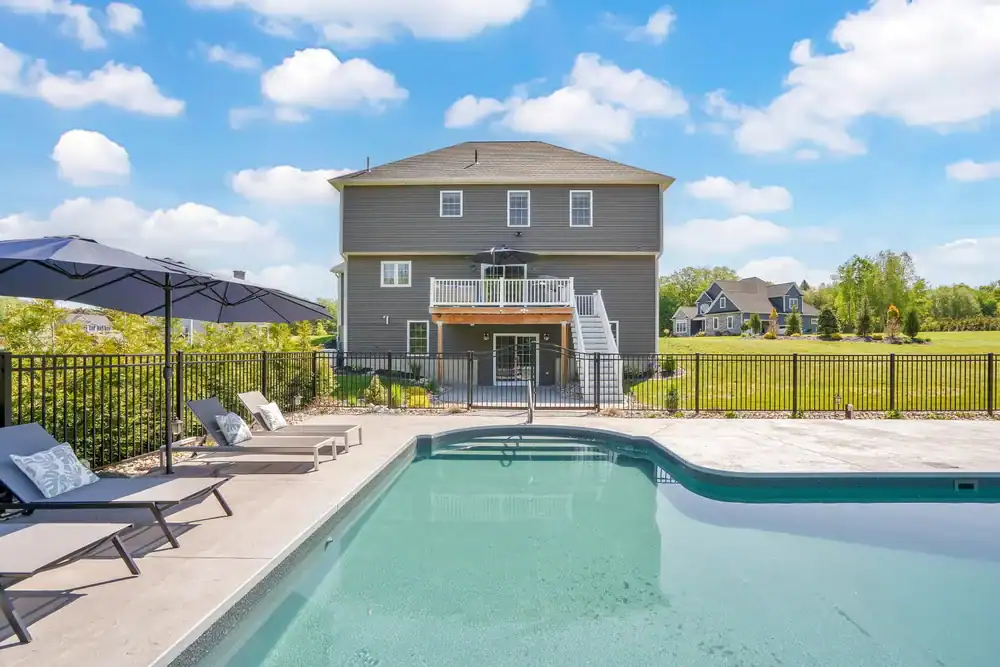
First, we come out for a free estimate. We look at your yard, talk through what you want, and give you a realistic timeline and price—no pressure, no upselling features you don’t need.
Once you’re ready to move forward, we handle permits and scheduling. Then excavation starts. We dig, set plumbing and electrical, and build the steel framework that gives your pool its shape and strength.
Next comes the shotcrete or gunite application—that’s the concrete shell that makes your pool permanent. After it cures, we install your finish, coping, decking, and any features like steps, benches, or spa jets. Finally, we fill it, balance the water, and walk you through everything you need to know.
Start to finish, most inground pool installations in Georgia take two to four months, depending on weather, inspections, and material availability. We keep you updated the whole way.
Ready to get started?
Every project starts with design. You tell us what you’re picturing, and we turn that into a buildable plan that works with your property and budget. From there, we handle excavation, steel installation, plumbing, electrical, and the concrete shell.
You also get your choice of interior finish—plaster, pebble, or tile—plus coping and decking around the pool. We install equipment like pumps, filters, and heaters, and we make sure everything is up to code before we hand it over.
In Sessoms and Douglas County, soil conditions matter. Georgia clay can shift, so proper grading and compaction aren’t optional—they’re part of the foundation. We account for that from day one, so your pool doesn’t settle or crack down the road.
We also offer custom pool covers for safety, especially if you’ve got young kids or pets. It’s one of those things people don’t think about until it’s too late—we bring it up early so you can make the right call for your family.
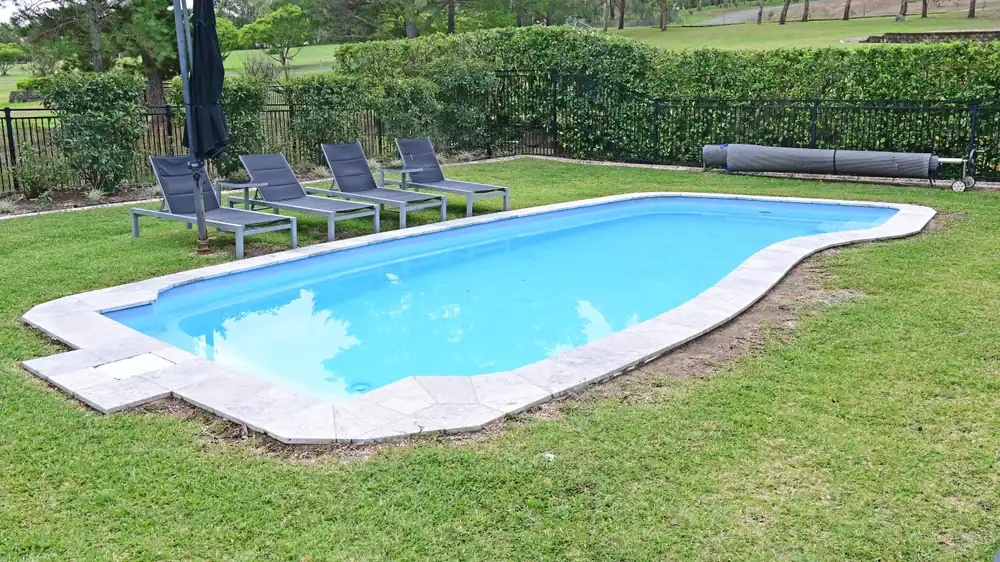
Most inground pool installations in Georgia run between $39,000 and $70,000, with the average landing around $55,000. That range depends on size, shape, features, and site conditions.
Custom gunite pools tend to cost more upfront than fiberglass, but you’re paying for flexibility and durability. You’re not limited to pre-made shapes, and the concrete shell lasts decades if it’s built right.
If your yard has access issues, steep grades, or requires extra dirt removal, that can add to the cost. Same goes for upgrades like heating, lighting, waterfalls, or built-in spas. We price everything upfront so there’s no confusion later.
Plan on two to four months from start to finish. That includes permitting, excavation, steel and plumbing, shotcrete application, curing time, finishing work, and final inspections.
Weather plays a role—heavy rain can delay concrete pours or grading work. Material delays happen too, especially with certain finishes or equipment. We build buffer time into the schedule so you’re not caught off guard.
Spring and summer are the busiest seasons for pool construction, so if you’re hoping to swim by Memorial Day, you’ll want to start the process in late fall or winter. The earlier you plan, the more control you have over timing.
Both are concrete pools, and both are incredibly durable. The difference is in how the concrete is mixed and applied.
Gunite is a dry mix that gets water added at the nozzle during application. Shotcrete is pre-mixed with water before it’s sprayed. Shotcrete tends to have less rebound (waste) and can be a little more consistent in wet conditions, but both methods produce a rock-solid pool when done by experienced crews.
Most people won’t notice a difference in the final product. What matters more is the skill of the crew applying it and how well the steel framework is built. That’s where quality shows up—or doesn’t.
If you have kids, pets, or want to keep debris out when the pool’s not in use, yes—you need a cover. It’s one of the smartest safety and maintenance decisions you can make.
There are a few types: mesh safety covers, solid safety covers, and automatic covers. Mesh lets water through but blocks leaves and large debris. Solid covers keep everything out but require a pump to remove standing water. Automatic covers are the most convenient but cost more upfront.
We recommend custom-fit safety covers that meet ASTM standards—they’re built to hold weight and prevent accidents. A good cover also cuts down on chemical use and evaporation, which saves you money over time.
Usually, yes. We’ve built pools in backyards with narrow side yards, fenced areas, and tricky terrain. It just takes more planning.
If we can’t get equipment through a gate or driveway, we may need to bring in smaller machinery or do more hand work. In some cases, we’ll temporarily remove a fence section and reinstall it after. We assess access during the estimate so you know what to expect.
Tight access can add time and cost, but it doesn’t automatically rule out a pool. We’ve worked in plenty of Sessoms yards where access wasn’t ideal—it just means we adjust the approach.
Start with track record. Look for contractors who’ve been building pools in your area for years, not someone who just started offering it as a side service. Check reviews, ask for references, and make sure they’re licensed and insured.
Ask how they handle delays, change orders, and communication. A good contractor will give you a realistic timeline and keep you in the loop when things shift. If someone promises a finished pool in six weeks, that’s a red flag.
Also ask about warranties. What’s covered, and for how long? If they’re vague or dismissive about it, that tells you something. You want a contractor who stands behind their work and doesn’t disappear after the final payment clears.