
Hear from Our Customers
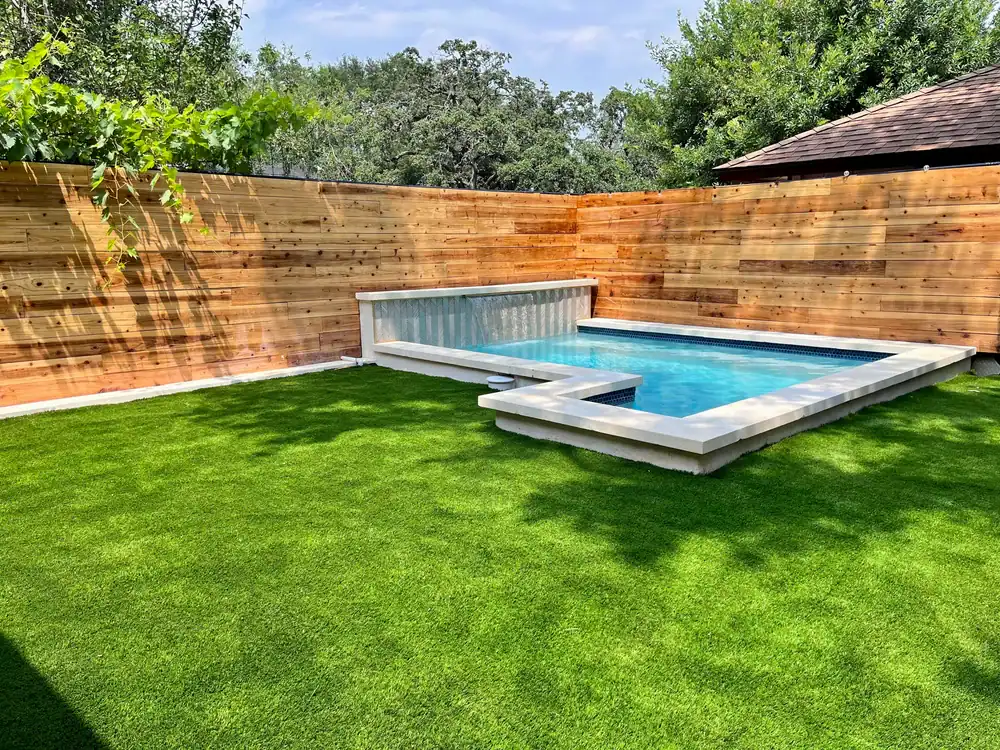
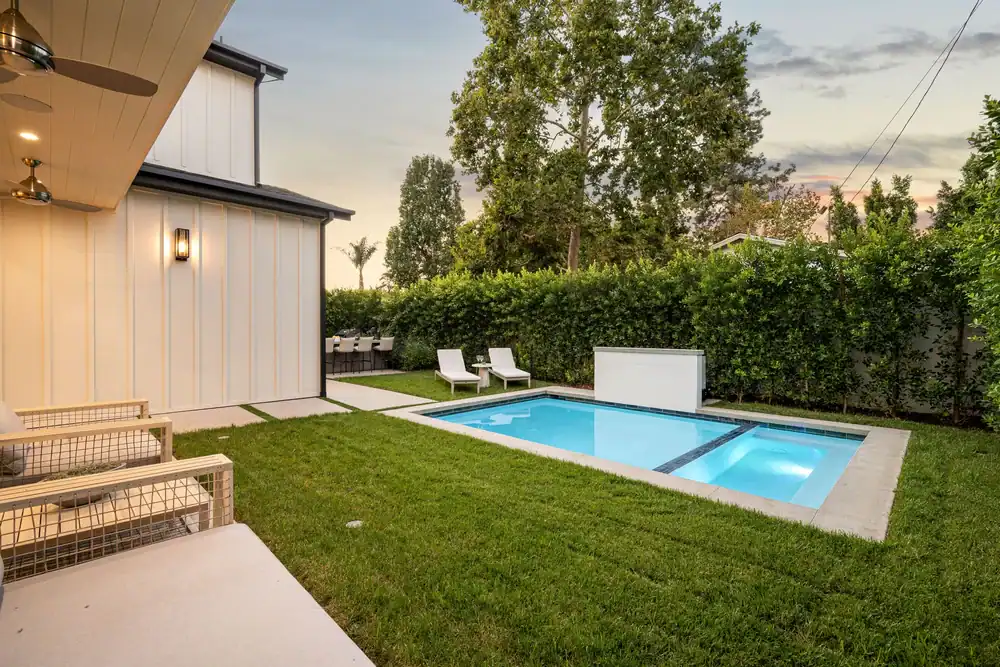
You’re not just adding a pool. You’re creating space where your kids will spend entire summers, where you’ll host every birthday party, and where you’ll unwind after long weeks.
In Snipesville, that means more than just digging a hole and filling it with water. Georgia’s clay-heavy soil shifts. Summer storms delay projects. And too many contractors disappear after they cash your deposit.
A properly built gunite pool handles the soil conditions here. It increases your property value by up to 7%. And with Georgia’s extended warm season, you’re looking at six to seven months of actual swim time every year—not the three or four you’d get up north.
The difference between a pool that cracks in two years and one that lasts decades comes down to who builds it and how they handle the details you’ll never see.
We’ve been building custom inground pools in Douglas County and surrounding areas for over 30 years. We’re not a franchise operation or a crew that showed up last season.
We know the local building department. We know which soil conditions require extra engineering. And we know that when you’re spending this kind of money, you need someone who answers the phone and shows up on schedule.
Snipesville homeowners deal with the same challenges as the rest of South Georgia—variable soil composition, summer storm patterns, and the need for contractors who actually finish what they start. We’ve built our reputation on handling those challenges without excuses.
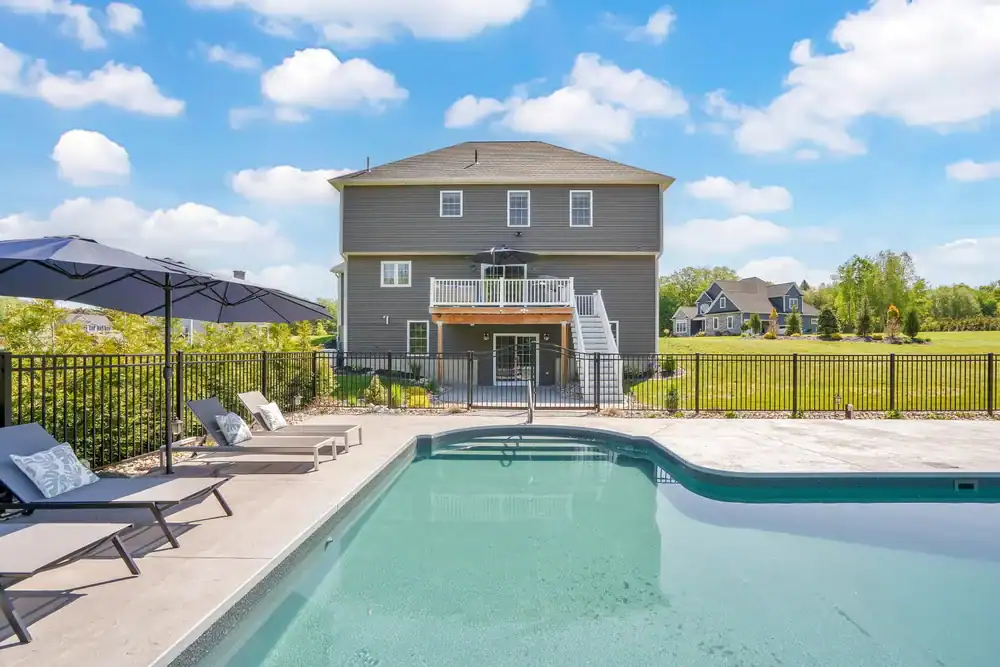
First, we come to your property. We look at your lot, talk about how you’ll actually use the pool, and design something that fits your space and budget. Not a template—a custom layout that makes sense for your backyard.
Then we handle the permits. Georgia’s International Swimming Pool and Spa Code plus Douglas County’s local requirements mean paperwork and inspections. We manage that process so you don’t have to chase down approvals or worry about compliance issues.
Once permits clear, excavation starts. We engineer the pool structure for your specific soil conditions—whether you’ve got heavy clay that holds water or sandy soil that drains too fast. The gunite shell goes in, then plumbing, then finishing work.
Throughout construction, you’ll get updates. No ghosting, no surprises. When weather delays happen—and in Georgia, they will—we tell you what’s happening and when we’ll be back on site.
Final inspection, startup, and walkthrough come last. You’ll know how to maintain your pool, what to watch for, and how to reach us if something needs attention down the road.
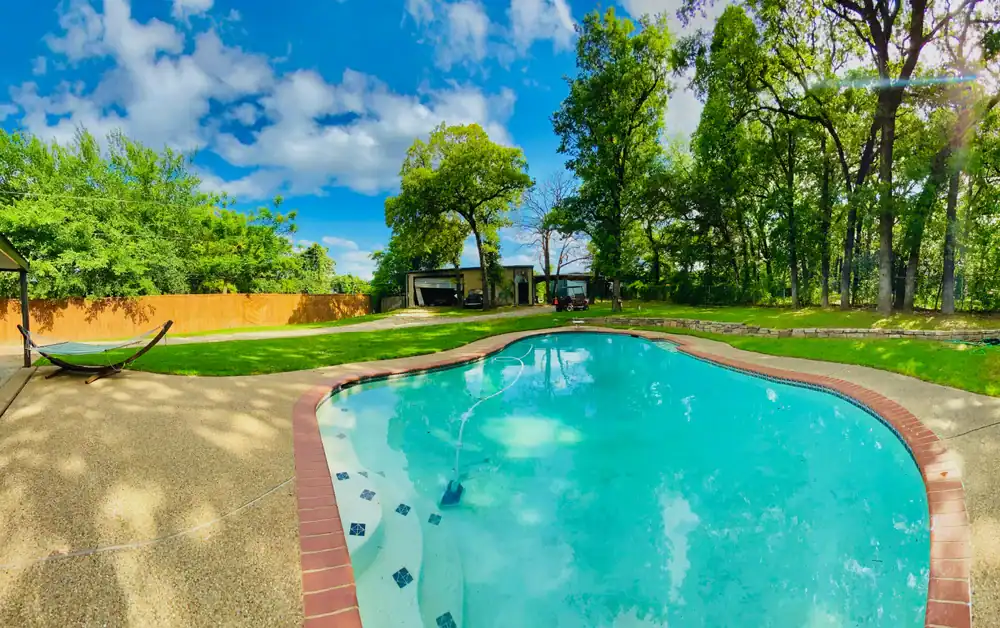
Ready to get started?
Every inground pool we build in Snipesville includes custom design work, complete permit handling, and construction that accounts for local soil conditions. You’re not getting a cookie-cutter shape dropped into your yard.
Gunite construction means durability. Unlike vinyl liners that tear or fiberglass shells that crack, a properly built concrete pool handles ground movement and temperature swings. In South Georgia, where soil composition varies from lot to lot, that engineering matters.
We include all the details that cheaper contractors skip—proper drainage around the pool deck, safety barriers that meet code, and equipment that’s sized correctly for your pool volume. Snipesville’s warm climate means you’ll use this pool from April through October, sometimes longer. The equipment needs to handle that workload.
You also get realistic timelines. Most custom gunite pools take 8-12 weeks from excavation to completion, weather depending. We don’t promise six weeks to win the bid, then drag it out to four months. We tell you what to expect, then we deliver it.
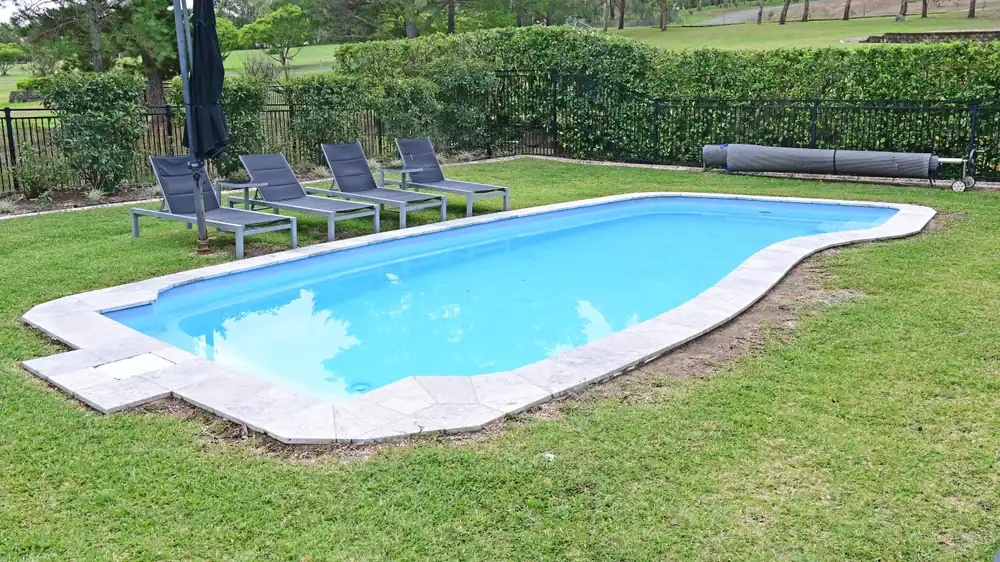
Plan on 8-12 weeks from excavation to your first swim. That timeline assumes normal weather and no permit delays.
The process breaks down like this: design and permits take 2-4 weeks depending on how quickly the county processes applications. Excavation and steel installation take about a week. Gunite application happens in one day, but then needs 28 days to cure properly—you can’t rush concrete chemistry.
While the gunite cures, we’re installing plumbing, electrical, and decking. Final finishes, startup, and inspection happen in the last two weeks. Georgia’s summer storms can add time to any outdoor construction project, so we build buffer into our schedules rather than overpromising and underdelivering.
Gunite pools are engineered structures that can handle soil movement. Georgia soil—especially around Douglas County—ranges from heavy clay to sandy compositions, and both present challenges.
Clay soil expands when wet and contracts when dry, creating pressure on pool walls. Sandy soil drains quickly but doesn’t provide stable support. A properly built gunite pool includes steel reinforcement and engineering calculations based on your specific soil type. The concrete shell flexes slightly with ground movement instead of cracking.
Vinyl liner pools can’t handle that stress—the liner tears or pulls away from the walls. Fiberglass shells are rigid and crack when the ground shifts. Gunite gives you a permanent structure that’s built for the conditions here, not just dropped into a hole and hoped for the best.
Yes. We manage the entire permit process with Douglas County and handle all required inspections.
Georgia requires compliance with the International Swimming Pool and Spa Code, plus any local amendments Douglas County has added. That means submitting engineered drawings, getting approval for setbacks and safety barriers, and scheduling inspections at specific construction phases.
Most homeowners don’t know what the building department needs or when inspections have to happen. We do this regularly, so we know the process and the people. You’ll sign the permit application as the property owner, but we handle the submissions, follow-ups, and inspector coordination. If something needs revision or additional documentation, we take care of it without involving you in back-and-forth with the county.
Most custom gunite pools in the Snipesville area run $50,000-$80,000 depending on size, features, and site conditions. That’s not a number we throw out to sound affordable—it’s what quality construction actually costs.
Your specific price depends on pool size, depth, decking material, equipment choices, and how much site prep your lot needs. A simple rectangular pool with basic finishes costs less than a freeform design with a spa, waterfall, and premium tile. Lots with difficult access or soil that requires extra engineering add cost.
We give you a detailed estimate after seeing your property and understanding what you want. No bait-and-switch pricing where the “base price” sounds great but every actual feature you need costs extra. You’ll know what you’re paying and what you’re getting before we start digging.
A professionally installed inground pool typically increases property value by 5-7% in Georgia. That’s not guaranteed—it depends on your neighborhood, the quality of construction, and how well the pool fits your lot.
In areas where pools are common and expected, you’ll see stronger returns. In neighborhoods where you’re the only pool, you might not recoup the full investment when you sell. But most Snipesville homeowners aren’t building pools purely for resale value—they’re building them to use and enjoy.
The value equation also includes years of entertainment, exercise, and family time. You’re not just adding a feature to boost appraisal numbers. You’re creating space that changes how you use your property. The financial return matters, but so does the lifestyle return over the 20-30 years you’ll own the pool.
Expect to spend 2-3 hours per week on basic maintenance during swim season—testing water chemistry, cleaning the skimmer, and brushing the walls. Georgia’s warm weather means longer swim seasons but also faster algae growth if you let chemistry slip.
You’ll need to balance pH, chlorine, and alkalinity levels twice a week during heavy use. The pool pump should run 8-10 hours daily in summer to circulate water and prevent stagnation. Brushing prevents algae buildup on the gunite surface, and skimming removes debris before it sinks and stains.
Professional service runs $100-150 monthly if you’d rather outsource the work. Most owners handle weekly maintenance themselves and call for service when they’re traveling or if chemistry gets out of balance. The equipment we install is designed for Georgia’s climate and usage patterns, so you’re not fighting undersized pumps or inadequate filtration.