
Hear from Our Customers
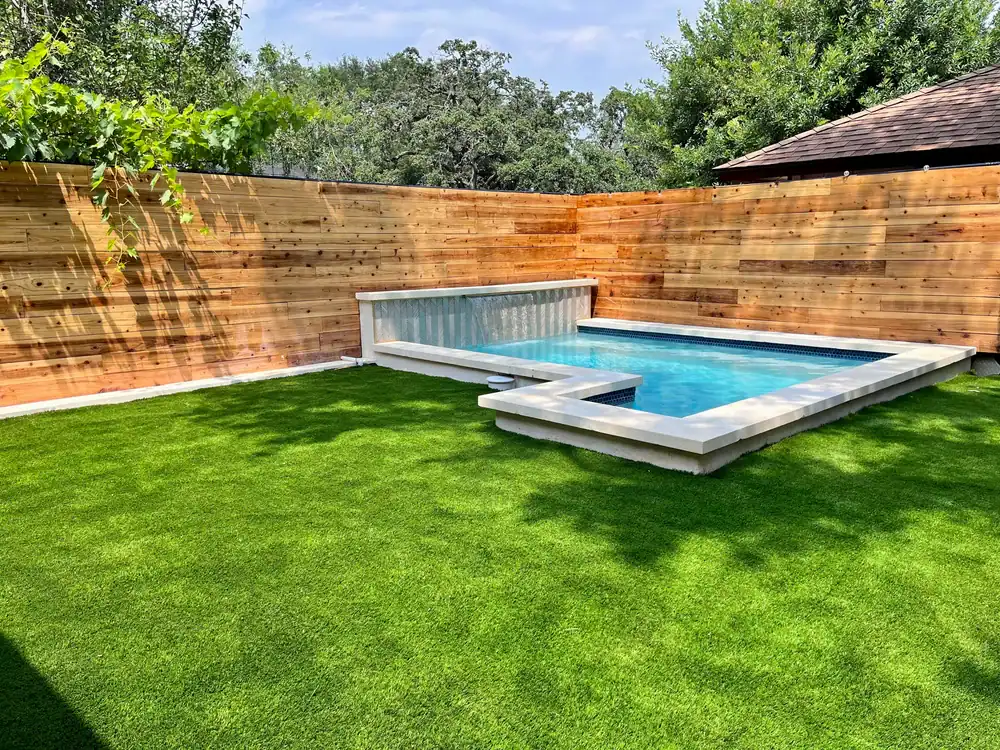
You’re not just adding a pool. You’re creating the spot where your kids will spend every summer afternoon, where you’ll host weekend cookouts, and where you’ll unwind after long weeks.
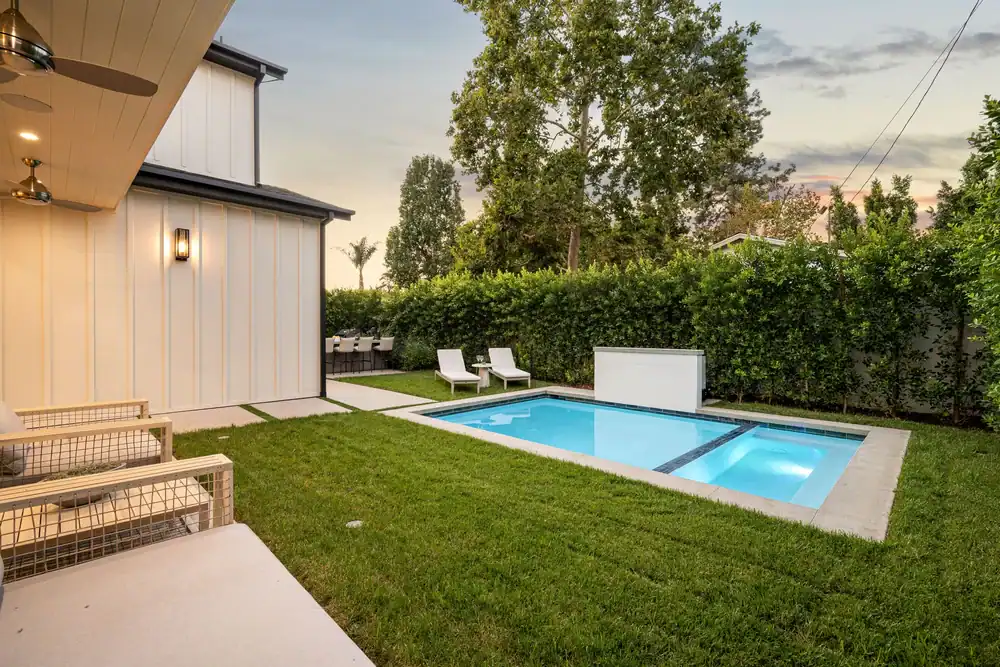
That’s what happens when inground pool builders in Douglas, GA design something specifically for your space and your life. No cookie-cutter shapes. No guessing if it’ll fit your property or your vision.
You get a custom gunite pool that handles Georgia’s soil conditions, meets every code requirement, and looks exactly how you pictured it. The construction process is managed start to finish so you’re not coordinating between electricians, plumbers, and excavators. You’re working with one team that knows how to build pools that last in Wilsonville, GA.
We’ve been building inground pools in Wilsonville and throughout Douglas County since the early 1990s. That’s 30 years of handling local permits, working with Douglas County building departments, and understanding exactly how Georgia soil behaves during construction.
You’re working with contractors who know which barriers meet Georgia’s 48-inch requirement, how to schedule around summer storm delays, and what it takes to get your project approved without complications. We’ve built enough pools in this area to know what works and what doesn’t.
When you hire backyard oasis pool builders who’ve been serving your community for three decades, you’re getting experience you can’t find with newer companies or contractors who don’t specialize in this region.
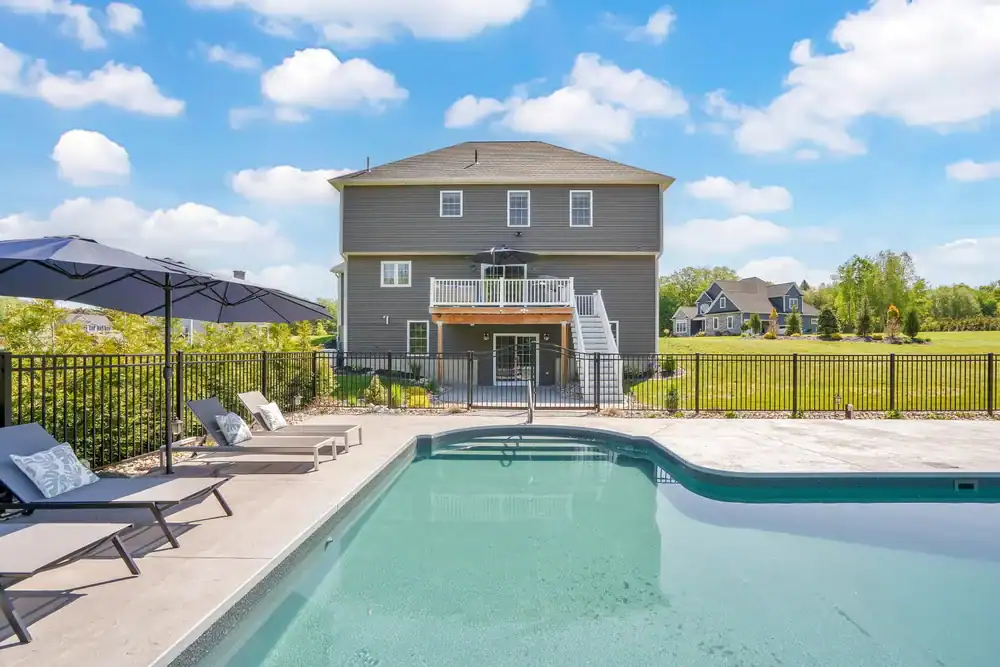
Here’s what actually happens when you decide to move forward with a custom pool in Wilsonville, GA.
First, we evaluate your property. We’re looking at soil conditions, drainage, access for equipment, and how your yard’s layout affects design options. This isn’t a quick walkthrough—it’s where we determine what’s realistic for your space.
Next comes design. You tell us what you want, and we create a plan that fits your property and meets all local requirements. We handle the permit applications, site plans, and safety barrier specifications so you’re not navigating Douglas County building codes on your own.
Then construction starts. Excavation, steel reinforcement, shotcrete application, plumbing, electrical, filtration installation—it all happens in sequence. Most projects take 8 to 12 weeks depending on weather and your pool’s complexity.
You’ll know the timeline upfront. Georgia summers bring afternoon storms that can delay concrete work, and we build that into the schedule so you’re not surprised. When we’re done, your pool is filled, balanced, and ready to use—not a construction zone you need to finish yourself.
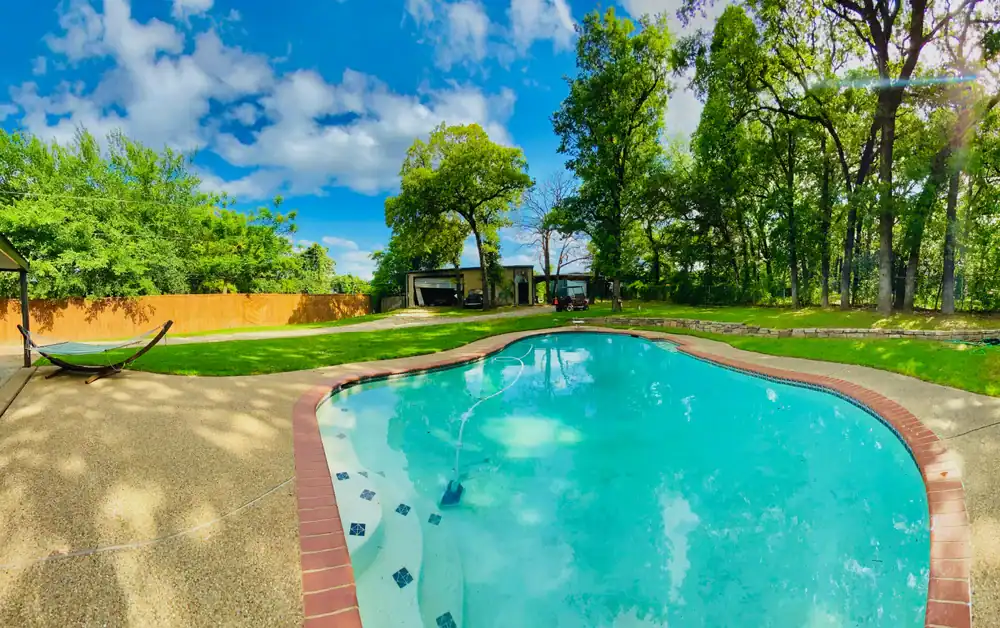
Ready to get started?
You’re getting a pool built with gunite or shotcrete—concrete construction that’s engineered for Georgia’s soil. That matters in Wilsonville because soil movement can crack poorly built pools. Concrete flexes enough to handle shifting ground without structural failure.
You’re also getting full permit management. Georgia requires building permits for all residential pools, and those permits come with specific barrier requirements, inspection schedules, and code compliance standards. We handle the applications, coordinate inspections, and make sure everything passes the first time.
The installation includes excavation, steel framework, concrete application, plumbing, electrical work, filtration system setup, and final grading. You’re not coordinating separate contractors for each phase. One team manages the entire build from the first shovel to the final walkthrough.
And you’re getting a pool that meets International Swimming Pool and Spa Code requirements—proper barriers, compliant gates, correct latch placement. That’s not just for safety. It’s also what your insurance company will ask about.
Most inground pool installations in Wilsonville, GA take between 8 and 12 weeks from the day we break ground to the day you’re swimming. That timeline includes excavation, steel installation, shotcrete application, plumbing and electrical work, decking, and finishing touches.
Weather affects that schedule. Georgia’s summer storms can delay concrete pours because we can’t apply gunite in the rain or when heavy rain is forecast within 24 hours. Permit approval times also vary depending on how busy Douglas County’s building department is when we submit your application.
We give you a realistic timeline upfront that accounts for typical delays. If you’re planning around a specific date—like a summer party or family reunion—let us know early so we can work backward from that deadline and tell you if it’s achievable.
Inground concrete pools in Douglas County typically range from $39,000 to $70,000 depending on size, shape, depth, and features. A basic rectangular pool with standard finishes sits on the lower end. Custom shapes, integrated spas, beach entries, and premium tile work push costs higher.
Your property also affects price. If access is tight and we need smaller equipment, that adds time. If your lot has significant slope, we’re doing more excavation and retaining wall work. Rocky soil costs more to dig than sandy soil.
The best way to get an accurate number is to have us evaluate your property and talk through what you want. We’ll give you a detailed estimate that breaks down costs so you know exactly what you’re paying for. No vague ranges or surprise additions later.
Yes. All residential swimming pools in Georgia require building permits, and that includes inground pools in Wilsonville. The permit process involves submitting site plans, engineering documents, and safety barrier specifications to Douglas County’s building department.
Georgia also requires pools to meet specific barrier requirements—48-inch minimum height, self-closing and self-latching gates, and proper spacing between barrier components. Your permit won’t be approved unless your plans show compliant barriers.
We handle the entire permit process for you. We prepare the site plans, submit the applications, coordinate required inspections during construction, and make sure everything meets International Swimming Pool and Spa Code standards. You don’t need to visit the building department or figure out what paperwork is required.
Concrete pools handle Georgia’s soil conditions better than fiberglass shells. Georgia has varied soil types—clay, sandy loam, rocky ground—and that soil shifts with moisture changes and temperature swings. Concrete is engineered to flex slightly with ground movement without cracking. Fiberglass shells are rigid and can crack or pop out of the ground if soil shifts significantly.
Concrete also gives you complete design freedom. You’re not limited to pre-manufactured shapes and sizes. If your yard has an unusual layout or you want a specific depth for diving, concrete makes that possible. Fiberglass pools come in set dimensions.
And concrete lasts longer. A properly built gunite pool can last 50+ years with normal maintenance. Fiberglass gel coats need resurfacing every 10 to 15 years, and the shells themselves can degrade over time from UV exposure and ground pressure.
Rain delays concrete work, but it doesn’t stop the entire project. We can’t shoot gunite or shotcrete when it’s raining or when heavy rain is forecast within 24 hours because moisture affects how the concrete cures. If rain is coming, we pause that phase and move to other tasks—plumbing rough-in, electrical conduit installation, or equipment pad preparation.
Georgia summers bring frequent afternoon thunderstorms, especially June through August. We build weather delays into your timeline so a few rainy days don’t derail your schedule. Most projects experience at least one or two weather-related pauses.
Once the concrete is applied and has cured for 24 to 48 hours, rain doesn’t hurt anything. At that point, we’re working on tile, coping, decking, and equipment installation—tasks that can happen in light rain or resume quickly after storms pass.
You’ll need to test and balance your water chemistry weekly, clean the skimmer and pump baskets regularly, and brush the pool walls every week or two to prevent algae buildup. Concrete pools require more active maintenance than fiberglass because the porous surface can harbor algae if you let chemistry slip.
Your filtration system needs attention too. Backwash or clean your filter according to the manufacturer’s schedule—usually every few weeks during swim season. Check your pool’s water level and keep it at the middle of the skimmer opening so the pump doesn’t run dry.
We’ll train you on your specific equipment during the final walkthrough. You’ll know how to operate your pump, adjust settings, and troubleshoot common issues. If you’d rather not handle maintenance yourself, we also offer ongoing service plans that cover chemical balancing, cleaning, and equipment checks.