

Hear from Our Customers
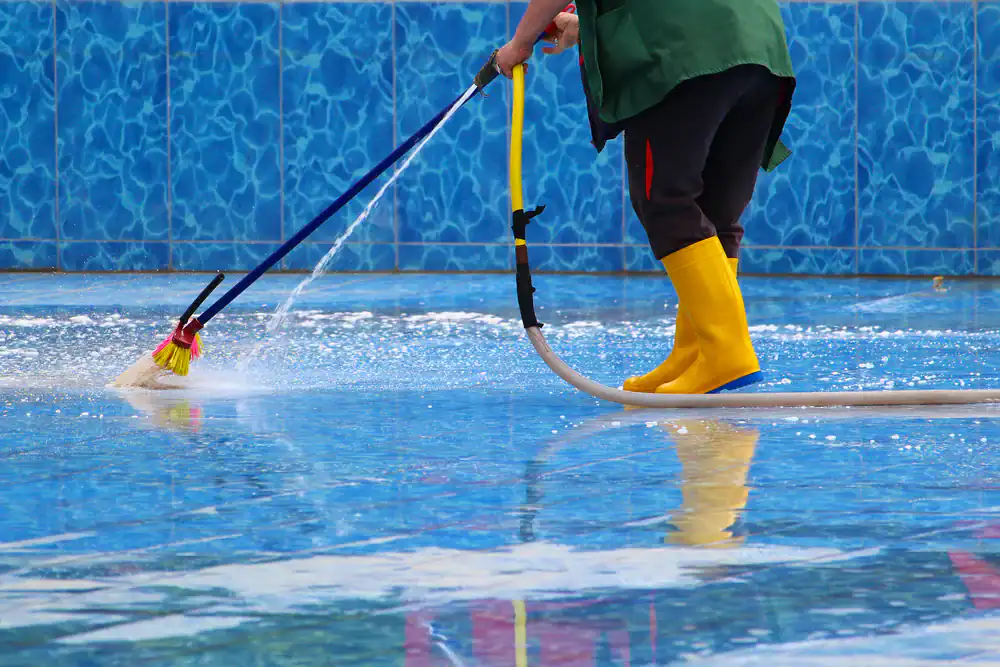
You didn’t install a pool to spend your weekends testing pH levels and vacuuming debris. You wanted a place where your kids could cool off after school, where Saturday afternoons feel like vacation, where friends actually want to come over.
That’s what regular pool cleaning gets you. Not just clear water—though that’s part of it. You get your time back. You get confidence that the chemistry is right before anyone jumps in. You get equipment that lasts longer because someone’s actually checking it before small problems become expensive ones.
In South Georgia, pools aren’t just summer amenities. The weather’s warm enough that you’re using yours from April through October, sometimes longer. That’s a lot of pollen. A lot of afternoon storms. A lot of opportunities for algae to take over if the balance slips even slightly. Regular service means you’re not scrambling to fix a green pool the day before your cookout.
We’ve been maintaining pools across Douglas County and surrounding areas since before most pool service apps existed. We’re licensed, insured, and locally based—not a franchise operation where you never see the same technician twice.
When you’re in Alma, you know what South Georgia weather does to pools. The pine pollen in spring, the heat that breeds algae overnight, the occasional hurricane season surprise. We’ve seen it all, fixed it all, and prevented most of it through consistent maintenance schedules that actually match how pools behave in this climate.
We’re not the cheapest option you’ll find. We’re the one that shows up when scheduled, communicates what we’re seeing, and treats your pool like it’s the only one on our route that day.
First visit starts with a full assessment. We test your water chemistry, check all your equipment, note any issues with surfaces or fittings, and establish a baseline. You’ll know exactly what condition your pool is in and what it needs.
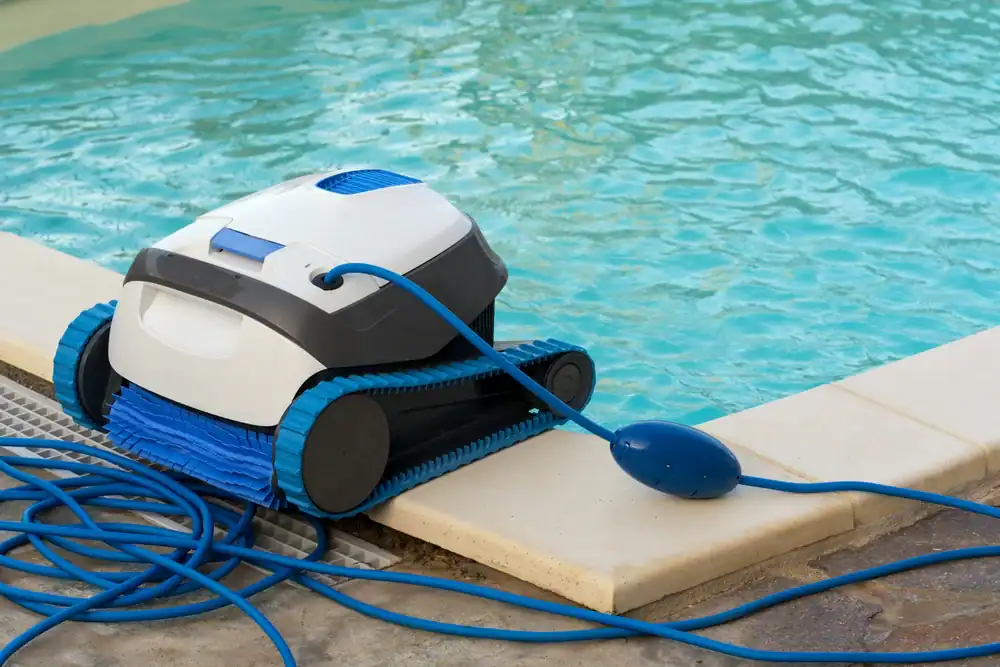
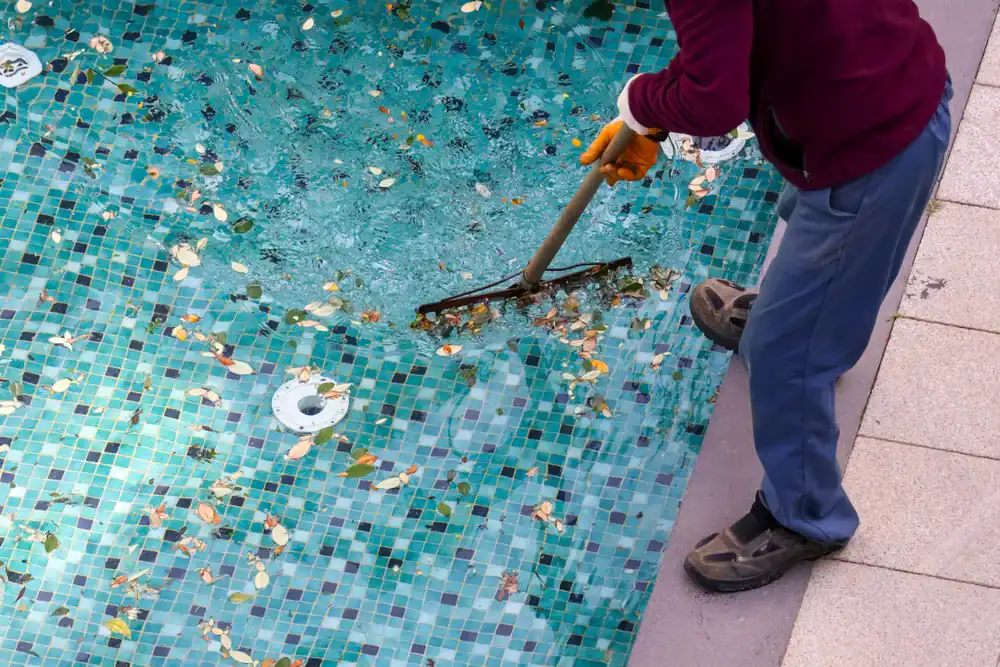
Regular visits follow a consistent routine. We skim the surface, brush walls and steps, vacuum the bottom, empty skimmer and pump baskets, test and balance chemicals, and inspect equipment for anything that looks off. If we spot something—a pump making a weird noise, a filter that’s not performing right—you hear about it that day, not three months later when it fails completely.
Chemical balancing isn’t guesswork. We test chlorine, pH, alkalinity, and calcium hardness every visit. South Georgia water tends to be softer, which means pH can drift up quickly. We adjust based on what your specific pool needs that week, not some generic chart. You get a pool that’s safe to swim in and equipment that isn’t being corroded by imbalanced water.
Between visits, you’re not on your own. Questions come up. Storms blow through. Something looks different. You can reach us, and you’ll get a real answer from someone who knows your pool.
Ready to get started?
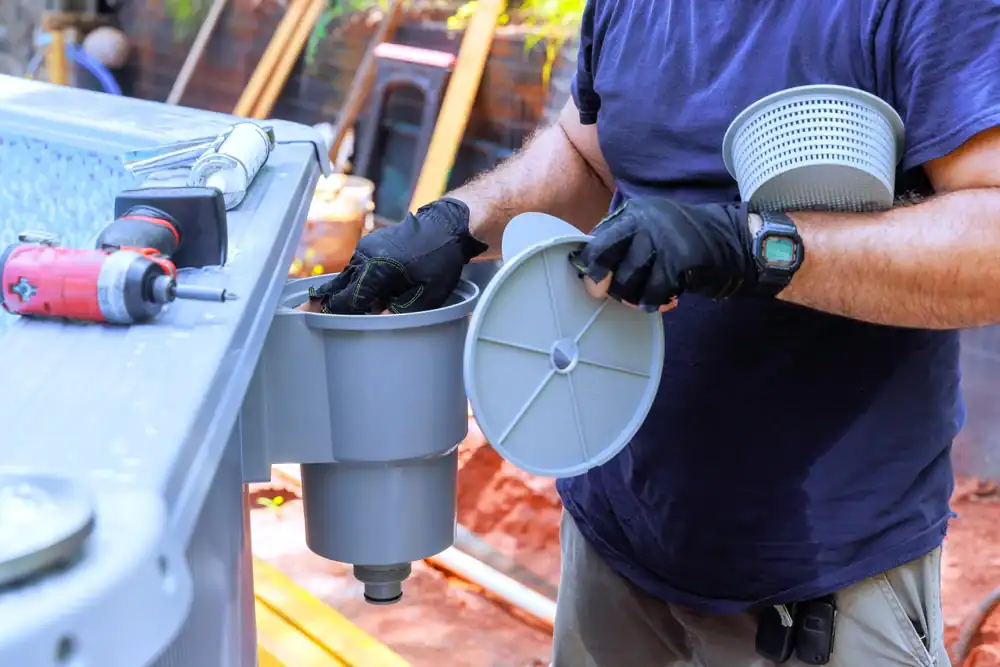
Every service covers the fundamentals: surface skimming, wall and step brushing, vacuuming, basket cleaning, water testing, and chemical adjustment. We’re checking your filter pressure, looking at pump performance, making sure returns and skimmers are flowing properly.
Chemical balancing goes beyond dumping in chlorine. Your pool’s pH affects how well that chlorine actually works. Alkalinity buffers pH swings. Calcium levels protect your concrete from etching. In Alma and throughout Douglas County, we’re dealing with specific water characteristics that affect how these chemicals interact. We adjust for that.
Equipment inspection catches problems early. A small leak at a pump seal is a quick fix. Ignored for months, it becomes a full pump replacement. Filter pressure creeping up means it’s time for a cleaning before flow gets restricted. These aren’t upsells—they’re part of keeping your pool running without surprise breakdowns in July when you’re using it daily.
You’re also getting consistency. Same technician, same day each week, same attention to detail. We’re not rushing through six pools an hour. We’re doing the job right so your pool stays right.
Most residential pools in Georgia need weekly service during the swimming season and bi-weekly during cooler months. That’s not a sales pitch—it’s based on how quickly conditions change here.
Your pool loses water to evaporation, which concentrates chemicals. Rain dilutes them. Pollen and debris fall in daily during spring. Algae spores are always present, waiting for conditions to shift in their favor. A week is about as long as most pools stay balanced without intervention, especially if you’re actually using the pool regularly.
If you’re diligent about skimming and you have a solid understanding of water chemistry, you might stretch to bi-weekly during slower months. But most pool owners don’t want to spend their time doing water tests and calculating chemical doses. Weekly service means you never think about it, and your pool’s always ready when you are.
Short term, probably nothing dramatic. Your pool might get a little cloudy, maybe some algae starts forming on the walls. Seems manageable.
Long term, you’re looking at bigger problems. Imbalanced water etches concrete, corrodes metal fittings, and degrades equipment seals. A pool that’s been neglected for months often needs serious chemical intervention to get clear again—we’re talking shock treatments, algaecide, sometimes draining and acid washing if algae has really taken hold. That costs more than months of regular service would have.
Equipment failures accelerate without regular inspection. Pumps run dry because someone didn’t notice the water level dropped. Filters clog completely because pressure wasn’t monitored. Heaters scale up because calcium levels went unchecked. These aren’t hypotheticals—we see them constantly from pools that went without service. Prevention is genuinely cheaper than repair in this industry.
You can, and plenty of pool owners do. It requires time, consistency, and a willingness to learn what you’re actually testing for and why it matters.
The challenge most people run into isn’t the testing itself—it’s interpreting results and knowing how to correct them without overcorrecting. Add too much acid to drop pH and you’ll crash it too low. Shock the pool without understanding your current chlorine level and you might waste product or create conditions that damage surfaces. Get your calcium hardness wrong in either direction and you’re either etching your concrete or scaling your equipment.
There’s also the physical work. Brushing walls properly takes effort. Vacuuming thoroughly takes time. Cleaning out skimmer baskets is simple until you’re doing it every week in August heat. Most people start with good intentions and then life gets busy. The pool gets neglected for two weeks, then three, and suddenly it’s green. Professional service removes the decision fatigue and the physical labor. You’re paying for consistency as much as expertise.
Safe pool water maintains specific ranges: chlorine between 1-3 ppm, pH between 7.2-7.6, alkalinity between 80-120 ppm, and calcium hardness appropriate for your surface type. Outside these ranges, you risk either unsafe swimming conditions or damage to your pool.
Low chlorine means bacteria and algae can thrive. High chlorine irritates skin and eyes. Low pH makes chlorine less effective and etches concrete. High pH causes scaling and cloudy water. These aren’t minor cosmetic issues—they affect whether your pool is safe for your family to use.
The problem with DIY testing is accuracy. Test strips are convenient but often imprecise. Liquid test kits are better but require careful technique and fresh reagents. Professional testing uses calibrated equipment and accounts for factors like combined chlorine versus free chlorine, which matters for actual sanitization. When we test your water, you’re getting accurate readings and adjustments based on those readings, not best guesses.
Most residential pool cleaning services in Georgia run between $80-150 per month for weekly maintenance, depending on pool size, service scope, and any additional treatments needed. That typically covers all the standard cleaning, chemical balancing, and equipment inspection.
What affects price is what’s included. Basic service might just be skimming and chemical adjustment. Comprehensive service includes vacuuming, brushing, filter cleaning, detailed equipment checks, and communication about anything that needs attention. You want comprehensive—the few extra dollars per visit prevent the hundreds you’d spend fixing problems that weren’t caught early.
One-time cleanups for neglected pools cost more because they require more chemicals, more labor, and sometimes specialized treatment. Regular maintenance keeps costs predictable. You’re also protecting the investment you made in the pool itself. Concrete pools in South Georgia aren’t cheap to install or repair. Spending $100 a month to maintain one properly is reasonable compared to resurfacing costs or equipment replacement.
We service pools year-round because South Georgia’s climate means your pool needs attention even in winter. You might not be swimming in January, but your water chemistry doesn’t pause, and your equipment still needs monitoring.
Winter service looks different than summer service. Frequency often drops to bi-weekly or monthly depending on your pool’s condition and whether you’re running equipment. We’re still testing water, checking that nothing’s freezing or failing, making sure algae isn’t taking advantage of neglect during months you’re not paying attention.
Some pool owners try to shut down completely in winter and restart in spring. That approach can work, but it often means spending more time and money getting the pool back to swimmable condition when warm weather returns. Minimal winter maintenance keeps everything stable so you’re ready to jump in as soon as temperatures climb, not waiting weeks for water to clear and balance.