

Hear from Our Customers
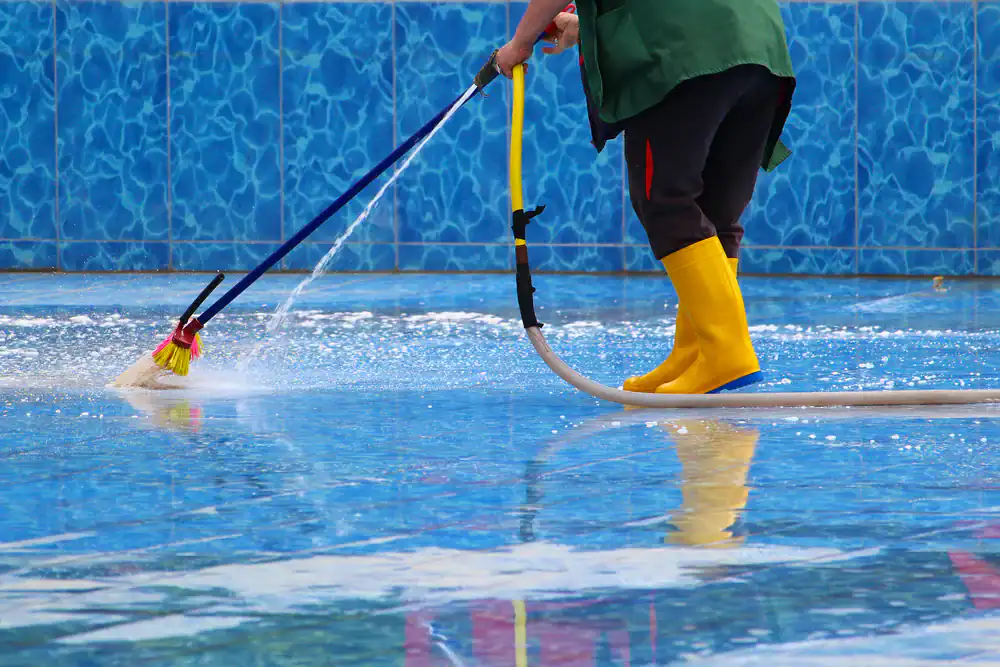
You bought a pool to use it, not to spend every Saturday testing chemicals and fishing out leaves. But here’s the reality: Georgia pools need year-round attention. The warm season stretches longer here than up north, which means algae, debris, and chemical imbalances don’t take a break just because it’s October.
When your pool maintenance is handled weekly, you’re not scrambling to get it swim-ready before guests arrive. The water stays balanced. The equipment runs clean. You’re not dealing with green water on a Tuesday or a clogged filter that could’ve been caught earlier.
Professional pool cleaning service in Glory means someone shows up on schedule, does the work right, and catches the small problems before they turn into expensive ones. Your weekends stay yours. Your pool stays clear. That’s the outcome that matters.
We’ve been serving Douglas County and surrounding areas for over a decade, backed by more than 30 years of hands-on pool experience. We’re not a franchise or a national chain—we’re local to South Georgia, and we understand what pools in this climate need.
Glory homeowners deal with pine pollen in spring, summer heat that pushes chemical levels, and enough warm weather to keep pools open most of the year. We’ve seen it all, and we know how to keep residential pools running clean without the runaround.
We carry over $3 million in liability coverage, we’re certified by NSPF and APSP, and we work with the equipment manufacturers you already have in your backyard. If we can’t make it right, we’ll tell you—and we’ll fix it.
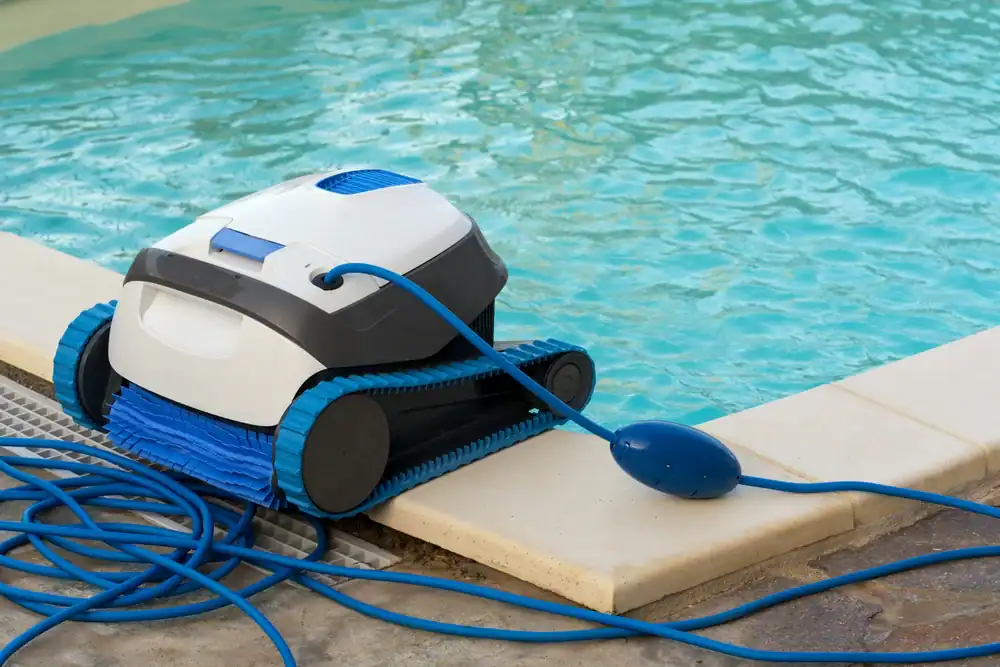
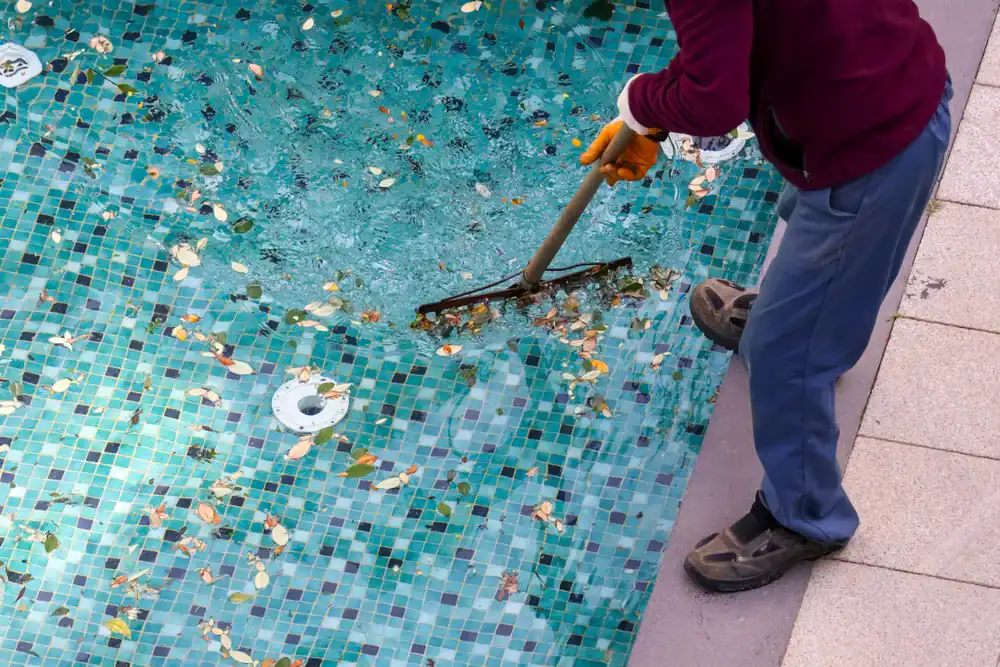
We start by skimming the surface and brushing down your pool walls to loosen debris and prevent buildup. Then we vacuum the floor, pulling out anything that’s settled since the last visit. Every basket—skimmer and pump—gets emptied so water flows the way it should.
Next comes the filter. We backwash or clean it depending on what type you have, because a clogged filter means cloudy water and overworked equipment. Then we test your water chemistry—pH, chlorine, alkalinity—and adjust it on the spot. You’re not guessing with test strips or hoping you added the right amount.
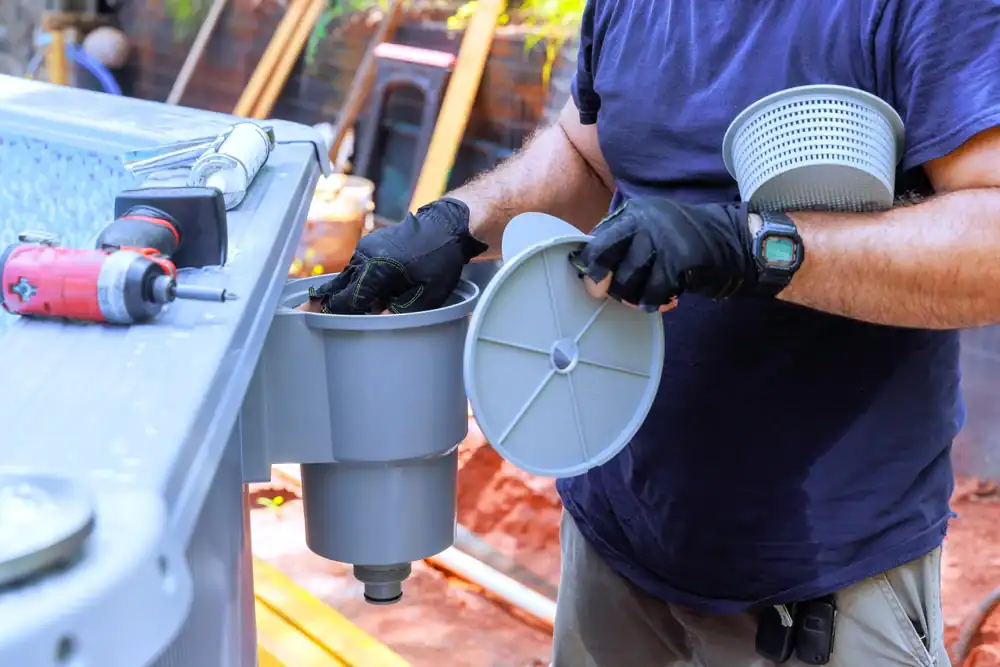
Before we leave, we check your equipment. Pump running smooth? Any leaks or strange sounds? We catch the small stuff early so you’re not dealing with a breakdown in July. That’s the visit. It takes us about 30 minutes, and it happens every week whether you’re home or not.
Ready to get started?
Every weekly pool maintenance visit covers the essentials: brushing, vacuuming, skimming, basket cleaning, filter backwashing, and full chemical balancing. We’re not just skimming leaves and leaving—we’re managing the health of your water and the longevity of your equipment.
In Glory and throughout Douglas County, pools face specific challenges. Pollen loads in spring can turn water green overnight if chemistry isn’t dialed in. Summer heat accelerates chlorine loss. Fall doesn’t mean you’re done—plenty of homeowners keep their pools open into November. Our service adjusts to what your pool actually needs, not a one-size-fits-all checklist.
We also include equipment inspections with every visit. If your pump is making noise, your filter pressure is climbing, or there’s a small leak starting, we’ll catch it and let you know. Most repairs cost a fraction of what they would if you wait until something fails completely. You’re not paying extra for us to look—it’s part of keeping your pool healthy long-term.
Most residential pools in Georgia need weekly service to stay clean and balanced. You might think every other week is enough, but here’s what happens when you stretch it: debris sits longer, algae gets a head start, and chemical levels drift further out of range.
Georgia’s climate keeps pools active most of the year. Even in cooler months, you’ve got falling leaves, pollen, and enough sun to grow algae if chlorine drops. Weekly visits mean we’re staying ahead of problems instead of reacting to them.
If your pool gets heavy use—kids, dogs, frequent guests—weekly service isn’t optional. More swimmers means more oils, sunscreen, and contamination in the water. Skipping weeks just means bigger corrections later, and usually a pool you can’t use until it’s fixed.
Chemical balancing means testing and adjusting your water so it’s safe to swim in and won’t damage your pool or equipment. We test pH, chlorine, alkalinity, and calcium hardness every visit. Each one affects the others, so you can’t just dump in chlorine and call it done.
If your pH is too high, chlorine stops working even if you have plenty in the water. If alkalinity is off, your pH won’t stay stable. If calcium is too low, your water pulls it from your plaster or grout. If it’s too high, you get scaling on your tile and equipment.
We adjust chemicals on-site based on what your water needs that day. It’s not guesswork—it’s measured, and it’s done by someone who knows how South Georgia water behaves. You’re not dealing with cloudy water, skin irritation, or equipment corrosion because something was out of balance for two weeks.
You can, but most people underestimate the time and consistency it takes. Pool maintenance isn’t hard, but it’s specific, and it needs to happen every week whether you feel like it or not. Miss a week in summer and you’re dealing with algae. Guess wrong on chemicals and you’re buying test kits, troubleshooting, and possibly damaging your finish or equipment.
The bigger issue is what you don’t catch. A small leak, a pump running rough, a filter that’s not backwashing right—those turn into expensive repairs if you don’t know what to listen for. We’ve seen homeowners spend thousands fixing problems that started small and got ignored.
If your time is worth something, and you’d rather spend Saturday doing anything other than scrubbing pool walls, professional service pays for itself. You’re also protecting a feature that can add up to 7% to your home’s value—but only if it’s maintained right.
Green water means algae has taken over, usually because chlorine dropped too low or chemistry drifted out of balance. It can happen fast in Georgia heat, especially after heavy rain or if your pool gets a lot of sun. If you’re on weekly service with us, it’s rare—but if it does happen, we’ll handle it.
We’ll shock the pool with a heavy dose of chlorine, brush everything to break up the algae, and run your filter continuously until the water clears. Depending on how bad it is, that can take 24 to 48 hours. We’ll test and adjust chemistry throughout the process to make sure it clears completely and doesn’t come back.
If your pool keeps turning green even with regular service, there’s usually an underlying issue—bad circulation, a failing filter, or something blocking proper water flow. We’ll figure out what’s causing it and fix the root problem, not just treat the symptoms every week.
Yes. Georgia pools need attention year-round, even if you’re not swimming in January. Your equipment still runs, your water still needs balance, and debris doesn’t stop falling just because it’s cool outside. Letting a pool sit unmanaged for months creates problems that cost more to fix than maintaining it would have.
We adjust service based on the season. In winter, we might come less frequently if your pool is covered and your equipment is off. But if you keep it open or running, we’re still testing chemistry, cleaning baskets, and checking equipment. Spring ramp-up is when most people call us in a panic—pollen everywhere, green water, equipment that hasn’t run right in months.
If you’re in Glory or anywhere in Douglas County, we’ll work with you to figure out what makes sense for your pool and how you use it. Some people close down in November. Others keep it ready through Thanksgiving. We’ll match the service to what you actually need.
Most equipment gives you warning signs before it fails completely. Your pump might start making noise, running hotter than usual, or struggling to prime. Your filter pressure might climb even after backwashing. You might notice leaks, reduced water flow, or the system shutting off randomly.
The problem is most homeowners don’t know what’s normal. A pump that’s always been loud might seem fine until it stops working altogether. A slow leak might go unnoticed until you’re adding water twice a week. That’s where regular inspections help—we know what your equipment should sound like, how it should perform, and what early failure looks like.
Catching problems early saves money. A motor seal that’s starting to leak can be replaced for a couple hundred dollars. Waiting until the motor burns out means replacing the whole pump. A filter that’s not backwashing right might just need a new valve—but if you keep running it, you’ll burn out your pump trying to push water through a clogged system. We’d rather catch it early.