

Hear from Our Customers
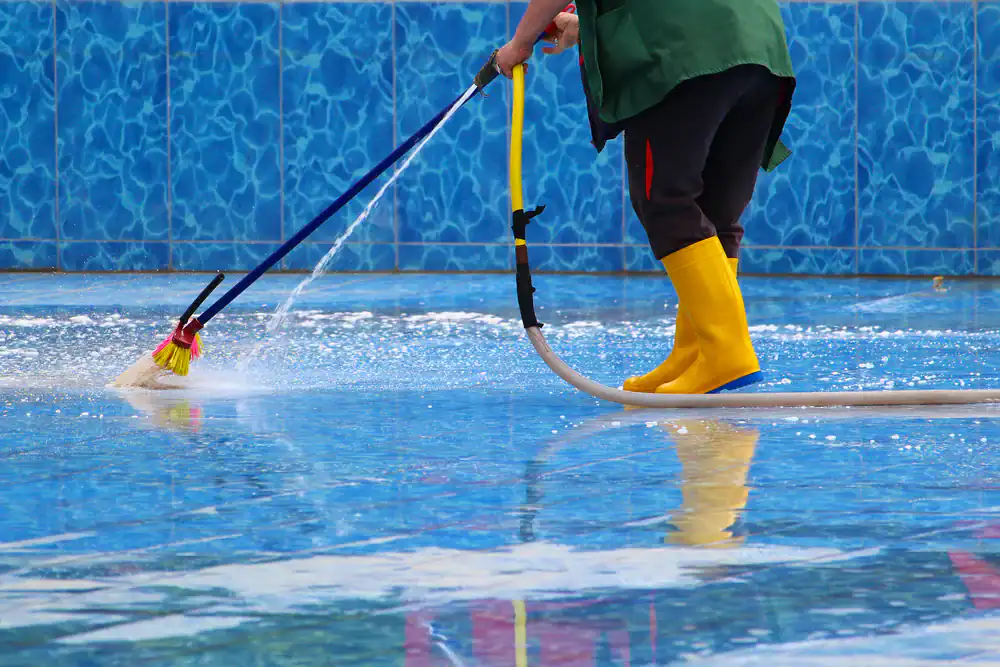
You stop spending Saturday mornings testing chemicals and skimming leaves. Your equipment runs longer because someone’s actually checking it every week. The water stays clear, balanced, and safe for your kids without you having to think about it.
Your pool becomes what it should be: something you use, not something you maintain. No more guessing if the pH is right or if that pump noise is normal. No more last-minute scrambles before guests come over because the water turned green.
When you hand off the maintenance, you get back hours every week. Your pool stays swim-ready through Georgia’s long season, and you catch problems early before they cost you serious money. That’s what consistent professional care actually does.
We’ve been working in Douglas County for over 30 years. We’ve built pools here, renovated them, and maintained hundreds through every Georgia season. We’re licensed, insured, and we know what works in this climate.
Kirkland sits in the heart of Douglas County, where red clay soil and humid summers create specific challenges for pool owners. We’ve dealt with every issue this area throws at pools, from chemical balance problems in the heat to equipment strain during extended swim seasons.
When you work with us, you’re working with people who’ve been doing this since before half the neighborhoods in Kirkland existed. We’re not learning on your pool. We already know what it needs.
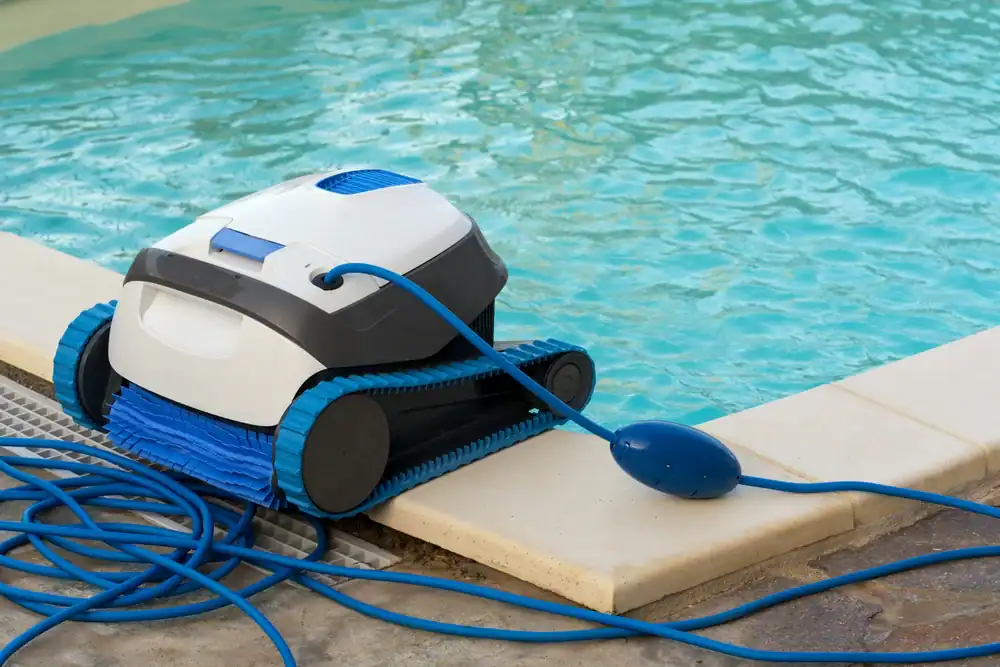
We show up on the same day every week. First, we check your equipment: pump, filter, heater. We’re looking for anything that sounds wrong, leaks, or shows early signs of wear.
Then we test and balance your water chemistry. Chlorine, pH, alkalinity, calcium hardness – we adjust what needs adjusting based on how your pool’s been used and what the weather’s been doing. Georgia heat affects chemical balance differently than cooler climates, and we account for that.
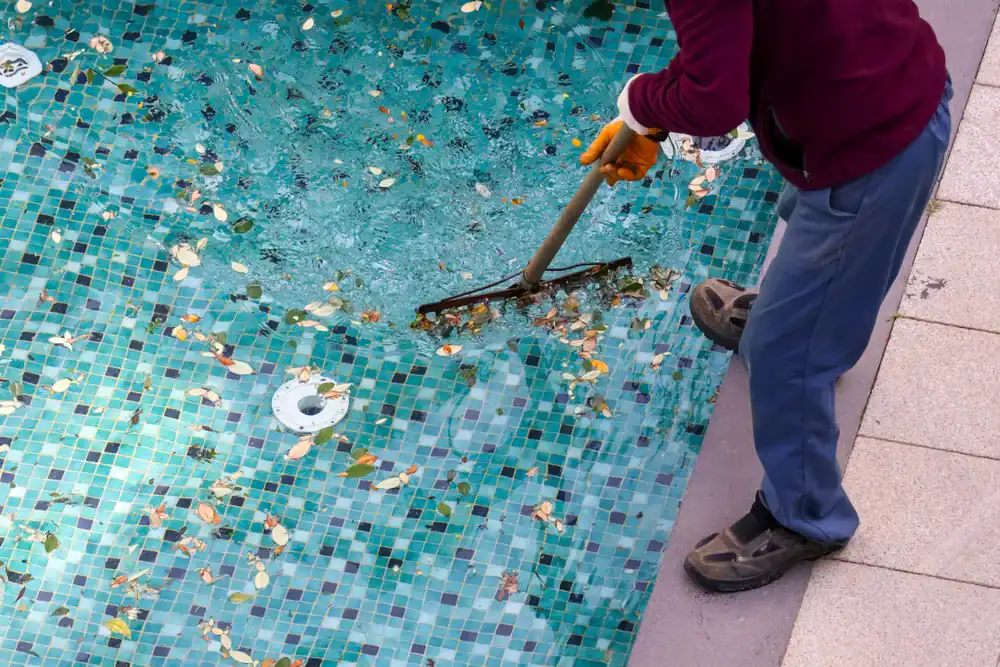
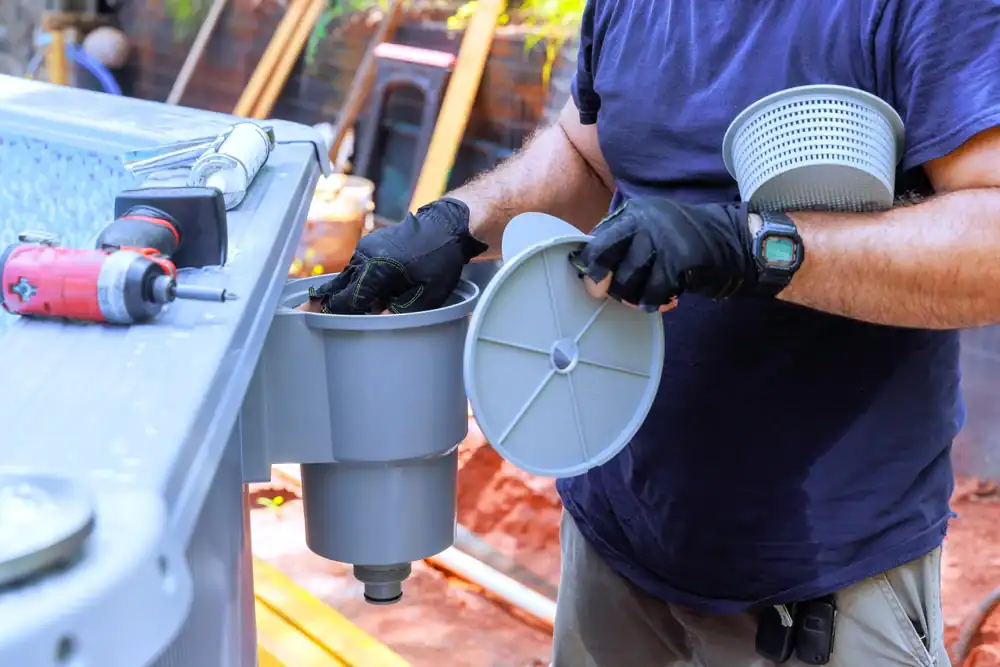
We skim the surface, brush the walls and steps, vacuum the bottom, and empty your skimmer and pump baskets. We check water levels and make sure everything’s circulating properly. Before we leave, your pool is clean and the chemistry is dialed in.
If we spot something that needs your attention – a crack forming, equipment that’s struggling, anything that could become expensive – we tell you right away. No surprises three months later when something fails.
Ready to get started?
Every visit covers complete chemical testing and balancing. We’re adjusting for Kirkland’s specific water conditions and the way Georgia’s humidity and heat affect your pool chemistry. You’re not getting a generic approach – we’re treating your water based on local conditions.
Surface skimming, wall brushing, and vacuuming happen every single week. We clean your skimmer baskets and pump basket because debris clogs systems and makes equipment work harder than it should. Small stuff that prevents big problems.
Equipment inspection is part of every visit. We’re checking for leaks, unusual sounds, pressure issues, anything that tells us a part is wearing out. Most expensive repairs start as small problems that nobody noticed. We notice them.
In Kirkland, you’re dealing with clay soil that can shift, heat that stresses equipment, and a swimming season that runs longer than most of the country. Your pool needs someone who understands how those factors play out over time. That’s what this service gives you – local knowledge applied weekly to keep everything running right.
Weekly service is the standard for residential pools in Georgia, and there’s a reason for that. Your pool doesn’t take a break – debris falls in daily, chemicals get used up as people swim, and equipment runs constantly during warm months.
In Kirkland specifically, you’re dealing with pine pollen in spring, high heat in summer, and an extended swimming season that runs from April through October or later. That’s more wear and tear than pools in cooler climates face. Weekly visits keep chemistry stable, catch equipment issues early, and prevent the buildup that leads to algae or cloudy water.
Some companies will try to sell you bi-weekly service to save money, but you usually end up spending more fixing problems that develop between visits. Weekly maintenance costs less than the repairs you avoid.
You can maintain your own pool, but most people underestimate what’s involved. Testing and balancing chemicals correctly takes knowledge and consistency – mess it up and you’re looking at skin irritation, equipment corrosion, or water that’s unsafe to swim in.
The bigger issue is what you don’t see. When your pump starts making a slightly different sound or your pressure gauge shows a small change, those are early warnings. Miss them, and a $200 repair becomes a $2,000 replacement. Most homeowners don’t know what to look for until something fails completely.
Time is the other factor. Proper pool maintenance takes 2-4 hours weekly if you know what you’re doing. That’s 8-16 hours a month you could spend actually using your pool instead of working on it. For most people in Kirkland with busy lives, that math doesn’t work out.
Chlorine is one piece of a bigger puzzle. We’re testing and adjusting pH, total alkalinity, calcium hardness, cyanuric acid, and chlorine levels. Each one affects the others, and they all need to be in range for your water to be safe and for your equipment to last.
Georgia’s heat and humidity throw off chemical balance faster than in other climates. High temperatures make chlorine burn off quicker. Rain dilutes your chemicals. Heavy use from swimming depletes sanitizer. We’re adjusting for all of that based on what’s actually happening with your pool, not just dumping in the same amount of chemicals every week.
Wrong chemical balance doesn’t just make water cloudy – it corrodes metal parts, degrades vinyl liners, causes scaling on tile, and can damage your pump and heater. Getting it right protects your investment and keeps your family safe. That’s why we test every time, not just eyeball it.
Clay soil movement is the big one in Douglas County. Kirkland’s soil expands and contracts with moisture changes, which can cause pool shells to crack or shift over time. We watch for early signs – small cracks, tile separation, deck movement – because catching them early saves major money.
Equipment strain from extended use is another issue. Your pool runs longer here than in most of the country, which means pumps, filters, and heaters work harder. Parts that might last 8 years elsewhere might need replacement in 6 years here. Regular inspection helps you plan for those replacements instead of dealing with emergency failures.
Chemical balance problems happen fast in Georgia heat. Water that was perfect on Monday can be off by Friday if conditions are right. Algae blooms, cloudy water, and pH swings are common when pools go more than a week without professional attention. Consistency prevents most of these issues.
Most residential pool cleaning services in the Kirkland area run between $100-150 per month for weekly maintenance. That covers chemical balancing, cleaning, and basic equipment checks. Prices vary based on pool size, specific equipment you have, and what condition your pool is in when service starts.
That monthly cost is less than most people spend trying to maintain their own pools once you factor in chemicals, testing supplies, and equipment. It’s definitely less than one major repair from neglected maintenance – a pump replacement alone runs $800-1,500, and a heater can cost several thousand.
The real value isn’t just the money. It’s getting back 8-16 hours a month and knowing your pool is actually being maintained correctly. Most people in Kirkland who try to save money doing it themselves eventually switch to professional service after dealing with a green pool or an expensive equipment failure. Starting with weekly service from the beginning just makes more sense.
Year-round service is important in Georgia because your swimming season doesn’t really end. Kirkland residents often swim into October or November, and mild winters mean your pool still needs attention even when you’re not using it.
Water chemistry doesn’t stop mattering in winter. Your pool still collects debris, and equipment still needs to run periodically to prevent damage. Algae can grow in water temperatures as low as 50 degrees, which means even December and January require monitoring in this climate.
Most of our clients in Kirkland keep weekly service through the heavy-use months from April through October, then switch to bi-weekly or monthly maintenance visits in winter. That keeps the pool protected without paying for service you don’t need when nobody’s swimming. We adjust the schedule based on how you actually use your pool and what the weather’s doing.