

Hear from Our Customers
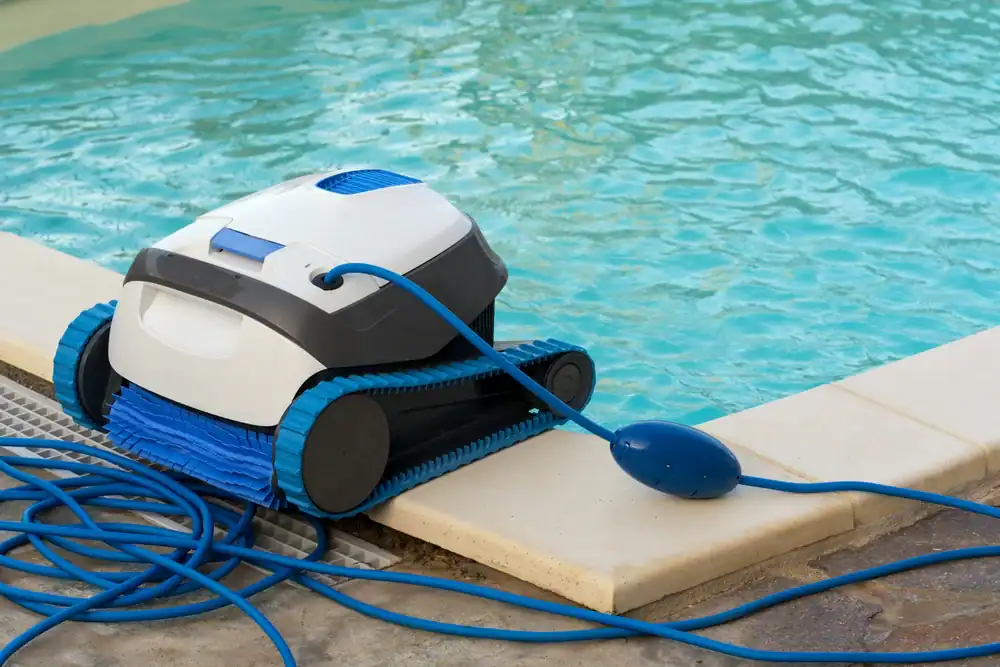
Most pool owners in the Lotts area don’t have a maintenance problem they have a consistency problem. One week of skipped service in a Coffee County summer, and you’re looking at green water, clogged baskets, and a chemistry mess that costs more to fix than it would have to prevent. The heat, the afternoon thunderstorms, the pine pollen rolling off the wiregrass timber land surrounding rural properties out here it all hits your pool at once, and it hits fast.
When your pool is on a real maintenance schedule, the difference is obvious. The water stays clear. The equipment runs the way it’s supposed to. You’re not spending a Saturday afternoon trying to figure out why the pH is off or where that green tint came from. You just go swim.
For properties north of Douglas where lots are bigger, trees are closer, and there’s no HOA keeping tabs on anything that kind of reliability matters more, not less. There’s no one else checking on it. A clean, balanced pool out here is entirely on whoever’s maintaining it. That’s where consistent, local service makes the real difference.
Deep Waters Pools is based on Baker Highway in Douglas which means when we service a pool in Lotts or anywhere else in Coffee County, we’re not driving in from Tifton or dispatching someone from Atlanta. We’re your county’s pool company. Coffee County is our home, and we’ve been working in it since long before Deep Waters Pools was formally established in 2014.
Our founder came up through concrete, plumbing, and pool construction over 30 years of hands-on trade work in South Georgia before the business ever had a name. That background matters for maintenance because we’re not just adding chemicals and leaving. We know what’s behind the equipment, what early wear sounds like, and what a chemistry trend can mean for your liner down the road.
Deep Waters was built on one principle: Coffee County families deserved a contractor who actually showed up and did the full job. That’s still what drives every service visit we make.
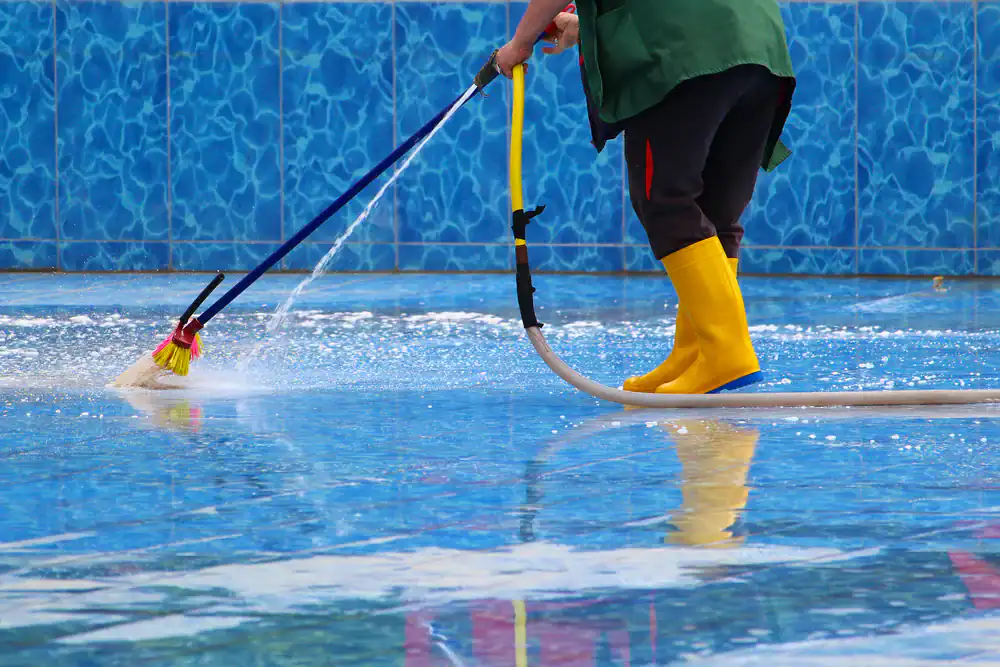
Every maintenance visit starts with a full read of your pool’s current condition water clarity, surface buildup, equipment sounds, and anything that looks like it’s developing into a problem. We don’t skip steps to save time. In Coffee County, where pine pollen, sandy soil, and summer storm runoff are a constant reality, that initial assessment isn’t a formality. It’s how we catch small issues before they turn into expensive ones.
From there, we move through the full process: skimming the surface, brushing the walls and floor, vacuuming debris, and cleaning out the skimmer basket which in this area, especially through pollen season and after any significant rain event, can be packed tighter than most people expect. A clogged skimmer isn’t just an eyesore. It restricts water flow to your pump and puts real strain on your equipment over time.
Then we test the water chemistry and balance it on the spot. pH, chlorine, alkalinity, stabilizer all of it gets checked and corrected before we leave. After a storm like the ones Coffee County saw in 2024, that chemistry rebalancing step becomes especially important. Rain dilutes your sanitizer levels fast, and without a correction, algae can take hold within days. You’ll know what we found and what we adjusted, every single visit.
Ready to get started?
Pool cleaning service from Deep Waters Pools covers the full scope of what your pool actually needs to stay safe and functional not a shortcut version of it. Every visit includes surface skimming, wall and floor brushing, vacuuming, skimmer basket cleaning, full water chemistry testing, and chemical balancing. If something looks off with your equipment during the visit, you hear about it before it becomes a repair call.
For properties in and around Lotts, seasonal pool care is a real part of the conversation too. South Georgia springs arrive early warm weekends can show up in late March before most homeowners have thought about opening their pool. We handle pre-season openings to make sure your chemistry is dialed in and your equipment is ready before the first swim of the year, not after. And while Coffee County winters are mild, the occasional cold snap still warrants attention to your plumbing and equipment lines. We take care of that side of things too.
If you’ve dealt with post-storm cleanup after a named storm event and Coffee County had two disaster declarations in 2024 alone you already know how quickly a pool can go sideways after heavy rain and debris. That kind of recovery service is part of what we do, handled by the same team that understands your pool’s baseline and can get it back there efficiently.
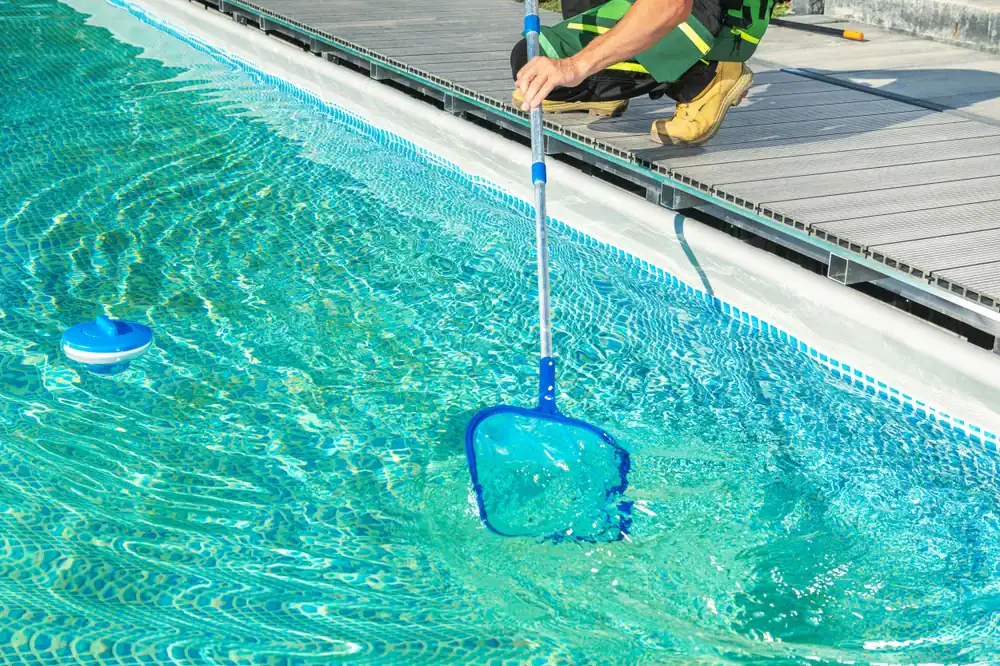
For most pools in Coffee County, weekly service is the right call during the summer months and that’s not a sales pitch, it’s just what the climate demands. When temperatures are consistently in the low-to-mid 90s and the UV index is high, chlorine burns off faster than most homeowners realize. Combine that with afternoon thunderstorms that dilute your sanitizer levels and introduce organic material, and a pool that was balanced on Monday can be drifting into problem territory by Friday.
For properties in Lotts specifically, where larger lots mean more surrounding trees and less wind protection, debris load tends to be higher than in more open suburban settings. Leaves, pine needles, and pollen find their way into the water regularly. Weekly maintenance keeps that under control before it affects your filtration system or water chemistry. During milder months late fall through early spring some homeowners in Coffee County can stretch to bi-weekly service, but that depends on the pool, the surrounding landscape, and how much the pool is being used.
Chemical balancing is more than just adding chlorine. A properly balanced pool requires the right levels of pH, total alkalinity, calcium hardness, cyanuric acid (stabilizer), and sanitizer and all of those interact with each other. If your pH is too high, chlorine becomes far less effective even when the level reads fine on a basic test strip. If your alkalinity is off, pH swings become harder to control. It’s a system, not a single number.
In South Georgia’s climate, the challenge is that conditions push those numbers around constantly. Heat accelerates chlorine consumption. Rain dilutes and shifts pH. Heavy pollen loads introduce organic matter that consumes sanitizer. Getting the balance right isn’t a one-time fix it’s an ongoing process that requires actual testing at each visit, not just a visual check and a handful of tablets. A pool that looks clear can still have chemistry that’s hard on your liner, rough on swimmers’ eyes and skin, or quietly corroding your equipment. Proper balancing protects all three.
After a significant storm event and Coffee County saw back-to-back named storm impacts in 2024 with Hurricane Helene and Tropical Storm Debby pools take a real hit. The most immediate issues are debris load and chemistry disruption. Heavy rain dilutes your sanitizer, shifts your pH, and can push your alkalinity out of range. At the same time, wind and storm runoff introduce leaves, dirt, organic material, and sometimes larger debris that stresses your filtration system and can clog or damage equipment.
The right response is a full post-storm service: removing all debris, cleaning the skimmer basket and pump basket, testing the water chemistry, and rebalancing everything from scratch rather than trying to patch individual readings. If the storm was severe enough, a shock treatment may be needed before the pool is safe to swim in again. Equipment should also be inspected storm events can cause power surges or physical damage to pumps and automation systems that aren’t always obvious right away. Getting ahead of that inspection early prevents a small issue from becoming a larger repair.
This is one of the most common frustrations pool owners in this area deal with, and the answer usually comes down to one of a few things. The most frequent culprit is low cyanuric acid, also called stabilizer or conditioner. In South Georgia’s high-UV environment, unstabilized chlorine breaks down extremely quickly sometimes within hours of being added. Without the right stabilizer level, you can add chlorine regularly and still end up with an algae problem because the chlorine isn’t lasting long enough to do its job.
The other common cause is pH being too high. When pH climbs above 7.8, chlorine efficiency drops significantly. You might have a chlorine reading that looks acceptable, but the effective sanitizing power is a fraction of what it should be. Algae takes advantage of that gap fast, especially in summer heat. A third possibility is that the pool isn’t being circulated long enough each day most pools in this climate need 8 to 12 hours of pump runtime daily during peak summer to keep water moving through the filter effectively. Fixing a green pool means addressing the root cause, not just adding more chlorine on top of an unbalanced system.
Most pool owners in Coffee County keep their pools open year-round or close them only partially, and that’s generally a reasonable approach given the climate. Winters in the wiregrass region are mild enough that a full northern-style winterization blowing out lines, plugging returns, dropping the water level significantly isn’t typically necessary. Hard freezes are infrequent, and when they do occur, they’re usually short-lived.
That said, “mild” doesn’t mean zero risk. When temperatures do drop below freezing, even briefly, unprotected plumbing and equipment can sustain damage and that kind of repair is expensive and avoidable. The practical approach for most Lotts-area pools is a light seasonal transition: reducing pump run time, adjusting your chemical program for lower temperatures and reduced use, and making sure your equipment is protected during any forecasted freeze event. If you do decide to close the pool fully, a proper closing that includes a thorough chemical treatment and equipment check will make your spring opening much smoother and prevent the algae bloom that comes from a pool that sat unbalanced through the winter.
It’s a fair question, and the answer usually shows up pretty quickly in the conversation. A company that genuinely knows this area will understand that Coffee County pools deal with specific conditions the pine pollen that comes off the wiregrass timber land, the sandy coastal plain soils that behave differently than clay-heavy ground further north, the summer storm patterns that can disrupt water chemistry multiple times in a single week, and the kind of heat that makes weekly service a necessity rather than a luxury.
What you want to hear from a pool service provider in this area is specificity, not generalities. Do they know what the Douglas North corridor looks like in terms of property type and tree cover? Do they understand what a storm season like 2024 does to pool chemistry? Do they have construction-level knowledge of pool systems, or are they working from a basic maintenance checklist? We’ve been working in Coffee County since before Deep Waters Pools had a name our founder has over 30 years of hands-on experience in this region’s soil, water, and weather. That’s not a credential we put on a wall. It’s what shows up in how we work.
Other Services we provide in Lotts