
Hear from Our Customers
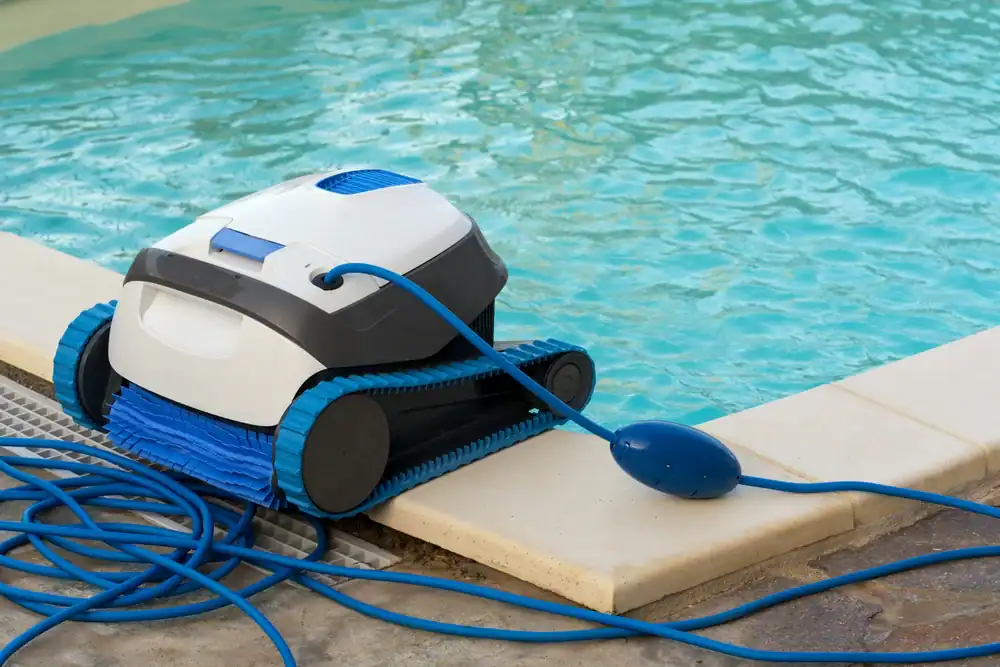
A pool that gets consistent professional maintenance doesn’t just look better it costs less to own. Equipment lasts longer when it’s not straining against clogged baskets or unbalanced chemistry. You avoid the emergency calls, the algae treatments that run $200 or more, and the pump replacements that come out of nowhere in August.
In Pavo, the conditions are specific. The peanut farms and pine timber surrounding Thomas and Brooks County push some of the heaviest pollen loads in South Georgia straight into your water every spring. Pine pollen turns a pool yellow-green fast and if you don’t know what you’re looking at, it’s easy to mistake it for algae and throw chemicals at the wrong problem. That misdiagnosis costs money and doesn’t fix anything.
The heat here is the other factor most people underestimate. When July highs are pushing 91 degrees with South Georgia humidity on top of it, chlorine evaporates faster than most homeowners expect. A pool that was balanced on Friday can be chemically off by Saturday afternoon. Weekly service isn’t a luxury in this climate it’s the minimum responsible schedule for keeping your water safe and your pool usable all season.
We’ve been operating since 2014, but the experience behind Deep Waters Pools goes back more than three decades. Our founder spent thirty-plus years working in concrete, plumbing, and pool construction across South Georgia before the business was formally established learning this region’s soil, water, and climate the hard way, on real jobs.
That history matters for a town like Pavo. You’re split between Thomas County and Brooks County, sitting on the SR 122 corridor 17 miles east of Thomasville and well outside the established service routes that most local pool companies build their schedules around. Some providers charge extra for that distance. Others deprioritize it. We’re a South Georgia company not an Atlanta chain, not a national franchise and serving communities like Pavo is exactly what we were built to do.
You’ll know what was done after every visit, what was found, and what to watch for. No guessing, no surprises on the bill.
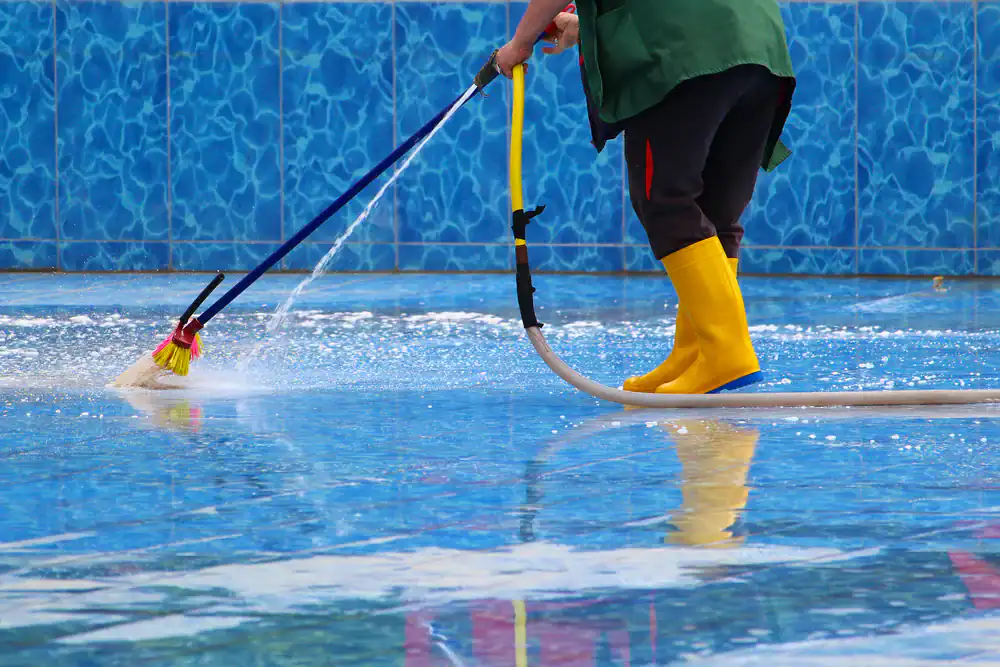
Every visit starts with a full assessment water clarity, equipment condition, and a chemical test before anything else is touched. In South Georgia’s climate, that baseline reading matters because conditions change fast. What the water needed last week may not be what it needs today, especially coming out of a heat stretch or a heavy pollen period in spring.
From there, skimmer baskets and pump baskets get cleaned every visit, not as an add-on. This is one of the most overlooked steps in pool maintenance, and it’s one of the most consequential. A clogged basket restricts water flow to the pump, builds pressure in the system, and quietly shortens the life of equipment that isn’t cheap to replace. Chemical balancing follows: chlorine, pH, alkalinity, and stabilizer levels are each checked and adjusted based on what the water actually shows, not a standard formula applied the same way every time.
If something looks off a fitting that’s starting to weep, a filter pressure reading that’s climbing, equipment that sounds different than it should you’ll hear about it before it becomes an emergency. That’s the part of pool service that most homeowners don’t know to ask for, and it’s the part that saves the most money over time.
Ready to get started?
Routine maintenance covers the full scope of what keeps a South Georgia pool running safely through a long season: debris removal, skimmer and pump basket cleaning, brushing walls and steps, vacuuming, chemical testing, and balancing. Every visit. Not a checklist that gets shortened when the schedule is tight.
Seasonal pool care is handled at both ends of the season. Spring opening means assessing equipment condition after winter, adjusting chemistry for warming water temperatures, and clearing out whatever the off-season left behind and in Pavo, that often means dealing with the tail end of pollen season at the same time the water is warming up fast. Fall service means preparing equipment for the cooler months, adjusting chemical levels for cold-water chemistry, and making sure nothing is left exposed that a January cold snap could damage. South Georgia pools don’t need full northern-style winterization, but they do need attention the homeowners who skip it are the ones calling for repairs in March.
For Pavo residents on either side of the county line, the service is the same: consistent, documented, and communicated clearly after every visit. If your pool has a specific issue a recurring algae problem, equipment that needs evaluation, or water that’s been off for a while that gets addressed directly, not worked around.
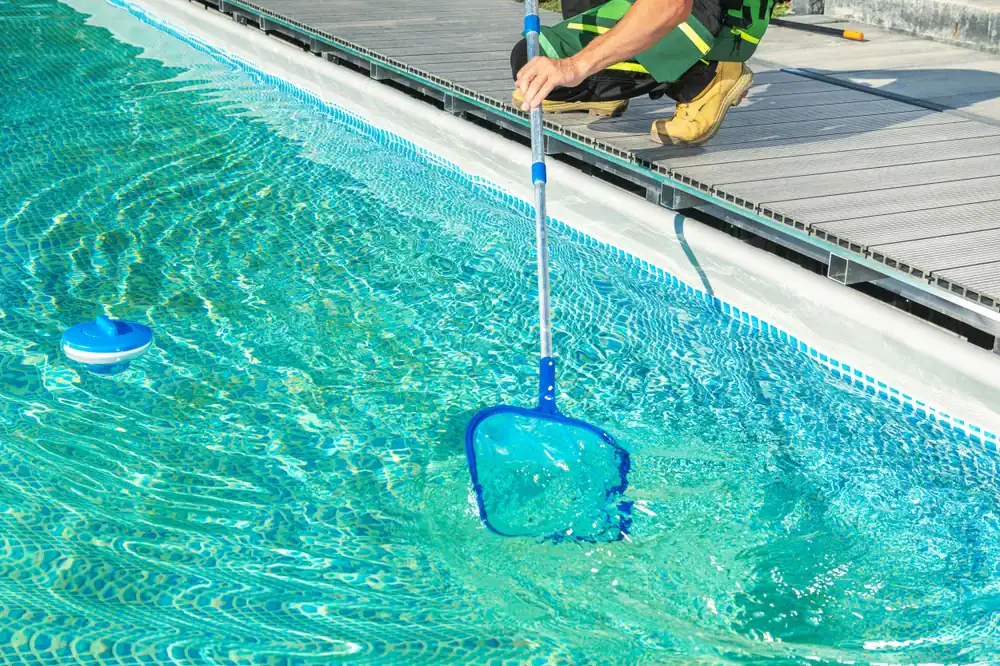
In most parts of the country, pool owners can stretch service visits to every two weeks during the shoulder season and get away with it. In Pavo, that math doesn’t hold up the same way. South Georgia’s summer heat accelerates chlorine loss significantly in peak July and August conditions, chlorine levels can drop below safe thresholds within 24 to 48 hours of a service visit, especially in pools with high bather load or no cover.
Weekly service is the standard recommendation for active pools in this climate, and it’s not an upsell it’s what the conditions actually require. During spring, when the agricultural surroundings of Pavo push heavy pollen loads into the water and temperatures are rising fast, even weekly visits require more chemical adjustment than they would in a milder climate. If your pool is used regularly from April through October, weekly maintenance is what keeps it safe and usable for the full season without emergency interventions.
Chemical balancing isn’t just about keeping the water clear it’s about keeping it safe. Chlorine handles sanitization, but it only works effectively within a specific pH range. If your pH drifts too high, chlorine becomes largely ineffective even when the level reads fine on a test strip. If alkalinity is off, pH becomes unstable and hard to control. Stabilizer levels matter because South Georgia’s intense UV exposure burns through chlorine faster in an uncovered pool, and without the right stabilizer concentration, you’re constantly fighting that burn-off.
Every chemical has a job, and they all interact. Getting one right while ignoring the others is how pools end up with recurring problems that seem to come back no matter what the homeowner tries. Professional chemical balancing means testing each parameter, understanding how they relate to each other in your specific water, and making adjustments that actually hold not just chasing the symptom that’s visible that day.
This is one of the most common frustrations for pool owners in South Georgia, and the answer is usually one of a few things. The most common cause is that the chlorine is being added without addressing the underlying chemistry if pH is too high, chlorine can’t do its job regardless of how much you add. The second common cause in this region is confusing pine pollen loading with algae growth. Both turn the water yellow-green, but they respond to completely different treatments. Adding shock to a pollen problem doesn’t fix it and wastes chemicals.
The third cause is a stabilizer issue. If your cyanuric acid level is too high which can happen when stabilized chlorine products are used repeatedly over several seasons chlorine becomes “locked” and loses its effectiveness even at normal concentrations. This is called chlorine lock, and it requires a partial drain and refill to correct, not more chlorine. A professional who knows what to look for can identify which problem you’re actually dealing with and address it correctly the first time.
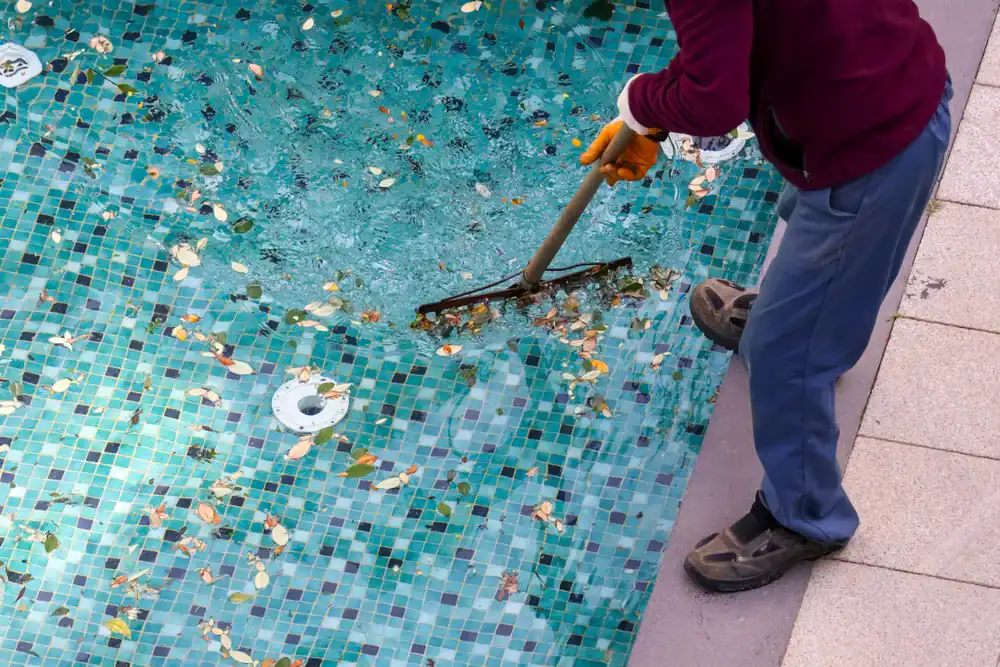
Pavo’s winters are mild compared to most of the country, but that doesn’t mean your pool can go on autopilot from November through February. The water is cooler, which slows algae growth and changes how chemicals behave but it doesn’t stop chemical drift entirely. A pool that goes two or three months without any attention can develop algae, accumulate debris, and develop scaling or staining from unbalanced water that becomes much harder to deal with in the spring.
The more immediate concern is equipment. Pavo does see occasional cold snaps that push temperatures into the low twenties, and exposed plumbing or equipment that wasn’t properly prepared can be damaged by a hard freeze. South Georgia pools don’t require the full winterization process used in northern states, but they do need seasonal attention: equipment protection, adjusted chemical levels for cold-water conditions, and periodic monitoring through the off-season. The homeowners who skip winter service are consistently the ones dealing with remediation costs in March when they want to open the pool.
Pricing for routine pool maintenance in South Georgia generally starts around $150 to $200 per month for weekly service, with the cost of chemicals sometimes included and sometimes billed separately depending on the provider. One-time or occasional service visits typically run $90 to $200 depending on the condition of the pool and what’s required. Pools that have been neglected significant algae buildup, chemical imbalance that’s been building for weeks require more time and more product, which affects the cost of that initial visit.
For Pavo residents specifically, it’s worth asking any provider upfront whether they charge extra for your location. Some pool service companies based in Thomasville add surcharges for customers who live outside their established routes, and Pavo’s position 17 miles east on SR 122 puts many residents in that category. We don’t structure pricing that way the cost is based on what your pool needs, not on how far you are from a competitor’s home base.
A good pool service provider does both and the equipment monitoring piece is often where the real value shows up. Cleaning and chemical balancing keep the water safe and clear. But catching a pump that’s starting to cavitate, a filter pressure reading that’s been creeping up for three weeks, or a fitting that’s showing early signs of a leak is what prevents the expensive surprises.
In Pavo’s climate, equipment runs hard for a long season. Pumps, filters, and heaters that operate through eight months of South Georgia summer accumulate wear that shows up in specific ways if you know what to look for. A technician who visits your pool weekly and pays attention will notice when something changes a sound that’s different, a pressure reading that’s shifted, a flow rate that’s dropped. That kind of ongoing equipment awareness is part of what we include in routine service visits, and it’s the reason consistent professional maintenance almost always costs less over time than reactive repair after something fails.