

Hear from Our Customers
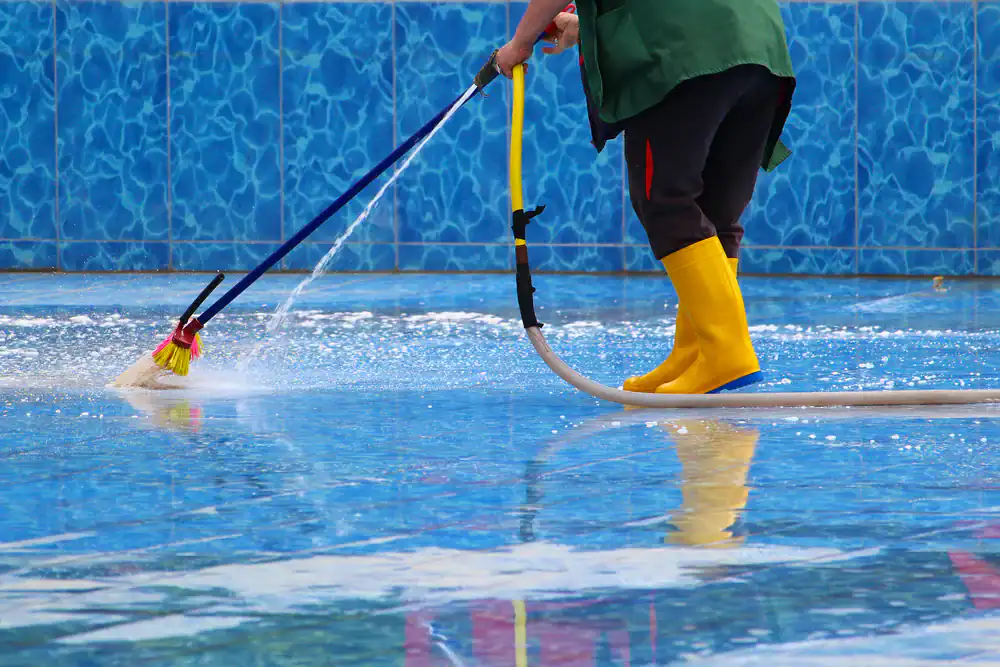
You get your weekends back. No more testing pH levels on Saturday morning or vacuuming debris while everyone else is swimming. Your pool stays clear, balanced, and ready whenever you want to use it.
The equipment lasts longer because someone’s actually checking it every week. Filters get cleaned before they clog. Baskets get emptied before the pump works too hard. Small problems get caught before they turn into expensive repairs that cost you hundreds or thousands.
Your family swims in water that’s actually safe. Proper chemical balancing isn’t just about clarity—it’s about preventing bacteria growth that causes ear infections, skin rashes, and worse. You’re not guessing with test strips from the hardware store. You’re getting professional-grade testing and adjustments every single visit.
We serve Pearson and the surrounding Douglas County area with weekly and bi-weekly pool cleaning service. We’re not a franchise or a national chain—we’re local technicians who understand how Georgia’s extended warm season affects your pool maintenance needs.
Our team includes CPO-certified operators and APSP-certified service technicians. We carry over three million dollars in liability insurance because we take this work seriously. When we show up, you’re getting trained professionals who know the difference between a green pool that needs shock treatment and one that has a deeper circulation problem.
We’ve been serving pools across South Georgia long enough to know what works in this climate and what doesn’t. Pearson’s humidity and heat create specific challenges—algae growth, rapid chemical depletion, debris from pine trees. We adjust our service to match what your pool actually needs, not what some corporate manual says.
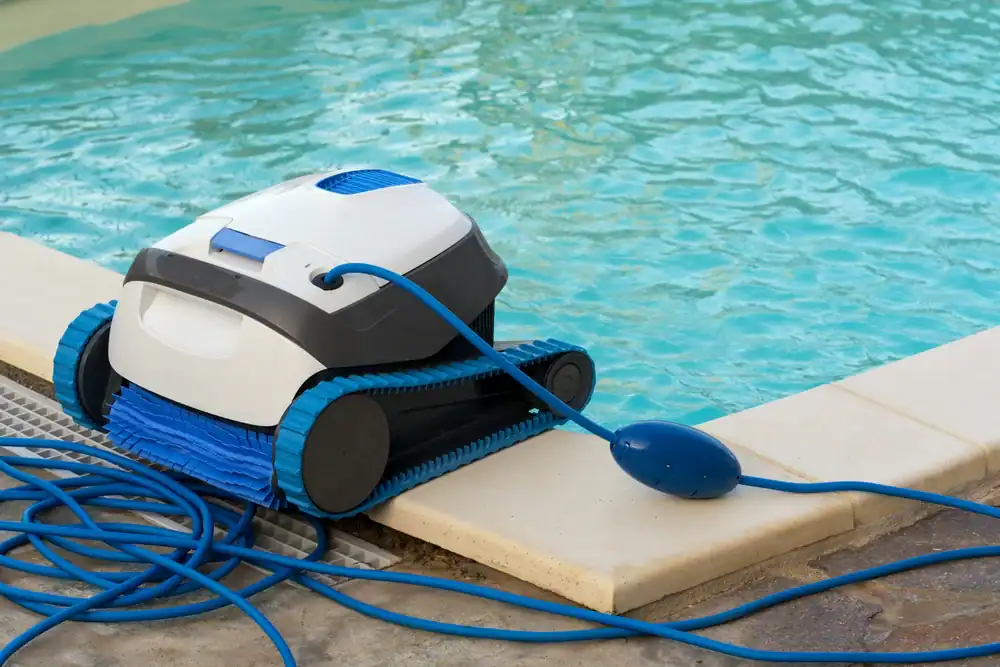
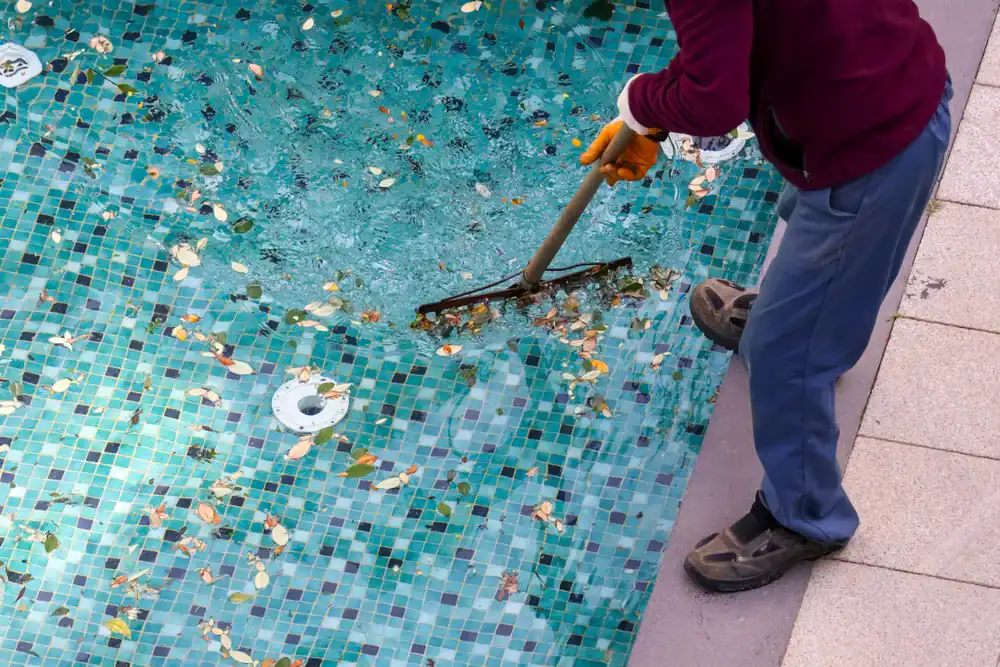
We start with the surface and work our way through the entire system. Skimming removes leaves, bugs, and floating debris. Brushing the walls and steps prevents algae from taking hold in the first place. Vacuuming pulls up sediment that’s settled on the bottom.
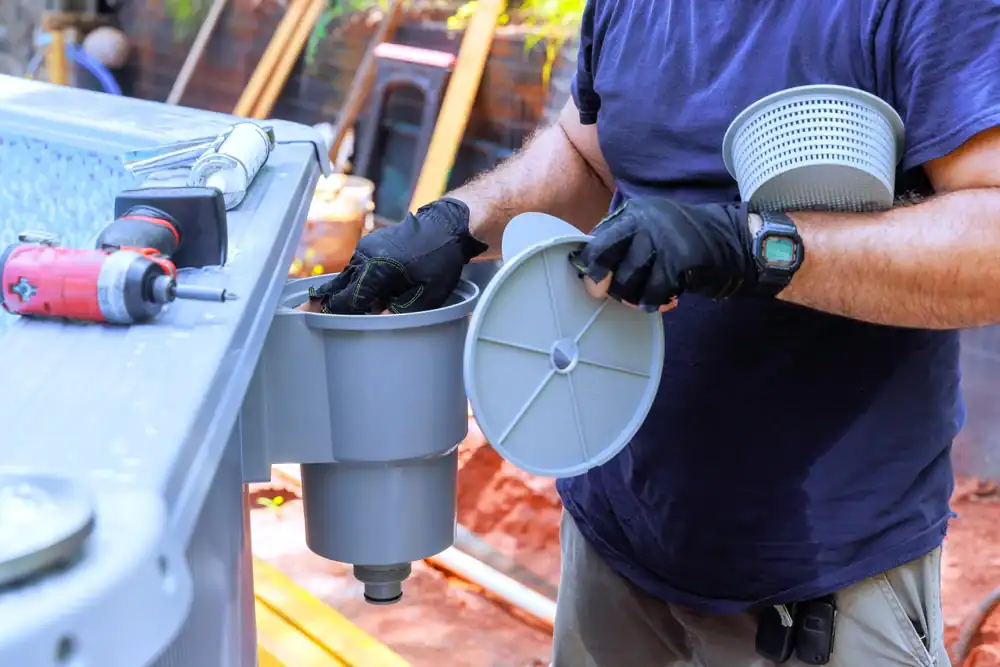
Then we move to the equipment. Pump baskets and skimmer baskets get emptied so water flows properly. Filters get backwashed or cleaned depending on type and condition. We check pressure gauges, inspect O-rings, and look for any signs that something’s wearing out or working harder than it should.
Water chemistry comes last because it’s the most important. We test chlorine, pH, alkalinity, and calcium hardness using professional-grade equipment. Then we add exactly what’s needed to bring everything into proper range. You get a detailed report after each visit showing test results and what we did.
If we spot something that needs attention—a crack in the tile, a pump that sounds off, a leak around the filter—you’ll know about it before it becomes an emergency. That’s the difference between reactive pool ownership and actually staying ahead of problems.
Ready to get started?
Every visit covers the essentials: brushing, vacuuming, skimming, basket cleaning, filter maintenance, and complete water testing with chemical adjustments. You’re not paying for a quick skim and some chlorine tablets. You’re getting a full system check.
In Pearson’s climate, pools need year-round attention. Even in cooler months, your water chemistry shifts and debris accumulates. We don’t disappear in winter like some companies do. Your pool gets consistent care regardless of season, which means it’s always ready when you want to use it and you’re not dealing with a swamp every spring.
We also handle the things most homeowners don’t think about until they cause problems. Calcium buildup on tiles. Phosphate levels that feed algae no matter how much chlorine you add. Stabilizer levels that make your chlorine ineffective. These aren’t luxury add-ons—they’re part of keeping a pool actually clean.
Douglas County pool owners deal with specific challenges: heavy pollen in spring, pine needles year-round, and humidity that accelerates algae growth. Our service accounts for these local factors. We’re not following a one-size-fits-all checklist. We’re adjusting based on what your specific pool needs in this specific location.
Most residential pool cleaning in the Pearson area runs between $100 and $150 per month for weekly service. That covers all the basics—skimming, vacuuming, brushing, chemical balancing, and equipment checks.
The actual price depends on your pool size, what type of filter you have, and whether you need weekly or bi-weekly visits. Larger pools or those with more complex equipment cost more to maintain because they require more chemicals and more time. Saltwater systems need different attention than traditional chlorine pools.
What you’re really paying for is prevention. A monthly service that keeps your equipment running properly will save you thousands compared to replacing a burned-out pump or resurfacing a pool that developed algae stains. It’s also cheaper than the emergency service calls you’ll need if you let maintenance slide for too long.
If your pool goes green, we come out and assess what caused it. Sometimes it’s a simple chemistry issue—chlorine got too low during heavy use or after a big rainstorm. Other times it points to a circulation problem or phosphate buildup that needs a different approach.
Green pools need shock treatment to kill the algae, then aggressive filtration and brushing to clear out the dead material. Depending on how bad it is, this can take a few days of treatment and multiple filter cleanings. We handle all of that, not just dump in some shock and hope it clears.
The goal is to figure out why it happened so it doesn’t keep happening. If you’re on weekly service and the pool still goes green, something else is wrong—maybe the filter isn’t working properly, maybe there’s a phosphate problem, maybe the circulation is poor. We troubleshoot the root cause instead of just treating symptoms over and over.
Yes. Georgia pools need maintenance every month, even when it’s too cold to swim. Your water chemistry doesn’t stop shifting just because it’s January. Debris still falls in. Algae can still grow in cooler water if conditions are right.
Year-round service prevents the nightmare scenario where you open your pool in April and find green water, stained surfaces, and equipment that’s been sitting in dirty water for months. It’s much easier to maintain a pool than to recover one that’s been neglected.
We adjust what we do based on the season. In winter, you might not need as much chlorine, but you still need circulation, filtration, and chemistry checks. In summer, we’re more aggressive with algae prevention and we’re checking equipment more carefully because it’s working harder. Consistent service means your pool is always in good shape, not just during swimming season.
Weekly service keeps your pool in better condition with less chance of problems between visits. Bi-weekly service costs less but requires more work each visit and gives issues more time to develop.
If you use your pool regularly, have a lot of trees nearby, or want the lowest-maintenance option, weekly makes sense. The pool never gets too far out of balance. Debris doesn’t pile up. Equipment gets checked often enough that we catch small issues early.
Bi-weekly works for pools that don’t get used much, are in areas with less debris, or where the owner is willing to do some light maintenance between visits—skimming leaves, checking the pump basket, maybe adding chlorine. You’ll save money on service but you’ll need to stay more involved. For most Pearson homeowners who actually use their pools, weekly service is worth the difference.
We handle both. If we find a problem during a regular service visit—a leaking pump, a torn filter cartridge, a malfunctioning timer—we can usually fix it the same day or schedule a repair visit within a few days.
Our technicians are trained on all major pool equipment brands. We work with Pentair, Hayward, Jandy, and most other manufacturers. We keep common parts on hand so minor repairs don’t turn into week-long waits for a replacement O-ring or pressure gauge.
Some repairs are simple—replacing a basket, tightening a loose fitting, resetting a timer. Others are more involved—rebuilding a pump motor, replacing a filter, fixing a leak in the plumbing. We’ll always explain what’s wrong, what it costs to fix, and what happens if you don’t fix it. You make the call, but you’ll have the information you need to make a smart decision.
Safe pool water has proper chlorine levels (1-3 ppm for most pools), balanced pH (7.2-7.6), and appropriate alkalinity. If any of these are off, you risk bacteria growth, skin irritation, or ineffective sanitation.
The problem with DIY testing is that most homeowners only check chlorine and maybe pH. They miss alkalinity, calcium hardness, stabilizer levels, and phosphates—all of which affect whether your pool is actually safe or just looks clear. A pool can look perfect and still have bacteria growing because the chemistry is wrong.
Professional testing catches what basic test strips miss. We use calibrated equipment that gives accurate readings, and we know how to interpret those readings in context. High pH makes chlorine less effective even if the chlorine reading looks fine. Low alkalinity makes pH unstable. High phosphates feed algae no matter how much chlorine you add. When we test your water, you’re getting a complete picture of what’s actually happening, not just a guess based on a color-matching strip.