
Hear from Our Customers
Thomasville’s summers are no joke. When temperatures climb into the mid-90s and the humidity doesn’t let up, chlorine levels can drop below safe thresholds in a single day. That’s not a worst-case scenario that’s just July in South Georgia. If your pool isn’t being checked consistently, you’re one missed visit away from green water and a weekend you didn’t plan for.
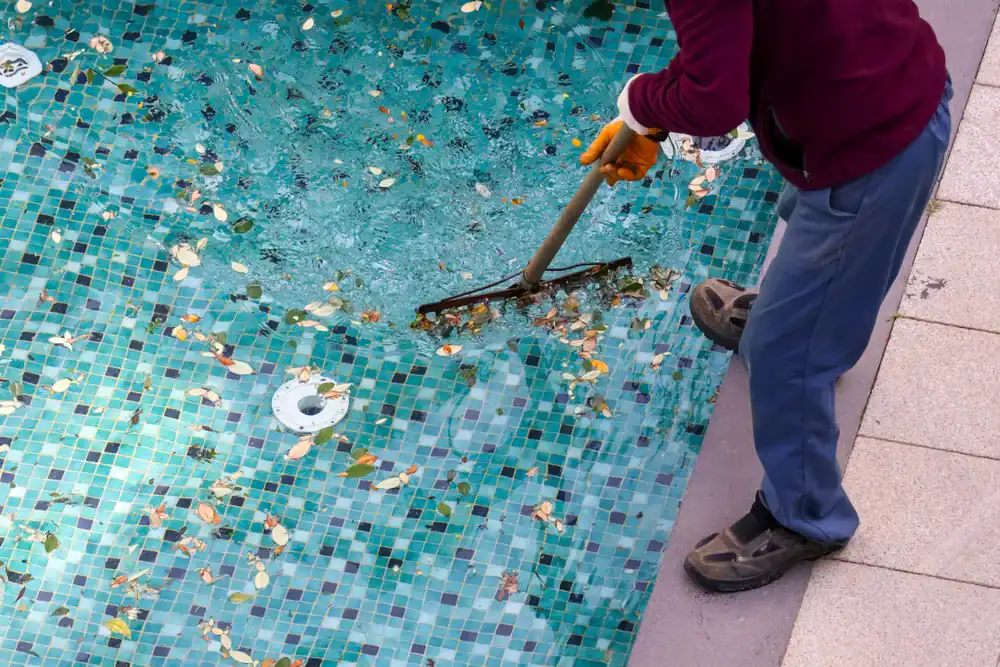
There’s also the botanical side of things. Thomasville earns its name as Georgia’s Rose City more than 1,000 roses maintained across 85 beds throughout the city, live oaks lining the historic streets, longleaf pine canopy throughout the surrounding Red Hills. All of it ends up in your pool. Pollen, pine needles, leaves, debris your skimmer basket works harder here than it would almost anywhere else in the state. Keeping it clear isn’t a minor task. It’s what keeps your filtration system running the way it’s supposed to.
When your pool is on a consistent maintenance schedule, you’re not just avoiding problems. You’re protecting your equipment, extending the life of your liner, and keeping your water genuinely safe not just clear-looking. Clear water and safe water aren’t always the same thing. That’s the difference professional chemical balancing makes.
Deep Waters Pools started in Douglas, Georgia not a national franchise office, not a corporate headquarters in another state. We were founded by someone who spent more than 30 years in the concrete, plumbing, and construction side of pools before ever offering a maintenance plan. That background matters because it changes how a pool gets looked at during every single service visit.
Most pool cleaning companies follow a checklist. When you’ve built pools from the ground up across South Georgia, you look at a pool differently. You notice what early equipment wear looks like. You understand what the region’s rainfall, heat, and occasional winter cold snap does to chemistry and plumbing over time. That kind of experience doesn’t come from a franchise training manual.
We serve Thomasville and the surrounding Thomas County area and our team understands the conditions here because we’ve worked in them for decades. From the historic residential neighborhoods near Cherokee Lake Park to the estate properties throughout the Thomas County plantation belt, the pools in this area have specific needs. We know what they are.
Every service visit starts with a thorough water test. Not a glance at the color an actual chemical analysis that checks pH, alkalinity, sanitizer levels, and other key readings for your specific pool size and usage. From there, chemistry gets adjusted based on what the water actually needs, not a fixed formula applied to every pool the same way. Thomasville’s rainfall patterns the area averages around 53 inches per year, with heavy stretches in March and through the summer regularly dilute pool chemistry. That gets factored in every time.
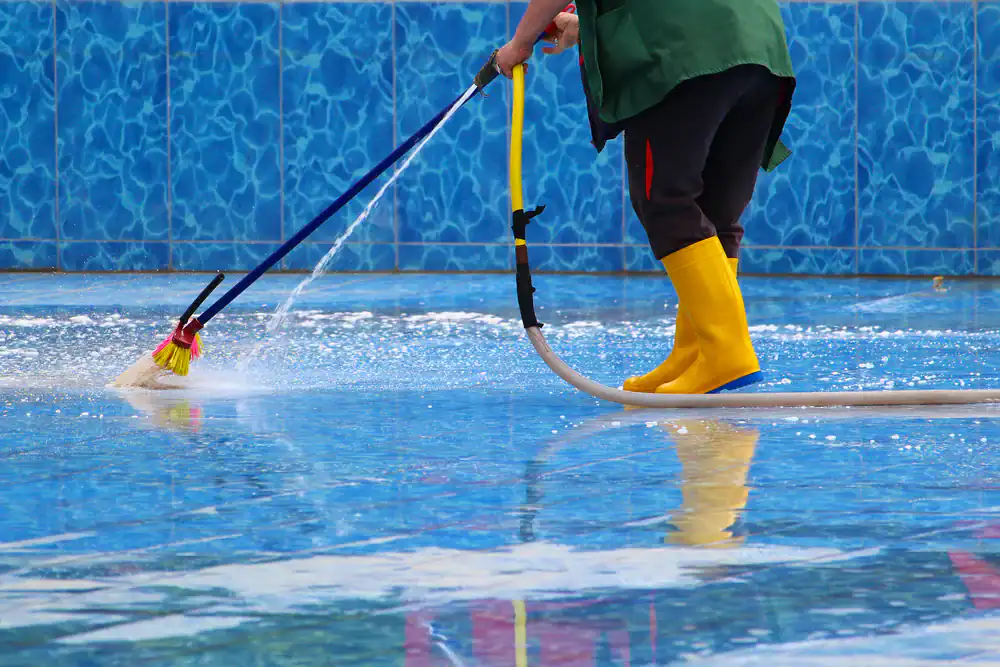
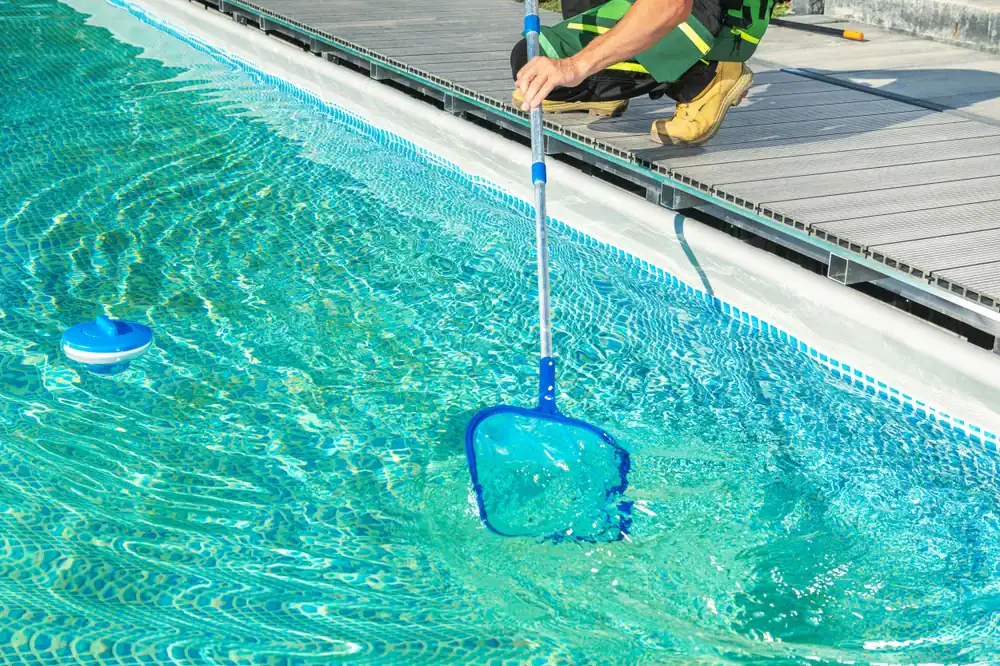
Once the water is addressed, the physical maintenance begins. Skimmer baskets get cleared of whatever South Georgia’s landscape has put in them since the last visit. Surface debris gets removed. The pool walls and floor get brushed to prevent algae from taking hold in the spots that don’t get much circulation. Filter pressure gets checked. Equipment gets a visual inspection because a small issue caught early is a lot cheaper than the same issue caught after it’s become a failure.
After the visit, you know exactly what was done and what was found. No black-box maintenance. If something needs attention, you hear about it before it becomes a problem. That’s the standard every visit is held to.
Ready to get started?
Routine maintenance with us covers the full scope of what your pool needs to stay clean, safe, and functional. Water testing and chemical balancing are done at every visit not occasionally, not when the water looks off. Every time. That includes adjusting chlorine, pH, alkalinity, and stabilizer levels based on current conditions, which in Thomas County can shift quickly after a heavy rain or a stretch of extreme heat.
Skimmer basket cleaning, surface debris removal, wall and floor brushing, and filter checks are all part of the standard service. For pools in Thomasville’s tree-heavy neighborhoods especially properties near the historic district or anywhere with significant oak and pine canopy debris management isn’t a minor add-on. It’s one of the most important things that happens during a visit. A clogged skimmer basket means your pump is working against resistance, and that shortens equipment life faster than most pool owners realize.
Seasonal pool care is also part of the picture. Thomasville’s climate means pools can be used most of the year, but spring opening prep after pollen season and proper attention going into winter when the occasional freeze can stress unprotected plumbing both require a different level of attention than a standard summer visit. That’s built into how we approach service in this area, not treated as an upsell.
For most pools in the Thomasville area, weekly service during the summer months isn’t optional it’s necessary. South Georgia’s heat and humidity accelerate algae and bacteria growth faster than most homeowners expect. Chlorine can drop below safe levels within 24 to 48 hours during peak summer heat, which means skipping a week isn’t just an inconvenience. It can mean starting the following week with a chemistry problem instead of a clean pool.
During the cooler months, the frequency can often be reduced, but it shouldn’t drop to zero. Thomasville’s winters are mild enough that pools stay in use longer than in northern Georgia, and the area’s pollen season driven by the Red Hills region’s longleaf pine, live oak, and ornamental plantings keeps debris loads high well into spring. Year-round maintenance, even at a lighter cadence during winter, is almost always the smarter and more cost-effective approach compared to dealing with a neglected pool every spring.
Chemical balancing means testing and adjusting several different readings in your water not just chlorine. pH, total alkalinity, calcium hardness, and stabilizer levels all affect how safe and comfortable your pool is to swim in, and how well your equipment holds up over time. Water that’s too acidic eats away at your liner and metal components. Water that’s too alkaline causes scaling and makes chlorine less effective. Getting all of those numbers into the right range is what balancing actually means.
In Thomasville specifically, the area’s average annual rainfall of around 53 inches creates a consistent dilution effect on pool chemistry. After a heavy rain and the area sees significant rainfall in March and throughout summer your chemical levels can shift enough to require a full retest and adjustment. That’s not something you can eyeball. It requires actual testing, and it’s one of the main reasons consistent professional service pays off in South Georgia’s climate versus trying to manage it yourself between visits.
Local data for Thomasville puts the typical range for professional pool cleaning service at around $95 to $109 per month based on four visits. That’s the market benchmark for standard maintenance in this area. Some providers charge more the longest-operating pool service company in Thomasville starts their monthly rates at $165 plus the cost of chemicals, and they price higher for pools with heavy tree debris, which is common throughout the city given the area’s significant tree canopy.
What you actually pay depends on your pool’s size, how much debris your property generates, how frequently you want service, and what’s included in the visit. A provider who tests your water thoroughly, cleans your skimmer basket, brushes your walls, checks your equipment, and documents what they found is worth more than one who shows up, adds chemicals, and leaves in 15 minutes. When you’re comparing quotes, the right question isn’t just what it costs it’s what you’re actually getting for that number.
It’s tempting to think of winter as a break from pool maintenance, especially since Thomasville’s winters are mild compared to most of Georgia. But skipping maintenance entirely during the cooler months usually creates more work and more expense when spring arrives. Algae doesn’t fully stop growing just because the temperature drops. Debris from the area’s oak and pine canopy keeps accumulating. And if the area gets one of its occasional cold snaps, unprotected plumbing and equipment can sustain damage that a properly maintained system would have avoided.
The practical approach for most Thomasville pool owners is lighter winter service not zero service. Keeping the chemistry stable, clearing debris periodically, and doing a proper check on equipment before the first real cold stretch costs far less than opening a neglected pool in March with a chemistry problem, a clogged filter, and potentially cracked plumbing. A pool that’s been maintained through winter is ready to swim in when the weather turns. One that hasn’t is a project.
Your skimmer basket is the first line of defense in your pool’s filtration system. It catches leaves, debris, insects, and anything else floating on the surface before that material reaches your pump and filter. When the basket gets full which happens faster than most people expect water flow through the system slows down. Your pump has to work harder, your filter gets less turnover, and debris that would have been caught starts making it further into the system than it should.
In Thomasville, skimmer basket maintenance is a more significant task than in many other areas. The city’s botanical landscape the rose beds, the live oaks, the longleaf pine throughout the Red Hills region means there’s almost always something coming into the pool. Properties near the historic district or anywhere with mature tree canopy can see baskets fill up between weekly visits, especially during spring pollen season or fall leaf drop. Keeping that basket clear isn’t just routine housekeeping. It’s what protects your pump and extends the life of your equipment.
Yes. Thomas County’s plantation properties and larger estate homes represent a specific type of pool maintenance need that’s different from a typical residential account. Many of these properties are not occupied year-round, which means the pool needs consistent professional maintenance even when the owner isn’t on-site to check on it. In South Georgia’s climate, a pool left unattended for two weeks during summer can develop a serious algae problem that costs significantly more to correct than a regular maintenance schedule would have cost to prevent.
We provide scheduled service for properties throughout the Thomas County area, including estate and plantation-adjacent homes where reliable, documented maintenance matters as much as the service itself. Every visit gets documented what was tested, what was adjusted, what was found so property owners who aren’t always present have a clear record of what’s been done and what the pool’s condition is. For owners managing properties from out of state or across the Florida state line in Tallahassee, that kind of accountability isn’t a bonus feature. It’s the whole point.