
Hear from Our Customers
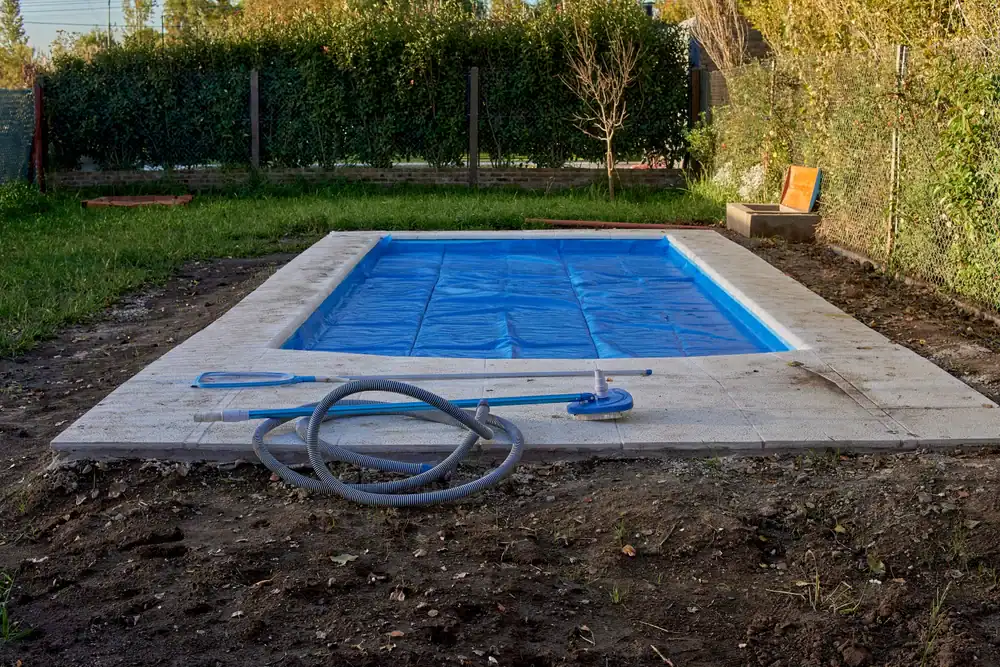
You get a backyard you’ll use. Not just look at—actually use. Weekends where the kids aren’t begging to go somewhere else. Summer evenings that don’t require a drive. A space that makes your property feel complete instead of like something’s missing.
The pool itself is built to last through Georgia summers and the occasional rough weather we get. That means proper drainage for our clay soils, construction that accounts for ground movement, and equipment that won’t quit on you the first time temperatures spike. You’re not dealing with a crew that learned pool building somewhere else and hopes it works here.
This is about creating a space that fits how you live. If you want a shallow end for younger kids and a deep end for diving, that’s what we build. If you need steps in a specific spot or lighting that makes evening swims possible, that’s part of the design. You’re not picking from three pre-drawn layouts and hoping one works.
Deep Waters Pools has been operating in South Georgia since 2014, built on more than three decades of pool construction experience. We’re a family-run operation, which means when you call, you’re talking to someone who’s actually involved in your project—not a call center or a sales team that disappears after you sign.
We’re licensed and insured, and we handle the permit process in Mitchell County and surrounding areas. That includes understanding what Beach properties need for proper drainage, setbacks, and safety barriers. Georgia follows the International Swimming Pool and Spa Code, but counties add their own requirements. We know what those are before we start digging.
You’re working with people who’ve built pools in yards like yours. We’ve seen what works on sloped lots, properties with high water tables, and spaces where you’re trying to preserve existing landscaping. We’re not experimenting with your project.
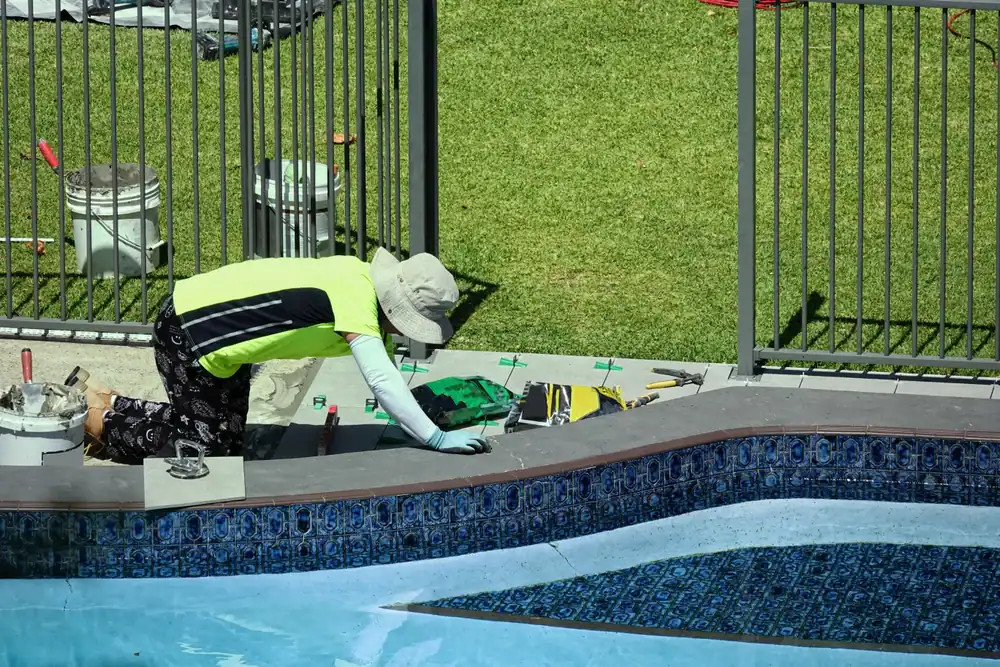
It starts with a site evaluation at your property. We’re looking at your soil type, drainage patterns, access for equipment, and how the space actually gets used. Then we design something specific to your lot—not a template with your address on it.
Once you approve the design, we handle the permit applications with Mitchell County. That includes site plans, safety barrier details, and electrical specs. Permits typically take a few weeks, and we don’t start digging until everything’s approved. No shortcuts that come back to bite you later.
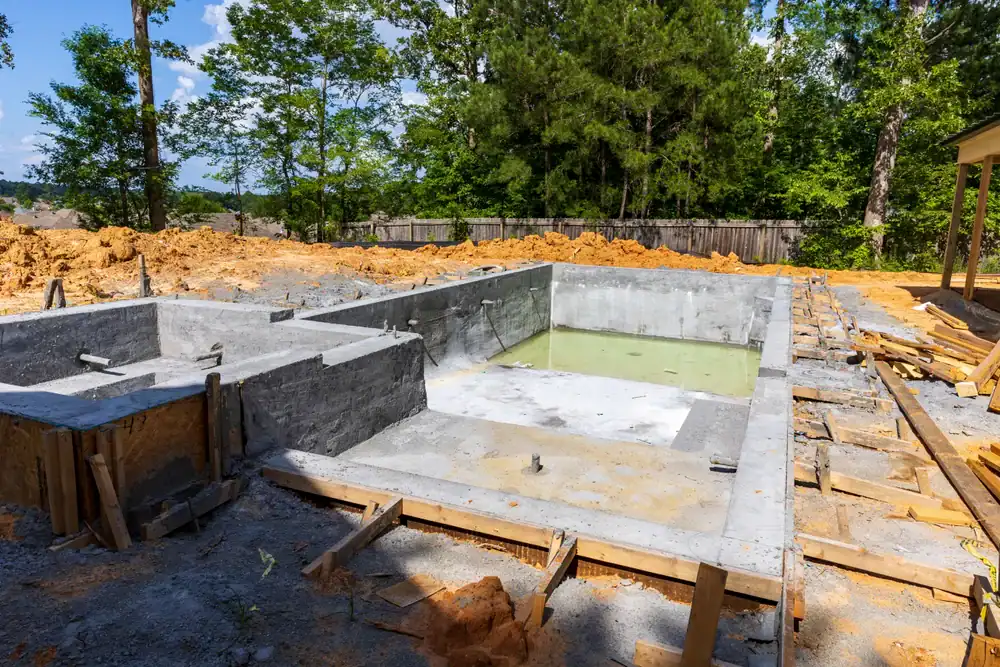
Construction involves excavation, steel reinforcement, plumbing and electrical rough-ins, then concrete or gunite application. We’re building the shell, installing your filtration system, doing the finish work, and handling final inspections. Most custom inground pools take 8 to 12 weeks from permit approval to completion. Weather delays happen in Georgia—we build buffer time into the schedule and keep you updated when things shift.
You get a final walkthrough where we explain your equipment, show you the maintenance basics, and make sure everything’s working correctly. Then it’s your pool.
Ready to get started?
You’re getting a custom inground cement pool designed for your property. That means site evaluation, custom design work, all permit handling, professional excavation, steel reinforcement, concrete construction, and complete plumbing and electrical installation. Your filtration system, finish work, and final cleanup are all part of the build.
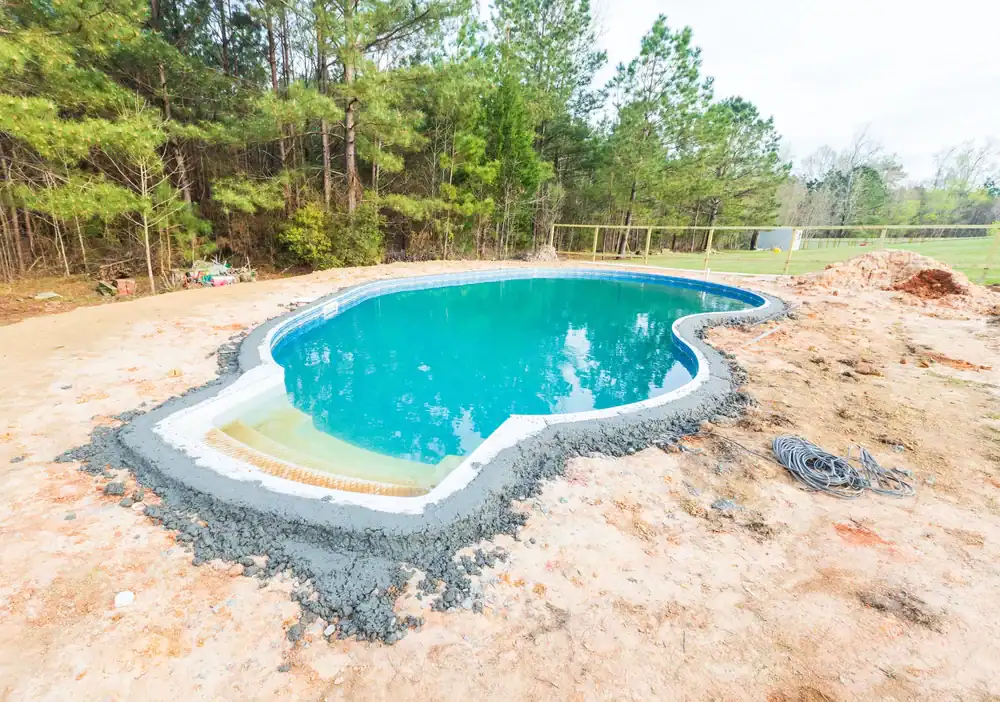
Beach properties often deal with Georgia’s dense clay soils and drainage challenges. We account for that in the design phase—proper grading, drainage solutions, and construction methods that prevent settling or cracking. You’re not finding out two years later that your pool has issues because someone didn’t understand local soil conditions.
We also handle the safety requirements Georgia mandates. That’s a barrier fence at least four feet high with self-closing, self-latching gates. Drowning is the leading cause of injury death for kids aged 1 to 4, so these aren’t suggestions—they’re code requirements we build into every project.
If you want a spa, custom patio work, or specific lighting, those get integrated into the design. We’re not a pool company that builds one thing well and tries to talk you into it. You’re getting what fits your space and how you’ll actually use it.
Most custom inground cement pools in the Beach area run between $50,000 and $100,000, depending on size, features, and site conditions. That’s not a dodge—it’s reality. A basic rectangular pool on flat land with good soil costs less than a freeform design on a sloped lot that needs significant drainage work.
Your site affects the price. If we’re dealing with a high water table, rocky soil, or limited equipment access, that adds complexity and cost. Same goes for features like integrated spas, custom lighting, water features, or premium finishes. We give you a detailed estimate after the site evaluation so you know what you’re actually paying for.
Financing options exist if you’re not paying cash. Some homeowners use home equity loans or lines of credit since pool construction can increase property value by up to 7%. We’re not a financing company, but we can point you toward lenders who work with pool projects regularly.
Plan on 8 to 12 weeks from permit approval to completion for a custom inground pool. That timeline assumes normal weather and no major surprises during excavation. Georgia weather will delay things—heavy rain, extreme heat, or storms can push schedules back, and we build buffer time into our estimates for that reason.
The permit process adds time upfront. Mitchell County reviews take a few weeks typically, and we won’t start digging until permits are fully approved. Trying to rush that or skip it creates legal problems and potential fines that cost more than the time saved.
Some companies promise faster timelines. Be skeptical. Proper concrete curing takes time. Steel needs to be placed correctly. Inspections happen at specific stages. Cutting corners to finish faster usually means problems you’ll deal with after the crew leaves. We’d rather give you a realistic timeline and hit it than overpromise and leave you frustrated.
You need a building permit from Mitchell County before any excavation starts. That permit covers the pool construction, electrical work, plumbing, and safety barriers. Georgia follows the International Swimming Pool and Spa Code, but counties add local requirements on top of that—setbacks, barrier heights, gate specifications, and drainage standards vary.
We handle the permit application process. That includes preparing site plans, showing property lines and setbacks, detailing the safety fence and gate locations, and providing electrical and plumbing specs. The county reviews everything, and approval typically takes a few weeks. Some properties need additional surveys or documentation if lot lines aren’t clear.
Don’t skip permits or try to add a pool without approval. Unpermitted pools create problems when you sell the property, can result in fines, and in worst cases, you might be required to remove the pool entirely. It’s not worth the risk to save a few weeks or a permit fee.
Pools can increase home value by up to 7% in Georgia, but that’s not guaranteed. It depends on your neighborhood, the quality of the installation, and whether pools are common in your area. In neighborhoods where most homes have pools, not having one can actually hurt resale value. In areas where they’re rare, you might not recoup the full investment.
Beach’s climate makes pools more attractive to buyers than they’d be in colder regions. You get longer swimming seasons, and outdoor living spaces hold more value here. A well-built pool with proper maintenance records and updated equipment appeals to buyers looking for move-in-ready properties.
The return on investment improves if you’re planning to stay in the home for years. You’re not just building for resale—you’re building for the use you’ll get out of it. Families with kids, people who entertain regularly, or anyone who wants a private recreation space will use a pool enough that the value goes beyond dollars at closing.
You’re looking at regular chemical balancing, filter cleaning, skimming debris, and occasional equipment checks. Georgia’s climate means longer pool seasons, which means more active maintenance compared to northern states. During summer, you’ll test and adjust chemicals weekly, clean the filter every few weeks, and skim daily if you have trees nearby.
Expect to open your pool in late April or early May and close it in September or October, depending on temperatures. Opening involves removing the cover, checking equipment, balancing chemicals, and making sure everything runs correctly. Closing means lowering water levels, winterizing plumbing lines, and covering the pool to prevent debris accumulation and algae growth.
Professional maintenance services exist if you’d rather not handle it yourself. Most pool companies in the area offer weekly or bi-weekly service plans that include chemical balancing, cleaning, and equipment checks. Budget $100 to $200 monthly during active season for professional maintenance, or plan to spend a few hours weekly doing it yourself.
Don’t drain your pool before a storm. That sounds counterintuitive, but an empty pool can actually pop out of the ground from hydrostatic pressure if the water table rises. Keep the pool filled, remove loose items like furniture and toys, turn off power to pool equipment, and add extra chlorine to prevent contamination from debris and bacteria.
After the storm, remove debris carefully—don’t let it sink and stain the pool surface. Test your water chemistry since rain dilutes chemicals and debris introduces contaminants. Check your equipment for damage before turning it back on. If you see cracks in the pool structure or your equipment took water damage, call us before trying to run anything.
Georgia sees severe weather regularly, and pools face unique challenges during hurricanes and heavy storms. Having a plan before storm season starts means you’re not scrambling when warnings go out. We walk you through storm prep during your final training, and you can always call with questions when weather’s headed your way.