
Hear from Our Customers
You’re not just adding water to your backyard. You’re creating the place your family gravitates to on summer evenings. The spot where your kids learn to swim and your friends want to hang out on weekends.
A custom inground pool increases your property value, but that’s not why most people build one. You build it because you’re tired of driving to crowded public pools or paying for swim club memberships. You want your own space that fits your lifestyle and your lot.
With the right pool company in Douglas County GA, you get a design that works with your property’s specific challenges. Georgia soil conditions matter. Local building codes matter. The contractor you choose matters more than you think, because fixing someone else’s mistakes costs twice as much as doing it right from the start.
Deep Waters Pools started in 2014, but the hands-on experience goes back more than 30 years. That’s three decades of understanding Georgia’s clay soil, navigating Coffee County and Douglas County permit requirements, and knowing which equipment holds up in our climate.
Chapel Hill families have different needs than Atlanta suburbs. Your lot size, your budget, and your timeline all factor into how your pool gets designed and built. We’re licensed and insured because that’s table stakes, but what matters more is that we’ve seen what works and what doesn’t in South Georgia backyards.
You’re making a significant investment. You want someone who shows up, communicates clearly, and finishes the job without disappearing halfway through.
First, we evaluate your property. Not every lot is the same, and Georgia soil can be tricky. We look at drainage, access for equipment, and how the pool will fit with your existing landscape.
Then comes design. You tell us what you want, and we show you what’s realistic for your space and budget. Custom doesn’t mean complicated—it means built specifically for your property, not copied from a catalog.
Permits come next. Every residential pool in Georgia requires a building permit before any digging starts. We handle that paperwork because it’s tedious and easy to mess up if you don’t know the local requirements.
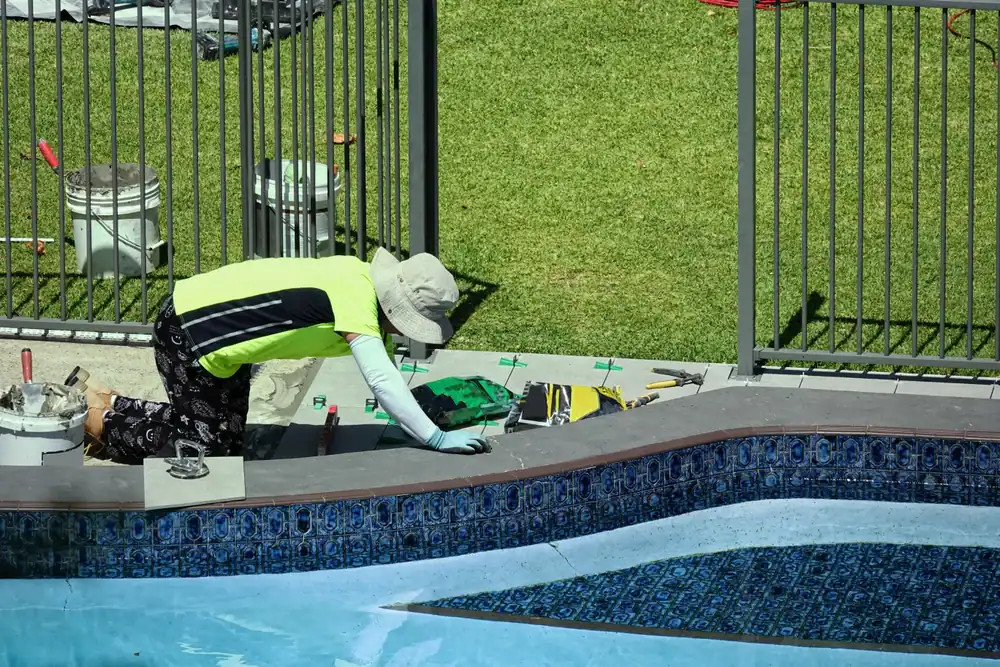
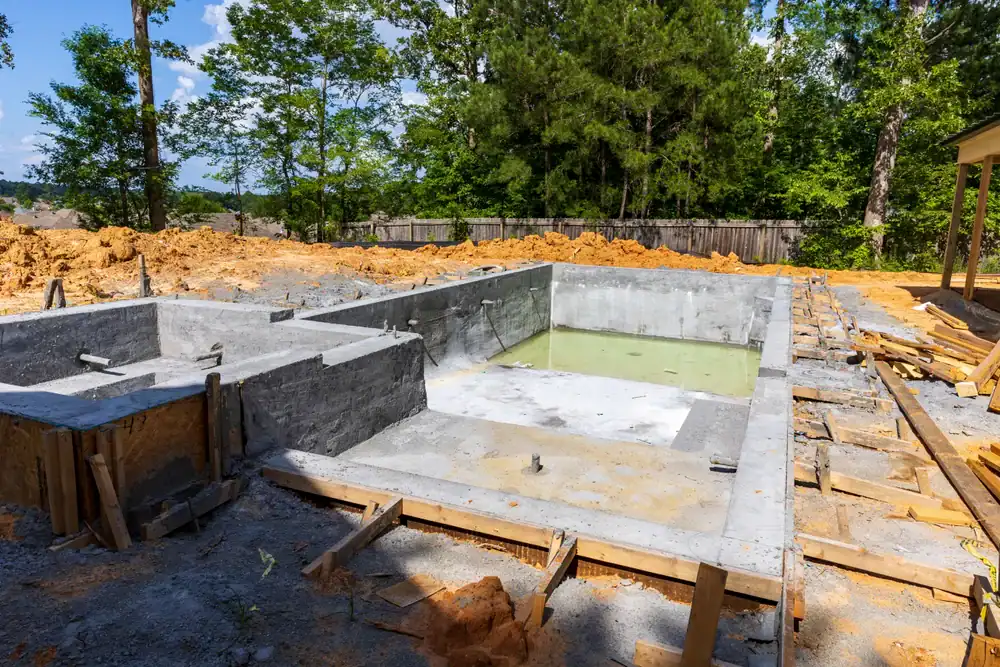
Once permits clear, excavation begins. Then plumbing, electrical, steel reinforcement, and concrete. Your pool shell gets built to last, not just to look good in photos. Filtration systems, safety barriers, and final finishes come after the structure is solid.
Most custom pool projects take 8 to 12 weeks from permit approval to completion. Weather delays happen in Georgia, especially during summer storm season. We give you realistic timelines upfront, not best-case scenarios that fall apart.
Ready to get started?
You get complete site evaluation before any digging starts. That means understanding your property’s unique challenges and opportunities, not guessing after we’ve already broken ground.
Custom design comes next—pools shaped to fit your lot, your lifestyle, and your budget. We’re not selling you a pre-fab shape that kind of works. Every pool is drawn specifically for your backyard.
All necessary permits get handled as part of the process. Professional excavation, steel reinforcement, plumbing, electrical, and concrete work all happen in sequence. You’re not coordinating five different subcontractors—we manage the entire build.
Chapel Hill’s median household income sits around $93,000, and most families here work professional jobs with stable income. You’re investing in your property and your quality of life. That investment should include energy-efficient equipment that reduces your operating costs long-term, not just cheap pumps that need replacing in three years.
Safety compliance isn’t optional. Your pool will meet Georgia regulations and International Swimming Pool Code requirements, including proper barriers and fencing. You get thorough cleanup after construction and complete training on your new systems before we consider the job done.
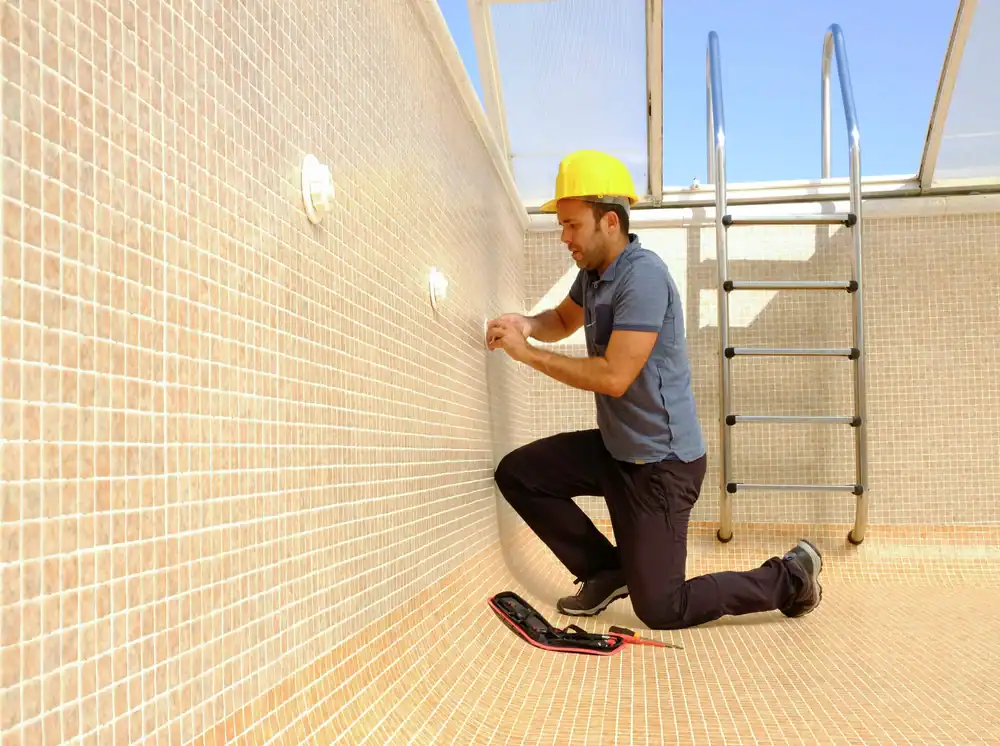
Most custom inground pools take 8 to 12 weeks from permit approval to completion. That timeline assumes normal weather and no major surprises with soil conditions or utility lines.
Permits alone can take 2 to 4 weeks depending on how busy the local building department is. Once we get approval, excavation starts within days. The concrete shell takes about a week to form and pour, then needs time to cure properly before we can move to plumbing and electrical.
Georgia’s summer storms can delay outdoor construction. If we get a week of heavy rain during excavation or concrete work, that pushes everything back. We build buffer time into schedules, but it’s better to expect 10 weeks and finish in 9 than promise 6 and deliver in 12.
Every residential swimming pool in Georgia requires a building permit before construction begins. No exceptions. The permit process verifies that your pool meets state and local safety codes, setback requirements, and utility clearances.
Your pool company should handle permit applications. The paperwork includes site plans, engineering specs, and proof of property ownership. Douglas County and Coffee County have slightly different requirements, so working with a local contractor who knows the process saves time.
Permit costs vary by county but typically run a few hundred dollars. The review process takes 2 to 4 weeks on average. Trying to skip permits might save money upfront, but it creates major problems when you sell your house or file an insurance claim after damage.
Custom inground cement pools typically start around $50,000 and go up from there depending on size, features, and site conditions. That’s not a vague estimate—it’s the realistic starting point for quality construction in South Georgia.
Your final cost depends on pool size, depth, shape complexity, and what equipment you choose. Adding a spa, custom lighting, or high-end finishes increases the price. Difficult site access or challenging soil conditions can add costs too.
Financing has gotten more accessible with recent rate cuts. Many families in Chapel Hill, where median household income runs over $90,000, finance their pools over 10 to 15 years. That turns a $60,000 pool into a monthly payment that fits most budgets, especially when you factor in the property value increase and the cost of alternative entertainment and recreation.
Yes. Georgia law requires barriers around residential pools to prevent unsupervised access by young children. The International Swimming Pool Code sets specific requirements for fence height, gate latches, and barrier construction.
Your fence needs to be at least 4 feet tall with no gaps larger than 4 inches. Gates must be self-closing and self-latching, with latches positioned out of reach of small children. If your house forms part of the barrier, doors leading to the pool area need alarms.
These aren’t suggestions—they’re legal requirements that get checked during final inspection. More importantly, they’re common sense safety measures. Drowning is a leading cause of accidental death for children under 5. Proper barriers dramatically reduce that risk and give you peace of mind when the pool’s not in use.
Concrete inground pools last longest in Georgia. They handle our clay soil, temperature swings, and weather conditions better than vinyl or fiberglass options. Concrete makes up about 65% of pool construction revenue for good reason.
A properly built concrete pool can last 50 years or more with regular maintenance. The concrete shell itself is incredibly durable. Surface finishes like plaster or tile need refinishing every 10 to 15 years, but that’s cosmetic work, not structural repair.
Georgia’s soil expands and contracts with moisture changes. Concrete pools, when properly reinforced with steel rebar, flex slightly without cracking. Vinyl liners tear, and fiberglass shells can pop out of the ground if groundwater levels rise. Concrete stays put and handles whatever Georgia throws at it.
Check three things: license status, local experience, and completed projects you can actually see. Any pool contractor working in Georgia should be licensed and insured. That’s not impressive—it’s the minimum legal requirement.
Local experience matters more than people realize. A contractor who’s built 100 pools in Atlanta might struggle with Chapel Hill’s specific soil conditions and local permit requirements. Ask how many pools they’ve built in Douglas County specifically, and ask to see recent projects nearby.
Talk to past customers if possible. Not online reviews—actual conversations with people who hired them. Ask about communication, timeline accuracy, and how problems got handled. Every project hits snags. You want a contractor who solves problems instead of disappearing when things get complicated.
Other Services we provide in Chapel Hill