
Hear from Our Customers
When a pool is built correctly in Lake Park, it doesn’t just look good on day one. It holds up through years of sustained South Georgia use the long humid summers, the extended swim seasons that stretch well into fall, and the clay-heavy coastal plain soil that sits beneath a lot of Lowndes County properties. A pool that wasn’t engineered for these conditions will show structural shifts, drainage problems, and surfaces that wear faster than they should within a few years. That’s what happens when the builder doesn’t know the ground they’re working with.
A properly built concrete pool in Lake Park gives your family 8 to 9 months of actual use every year. That’s specific to where you live. Families in Cypress Lakes and Twin Lakes neighborhoods are already investing in their properties. A pool that’s built to last 30-plus years, with no liner replacements and no pre-molded shape dictating what your backyard can look like, is fundamentally different than the alternatives. You get a custom design, a real structure, and a finished result that fits your property not a catalog option dropped into your yard.
We were founded in 2014, but the experience behind us goes back more than 30 years. Our founder spent those decades building concrete pools across South Georgia learning the soil, the climate, the permitting quirks specific to Lake Park and Lowndes County, and the difference between a pool that lasts and one that doesn’t. That’s not something you pick up from a training manual. It comes from doing the work, in this region, for a long time.
We exist because too many Lake Park families were getting burned contractors who took deposits and disappeared, vague timelines that stretched for months, builds that cut corners where it counted. We built Deep Waters as the straightforward alternative: licensed under Georgia law, experienced with the specific approval process the City of Lake Park requires, and accountable to the communities we serve. When something needs attention after the build, you’re calling a real person at a real South Georgia business.
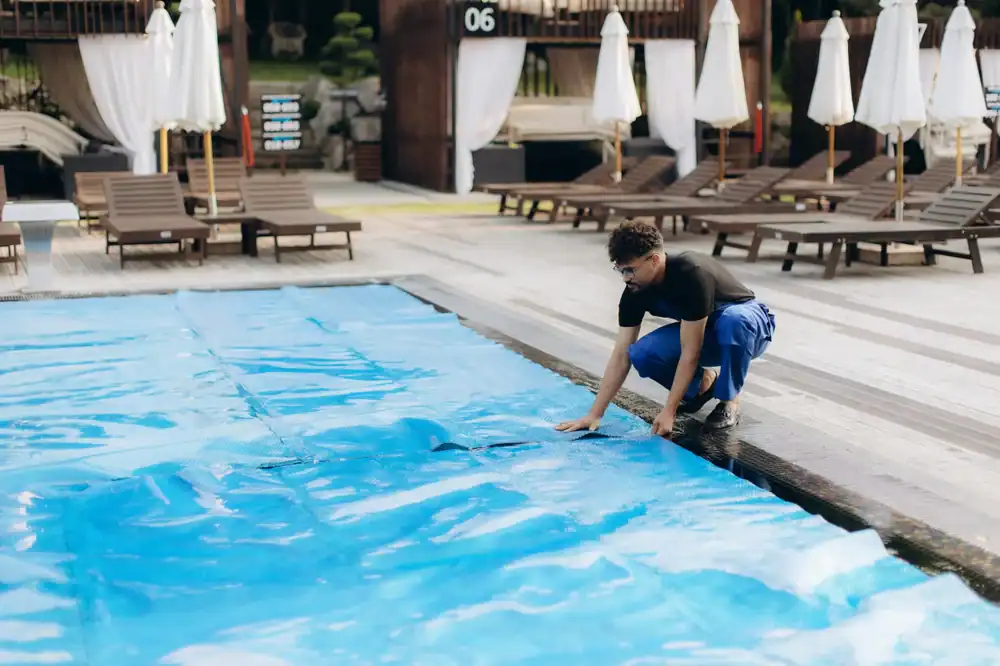
It starts with a free on-site estimate. We come to your property, look at your actual yard, and talk through what’s realistic size, shape, depth, drainage considerations based on your specific lot. For properties near Long Pond or in the lake-adjacent areas of Twin Lakes, that site evaluation matters more than most people realize. The water table and soil composition in those areas aren’t the same as a dry inland lot, and a pool design that ignores that will cause problems later.
We handle the permitting. In Lake Park, that means navigating both the standard Lowndes County process and the City of Lake Park’s own approval form a step that catches a lot of contractors off guard if they haven’t worked here before. Once permits are cleared, construction moves through a defined sequence: excavation, structural engineering, plumbing, shell pour, finishing, and final inspection. Most custom concrete pools go from permit approval to completion in 8 to 12 weeks. That’s a real number, not a best-case estimate buried in fine print.
At the end, we give you a full walkthrough of your system how to operate it, how to maintain it, and what to watch for. The site gets cleaned up. You get a finished pool, not an ongoing project.
Ready to get started?
We build exclusively custom inground concrete pools. That’s a deliberate choice, not a limitation. Concrete means your pool is designed from scratch the shape, the depth, the layout around your property and your family’s needs. The most prominent pool builder in the Valdosta area works exclusively in fiberglass, which means pre-molded factory shapes with fixed dimensions. If that fits what you want, it’s an option. But if you have a specific vision for your backyard, a specific lot shape, or a specific depth requirement, fiberglass won’t get you there. Concrete will.
Every build includes full structural engineering, plumbing, electrical, and finish work. We handle the complete permitting process, including the City of Lake Park’s municipal approval step that’s separate from the county-level permit. That matters at resale time, at insurance time, and any time an inspector needs to verify the work was done legally. Skipping permits isn’t a shortcut it’s a liability that follows the property.
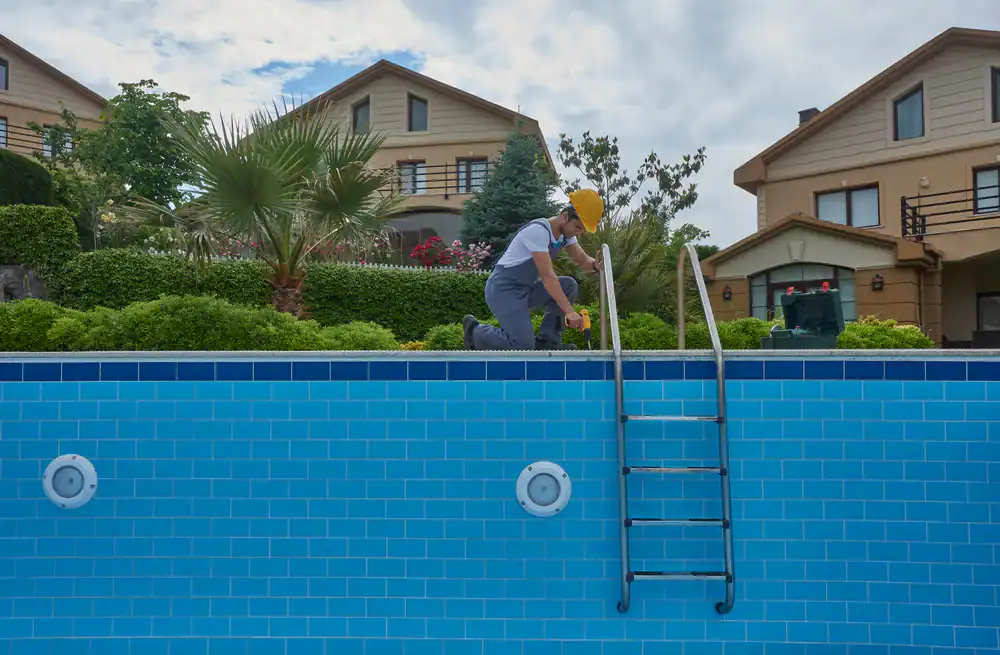
Beyond new construction, we serve Lake Park homeowners with pool renovation and repair work. If you have an existing pool that needs resurfacing, replumbing, or equipment upgrades, we handle that. Lake Park’s extended swim season pools here get used hard for 8 or 9 months out of the year means maintenance needs come faster than in shorter-season markets, and having a local expert who knows your system is worth more than a service call from a company that’s never seen your pool before.
Yes, and there’s a layer to it that a lot of contractors miss. Pool construction in Lake Park requires a valid state contractor license issued by the Georgia Secretary of State’s office that applies to all contractors working within Lake Park, Hahira, Dasher, and unincorporated Lowndes County. But Lake Park also has its own municipal approval step: you need a separate approval form from the City of Lake Park before construction can begin. That’s on top of the county-level building permit, not instead of it.
This matters for a few reasons. First, unpermitted pools create real legal exposure at resale, during insurance claims, and if the work ever needs to be inspected. Second, contractors who aren’t familiar with Lake Park’s local process either skip the municipal step or get caught off guard by it, which adds weeks to your timeline. We’ve navigated this specific permitting environment before and handle the entire process, so you’re not chasing paperwork or trying to figure out which form goes where.
Concrete pools in Georgia typically range from $60,000 to $150,000 or more depending on size, design complexity, site conditions, and finish selections. Your actual number depends on your specific property and what you want the pool to do. A straightforward rectangular pool on a flat lot with standard finishes sits at a different price point than a freeform design with water features on a lot that needs significant grading or drainage work.
For Lake Park specifically, site conditions can influence cost. Properties near Long Pond or in the lake-adjacent areas of Twin Lakes may have soil and drainage considerations that affect excavation and structural requirements. We provide free estimates that account for your actual site, not a generic square-footage formula. You’ll know what you’re looking at before any money changes hands.
From permit approval to a finished, swim-ready pool, most custom concrete builds take 8 to 12 weeks. That’s the realistic window for a standard project without significant site complications. The permit process itself including the City of Lake Park’s municipal approval step adds time before construction begins, so if you’re targeting a specific date, earlier planning is better. Homeowners who want their pool ready for the start of Lake Park’s swim season in March or April should be talking to a builder in November or December at the latest.
Weather is a real factor in South Georgia construction timelines. Heavy rain during excavation or shell pour stages can create delays, and a contractor who gives you a realistic window upfront rather than promising a date they can’t guarantee is one worth trusting. We build in honest communication about what can affect your timeline so there are no surprises mid-project.
The core difference is customization versus convenience. Fiberglass pools are manufactured in a factory in fixed shapes and sizes, then installed as a single unit. The process is faster, but you’re choosing from a catalog limited shapes, limited depths, and no ability to design around your specific backyard. Concrete pools are built from scratch on your property, which means the shape, size, depth, and layout are determined by what you actually want and what your lot can accommodate.
In South Georgia’s climate, concrete holds up well over the long term when properly built. The extended swim season in Lake Park 8 to 9 months of real use puts more wear on a pool than a shorter-season market does. Concrete pools don’t require liner replacements the way vinyl pools do, and they don’t have the surface limitations of fiberglass. A well-built concrete pool in Lowndes County should last 30-plus years with normal maintenance. That long-term durability is a meaningful part of the cost comparison when you’re looking at total investment over time.
From a use standpoint, Lake Park is one of the better places in Georgia to own a pool. The swim season here runs from roughly March through November that’s 8 to 9 months of weather where a pool is genuinely useful. Compare that to a 5 or 6 month season in northern Georgia, and the return on your investment in terms of actual use is significantly higher. You’re also in a community that’s growing, with substantial new construction and population growth. Homeowners here are actively investing in their properties.
On the home value side, inground pools typically add 5 to 7 percent to a property’s value on average, though that varies by market. In a family-oriented community like Lake Park where most residents own their homes, a well-built pool with proper permits and documentation is a legitimate asset at resale. The key is that it’s well-built. A pool that was installed without permits, or one that’s showing structural issues from improper drainage design, tells a different story to a buyer’s inspector.
Georgia requires all pool contractors working in Lake Park to hold a valid, current license issued by the Georgia Secretary of State’s office. You can verify a contractor’s license status directly through the Georgia Secretary of State’s license lookup tool online it’s a public database and takes about two minutes to check. If a contractor can’t give you their license number or gets evasive when you ask, that’s a clear signal to walk away.
Beyond the state license, ask specifically whether they’ve pulled permits in Lake Park before and whether they’re familiar with the City of Lake Park’s separate municipal approval requirement. Contractors who haven’t worked in this municipality may not know that step exists, which either delays your project or leaves you holding an unpermitted structure. In a small community like Lake Park, where contractor reputations travel fast and resale scrutiny is real, working with someone who knows the local process isn’t just a preference. It’s protection.