Hear from Our Customers
Most Waresboro homeowners aren’t skipping pool maintenance because they don’t care they’re skipping it because the commute to Waycross already ate the day. By the time you’re home, the last thing you want is to test water chemistry and scrub a filter. That’s exactly the gap weekly professional maintenance fills.
The environment out here is not forgiving to pools. The Okefenokee basin pushes ambient humidity into the 90s through summer, which accelerates algae growth faster than most pool owners expect. Add the pine pollen from surrounding plantations clogging your filter every spring, and the heavy July rains diluting your chemistry after every storm and you’ve got a pool that needs consistent, knowledgeable attention, not just an occasional visit.
When your maintenance is handled right, you come home to a pool that’s ready to use. No green water to shock, no cloudy water to diagnose, no equipment running loud because the filter is overloaded. The pool just works and in Waresboro, where your backyard is your space to unwind, that matters more than people realize.
We launched Deep Waters Pools in 2014, but the experience behind it goes back more than three decades. Our founder spent 30-plus years in concrete, plumbing, and custom pool construction before starting the business which means every repair call, every equipment diagnosis, and every liner replacement is handled by someone who has already seen how these systems fail and knows exactly what it takes to fix them right.
We’re based in Douglas and serve communities throughout Southeast Georgia, including Waresboro and the surrounding Ware County area. That means familiarity with the sandy coastal plain soils that behave differently than the red clay up north, the county-level permitting process for unincorporated areas like Waresboro, and the specific seasonal conditions that affect how pools perform in this part of the state.
We’re licensed, insured, and family-owned. When you call, you’re reaching people whose reputation is built entirely on the quality of our work not a franchise, not a call center.
It starts with understanding your pool’s current condition. Whether you’re calling about weekly maintenance, a suspected leak, an aging liner, or a heater that stopped working, the first step is always a clear-eyed look at what’s actually going on not assumptions, not upselling, just an honest assessment.
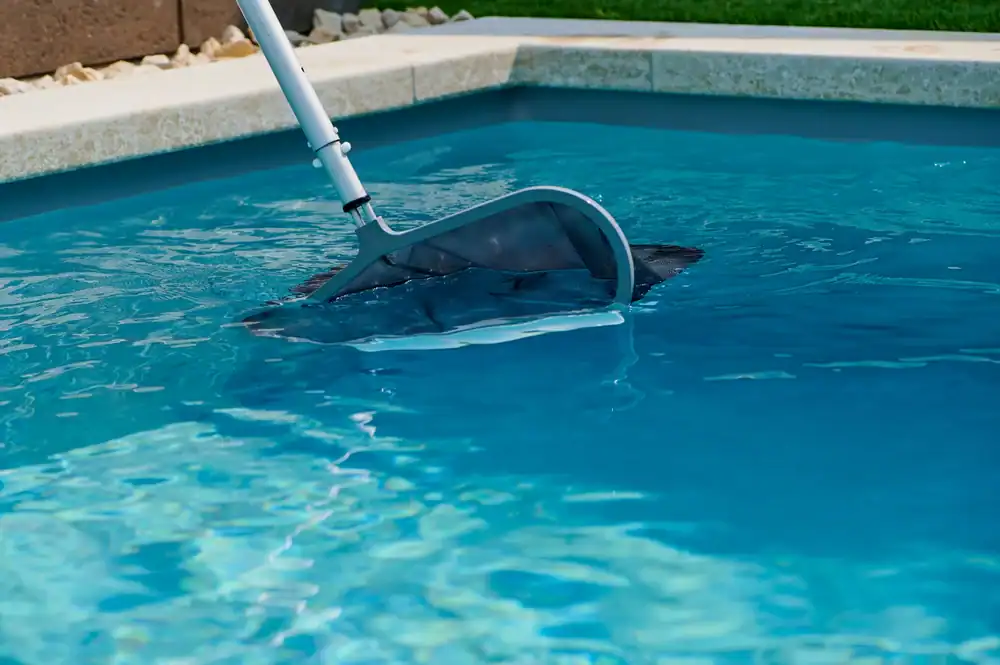
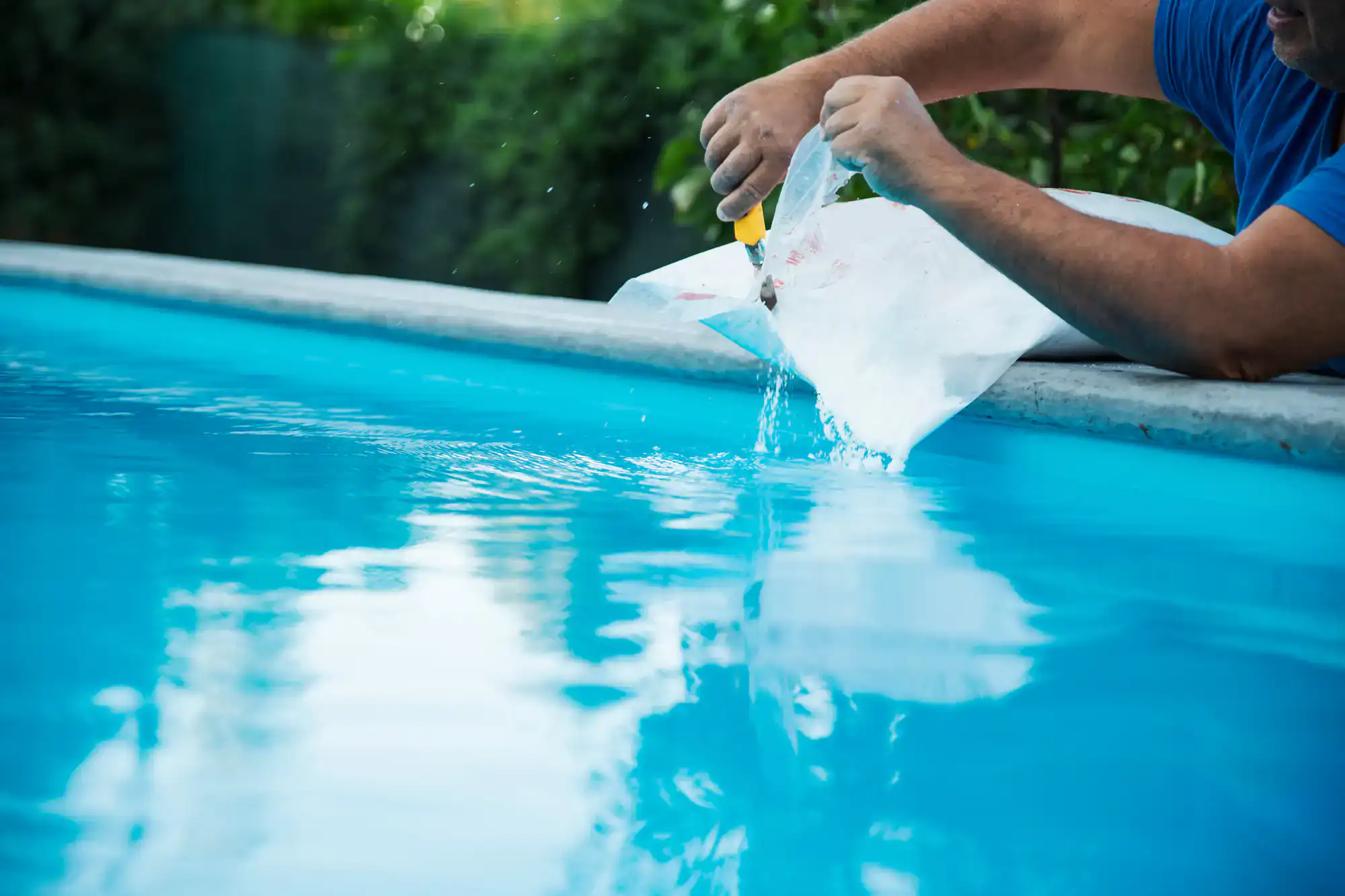
From there, the work gets done in the right order. For weekly maintenance, that means water chemistry is tested and balanced, the filter is checked, debris is cleared, and equipment is inspected for anything that looks off. In Waresboro’s climate, that equipment inspection matters more than people think summer heat and high humidity put real stress on pumps and heaters, and catching a small issue early is a lot cheaper than replacing a unit that failed because nobody noticed the warning signs.
For larger jobs liner replacement, leak detection, heater installation we coordinate everything from the initial diagnosis through completion, including any Ware County permitting that’s required for the work. Because Waresboro is unincorporated, all of that goes through county offices, and having a contractor who already knows that process keeps your project moving without delays or failed inspections.
Ready to get started?
We cover the full range of what pool ownership requires out here. Weekly pool maintenance keeps your water balanced and your equipment running through the long South Georgia swim season typically late April through October, and longer if you have a heater. Pool equipment repair handles the pumps, filters, motors, and connections that take the most wear in a high-humidity environment like the Okefenokee basin. Leak detection uses professional methods to locate problems in plumbing lines, shell fittings, and equipment connections before they cause structural damage or drive up your water bill especially relevant if you’re on county water or a private well.
Pool liner replacement is available for vinyl-lined pools, measured and installed with the same precision we bring to new construction. A liner that’s improperly installed in a humid environment becomes a surface for algae and biofilm faster than most people expect, so the installation process matters as much as the material. Heater installation extends your swim season into the cooler months and, when done correctly, gives you 8 to 12 years of reliable performance. Done wrong, that number drops to 3 to 5 and the warranty doesn’t cover improper installation.
If you’re in Tara Estates or anywhere else in the Waresboro area, these services are available without you having to manage the logistics. We handle the work, the coordination, and where needed, the county.

For most pools in the Waresboro area, weekly service is the right interval and the local environment is a big reason why. The Okefenokee basin produces consistently high humidity through summer, which accelerates algae growth significantly faster than in drier climates. Every heavy rain event and Ware County averages around 60 inches a year dilutes your pool chemistry and deposits organic debris from surrounding pine trees and wetland vegetation. If you’re only checking the water every two or three weeks, you’re already behind.
Bi-weekly maintenance can work for pools that see light use and have strong circulation systems, but in this climate, the margin for error is smaller. A pool that looks fine on a Thursday can have visible algae by the following Monday after a few days of high humidity and afternoon storms. Weekly visits catch those shifts before they become a problem you have to spend money correcting.
The most common sign of a pool leak is water loss that doesn’t match what you’d expect from evaporation. A simple way to check is the bucket test fill a bucket with pool water, set it on a step, and mark both water levels. After 24 hours, if the pool has lost significantly more water than the bucket, you likely have a leak. In Waresboro’s sandy, well-drained soils, a slow leak doesn’t pool on the surface it just disappears, which is why many homeowners don’t catch it until equipment damage or a noticeably higher water bill makes it obvious.
Professional leak detection goes well beyond guesswork. It involves pressure testing plumbing lines, inspecting shell fittings and returns, checking equipment connections, and using specialized methods to isolate where the loss is occurring. The national average for leak detection runs around $300, though complex inground pools can run higher. Catching it early almost always costs less than the structural or equipment damage that follows if it goes unaddressed.
Most vinyl pool liners last somewhere between 10 and 15 years under normal conditions, but that range shortens in high-humidity environments. In Waresboro, the combination of heat, organic debris from surrounding pine and wetland vegetation, and the chemical demands of heavy summer rainfall can accelerate liner wear especially if the water chemistry hasn’t been consistently maintained. Fading, wrinkling, and surface staining are early signs. Visible cracks, tears near fittings, or a liner that’s pulling away from the coping are signs you’re past the point of waiting.
Liner replacement for an inground pool typically runs between $1,200 and $7,800 depending on size, shape, and material. The installation process matters as much as the liner itself a liner that isn’t properly measured and seated will wrinkle at the corners and pull away from fittings, which shortens its lifespan significantly and creates surface areas where algae can establish. Getting it done right the first time is the better investment.
For most Waresboro homeowners, yes and the math is pretty straightforward. Without a heater, your swim season is roughly late April through early October. With one, you can comfortably swim in March and November, and some years through December during the mild winters this part of Georgia typically sees. That’s potentially four to six additional weeks of use out of an investment you’ve already made in your pool.
Heater installation typically runs between $1,600 and $5,200 including the unit and labor, depending on the type and size. A properly installed heater lasts 8 to 12 years. The key word is properly correct gas line sizing, manufacturer-spec electrical connections, and a proper startup procedure all affect both performance and lifespan. A heater that’s undersized for your pool volume or incorrectly connected will work harder, wear faster, and may void the manufacturer’s warranty. It’s worth having it done once, correctly.
A standard weekly maintenance visit covers water testing and chemical balancing, skimming and brushing surfaces, emptying the skimmer and pump baskets, checking filter pressure, and a general equipment inspection. What that equipment inspection catches depends on who’s doing it a technician who understands how the full system works will notice a pump running hotter than it should or a return fitting that’s starting to show wear, where someone just running through a checklist might not.
What’s typically not included in a standard maintenance plan: equipment repairs, chemical shock treatments for algae outbreaks (those are usually billed separately), and structural work like liner repair or plumbing fixes. It’s worth asking any provider to be specific about what’s covered before you sign on. In a climate like Waresboro’s where a week of summer storms can undo a lot of progress quickly knowing exactly what your maintenance plan includes helps you avoid surprises.
Yes and in Waresboro specifically, that’s worth understanding before you hire anyone. Because Waresboro is an unincorporated community, there’s no city building department to deal with. All permits, inspections, and code compliance for pool construction or major renovation work go through Ware County’s building and zoning office. That’s a different process than what applies in Waycross or other incorporated cities, and contractors who aren’t familiar with it can run into delays, failed inspections, or approval issues that stall a project mid-build.
We handle the full permitting process boundary surveys, environmental health approvals, county coordination so you’re not left managing paperwork or chasing down county offices on your own. Georgia also requires a valid residential contractor license for pool work exceeding $2,500, which we carry. If you’re planning any significant pool work in the Waresboro area, making sure your contractor knows the Ware County process before they start is one of the most practical things you can do to protect your timeline and your investment.