
Hear from Our Customers
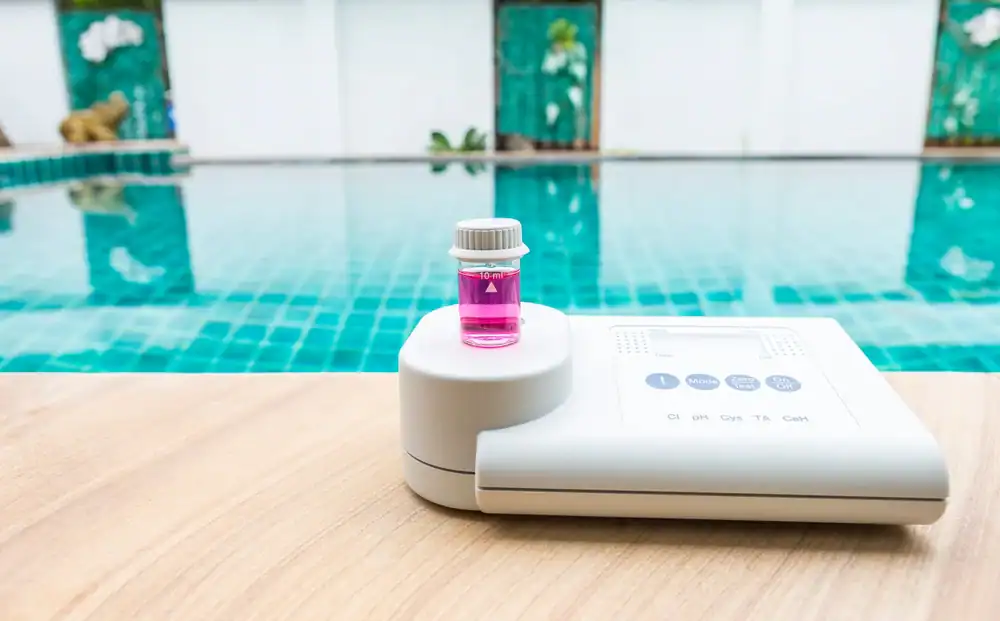
You’re not guessing with test strips that give you vague color matches. You’re getting accurate readings from professional-grade equipment that tells you exactly where your chlorine, pH, alkalinity, and calcium hardness levels stand.
When your water is properly balanced, you’re swimming in water that won’t irritate your skin or eyes. Your kids aren’t getting out with red, stinging eyes or dry, itchy skin. You’re not dealing with algae blooms after a few hot days or cloudy water that makes you second-guess letting anyone swim.
Your pool equipment lasts longer because corrosive water isn’t eating away at your pump, filter, or heater. You’re not throwing money at chemicals you don’t need or dealing with stains on your pool finish. You know what’s actually required to keep your water clear, and you’re only buying what works.
We’ve been building and maintaining custom inground cement pools in Douglas County and surrounding areas for over 30 years. We’re licensed, insured, and we’ve seen what happens when water chemistry goes wrong.
We offer free water testing because we’d rather help you prevent problems than watch you deal with expensive repairs later. We know how Alma’s humid subtropical climate affects your water chemistry. We understand that summer storms bring runoff that throws off your balance, and that Georgia’s extended warm seasons mean your pool gets more use than pools up north.
You’re working with people who live here, who’ve maintained pools through every kind of weather South Georgia throws at us, and who genuinely want to help you enjoy your pool without the stress.
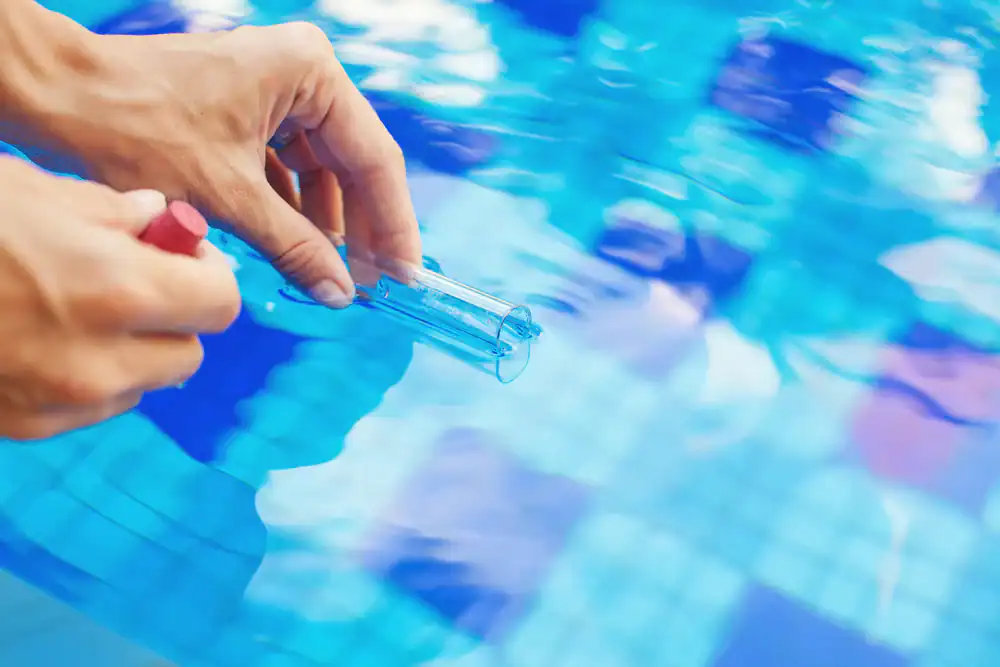
You bring us a water sample in a clean container. A plastic water bottle works fine. Fill it about three-quarters full from elbow-deep in your pool, away from return jets and skimmers, so we’re testing your actual pool water, not just what’s on the surface.
We run your sample through professional testing equipment. We’re using the same type of colorimeter technology you’d find in medical labs, not eyeballing color charts. The equipment gives us precise readings on chlorine levels, pH balance, total alkalinity, calcium hardness, and other factors that affect your water quality.
You get results in minutes, not days. We walk you through what the numbers mean for your specific pool. If your pH is low and your water is corrosive, we’ll tell you exactly what that means for your equipment and what you need to fix it. If your chlorine is too high, we’ll explain why that’s costing you money and what to do about it.
We don’t just hand you a printout and send you on your way. You leave understanding what’s happening in your pool and what steps to take next.
Ready to get started?
Your water analysis covers the critical factors that determine whether your pool is safe and properly maintained. We’re checking chlorine concentration because that’s what kills bacteria like E. coli in under a minute. We’re measuring pH because water that’s too acidic burns eyes and corrodes equipment, while water that’s too alkaline makes chlorine ineffective and causes scaling.
We test total alkalinity because it stabilizes your pH and prevents those frustrating swings that have you constantly adjusting chemicals. We measure calcium hardness because low calcium makes your water corrosive, leading to etching on your pool finish and damage to metal components. High calcium causes cloudy water and scaling on your tile line.
In Alma, you’re dealing with specific challenges. Our humidity promotes bacterial growth. Summer thunderstorms are frequent and they dump debris and contaminants into your pool. You’re running your pool longer into fall than most of the country because our weather stays warm. These factors mean your water chemistry needs attention, and generic advice from a big-box store employee doesn’t account for what’s actually happening in South Georgia.
You get testing that considers local conditions. You get explanations that make sense. You get recommendations based on your specific pool, not a one-size-fits-all approach.
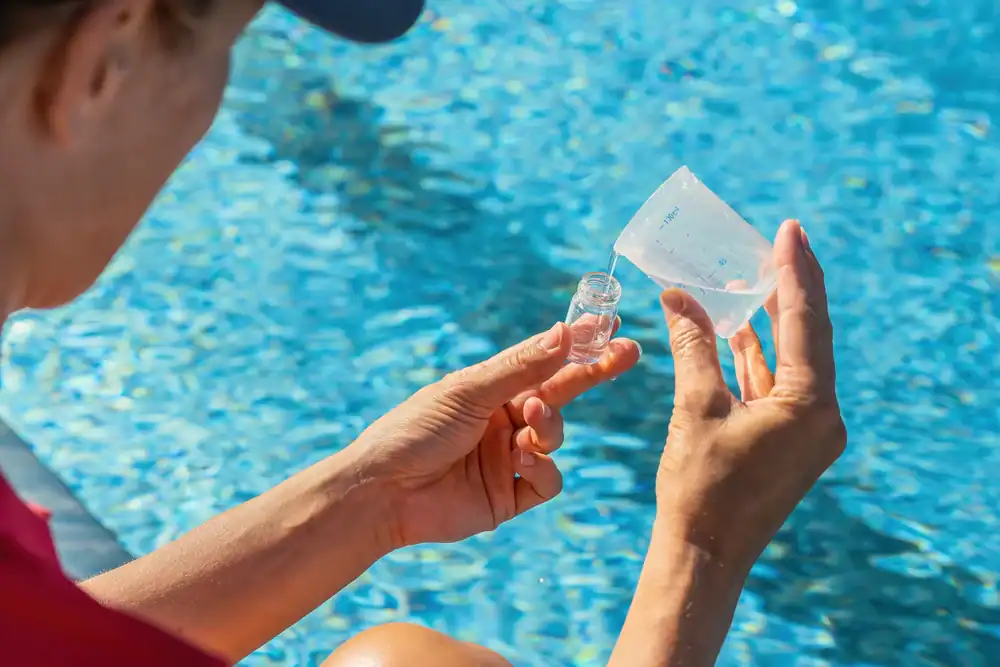
You should test weekly during summer when you’re using your pool heavily and the heat is promoting bacterial growth. That’s when your chlorine gets depleted faster and your pH can swing more dramatically.
During cooler months when you’re swimming less, testing every two to three weeks is usually sufficient. But if you’ve had a major storm, if your pool has gotten heavy use from a party or gathering, or if you’re noticing any changes in water clarity or smell, test immediately.
The cost of testing is free here. The cost of not testing shows up in algae blooms, equipment damage, and skin irritation. Most pool owners who skip regular testing end up spending more fixing problems than they would have spent preventing them.
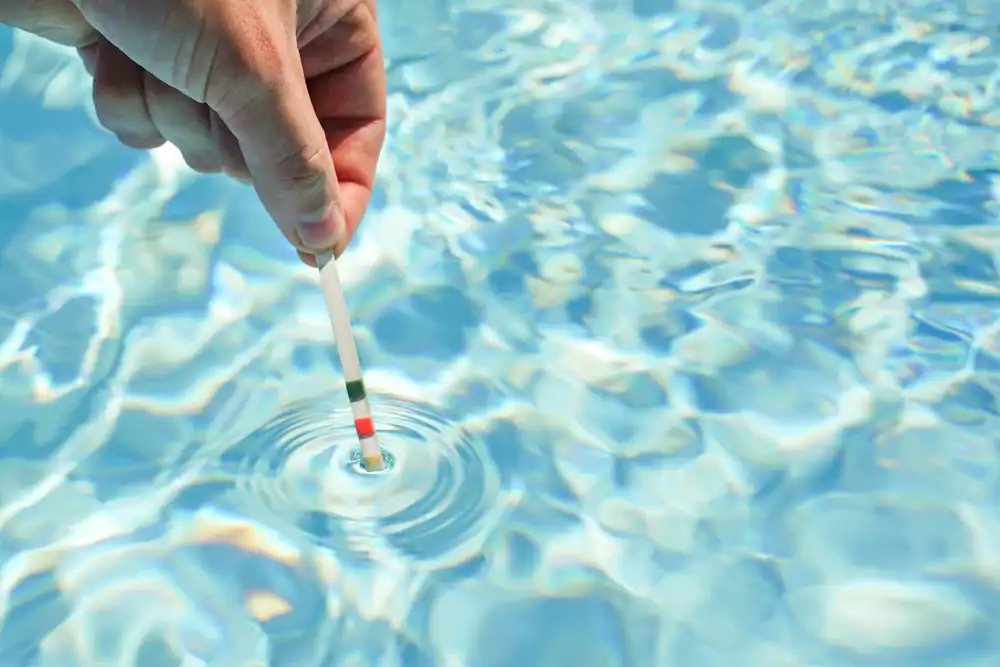
Test strips give you a rough estimate by comparing colors on a chart. You’re relying on your eyes to match shades, and those readings can be off by enough to cause real problems. They also degrade if they’re exposed to humidity or if the container isn’t sealed properly.
Professional testing uses calibrated equipment that measures chemical concentrations precisely. We’re getting digital readings that don’t depend on subjective color matching. The equipment we use is similar to what water treatment facilities and labs use.
The difference matters because small variations in pH or chlorine levels can have big effects. A pH of 7.2 versus 7.8 doesn’t look that different on a color chart, but one is ideal and the other is causing problems. Professional testing catches those differences before they damage your pool or affect your family’s comfort.
Yes, and it happens faster than most people realize. Low pH makes your water acidic and corrosive. That acid eats away at metal components in your pump, heater, and filter. It degrades seals and gaskets. It etches your pool’s surface and can cause pitting in concrete.
High pH makes your water scale-forming. You’ll see white, crusty deposits on your tile, in your filter, and inside your heater. That scaling reduces efficiency, makes your equipment work harder, and shortens its lifespan. Your heater has to work longer to warm scaled-up heating elements. Your filter can’t clean as effectively when it’s clogged with calcium deposits.
In South Georgia’s climate, these problems accelerate. Our water tends to be harder, our humidity is high, and our temperatures promote faster chemical reactions. Equipment that might last 15 years with balanced water might need replacement in 8 to 10 years if your chemistry is consistently off. That’s thousands of dollars in premature replacement costs.
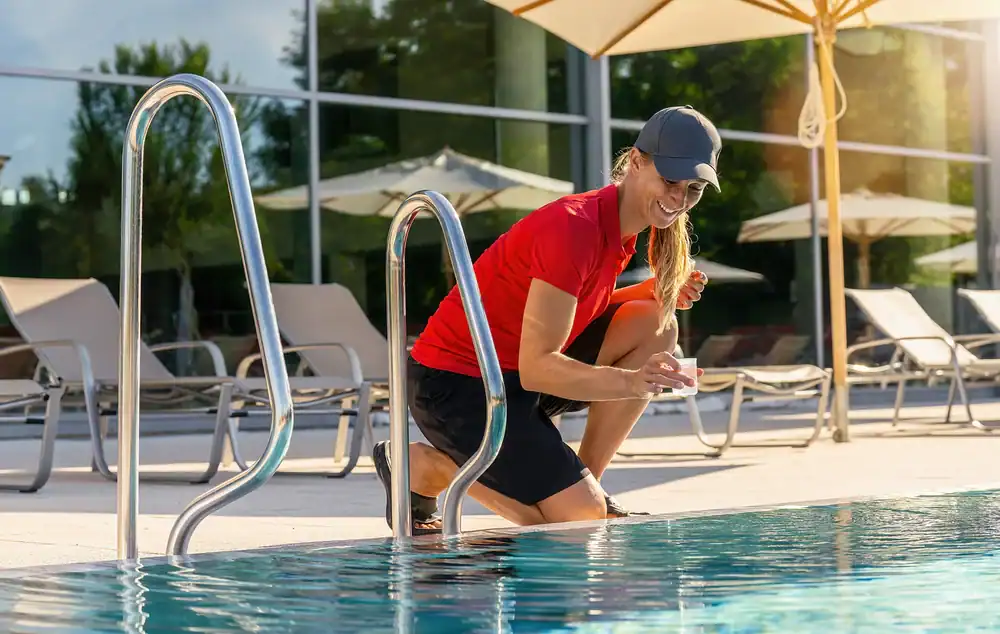
Your sample should be clear pool water collected from about elbow-deep, away from return jets and skimmers. Use a clean plastic bottle or container. Don’t use a container that previously held chemicals, soap, or anything else that could contaminate the sample.
Fill it about three-quarters full and bring it in as soon as you can. Water chemistry can change if the sample sits too long, especially if it’s exposed to sunlight or heat. If you can’t bring it immediately, keep it in a cool, dark place.
Don’t collect water right after adding chemicals or right after a rainstorm. Wait at least 24 hours after chemical treatment and a few hours after rain so we’re testing your pool’s actual baseline chemistry, not a temporary condition. The goal is to get an accurate picture of what’s happening in your pool on a normal day.
No. We’re testing your water to give you accurate information, not to push products. If your water is balanced, we’ll tell you it’s balanced. If you only need one chemical adjustment, that’s what we’ll recommend.
Our business is built on building custom pools and maintaining long-term relationships with pool owners in Alma and Douglas County. We’re not a retail store trying to hit sales quotas. We’re pool contractors who know that honest advice keeps customers coming back and referring their neighbors.
When we recommend something, it’s because your water actually needs it. We’ll explain why, show you the test results, and help you understand what happens if you don’t address it. But we’re not going to load you up with unnecessary chemicals or services. You’ll know exactly what your pool needs and why.
We prioritize what needs to be fixed first. Some adjustments need to happen in a specific order because fixing one issue affects another. For example, you need to get your pH and alkalinity in range before you can accurately address chlorine levels.
We’ll walk you through a clear plan. You’ll know what to add first, how much to add, and how long to wait before the next adjustment. We’ll explain which problems are urgent and which ones can wait a day or two.
If your water is severely out of balance, we’ll let you know if you should avoid swimming until it’s corrected. We’ll also explain whether you’re looking at a simple fix you can handle yourself or if you’re dealing with something that needs professional attention. You’re not getting a confusing list of problems with no guidance. You’re getting a straightforward action plan that makes sense.
Other Services we provide in Alma