
Hear from Our Customers
You’re standing in the pool aisle staring at bottles, wondering if you need more chlorine or if your pH is off. Maybe the water looks cloudy. Maybe your eyes burned last time the kids went swimming. You’re not sure what’s wrong, and the test strips you bought aren’t giving you clear answers.
That guesswork costs you. Imbalanced water corrodes your pump and heater. It eats away at metal fixtures. It turns into a breeding ground for bacteria your family shouldn’t be swimming in. Within just a few days of improper balance, you’re looking at irritated skin, damaged equipment, and a pool that doesn’t look or feel right.
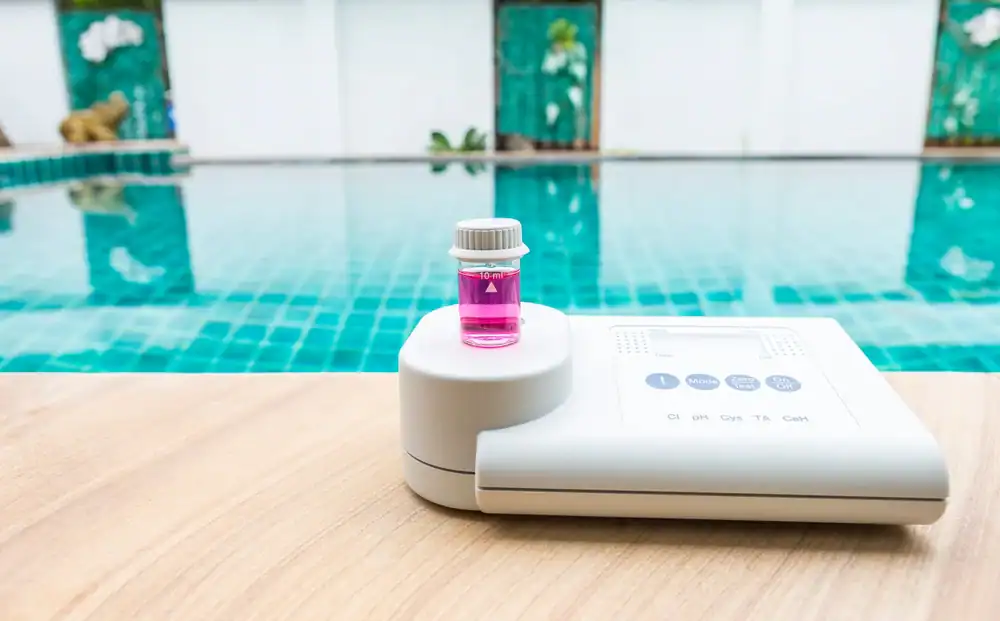
Our water quality testing takes that uncertainty off your plate. You bring us a sample. We run it through advanced testing technology that gives you accurate readings on chlorine, pH, alkalinity, calcium hardness, and everything else that matters. Two to three minutes later, you walk out with a printout that tells you exactly what your pool needs and why. No guessing. No wasted money on chemicals you don’t need.
We’ve been serving families across South Georgia since 2014, built on over 30 years of hands-on pool construction and maintenance experience. We’re not a franchise. We’re locals who’ve dealt with every water issue you can imagine, from green pools to purple water to equipment damage from improper chemistry.
Ashton and the surrounding Ben Hill County area deal with specific water challenges. Georgia’s red clay means iron and manganese show up in your water. Summer heat accelerates algae growth and burns through chlorine faster than you’d expect. Heavy rains dilute your chemicals overnight. We’ve seen it all, and we know how to fix it.
That’s why we offer free residential water test services. You shouldn’t have to pay to find out what’s wrong with your pool. You should know what you’re dealing with before you spend a dime.
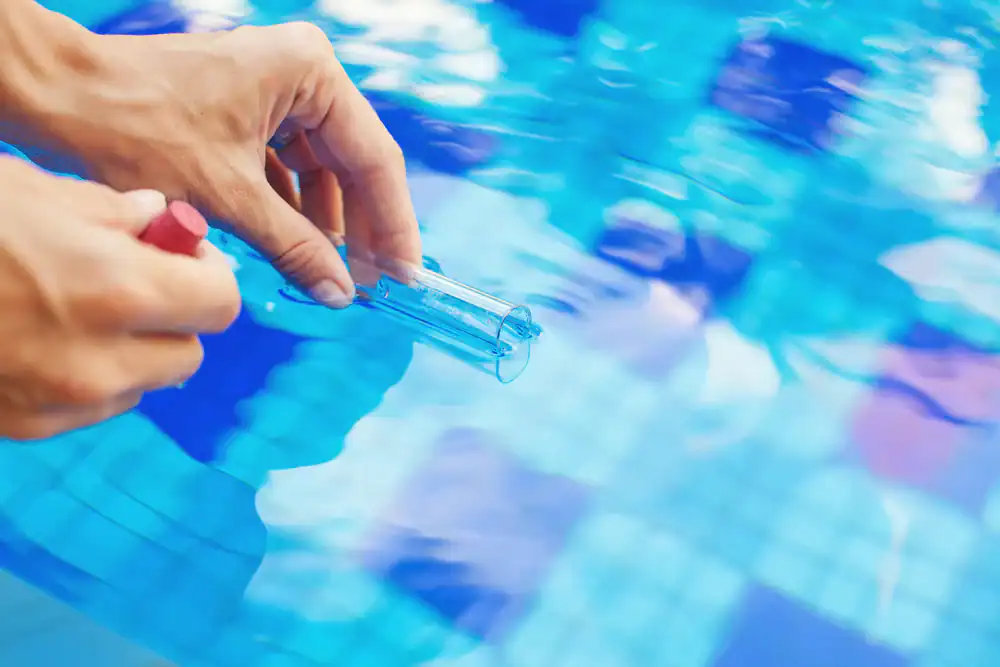
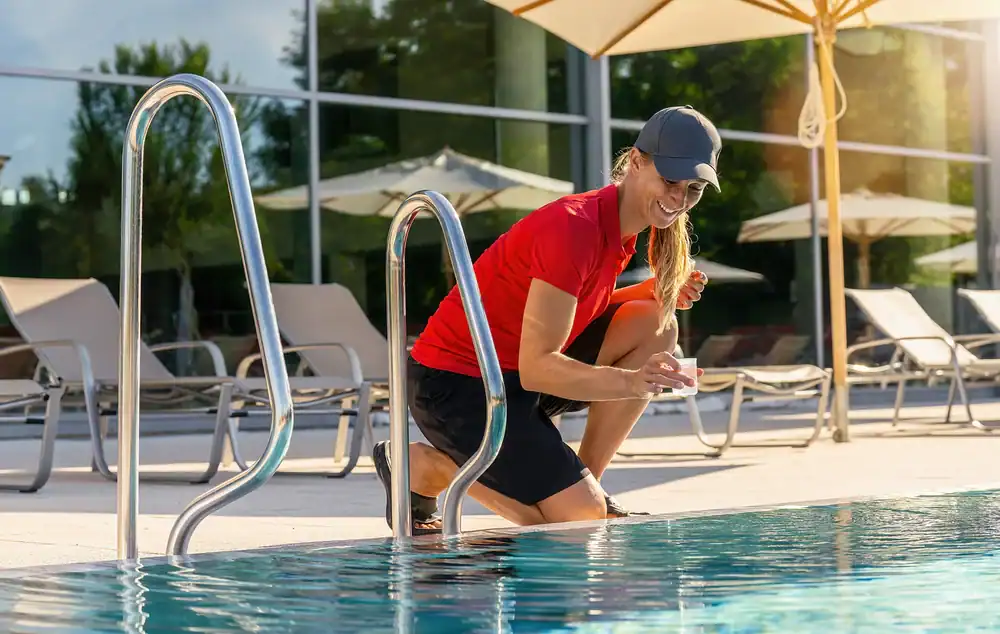
Grab a clean plastic bottle or container. Reach down about elbow-deep into your pool, away from the skimmers and returns, and fill it up. That’s your sample.
Bring it to us in Ashton. We run it through our testing equipment, which analyzes chlorine levels, pH balance, total alkalinity, calcium hardness, stabilizer levels, and any metals or contaminants that might be causing problems. The whole process takes two to three minutes.
You get a full printout with every number that matters. We walk you through what each reading means for your specific pool. If your pH is too high, we’ll tell you exactly how much acid to add. If your chlorine is low, we’ll explain why and what to do about it. If you’ve got algae starting or metal staining, we’ll catch it before it becomes expensive.
You leave knowing exactly what your pool needs. No sales pitch. No pressure. Just clear information from people who’ve been doing this for 30 years and have seen every scenario you’re dealing with.
Ready to get started?
Every water analysis service includes a complete chemical breakdown of your pool water. You’re not just getting a chlorine reading. You’re getting pH, total alkalinity, calcium hardness, cyanuric acid, total dissolved solids, and checks for copper, iron, and other metals that cause staining and discoloration.
South Georgia pool owners deal with unique challenges. Your water chemistry shifts faster here than in cooler climates. Summer temperatures in Ashton regularly push into the 90s, which means your chlorine depletes quicker and algae blooms faster. Afternoon thunderstorms are common from June through August, and every heavy rain dilutes your chemicals and throws off your balance.
We account for those local factors when we give you recommendations. Your treatment plan isn’t generic. It’s based on what your pool actually needs right now, in this climate, with this water. If you’ve been fighting the same algae problem all summer, we’ll figure out why. If your equipment is showing signs of corrosion or scaling, we’ll identify the chemical imbalance causing it before the damage gets worse.
This service is completely free. You’re not paying for the test. You’re not obligated to buy anything. We’re giving you professional pool water testing because we want you to know what you’re working with.
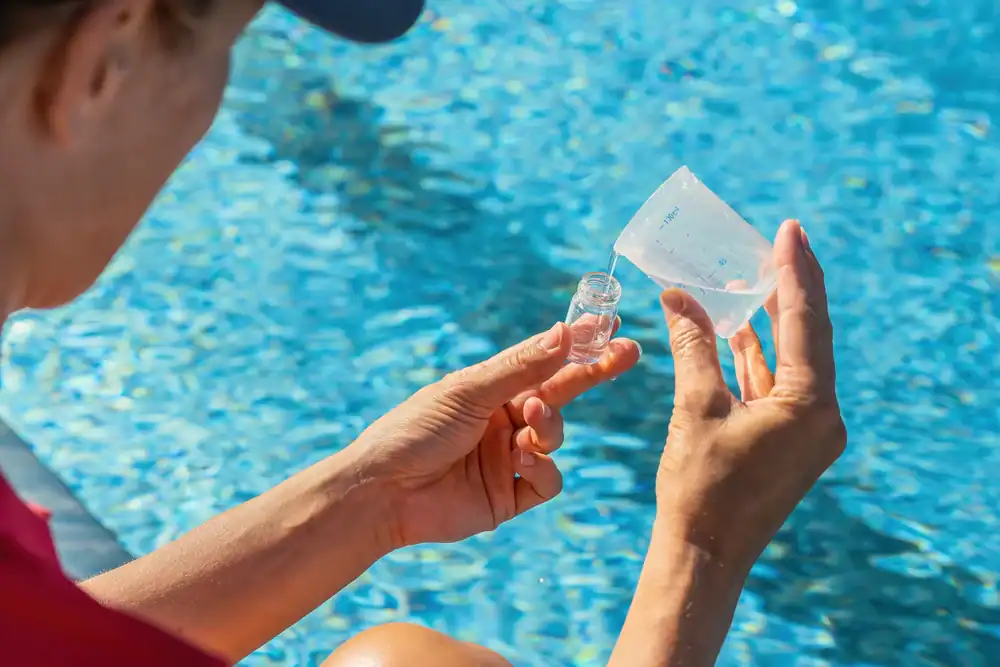
At minimum, test your water every two weeks during swimming season. That’s the baseline for catching problems before they get expensive.
If you’re using your pool heavily, test weekly. More swimmers means more contaminants, more sunscreen and body oils, and faster chemical depletion. If you’ve had a string of hot days over 95 degrees, test weekly. Heat accelerates algae growth and burns through chlorine faster than normal.
After heavy rain, test within 24 hours. Georgia thunderstorms dump enough water to dilute your chemicals significantly, and you need to know where your levels stand before anyone swims. If you’ve had an algae problem or noticed cloudy water, test immediately and then again three days after treatment to make sure the issue is actually resolved. The more you test, the less you spend on correcting major problems down the line.
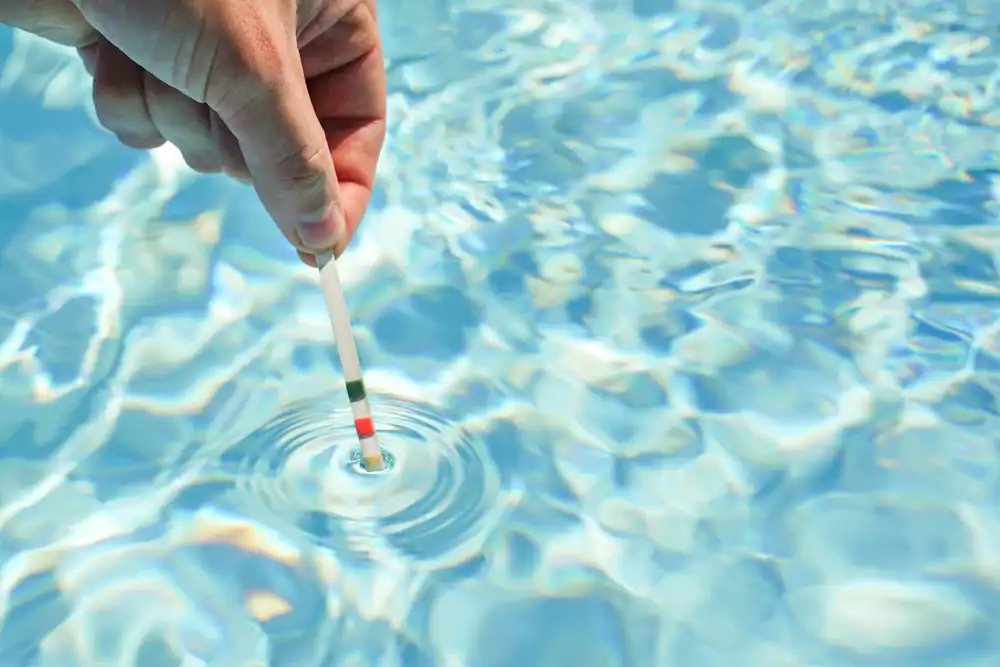
Test strips give you a rough estimate. Professional water analysis gives you exact numbers you can act on.
Strips are fine for a quick check between professional tests, but they’re not accurate enough to diagnose real problems. The color matching is subjective. The readings drift if the strip sits in the water too long or not long enough. You’re guessing at ranges instead of knowing precise levels.
Our testing equipment measures your water chemistry down to the decimal point. You’ll know if your pH is 7.8 or 8.2, which matters when you’re adding acid. You’ll see exactly how many parts per million of copper or iron are in your water, which explains staining that strips would never catch. When your chlorine reads 0.5 ppm instead of the 1-3 ppm range you need, you know you’ve got a sanitation problem that needs immediate attention. That level of accuracy prevents you from over-treating or under-treating your pool, both of which cost you money and create new problems.
Clear water doesn’t mean safe water. You can have perfect clarity and still have dangerous chemical imbalances.
Your pH might be way too high or too low, which irritates skin and eyes even when the water looks fine. Your chlorine could be depleted, meaning bacteria is growing even though you can’t see it yet. Calcium hardness might be off, slowly corroding your equipment without any visible signs in the water itself.
That’s why regular water quality testing matters. By the time you see green algae or cloudy water, you’re already behind. You’re treating a full-blown problem instead of preventing one. Professional testing catches issues in the early stages when they’re cheap and easy to fix. We’ll spot rising phosphate levels before algae blooms. We’ll catch dropping alkalinity before your pH becomes impossible to balance. Clear water is the goal, but the chemistry behind that clarity is what keeps your pool safe and your equipment running efficiently.
That depends entirely on what your test results show. There’s no standard answer because every pool is different.
If your pH is high, you’ll need muriatic acid or dry acid to bring it down. If it’s low, you’ll need soda ash or pH increaser. Low chlorine means you’ll add shock or liquid chlorine. High chlorine is rare but happens if you’ve over-treated, and time is usually the only fix. Low alkalinity requires sodium bicarbonate. High calcium hardness might mean you need to partially drain and refill your pool.
That’s exactly why you shouldn’t buy chemicals before you test. Pool stores will sell you whatever you ask for, but if you’re guessing at what you need, you’re likely making the problem worse. Our printout tells you precisely what to add and how much. You buy only what your pool actually needs. You’re not wasting money on unnecessary chemicals, and you’re not creating new imbalances by adding the wrong thing. Bring us a sample first, then buy chemicals based on real data.
Absolutely. Testing new pool water before you add any chemicals is actually the smartest move you can make.
Your fill water might already have issues. If you’re filling from a well, you could have high iron, manganese, or calcium. If you’re using city water, you might have copper from pipes or high chloramines. Knowing your starting point means you’re treating the actual water in your pool, not making assumptions based on what “should” be there.
We’ll test your fresh fill and tell you exactly what it needs to reach proper balance. You’ll know if you need to add calcium hardness increaser, if your pH needs adjusting, if there are metals that require a sequestering agent before you add chlorine. Starting with accurate water chemistry means your pool opens correctly the first time. You’re not troubleshooting problems three days later because you added chlorine to water that had copper in it and now your pool has green stains. Test first, treat second, swim third.
We test both pool and spa water. The process is the same, but the target ranges are slightly different.
Spas run hotter than pools, which affects your chemistry. Higher temperatures mean sanitizer depletes faster and pH tends to rise quicker. Your acceptable ranges for alkalinity and calcium hardness shift a bit. Spa water also gets contaminated faster because the water volume is smaller and the bather load per gallon is much higher.
Bring us a sample from your spa the same way you would from a pool. Reach down into the water away from jets and fill a clean container. We’ll analyze it and give you a printout with recommendations specific to spa chemistry. If you have both a pool and a spa, bring samples from both. They’re separate bodies of water with different needs, and treating them the same way usually creates problems in one or both. We’ll make sure each one is balanced correctly for how it’s used and maintained.
Other Services we provide in Ashton