
Hear from Our Customers
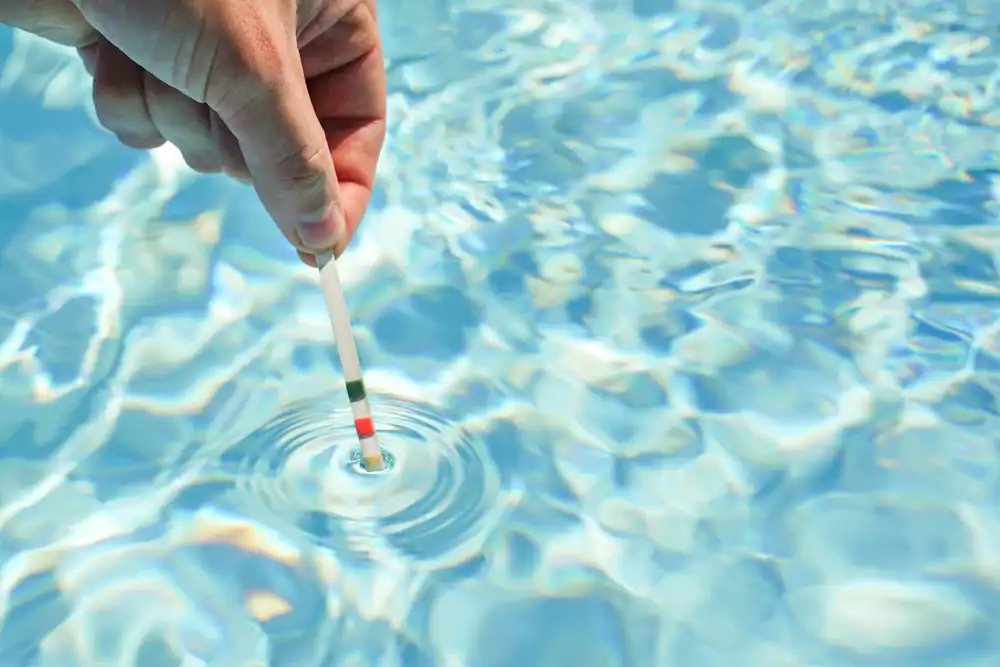
Most pool owners test their water with strips from the hardware store and hope they’re reading the colors right. The problem is those strips miss things—calcium hardness that’s slowly eating away at your equipment, pH swings that burn through chlorine twice as fast, alkalinity issues that turn your water cloudy no matter how much shock you add.
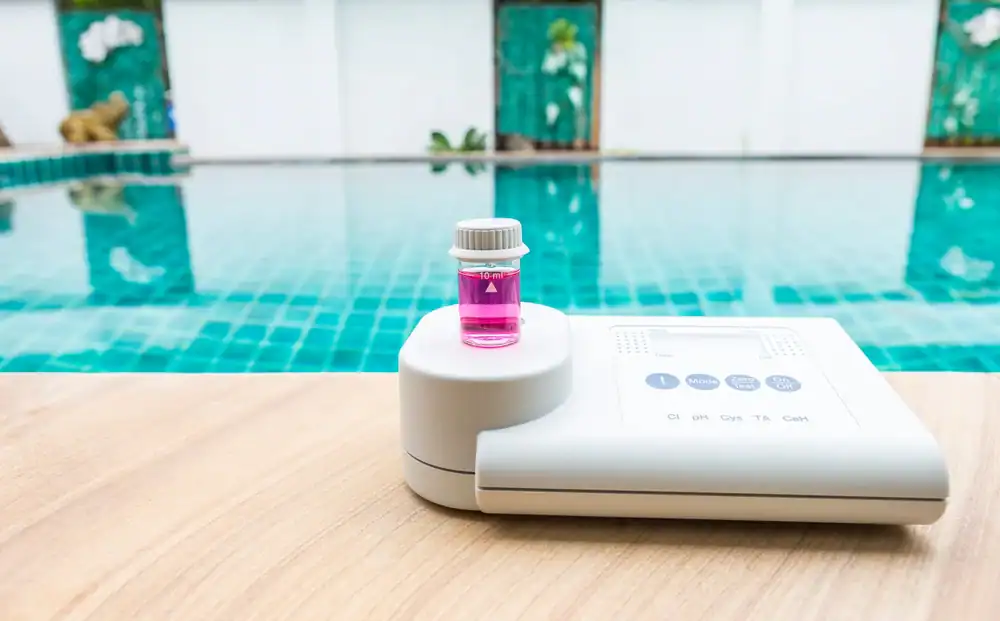
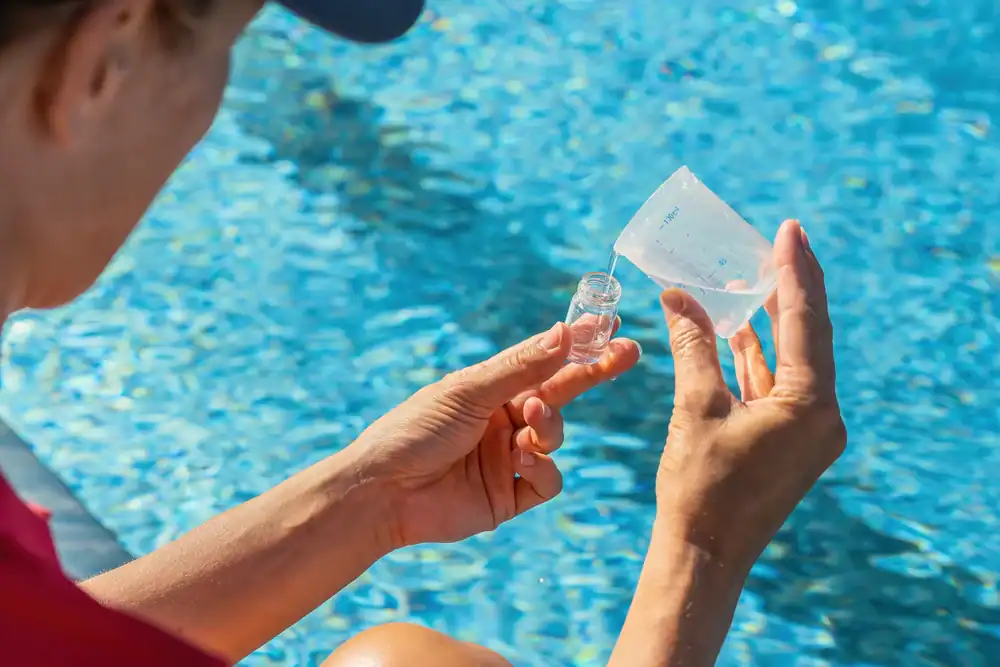
Professional pool water analysis catches what home kits miss. You bring us a sample, we run it through actual testing equipment, and you walk out knowing your chlorine level, pH balance, alkalinity, calcium hardness, and whether anything needs immediate attention. No more guessing if that green tint means algae or just a bad test strip.
This matters more in South Georgia than you’d think. Heavy summer rains dilute your chemicals overnight. Heat spikes in July burn through chlorine faster than any chart accounts for. If you’re testing once a month with a basic kit, you’re already behind—and your pump, filter, and pool surface are paying for it.
We started Deep Waters Pools in 2014, but the experience behind it goes back three decades. We didn’t begin as a retail shop or a franchise—we built pools, poured concrete, ran plumbing, and learned water chemistry from the ground up because we had to. When you construct custom inground cement pools across South Georgia, you see what happens when water isn’t balanced right—etched surfaces, corroded fittings, green water two weeks after opening.
That’s why we offer free water testing in Bannockburn and throughout Berrien County. It’s not a gimmick. It’s how we help pool owners avoid the expensive mistakes we’ve seen too many times. You’re not walking into a sales pitch—you’re getting a real analysis from people who’ve spent years fixing what bad water chemistry does to pools.
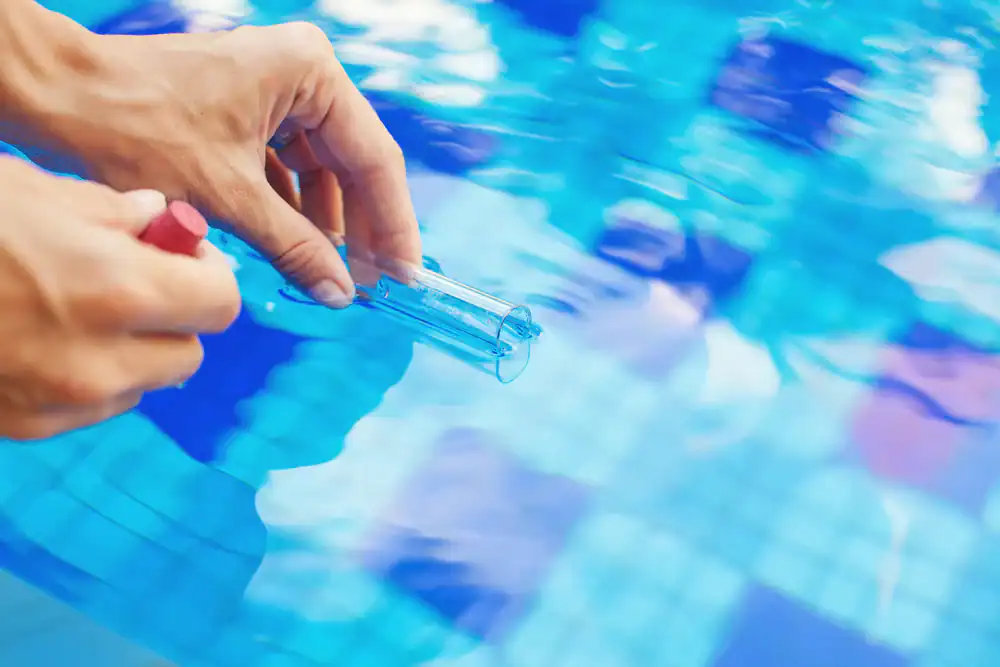
Grab a clean plastic bottle or container—doesn’t need to be fancy, just rinsed out and dry. Go to your pool and collect water from elbow-deep, not right at the surface where debris floats and not from near a return jet where chemicals haven’t mixed yet. Cap it and bring it to us.
We run your sample through professional testing equipment that measures chlorine levels, pH, total alkalinity, calcium hardness, and stabilizer. This takes a few minutes, not a lab turnaround. You’ll get specific numbers—not color-matched guesses—and we’ll tell you exactly what those numbers mean for your pool right now.
Then we walk through what needs adjusting. If your pH is sitting at 7.8 and climbing, we’ll explain why your chlorine isn’t working efficiently and what to add to bring it down. If calcium hardness is low and your plaster’s been looking dull, we’ll connect those dots. You leave with a clear plan, the right products if you need them, and no confusion about what to do next.
Ready to get started?
This isn’t a quick dip-and-read. We’re checking six critical parameters that determine whether your water is safe, clear, and protecting your equipment. Chlorine levels between 1-3 ppm keep bacteria and algae from taking hold. pH between 7.2 and 7.8 keeps that chlorine effective and stops eye irritation. Total alkalinity acts as a pH buffer—get this wrong and your pH bounces all over the place no matter what you add.
Calcium hardness prevents your water from pulling minerals out of your plaster or concrete, which leads to etching and rough surfaces. Stabilizer (cyanuric acid) protects chlorine from burning off in Georgia sun, but too much locks it up and makes it useless. We measure all of this, not just the basics.
Bannockburn sits in an area where summer storms roll through fast and dump enough rain to dilute a balanced pool in one afternoon. Temperatures regularly push into the 90s, which accelerates algae growth and chlorine loss. If you’re testing every two weeks, you’re missing the window where small problems turn into green water or equipment damage. Weekly testing—or right after heavy rain or a pool party—keeps you ahead of issues instead of reacting to them.
Weekly during swim season, and after any heavy rain or high-use weekend. That’s the standard for residential pools, and it’s not overkill—it’s prevention.
Home test strips are fine for a quick check between professional tests, but they degrade in heat and humidity, which means half the time you’re getting inaccurate readings without knowing it. Bring a sample in once a week from May through September, and you’ll catch pH swings, chlorine dips, and alkalinity shifts before they cause cloudy water or algae blooms.
If a thunderstorm dumps two inches of rain overnight, test again. That much water dilutes your chemicals significantly and throws off your balance. Same goes for a weekend where you had a dozen people in the pool—body oils, sunscreen, and organic matter all consume chlorine and affect your levels. One professional test after those events saves you from spending the next week trying to clear up water that’s already turned.
Test strips give you a rough idea. Professional testing gives you exact numbers you can actually use to fix problems.
Strips rely on you matching colors under whatever lighting you’ve got, and they’re affected by how long you dip them, how quickly you read them, and whether they’ve been sitting in your pool shed through a Georgia summer. They’ll tell you if chlorine is “low” or pH is “high,” but they won’t tell you it’s 6.9 and climbing or that your calcium hardness is 120 ppm below where it should be.
We use calibrated equipment that measures precise levels. You’ll know your pH is 7.6, not “somewhere in the purple range.” That precision matters when you’re adding chemicals—too much muriatic acid because you thought your pH was higher than it actually was, and now you’ve overcorrected and created a different problem. Professional water analysis removes the guesswork and gives you confidence that what you’re adding is exactly what your pool needs.
Yes, and faster than most people realize. Low pH is acidic and eats away at metal fittings, heater elements, and pump seals. High pH causes calcium to precipitate out and clog filters, scale up on tile, and reduce water flow through your system.
Calcium hardness that’s too low turns your water aggressive—it starts pulling calcium from your plaster or concrete surfaces, which leads to etching, rough spots, and expensive resurfacing down the road. Too high, and you get scaling on everything, including inside your pump and filter, which reduces efficiency and leads to early equipment failure.
We’ve seen pumps burn out because scaling restricted flow and made them work twice as hard. We’ve replaced heater coils corroded through because pH sat at 7.0 for months. These aren’t worst-case scenarios—they’re what happens when water chemistry drifts and nobody catches it. A free water test every week costs you nothing. Replacing a pump or resurfacing a pool costs thousands.
Bring in a water sample before you start dumping chemicals in. Cloudy water has multiple causes, and adding shock or clarifier without knowing what’s actually wrong usually makes it worse or wastes your money.
Cloudiness can come from low chlorine that’s letting organic matter build up, high pH that’s making your chlorine ineffective, low alkalinity that’s causing pH to bounce around, or calcium hardness that’s out of range and causing precipitation. Sometimes it’s a filtration issue—your filter needs cleaning or your pump isn’t running long enough. Throwing shock at a filtration problem won’t clear anything up.
We’ll test your water, identify what’s off, and tell you exactly what to adjust. If it’s a chemical imbalance, you’ll know which product to add and how much. If your numbers look fine, we’ll talk through your filtration schedule and whether your filter needs maintenance. Cloudy water is fixable, but you need to know what you’re fixing first.
Yes, but not as often. Once a month through the off-season keeps your water balanced and prevents problems when you reopen in spring.
Even when you’re not swimming, your water chemistry doesn’t just freeze in place. pH can drift, alkalinity shifts, and algae can start growing in water that’s above 60 degrees—which happens more often than you’d think in South Georgia winters. If you ignore your pool from November to March and then try to open it in April, you’re looking at green water, staining, and a much harder startup.
Testing monthly and making small adjustments through winter means your water stays clear and balanced. When it’s time to open for the season, you’re tweaking levels, not rescuing a swamp. It takes five minutes to collect a sample and bring it in, and it saves you from spending your first warm weekend of the year shocking and scrubbing instead of swimming.
Bacteria, algae, and cloudy water happen fast. Chlorine is what kills harmful organisms and oxidizes organic matter—when it drops below 1 ppm, your pool stops being sanitized and starts becoming a breeding ground.
You’ll notice eye irritation first, which seems backward because people assume high chlorine causes that. It’s actually chloramines—combined chlorine that forms when there’s not enough free chlorine to break down contaminants. Then the water gets hazy. Then you see algae starting on the walls or floor, usually in shaded corners or around steps. Within a few days of low chlorine, especially in summer heat, you can go from clear water to a green pool.
If a test shows your chlorine is low, you need to shock the pool to raise it back into the 1-3 ppm range and then figure out why it dropped. Sometimes it’s just been too long since you added chlorine. Sometimes your stabilizer is too low and the sun is burning it off. Sometimes pH is too high and your chlorine isn’t working efficiently. We’ll tell you which one it is so you’re not just adding more chlorine and hoping it sticks this time.
Other Services we provide in Bannockburn