
Hear from Our Customers
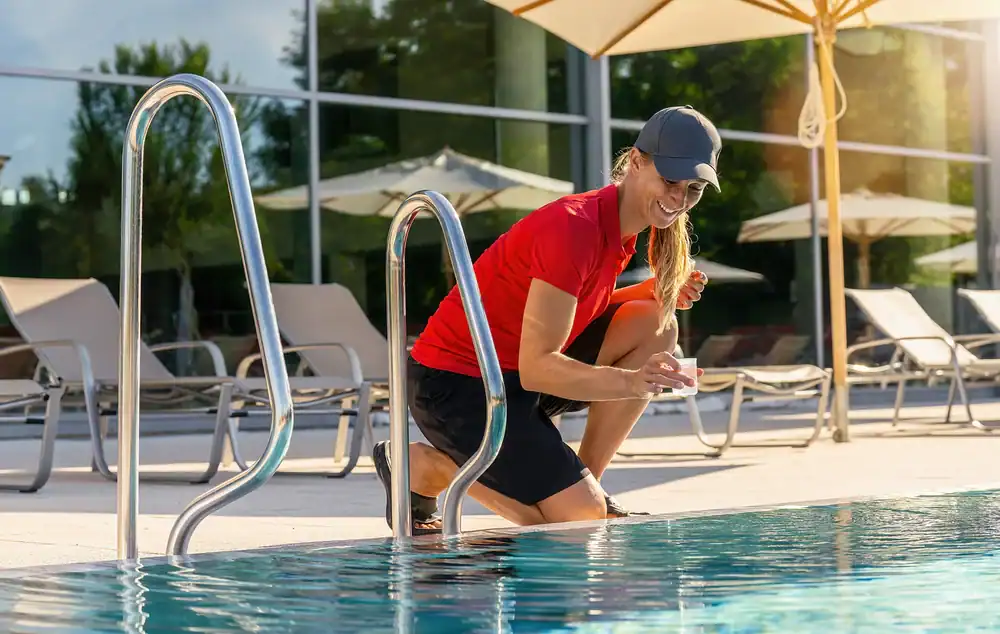
You’re not looking for a science lesson. You want to know if your pool is safe for your kids to swim in today.
That’s what professional pool water testing gives you. Real answers about pH levels, chlorine balance, and whether harmful bacteria are lurking where your family swims. Not a color-matched strip that leaves you wondering if that’s “close enough.”
When your water chemistry is dialed in, you’re not dumping chemicals in blindly hoping something works. You’re not dealing with cloudy water the day before a pool party. You’re not replacing corroded equipment because the pH was off for months without you knowing it.
Your pool stays clear. Your equipment lasts longer. Your family swims without skin irritation or red eyes. And you stop wasting money on chemicals you didn’t actually need.
We’ve been building and maintaining custom inground pools across South Georgia since 2014, backed by over 30 years of hands-on experience. We’ve seen every water chemistry issue you can imagine—green water, brown water, equipment corrosion, algae that won’t quit.
We know how Georgia’s weather affects your pool chemistry. Heavy summer rain throws off your balance overnight. Heat spikes increase evaporation and concentrate chemicals. The water in Guysie and Coffee County has its own quirks that out-of-town companies don’t always catch.
When you bring us a water sample, you’re getting analysis from people who’ve cleared thousands of pools and know exactly what works in this climate. We test it, we tell you what’s wrong, and we tell you exactly how to fix it. No charge for the test. No pressure to buy anything. Just honest answers from people who’ve been doing this long enough to know what actually matters.
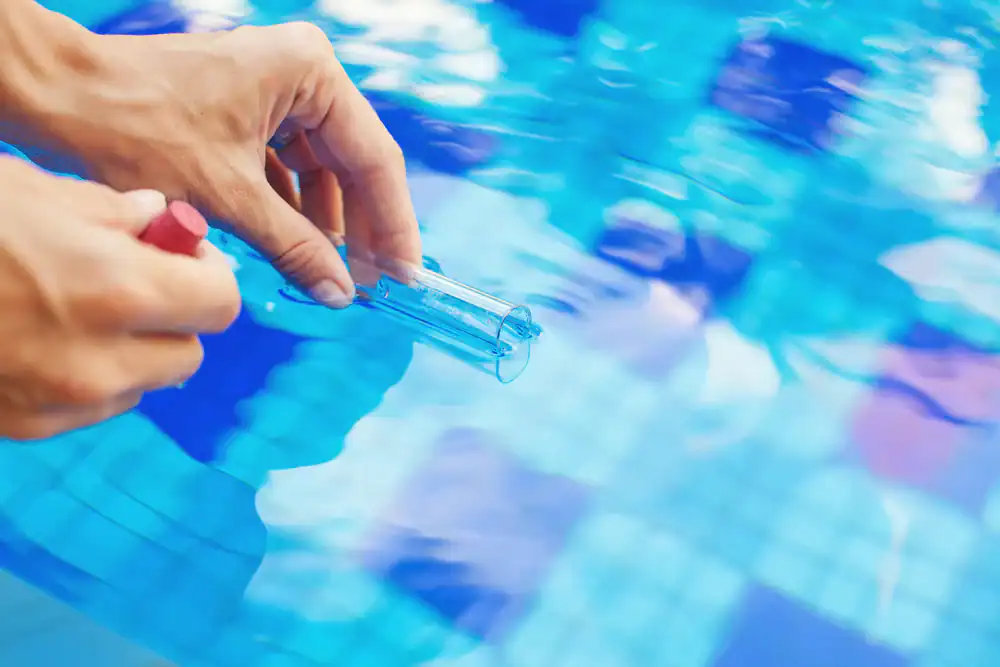
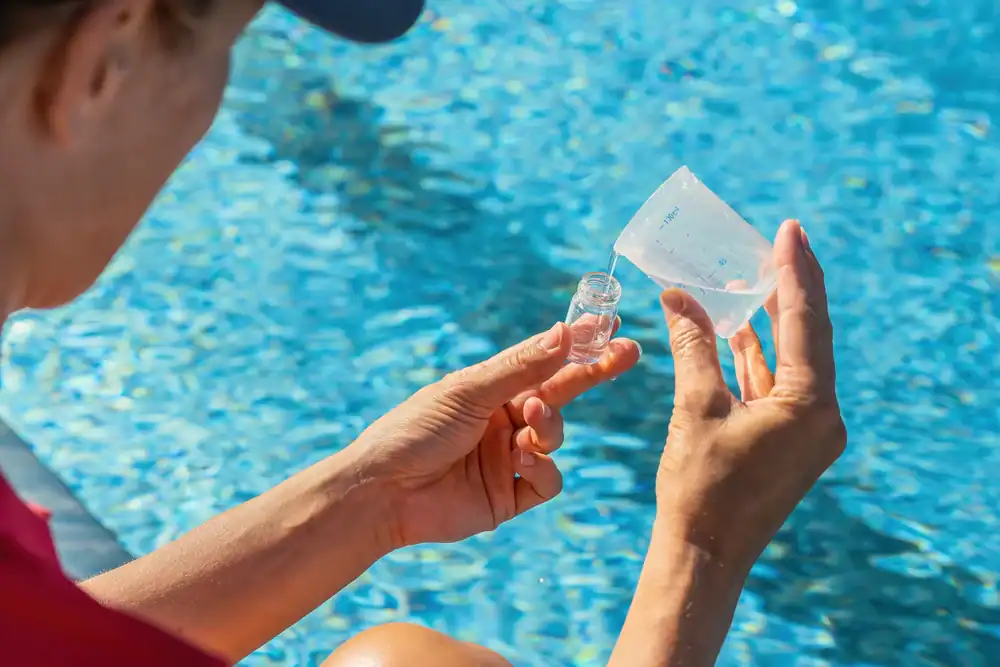
Bring us a water sample from your pool—about a pint in a clean container. Grab it from elbow-deep, away from returns or skimmers, so we’re testing what’s actually in your pool, not what just came out of your filter.
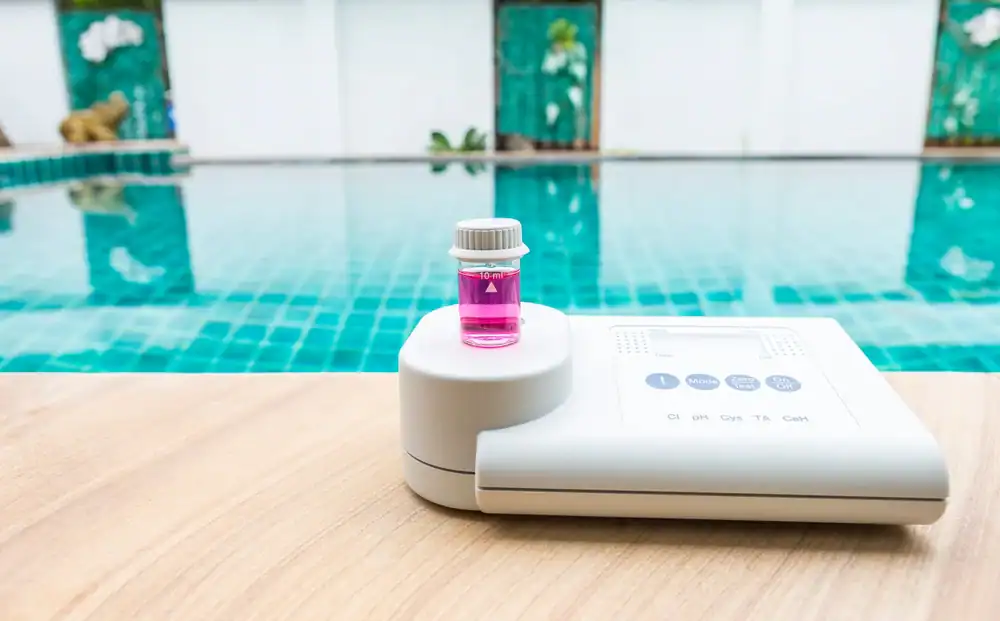
We run it through professional-grade testing equipment. Not test strips. Not a basic kit. The same lab-quality analysis that can detect exactly what’s happening with your pH, chlorine, alkalinity, calcium hardness, and other levels that determine whether your water is safe and balanced.
The whole test takes two to three minutes. You get a full printout showing every measurement, where you’re out of range, and what you need to do to fix it. We’ll walk you through what the numbers mean and what to add—how much, in what order, and when to test again.
If your water’s in good shape, we’ll tell you that too. If something’s off, you’ll know exactly what the problem is before you leave. No guessing. No trial and error. Just clear direction based on what your water actually needs right now.
Ready to get started?
This isn’t a sales pitch disguised as a service. It’s a genuine water quality test using the same professional equipment we rely on for the pools we build and maintain across South Georgia.
You get precise readings on pH, free chlorine, total alkalinity, calcium hardness, cyanuric acid, and other factors that determine whether your pool is safe to swim in or slowly damaging itself. Each test comes with a printed report you can take home, plus a clear explanation of what’s wrong and how to correct it.
In Guysie and throughout Coffee County, we see the same patterns every summer. Afternoon storms dilute chlorine levels. High heat accelerates algae growth when pH drifts too high. Calcium buildup becomes an issue when well water is used to top off pools. These aren’t problems you can always see until they’ve already caused damage or created unsafe swimming conditions.
Regular water testing catches these issues early. Weekly testing during swim season keeps you ahead of algae blooms, equipment corrosion, and chemical imbalances that waste your money. You’ll know when your water’s safe and when it needs attention—before your kids complain about burning eyes or you notice your pool finish starting to stain.
Weekly during swim season—roughly May through September in South Georgia. That’s when heat, rain, and heavy use throw your chemistry off fastest.
If you’re swimming daily or hosting pool parties, test before and after heavy use. After storms that dump an inch or more of rain, test within a day or two because that rainfall dilutes your chlorine and can drop your pH. If your pool sits unused for weeks, you can stretch testing to every two weeks, but don’t go longer than that or you risk algae taking hold before you notice.
Off-season testing depends on whether you’re closing your pool or keeping it maintained through winter. If you’re running your pump and keeping it clear, monthly tests are enough. If you’ve winterized it, test once when you close it and again before you reopen in spring. The goal is catching problems while they’re still easy to fix, not after your water’s turned green or your equipment’s already corroding.
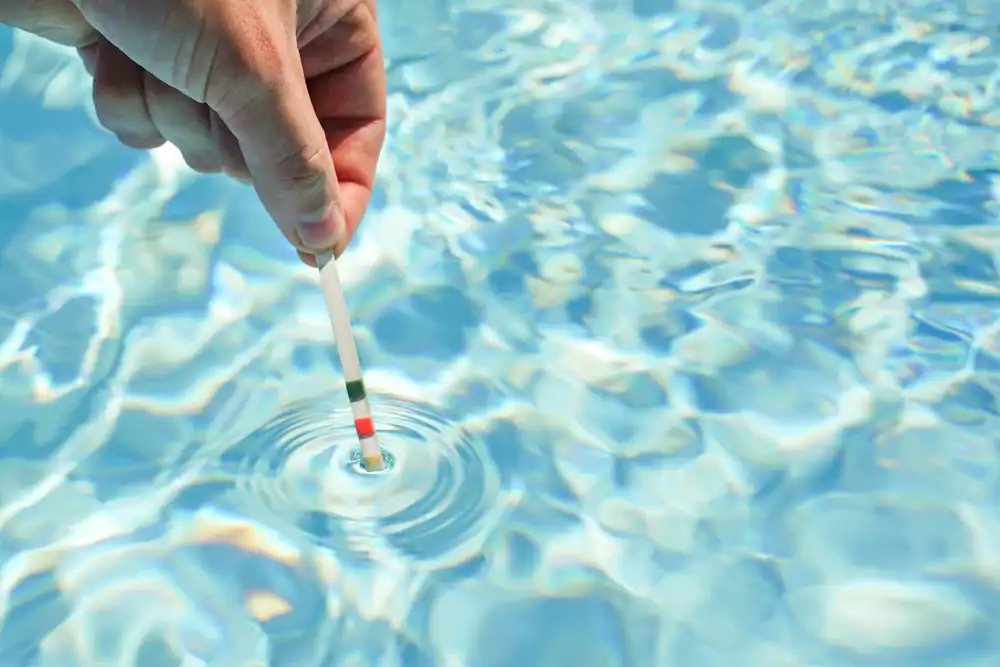
Accuracy and detail. Test strips give you a rough ballpark by matching colors on a chart. They’re better than nothing, but they’re not precise enough to catch problems early or tell you exactly how much of each chemical to add.
Professional water analysis uses calibrated lab equipment that measures exact levels—not color approximations. You’ll see the difference between a pH of 7.2 and 7.6, which matters because one prevents corrosion and the other starts eating away at your pool’s finish and equipment. Strips can’t make that distinction reliably.
We also test for more parameters than most home kits cover. Cyanuric acid, calcium hardness, total dissolved solids—these affect how well your chlorine works and whether your water is slowly damaging your pool. When you get a professional test, you’re getting the full picture of what’s happening in your water, plus specific instructions on what to do about it. Strips just tell you if you’re vaguely high or low on a couple of basics.
Because your pool isn’t a closed system. Every time it rains, you’re adding water that dilutes your chemical levels. Every time someone swims, they’re introducing oils, sweat, and sunscreen that your chlorine has to break down. Every hot day increases evaporation, which concentrates some chemicals while others degrade in UV light.
In South Georgia, afternoon thunderstorms are the biggest culprit. Two inches of rain can drop your chlorine level by half and throw your pH out of range. If you’re not testing after weather events, you’re reacting to problems days later instead of preventing them.
The other issue is adding the wrong chemical or the wrong amount based on inaccurate testing. If your pH is high and you add chlorine without fixing the pH first, that chlorine won’t work efficiently. You’ll keep adding more, wondering why your water’s still cloudy, when the real problem is the order you’re treating things. Professional testing tells you what to fix first and in what sequence, so you’re not chasing your tail or wasting money on chemicals that can’t do their job in unbalanced water.
Absolutely. Low pH turns your water acidic, which corrodes metal components in your pump, heater, and filter. You’ll see it first in small parts—screws, fittings, ladder anchors—but it doesn’t stop there. Over time, it etches your pool’s plaster finish and eats away at the heat exchanger in your heater, leading to leaks and total failure.
High pH does different damage. It allows calcium to precipitate out of the water and form scale buildup inside your pipes, on your tile, and throughout your filtration system. That scale restricts water flow, makes your pump work harder, and eventually clogs lines or damages impellers. It also creates a rough surface where algae loves to grow.
Chlorine that’s too high bleaches your pool’s finish and degrades rubber seals and gaskets. Too low, and you’re inviting algae and bacteria that clog your filter and force your system to run longer just to keep up. Every piece of equipment in your pool system is designed to work within a specific water chemistry range. When you’re outside that range for weeks or months, you’re shortening the lifespan of everything from your pump to your pool’s surface. Replacing a pump costs a lot more than regular water testing.
A clean plastic container with about a pint of pool water. A water bottle works fine as long as it’s been rinsed out and doesn’t have soap residue or anything else that could throw off the test.
Collect the sample from elbow-deep in your pool, away from return jets and skimmers. You want water that represents the bulk of your pool, not what’s actively being filtered or what’s sitting on the surface. If you’ve added chemicals in the last four hours, wait before sampling—give them time to circulate and mix fully, or your test will show inaccurate spikes.
Bring the sample in as soon as you can after collecting it. Water chemistry can shift if it sits in a hot car for hours or gets exposed to sunlight. Same-day testing gives the most accurate results. If you’ve had recent problems—cloudy water, algae, staining—let us know when you come in. That context helps us interpret the results and give you better guidance on what’s actually causing the issue and how to fix it for good, not just temporarily.
It’s actually free. No purchase required. No obligation to sign up for maintenance or buy chemicals from us. You bring in a sample, we test it, we give you the results and tell you what to do. That’s it.
We offer free testing because we’ve been in the pool business in South Georgia for over 30 years, and we know that most pool problems start with water chemistry that’s been off for too long. If we can help you catch issues early with accurate testing, you’ll have fewer expensive problems down the road. That’s good for you, and it builds trust with pool owners in Guysie and Coffee County who might need our help with bigger projects later.
We’re not trying to upsell you in the moment. If your water needs chemicals, we’ll tell you what to buy and how much—you can get it wherever you want. If your pool has a bigger issue that needs professional attention, we’ll be honest about that too. But the test itself costs you nothing, and there’s no pressure attached to it. We’re here to give you accurate information so you can make good decisions about your pool.
Other Services we provide in Guysie