Hear from Our Customers
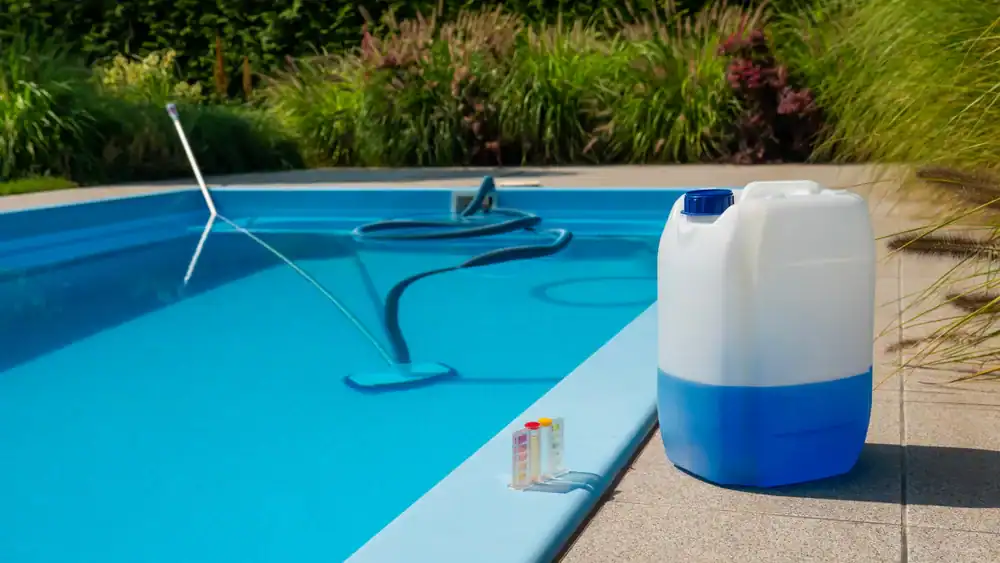
Most pool problems in Waycross don’t start with a green pool. They start with chemistry that drifted quietly for days pH climbing after a summer storm, chlorine burning off faster than you expected, calcium creeping up from the mineral-heavy water the Satilla Regional system delivers. By the time something looks wrong, the imbalance has already been doing damage.
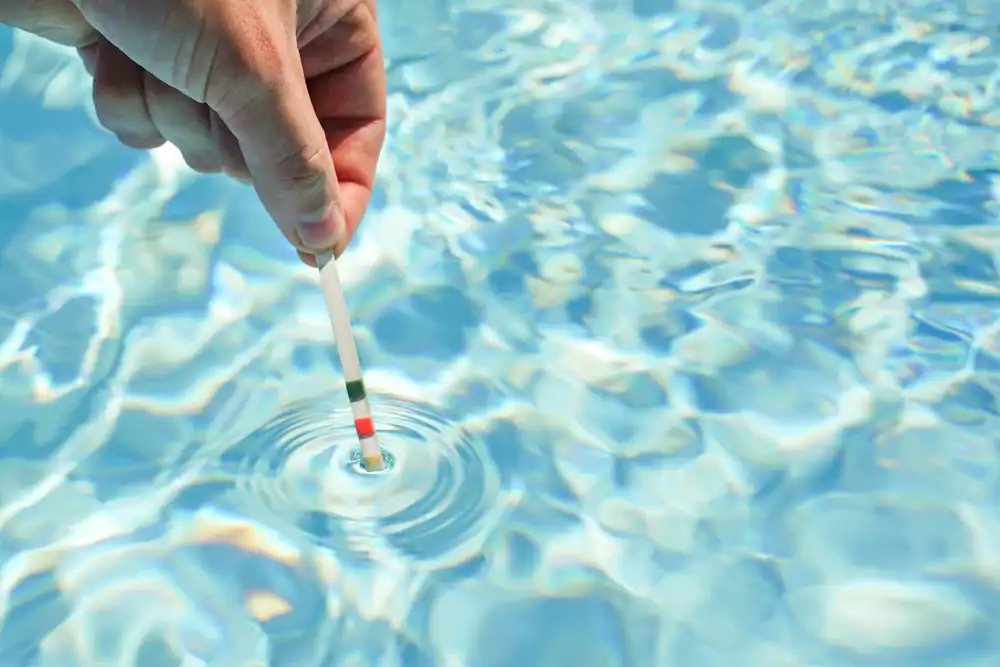
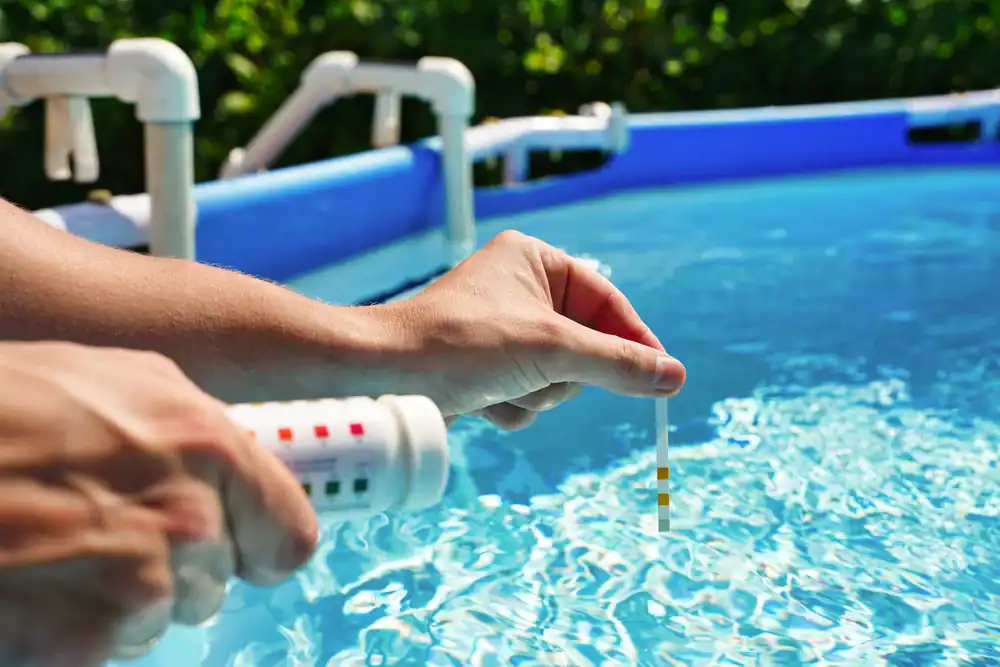
Professional water testing catches that drift before it costs you. Not with a color-matching strip you hold up to a card, but with digital analysis that measures every parameter that actually matters free chlorine, combined chlorine, pH, total alkalinity, calcium hardness, cyanuric acid, and total dissolved solids. That’s the full picture, not a partial one.
In a climate like Waycross humid subtropical, intense UV from June through August, and meaningful rainfall year-round pool chemistry doesn’t hold steady between weekly checks. It shifts. A pool that tested fine on Sunday can be borderline by Wednesday after a heavy rain dilutes your chemicals and drops your pH. When you know your actual numbers, you can respond to what’s real instead of chasing problems that have already escalated.
We’re based in Douglas, GA about 45 minutes up US-84 from Waycross and have been working in South Georgia’s pool market for over 30 years. That’s not 30 years of general pool experience. It’s 30 years of gunite and shotcrete pools in humid subtropical heat, groundwater-fed chemistry challenges, and the specific environmental conditions that make Ware County pools harder to maintain than the national average.
We built our company because too many South Georgia families were getting burned by contractors who couldn’t back up their work. Licensed, insured, and genuinely experienced in concrete pool construction from the ground up that background changes how a water test gets read. When you understand how a pool is built, you understand what the chemistry is actually telling you.
Waycross residents already drive to Douglas for work, shopping, and services. We make the trip the other direction bringing professional-grade water analysis directly to your pool, without the product-sales pressure of an in-store visit.
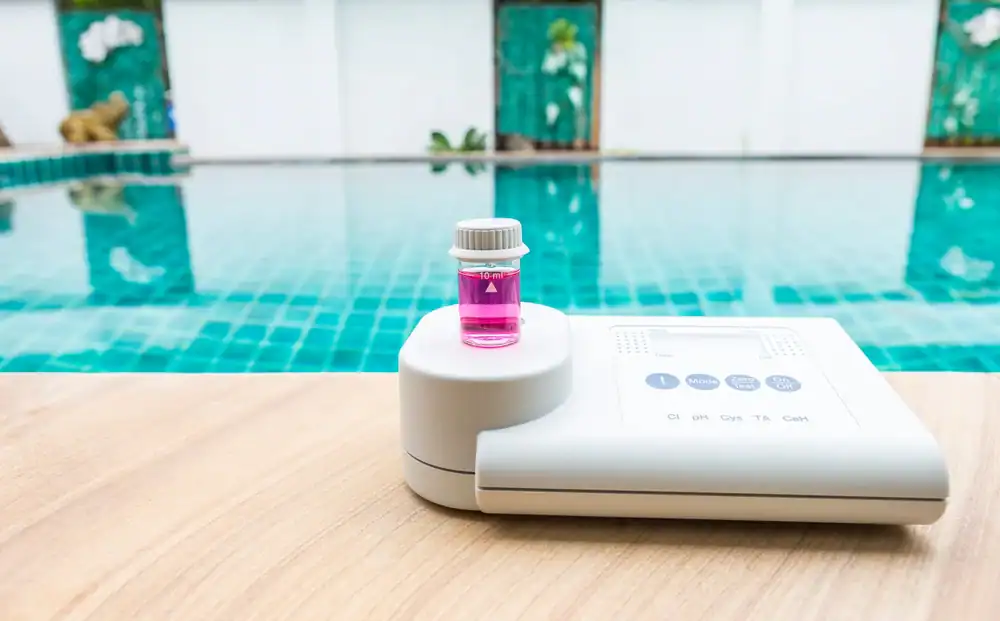
It starts at your pool not at a store counter. We bring the testing equipment to you, which matters more than it sounds. A water sample that gets transported to a store can shift in chemistry during transit, especially in Waycross’s summer heat. Testing on-site means the results reflect what’s actually in your water right now, not what it was 45 minutes ago.
Once the equipment is set up, every critical parameter gets measured: pH, free and combined chlorine, total alkalinity, calcium hardness, cyanuric acid, and total dissolved solids. Each number gets read against the specific context of your pool its surface type, its size, and the local conditions that affect it. Waycross’s groundwater-sourced municipal supply tends to carry higher mineral content than surface water systems, so calcium hardness and TDS readings get extra attention here. A pool that looks clear can still be slowly etching its own plaster if calcium levels are running low.
After the analysis, you get a plain-language explanation of what the numbers mean and exactly what needs to be corrected in what order, and why. No upsell list. No bag of chemicals handed to you at checkout. Just a clear correction plan that addresses the actual problem.
Ready to get started?
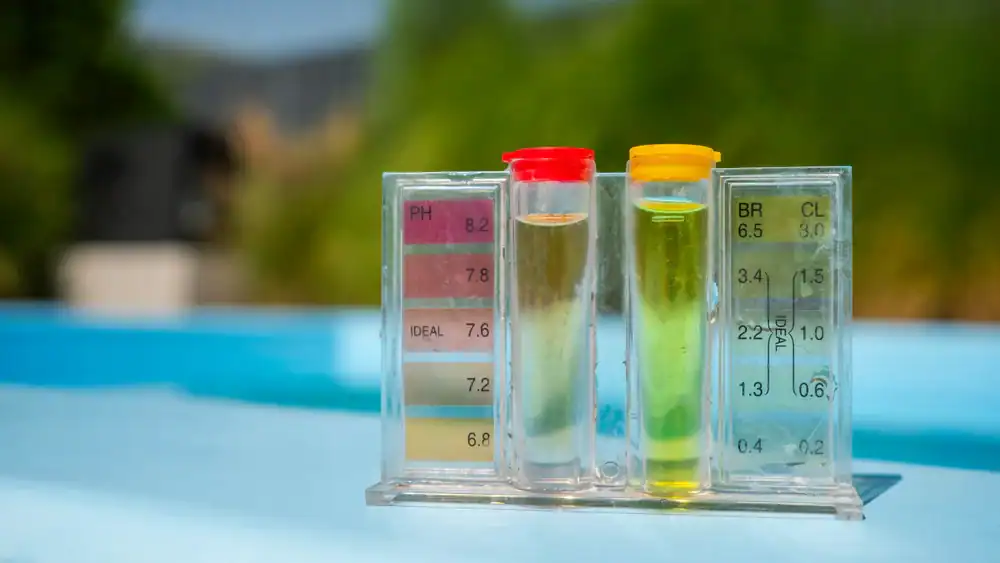
A professional water test from Deep Waters Pools covers the full chemistry picture not just the two or three things a basic kit measures. pH level balancing is always part of it, because when pH climbs above 7.8, chlorine loses roughly half its effectiveness even when the reading looks normal. That’s one of the most common reasons a pool in Waycross stays problematic through summer despite regular chemical additions.
Chlorine levels get measured as both free and combined chlorine. Combined chlorine chloramines builds up when organic matter enters the water and reacts with your sanitizer. Living near the Okefenokee means elevated pollen and organic particulates in the air year-round, and that load hits your pool constantly. If your pool smells strongly of chlorine but still has algae or irritates your eyes, combined chlorine buildup is likely the reason. Total alkalinity gets checked alongside pH because the two are closely linked alkalinity acts as a buffer that keeps pH from swinging wildly after rain events or heavy use.
Calcium hardness testing is especially critical for the gunite and shotcrete pools common throughout Ware County. Too low, and the water pulls minerals from your plaster surface causing pitting and early finish failure. Too high, and you get scaling, cloudy water, and clogged equipment. Cyanuric acid gets measured to confirm your chlorine is stabilized against South Georgia’s UV intensity. And total dissolved solids give a baseline for overall water health that no single-parameter test can replace.
For most Waycross pool owners, professional water testing every four to six weeks during the swim season is the right baseline but that’s the minimum, not the full picture. Waycross’s climate doesn’t give pool chemistry much room to drift before something goes wrong. High humidity, intense summer UV, and frequent rain events mean your water can shift significantly within days of a test that showed everything balanced.
After any major rain event, it’s worth getting your water checked again regardless of where you are in your regular schedule. Heavy rain dilutes your chemicals, lowers pH, and introduces organic matter all at once. In July and August, when Waycross rainfall peaks and temperatures are at their highest, that combination can produce visible algae growth within 24 to 48 hours. Treating a rain event as a chemistry trigger rather than just weather is one of the most practical adjustments Waycross pool owners can make.
This is the most common frustration we hear from pool owners in South Georgia, and the answer almost always comes down to pH. When your pool’s pH is running above 7.8 which happens easily in Waycross’s climate, especially after heat spikes and evaporation chlorine loses a significant portion of its sanitizing power. You can have a full dose of chlorine in the water and still grow algae, because the chemistry conditions won’t let it work.
The second factor is cyanuric acid, or stabilizer. South Georgia’s UV intensity is high enough that unprotected chlorine can be destroyed within a couple of hours of direct sun exposure. Without adequate cyanuric acid in the water, you’re essentially adding chlorine and watching it burn off before it can do its job. A professional test measures both of these parameters accurately something basic test strips can’t reliably do and gives you a correction plan that actually addresses the root cause instead of just adding more of the same chemicals.
Yes, and it’s one of the more overlooked factors for pool owners in Ware County. Waycross is served by the Satilla Regional Water and Sewer Authority, which draws from groundwater sources. Groundwater-fed systems typically carry higher mineral content than surface water systems including elevated calcium and, in some assessments, elevated manganese. Every time you top off your pool with local tap water, you’re introducing those minerals into your pool.
Over time, calcium hardness climbs. When it gets high enough, you start seeing cloudy water, white scaling on pool surfaces and waterline tiles, and reduced filtration efficiency. For gunite and shotcrete pools the concrete-based pools that are common throughout this area calcium hardness management is especially important because the surface itself is mineral-based. Running calcium too high or too low both cause damage, just in different ways. A professional test measures your actual calcium hardness level and tells you where you stand, so you’re not guessing based on how the water looks.
Total alkalinity is the chemistry buffer that keeps your pH from swinging around. Think of it as the stabilizing layer underneath pH when alkalinity is in the right range, pH holds steadier and is easier to manage. When alkalinity is too low, pH becomes erratic and hard to control. When it’s too high, pH tends to drift upward and gets difficult to bring back down, which then undermines your chlorine’s effectiveness.
In Waycross’s pool environment, alkalinity matters even more because of how frequently rain and heat push pH in different directions. A heavy summer rain lowers pH. Evaporation and heat push it back up. Without a solid alkalinity baseline, your pool is constantly chasing balance instead of holding it. A total alkalinity check is part of every professional water test we run not because it’s a nice-to-have, but because it’s the foundation that everything else depends on. Getting it right first makes every other adjustment easier and longer-lasting.
Consumer test strips give you a rough snapshot of two or three parameters usually pH and free chlorine with a color-matching system that has real accuracy limitations, especially at the high or low ends of each range. They won’t measure combined chlorine, cyanuric acid, calcium hardness, or total dissolved solids. For a pool in a straightforward environment with consistent conditions, strips might catch obvious problems. For a pool in Waycross, they miss too much.
Professional digital water analysis measures every parameter that affects your pool’s health, with precision that a color card can’t match. It also catches things that look fine on a strip but aren’t like combined chlorine buildup from organic load, or calcium hardness that’s slowly etching your plaster surface. The difference isn’t just accuracy; it’s the scope of what gets measured. In-store testing at a pool supply retailer is better than strips, but it comes with a built-in incentive to sell you products. An on-site professional test has no product attached to it just the actual numbers and what they mean.
Consistently, yes and the math is straightforward. A professional water test and chemistry correction costs a fraction of what reactive treatments run when a problem becomes visible. A single algae remediation shock, algaecide, clarifier, filter cleaning, re-testing can easily reach $200 to $500 in chemicals alone, not counting labor. Equipment damage from corrosive water, typically caused by low pH or low calcium hardness, can mean pump or filter repairs in the thousands.
The most expensive outcome is early resurfacing. For gunite and shotcrete pools which make up a large portion of the residential pools throughout Ware County improper calcium hardness management over time causes the water to leach minerals from the plaster surface. That leads to pitting, etching, and surface failure years before it should happen. A full pool resurfacing in South Georgia runs anywhere from $8,000 to $15,000 or more depending on the pool and finish type. Regular professional testing, done consistently through the swim season, is what prevents that outcome not by luck, but by catching the imbalance before it does structural damage.