
Hear from Our Customers
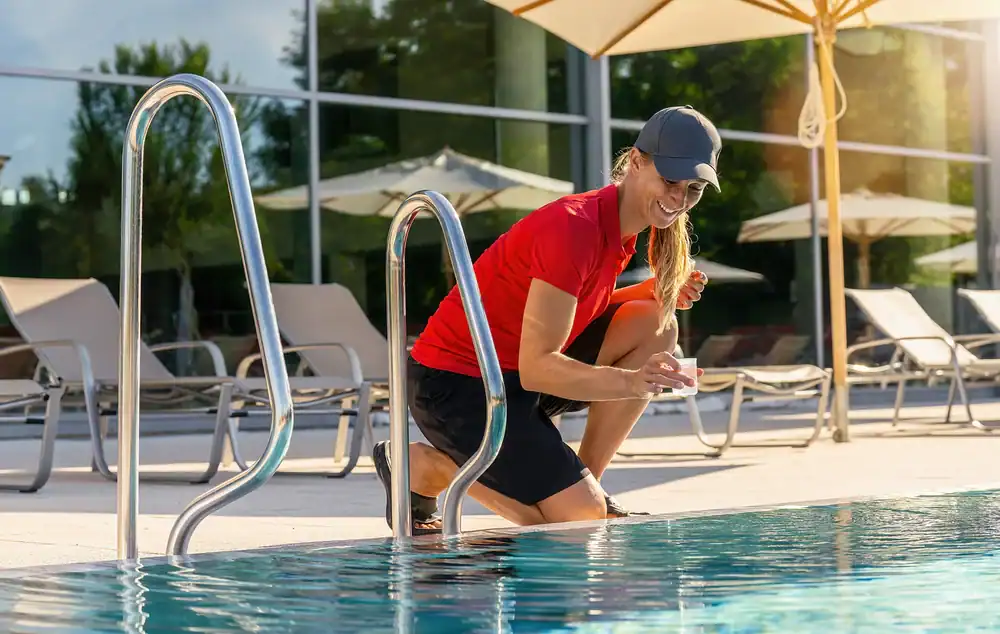
Home test strips miss things. They’re hard to read, they don’t test for everything that matters, and they leave you guessing whether you’re adding the right chemicals in the right amounts.
Professional water testing removes that uncertainty. You get precise readings on chlorine, pH, alkalinity, calcium hardness, and other factors that directly affect how safe and comfortable your pool is to swim in. More importantly, you get recommendations based on what those numbers actually mean for your specific pool.
Balanced water protects your equipment from corrosion and scale buildup. It prevents algae growth before it starts. It keeps swimmers comfortable without irritated skin or burning eyes. And it saves you money by helping you add only what’s needed—not what the bottle says to dump in.
This matters more during Georgia summers when heat accelerates chemical breakdown and heavy afternoon storms dilute everything you just balanced. Testing regularly means you’re staying ahead of problems instead of reacting to green water or cloudy conditions after they’ve already taken hold.
We’ve been building and maintaining pools across South Georgia since 2014, backed by over 30 years of hands-on experience in pool construction and water chemistry. We’re not a franchise following a script—we’re locals who understand how Winston’s water conditions and climate affect your pool throughout the year.
We offer free water testing because we’d rather see you maintain a healthy pool than deal with expensive repairs down the road. Imbalanced water damages equipment, etches surfaces, and creates environments where bacteria thrive. Catching those issues early costs you nothing and saves plenty.
When you bring in a sample, you’re getting analysis from people who’ve seen what happens when pool chemistry goes wrong—and more importantly, how to keep it right.
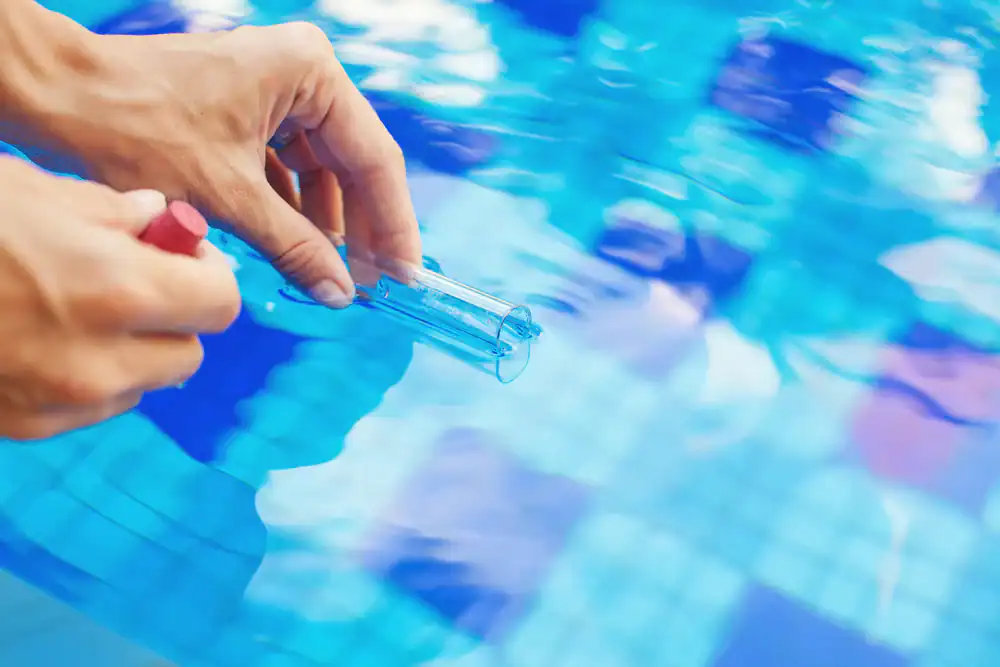
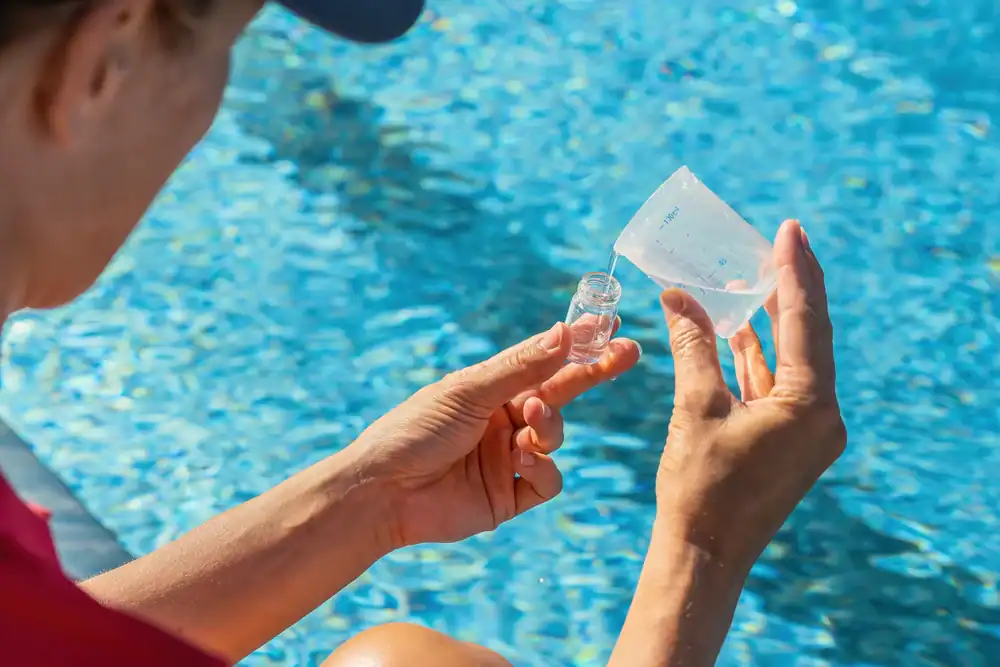
Collect a water sample from your pool in a clean container. You want water from about elbow-deep, away from return jets and skimmers, so you’re getting a representative sample of what’s actually in your pool—not just surface water or water that just came through your filter.
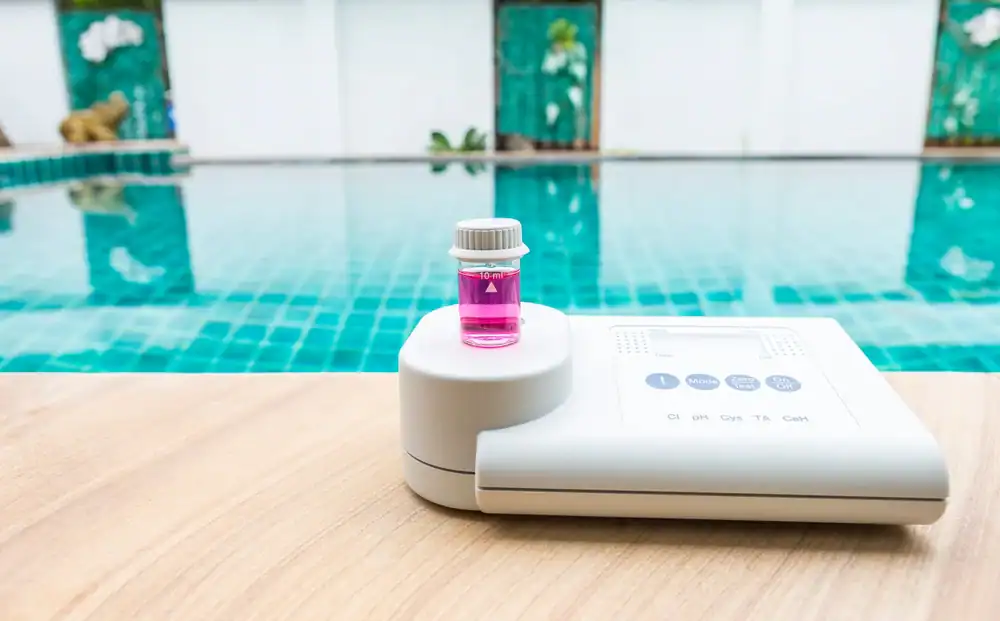
Bring that sample to us at Deep Waters Pools. We run it through professional testing equipment that measures chlorine levels, pH balance, total alkalinity, calcium hardness, and other factors that affect water quality and equipment longevity.
Within minutes, you’ll have results. We’ll walk you through what those numbers mean in plain terms—not chemistry class jargon. If your pH is climbing because of Winston’s water characteristics, we’ll explain why that happens and what brings it back down. If your calcium hardness is low and risking corrosion, you’ll know exactly what to add and how much.
You leave with a printout of your results and specific recommendations. No sales pitch, no pressure to buy anything you don’t need. Just clear information about your pool’s current condition and what it needs to stay balanced, safe, and comfortable for swimming.
Ready to get started?
Our water analysis service tests the factors that directly impact your pool’s safety, comfort, and equipment lifespan. Chlorine levels tell us whether your water can actually kill bacteria and prevent algae. Too low and you’re swimming in water that can’t sanitize itself. Too high and swimmers deal with irritated eyes and that harsh chemical smell.
pH balance affects everything else. High pH reduces chlorine effectiveness and causes calcium to fall out of solution, creating scale on your tile, equipment, and heater. Low pH turns your water corrosive, eating away at metal components, etching plaster, and making the water uncomfortable. Winston’s water tends to push pH upward, especially during summer, so this is something you’ll likely adjust regularly.
Total alkalinity acts as a pH buffer. When it’s in range, your pH stays stable. When it’s off, you’ll chase pH problems constantly. Calcium hardness protects your pool surfaces—too low and water pulls calcium from plaster and grout, too high and you get cloudy water and scaling.
We also check stabilizer levels, which protect chlorine from being destroyed by sunlight. Georgia sun is intense, and without adequate stabilizer, you’ll burn through chlorine faster than you can add it. During peak season, testing every week or two helps you catch shifts before they become problems. After heavy rain, pool parties, or any time your water looks off, bring in a sample. It’s free, it’s fast, and it gives you actual answers instead of expensive guesses.
During swimming season—roughly May through September in Winston—bring in a sample every week or two. That frequency lets you catch chemical drift before it causes visible problems like algae growth or cloudy water.
Outside of peak season, monthly testing is usually sufficient since you’re not dealing with as much swimmer load, intense sun, or afternoon storms that throw everything off balance. But if you notice anything unusual—water that looks dull, surfaces that feel slimy, or chlorine that seems to disappear faster than normal—test immediately regardless of your schedule.
You should also test after any major event: heavy rainstorms that dump several inches into your pool, pool parties with lots of swimmers, or any time you’ve had to add significant chemicals. These situations change your water chemistry quickly, and testing confirms whether your adjustments actually worked or if you need to do more.
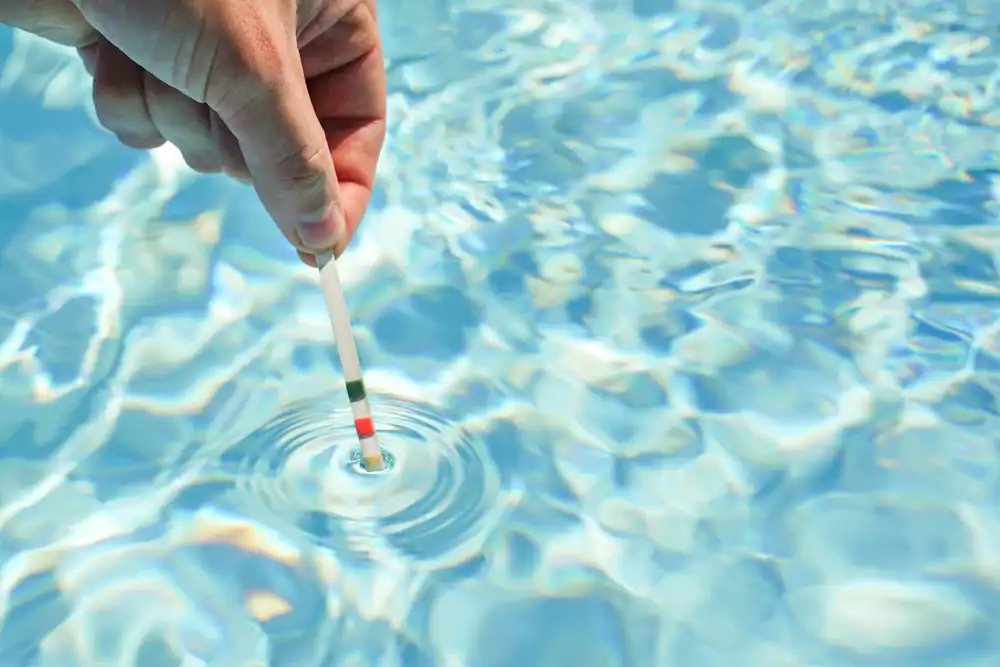
Home test strips check basic parameters—usually chlorine and pH, sometimes alkalinity. They’re convenient for quick checks between professional tests, but they’re not precise. Color matching is subjective, strips degrade if they’re exposed to humidity, and they don’t test for calcium hardness, stabilizer, or other factors that affect long-term pool health.
Professional water analysis uses calibrated equipment that measures exact values, not color approximations. We test a broader range of parameters and can spot trends that strips won’t catch—like stabilizer creeping too high or calcium levels that are heading toward problems.
Think of strips as a smoke detector and professional testing as a full inspection. Strips tell you something might be off. Professional testing tells you exactly what’s off, by how much, and what to do about it. Since our testing is free, there’s no reason to rely solely on strips when you can get accurate results and expert recommendations without spending anything.
Heat, sun, and rain all work against balanced water chemistry. Georgia summers mean intense UV exposure that breaks down chlorine faster—you can lose half your chlorine in a few hours of direct sunlight without adequate stabilizer. Higher water temperatures also speed up algae growth and increase how quickly swimmers introduce contaminants like sunscreen, sweat, and body oils.
Afternoon thunderstorms are the other major factor. A heavy rain can add hundreds of gallons of water to your pool, diluting every chemical you’ve carefully balanced. Rainwater also tends to be slightly acidic, which drops your pH and alkalinity. If you’re not testing after these storms, you’re guessing at what your water actually needs.
Increased usage during summer compounds everything. More swimmers means more organic material for chlorine to oxidize, more pH fluctuation from body chemistry, and faster depletion of sanitizer. This is why weekly testing matters during peak season—your water chemistry is constantly shifting, and small corrections are easier and cheaper than major rebalancing after problems develop.
Absolutely, and the damage adds up fast. Low pH creates acidic water that corrodes metal components in your heater, pump, and filter. It also etches plaster and dissolves grout between tiles. You’ll see pitting on metal parts, rough patches on plaster, and premature failure of equipment that should last years longer.
High pH does the opposite kind of damage. It causes calcium to precipitate out of solution, forming scale deposits on your tile line, inside your heater, and throughout your plumbing. Scaled heaters lose efficiency and eventually fail. Scaled pipes restrict water flow, making your pump work harder and shortening its lifespan.
Calcium hardness that’s too low makes your water aggressive—it will pull calcium from any available source, including your pool’s plaster and grout. Too high and you get cloudy water and scaling. Both extremes cost you money in repairs and resurfacing. Regular water testing catches these imbalances while they’re easy to fix with simple chemical adjustments, not expensive equipment replacement or surface repairs.
Clear water doesn’t mean safe or balanced water. You can have perfectly transparent water with pH levels that are corroding your equipment or chlorine levels too low to kill bacteria. This is exactly why testing matters—you’re measuring things you can’t see.
If your test reveals issues despite clear water, address them before they become visible problems. Low chlorine might not show algae yet, but it will. High pH might not show scale yet, but it’s forming. Off-balance water is easier and cheaper to correct before it causes damage or turns into a water quality crisis.
Follow the recommendations from your test results. Adjust chemicals in the amounts specified, wait a few hours for them to circulate and take effect, then test again to confirm you’ve hit your targets. Sometimes one adjustment does it. Other times you need to make corrections in stages—like bringing down high pH gradually rather than all at once. We’ll walk you through what your specific situation needs so you’re not overcorrecting and creating new problems.
Yes, especially after a full or partial refill. Fresh fill water in Winston has its own chemistry—usually different pH, alkalinity, and calcium hardness than what your pool needs. Starting with a test tells you exactly what you’re working with instead of assuming the water is neutral and balanced.
If you’ve partially refilled after draining for repairs or lowering the level after heavy rain, testing shows how that fresh water affected your overall chemistry. Even a few inches of new water can shift your numbers enough to require adjustments.
After a complete refill, you’re essentially starting from scratch. Testing before you add any chemicals prevents you from over-treating or under-treating based on guesswork. You’ll know your starting pH, alkalinity, and hardness levels, which tells you exactly what and how much to add to reach proper balance. This approach saves money on chemicals and gets your pool swimmable faster with water that’s actually safe and comfortable.
Other Services we provide in Winston