Your pool is showing its age. Rough surfaces, stubborn stains, and rising energy bills are more than cosmetic issues—they're warning signs your backyard investment needs attention.
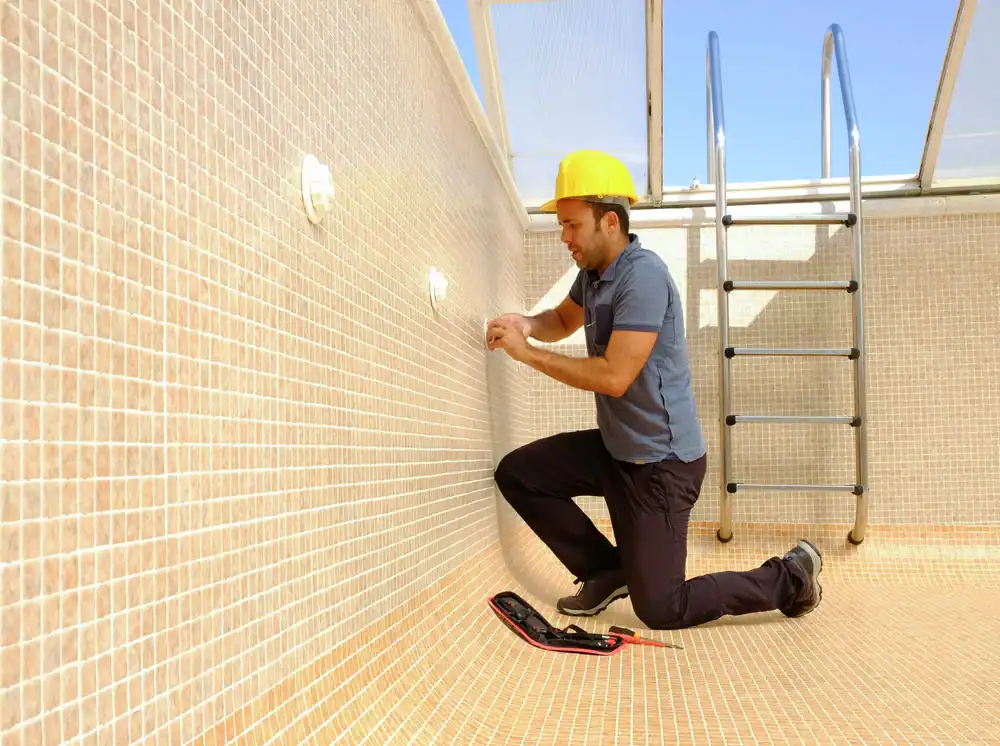
You walk out to your pool and something feels off. Maybe the surface is rougher than you remember. Maybe your electric bill keeps climbing. Or maybe you’re just tired of looking at faded tile and outdated lighting that makes evening swims feel more like a chore than a retreat.
These aren’t just annoyances. They’re your pool telling you it needs help. And the longer you wait, the more expensive those whispers become.
Regular pool maintenance can identify issues like worn surfaces, inefficient equipment, or water balance problems before they turn into costly repairs. Whether you’re dealing with structural concerns, safety issues, or equipment that’s costing you money every month, recognizing these signs early can save you from major headaches and even bigger repair bills. Let’s walk through what to watch for.
The surface of your pool takes a beating. Sun exposure, chemicals, and constant water contact gradually wear down even the best finishes. When that protective layer starts to fail, you’ll know.
Rough patches are usually the first sign. If you or your kids are complaining about scratchy feet or avoiding certain areas of the pool, the plaster or aggregate has likely eroded. This isn’t just uncomfortable—it’s a sign the surface is breaking down and leaving the underlying structure exposed.
Stains that won’t budge are another red flag. A little discoloration happens to every pool, but when you’re scrubbing the same spots week after week with no improvement, the finish has become porous. It’s absorbing minerals, metals, and organic matter instead of protecting against them. At that point, no amount of cleaning will bring it back.
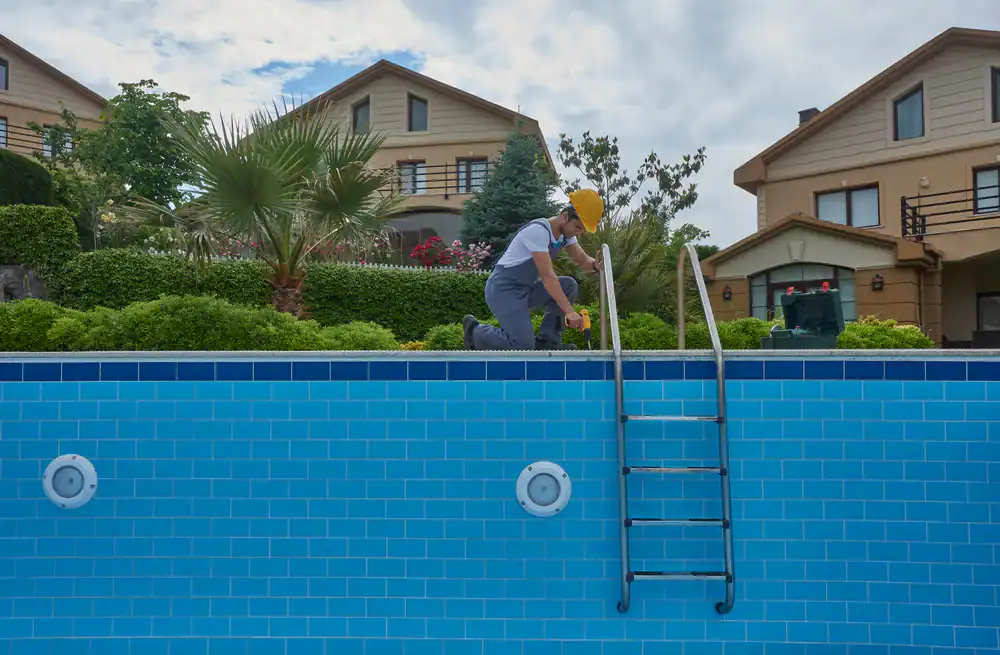
Not all cracks mean disaster, but you can’t afford to ignore them. Hairline cracks might just be surface-level wear, especially if your pool is older. They’re not ideal, but they’re manageable. Deeper cracks are a different story.
If you see cracks that are widening, branching out like spider webs, or running vertically down the walls, water is likely getting behind your pool’s shell. That’s when things get expensive. Water seepage can undermine the structural integrity of your pool, leading to shifting, more cracks, and eventually, major repairs that go way beyond resurfacing.
Here’s a simple test: if you can fit the edge of a credit card into the crack, it’s deeper than surface level. If you’re noticing water loss that you can’t explain through evaporation or splashing, the crack may be leaking. Both scenarios mean it’s time to call in a professional before the problem spreads.
Georgia’s clay soil and temperature swings don’t help. Freeze-thaw cycles—even mild ones—put stress on concrete. If your pool was built decades ago without modern reinforcement techniques, cracks are almost inevitable. The good news is that catching them early and investing in proper pool resurfacing can add another 10 to 15 years of life to your pool. The bad news is that waiting turns a manageable restoration project into a major structural repair.
Pay attention to where the cracks appear. Cracks near steps, benches, or around fittings often indicate weak spots where materials weren’t bonded correctly during construction. These areas are more prone to failure and should be addressed during any pool restoration services. If you’re seeing multiple cracks in different areas, or if the cracks are accompanied by rough texture or flaking plaster, you’re past the point of minor touch-ups. Professional pool resurfacing becomes necessary to protect your investment and prevent further damage to the shell.
A rough pool surface isn’t just unpleasant—it’s a sign your pool’s protective barrier is failing. When plaster erodes from chemical imbalance or age, it exposes the aggregate underneath. That’s when you start feeling sandpaper under your feet and seeing white calcium deposits building up.
Flaking or peeling plaster, also called spalling, happens when the bond between the plaster and the pool shell breaks down. This is often caused by improper water chemistry—specifically, low pH or calcium levels. When water becomes too acidic, it literally dissolves the calcium compounds in your plaster. You’ll first notice it around the waterline or on steps where water movement is highest.
Once spalling starts, it accelerates. Small flakes become large patches. Those patches create more surface area for algae to cling to, making your pool harder to keep clean. You’ll use more chemicals, spend more time brushing, and still end up with a pool that looks dingy no matter what you do.
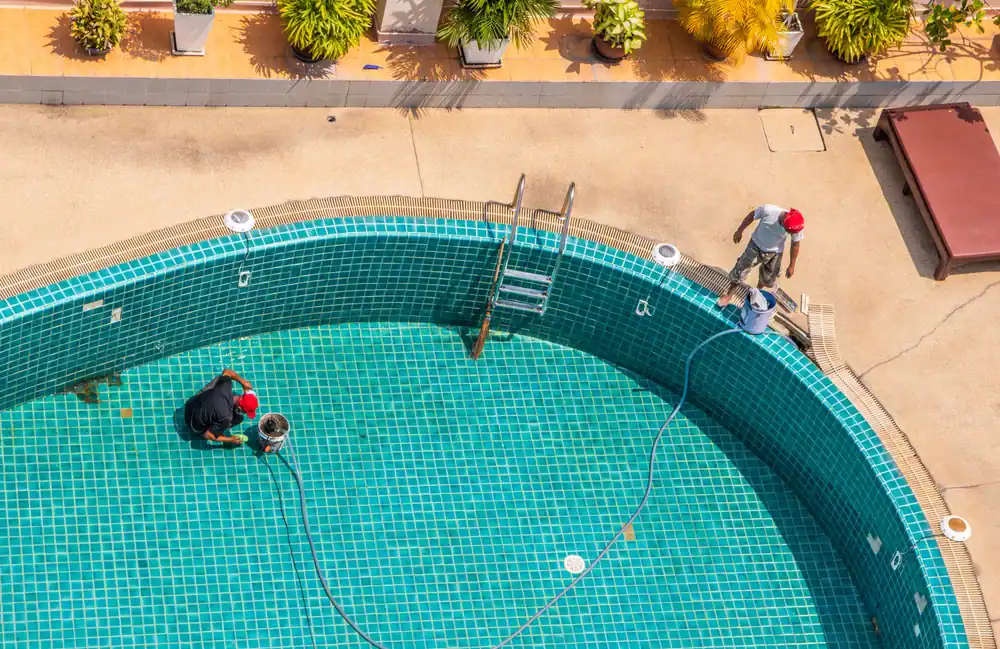
Pool tile repair often goes hand-in-hand with resurfacing work. Loose, cracked, or missing tiles around the waterline aren’t just cosmetic issues. They expose the bond beam and shell to water damage. When tiles fail, water seeps behind them, weakening the adhesive and allowing more tiles to pop off. Before long, you’ve got a cascading problem that affects both appearance and structural integrity. Addressing pool tile repair during restoration prevents this domino effect and gives you a cohesive, finished look.
The real problem is what’s happening beneath the surface. When plaster fails, water reaches the gunite or concrete shell. Concrete is porous, so water seeps in, carrying chemicals with it. Over time, this can corrode rebar, weaken the shell, and create voids that lead to structural failure. What started as a cosmetic issue becomes a safety concern.
Resurfacing addresses all of this. A new finish restores the smooth surface, reestablishes the waterproof barrier, and gives you a fresh start with proper water chemistry. Modern finishes like pebble or quartz aggregate last significantly longer than traditional plaster—often 15 to 20 years compared to 7 to 12 for standard plaster. That’s fewer resurfacing projects over the life of your pool and less hassle for you.
If you’re in Coffee County, GA and dealing with rough surfaces, flaking plaster, or damaged tile, don’t wait. The longer you put it off, the more damage occurs beneath the surface. A professional assessment can tell you exactly what’s needed and give you a clear timeline and budget for restoration.
Want live answers?
Connect with a Deep Waters Pools expert for fast, friendly support.
Your pool equipment might be working fine, but that doesn’t mean it’s working efficiently. If your pump, heater, or lighting system is more than 10 years old, you’re almost certainly spending more on electricity than you need to.
Single-speed pumps are the biggest culprit. They run at full power all the time, whether they’re circulating water for filtration or just maintaining chemical balance. Variable-speed pumps, on the other hand, adjust their speed based on what’s actually needed. The energy savings are dramatic—up to 90% in some cases. That’s not a typo. Upgrading your pump can cut your pool’s electricity use by more than half.
Old lighting is another energy drain. If you’re still using incandescent or halogen bulbs, you’re using five to ten times more electricity than you would with LEDs. Modern pool lighting with LED technology lasts for years and gives you better light quality with more color options. It’s one of the easiest energy-efficient equipment upgrades to justify.
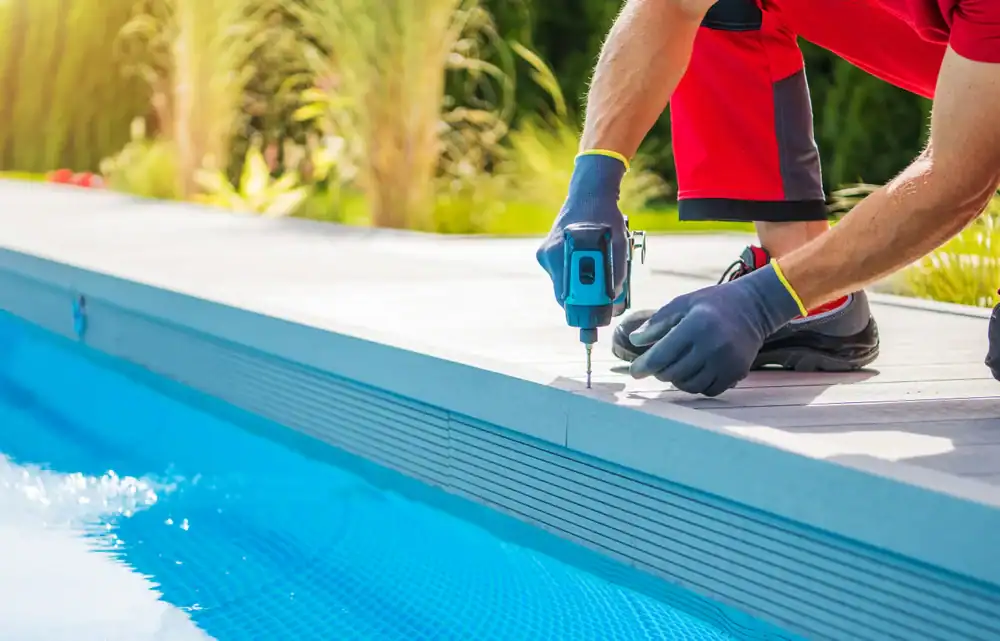
Let’s talk real numbers. A traditional single-speed pump running 8 hours a day can cost you $50 to $100 per month in electricity, depending on your local rates. A variable-speed pump doing the same work typically costs $10 to $20 per month. Over a year, that’s $500 to $800 back in your pocket. Over the 10-year lifespan of the pump, you’re looking at $5,000 to $8,000 in savings.
The reason variable-speed pumps are so efficient comes down to physics. Cutting the speed in half doesn’t just cut energy use in half—it cuts it by about 87%. That’s because the power required to move water increases exponentially with speed. So by running your pump at lower speeds for longer periods, you get the same filtration with a fraction of the energy.
Many utility companies in Georgia offer rebates for installing variable-speed pumps because they reduce strain on the power grid. Check with your provider—you might get a few hundred dollars back on top of the energy savings. Some counties even require variable-speed pumps for new pool installations now, so if you’re planning any major pool restoration services , it’s worth making the switch as part of your overall upgrade.
LED pool lighting is equally impressive. A single incandescent pool light can use 300 to 500 watts. An LED light delivering the same brightness uses 40 to 60 watts. If you run your pool lights for 4 hours every evening, that’s a difference of about $15 to $25 per month per light. If you have multiple lights, the savings add up fast.
Beyond the cost savings, modern pool lighting with LEDs gives you options. You can change colors, set schedules, and even sync lights to music if you want to get fancy. They last 25,000 hours or more, which means you’ll replace them once every decade instead of once a year. And because they produce very little heat, they’re safer and more comfortable to have around the pool area.
Automation systems tie everything together. With a modern pool controller, you can schedule your pump to run during off-peak hours when electricity is cheaper, turn lights on and off remotely, and monitor your system from your phone. You’re not just saving energy—you’re making pool ownership easier. These energy-efficient equipment upgrades work together to reduce your monthly costs while improving your overall pool experience.
Georgia’s climate is great for swimming, but it also means your pool equipment works hard for a long season. An inefficient heater can be one of your biggest energy expenses, especially if you’re trying to extend your swim season into spring and fall.
Old gas heaters are fast but expensive to run. They burn through fuel quickly and lose a lot of heat in the process. If your heater is more than 10 years old, it’s probably operating at 70% to 80% efficiency at best. Newer high-efficiency gas heaters operate at 85% efficiency or higher, meaning more of the fuel you’re paying for actually heats your pool.
Heat pumps are even better for Georgia’s mild climate. Instead of generating heat by burning fuel, they extract warmth from the air and transfer it to your pool water. In temperatures above 50 degrees, they’re incredibly efficient—often three to five times more efficient than gas heaters. The trade-off is speed. Heat pumps take longer to warm your pool, but if you’re maintaining a consistent temperature rather than heating on demand, they’re the smarter choice.
Solar heating is another option worth considering. Georgia gets plenty of sun, and solar panels can offset a significant portion of your heating costs. They work best when paired with a heat pump for cooler nights or cloudy stretches, but the combination gives you year-round swimming capability without the ongoing fuel costs.
The other piece of the efficiency puzzle is your pool cover. If you’re heating your pool without covering it, you’re wasting most of that heat to evaporation. A simple solar cover can reduce heat loss by 70% or more and cut your heating costs almost in half. It’s a low-tech solution that pays for itself in a single season.
Safety fence installation is another critical consideration that homeowners in Coffee County, GA can’t afford to overlook. Georgia law requires pool barriers to be at least 4 feet tall with self-closing, self-latching gates. If your pool doesn’t have proper fencing, you’re not just risking fines—you’re creating a liability risk. Drowning is one of the leading causes of accidental death for children under five, and a compliant barrier is your first line of defense. If your current fence is deteriorating, doesn’t meet code, or was never installed properly, safety fence installation should be part of your restoration plan.
If your current setup includes an old heater, outdated pump, insufficient safety barriers, and no automation, you’re probably spending two to three times what you should on pool operation while exposing yourself to unnecessary risk. A comprehensive equipment upgrade combined with proper safety fence installation can bring those costs down dramatically while making your pool safer and easier to manage. In Coffee County, GA, where pools get used heavily from April through October, those improvements add up to real money and genuine peace of mind.
Your pool is an investment. When it starts showing signs of wear—rough surfaces, cracks, stubborn stains, damaged tile, or equipment that’s draining your wallet—those aren’t problems to ignore. They’re opportunities to restore what you have before small issues become expensive disasters.
Pool resurfacing, pool tile repair, energy-efficient equipment upgrades, modern pool lighting, and safety fence installation don’t just fix what’s broken. They give you a pool that’s safer, more efficient, and more enjoyable to use. You’ll spend less time worrying about maintenance and more time actually using your backyard.
If you’re seeing any of the signs we’ve covered, the next step is a professional assessment. We’ve been helping families in Coffee County, GA restore and upgrade their pools for years, bringing decades of hands-on experience to every project. Whether you need resurfacing, modern equipment, updated lighting, pool tile repair, or safety fencing, we can walk you through your options and give you a clear path forward.
Summary:
Share: