The pool design landscape is shifting toward smarter systems, luxury features, and sustainable choices that actually fit how you live and entertain.
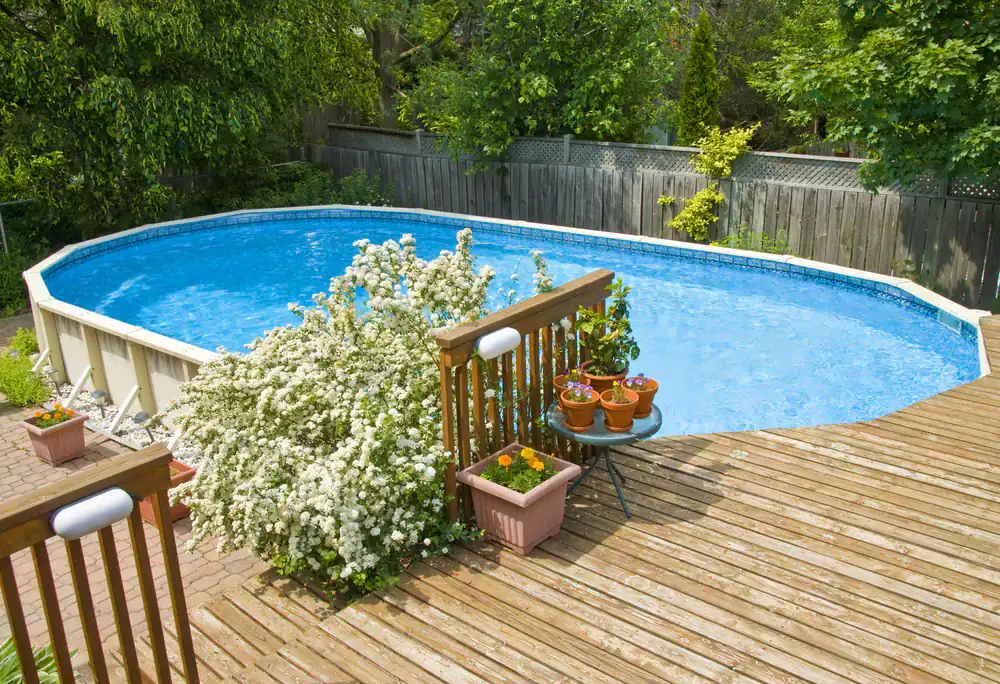
The biggest shift happening in pool design right now isn’t visual. It’s technological. Smart pool technology has moved from luxury add-on to standard expectation, and for good reason.
You’re busy. The last thing you want is to spend your evenings manually adjusting chemicals, checking temperatures, or setting timers. Modern pool automation handles that for you. App-based controls let you manage your pump, heater, lights, and filtration from your phone—whether you’re at work in Douglas County, GA or on vacation hours away.
Set-and-forget automation is becoming the norm on new pool builds. Your pool can practically maintain itself, adjusting schedules to avoid peak electricity rates and monitoring water chemistry in real time. That’s not just convenient. It’s smarter use of your time and your money, especially during Georgia’s long swimming season.
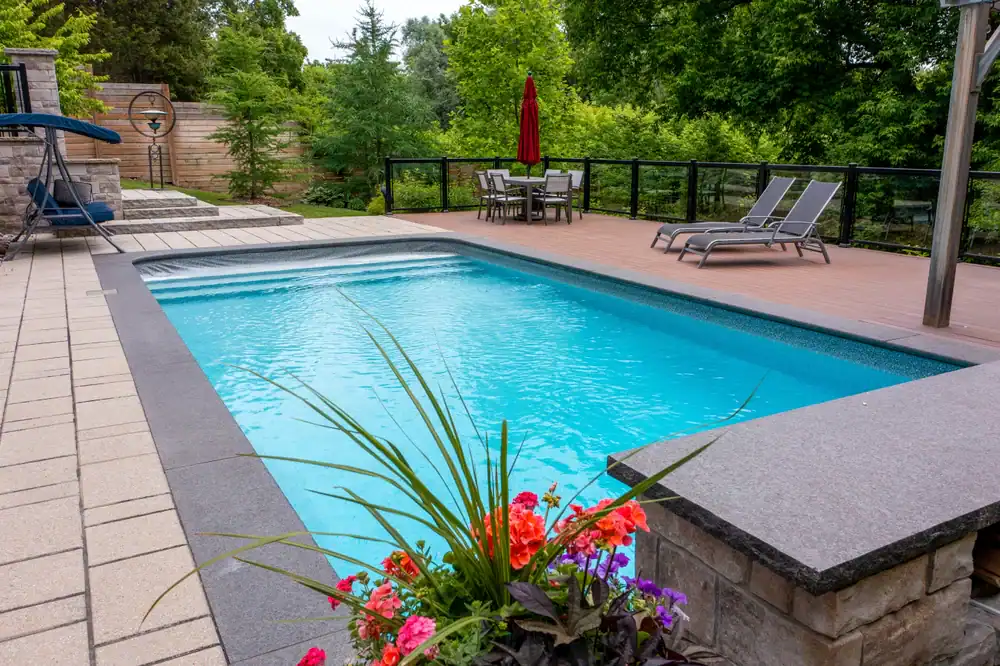
Let’s talk about what smart pool technology looks like when you’re actually using it. You’re not dealing with complicated systems or constant troubleshooting. You’re getting straightforward control over everything that matters.
Most systems connect to your home’s Wi-Fi and sync with an app on your phone. From there, you can turn on the heater before you get home, adjust the pool lights for an evening gathering, or start a cleaning cycle while you’re asleep. The interface is intuitive because it has to be—nobody wants to read a manual just to turn on their pool.
The real value shows up in the details. Variable-speed pumps adjust their output based on what your pool actually needs at any given moment, cutting energy use without you lifting a finger. Water chemistry monitors send alerts when something’s off, so you can fix small issues before they become expensive problems. Scheduling features let you program everything once and forget about it.
For families in Douglas County, GA, this means your pool stays crystal clear and ready to use without the daily maintenance routine. You’re not testing water every morning or manually running equipment. The system handles it, and you get notifications only when your attention is actually needed.
Integration with voice assistants like Alexa or Google Home takes it even further. You can adjust settings with a simple command while you’re grilling dinner or getting ready for guests. It’s the kind of convenience that changes how you interact with your outdoor space—less like managing equipment, more like enjoying what you built it for.
The upfront cost of pool automation might give you pause, but the time saved and energy efficiency typically pay it back. More importantly, it removes friction from pool ownership. When using your pool is as easy as opening an app, you use it more. That’s the whole point.
Smart pool technology isn’t just about convenience. It’s about cutting costs in ways that add up over months and years. If you’re paying attention to your utility bills—and in 2026, who isn’t—automation makes a measurable difference.
Traditional pool equipment runs on fixed schedules regardless of whether it needs to. A single-speed pump operates at full power even when your pool only needs light circulation. Heaters stay on longer than necessary. Lights run until you remember to turn them off. All of that wastes energy and drives up your monthly costs.
Smart systems optimize everything. Variable-speed pumps are the backbone of modern efficiency, using up to 75% less energy than older single-speed models by adjusting their output to match actual demand. Your pool needs more circulation during heavy use and less overnight. Automation handles that transition without you programming anything.
Scheduling features let you run equipment during off-peak hours when electricity rates are lower. In Georgia, that can mean significant savings during summer months when pools get the most use. Heaters reach your target temperature and then maintain it precisely, avoiding the energy waste that comes from overshooting or constant cycling.
Water chemistry automation reduces chemical waste by making small, regular adjustments instead of dumping in large doses when levels get out of balance. That’s better for your wallet and better for anyone swimming in the pool. Proper chemical balance also extends the life of your equipment and surfaces, avoiding costly repairs or resurfacing down the line.
LED lighting controlled through smart systems uses a fraction of the energy compared to traditional pool lights, and you can program them to turn off automatically after a set time. It’s a small thing, but those small things compound.
The real win is that all these efficiencies happen in the background. You’re not sacrificing comfort or usability. Your pool is cleaner, warmer when you want it, and costs less to operate. That’s the kind of upgrade that makes sense whether you’re building new or retrofitting an existing pool.
For homeowners in Douglas County, GA planning long-term, energy-efficient equipment isn’t just trendy—it’s financially smart. The initial investment in automation and modern pumps typically pays for itself within a few years through lower operating costs, and you’re left with a pool that’s easier to own and more enjoyable to use.
Want live answers?
Connect with a Deep Waters Pools expert for fast, friendly support.
If you’re looking at pool designs for 2026, you’ll notice clean lines dominating the landscape. Rectangular and geometric shapes aren’t new, but the way they’re being executed is. These pools anchor modern backyards because they work with contemporary architecture and offer practical advantages that freeform shapes don’t.
Geometric pools fit automatic covers perfectly, maximize usable swimming space, and create a sophisticated look that ages well. But here’s what’s changed: designers are softening those hard edges with integrated features that add functionality without cluttering the visual. Rounded interior corners, offset spas, and built-in tanning ledges transform a simple rectangle into a multi-use space.
The appeal goes beyond aesthetics. Geometric layouts are easier to maintain, more efficient to heat, and provide better sight lines for supervision. For families with kids, that last point matters. You can see the entire pool from one vantage point, which isn’t always true with kidney shapes or elaborate curves.
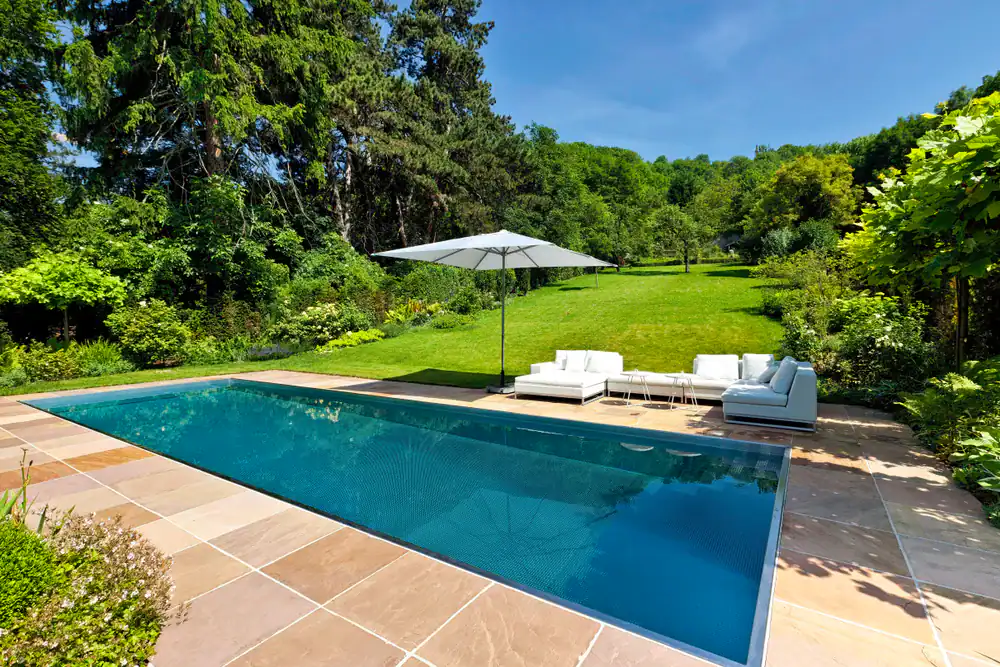
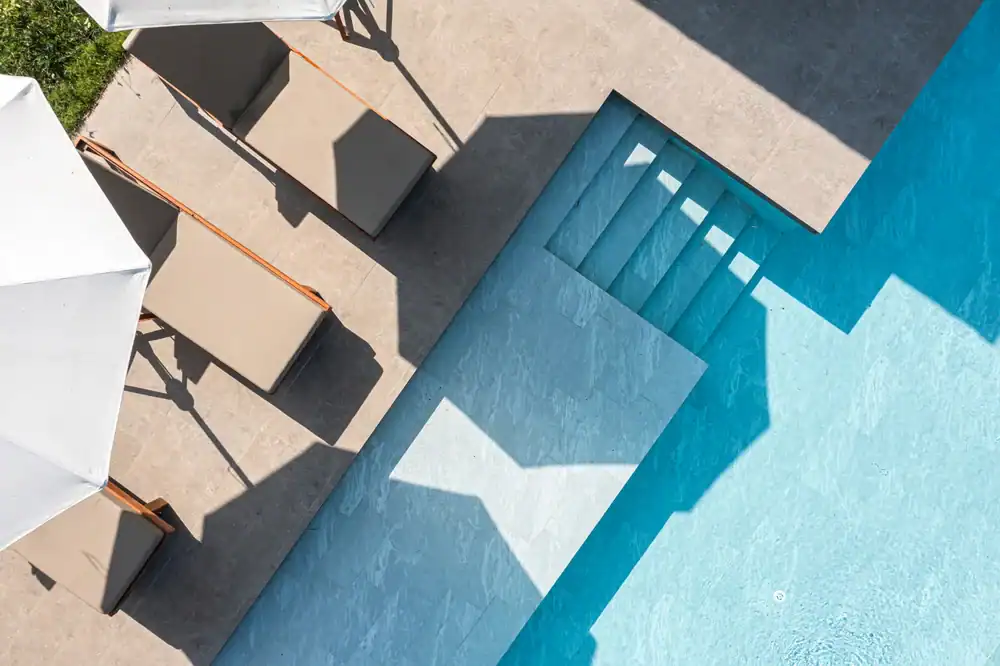
One of the most requested features in 2026 pool designs is the Baja shelf—also called a sun shelf or tanning ledge. If you haven’t seen one, picture a wide, shallow platform built into the pool entry, typically sitting 6 to 18 inches below the water’s surface.
Baja shelves solve multiple problems at once. They give you a place to lounge in the water without fully committing to swimming. You can set up chairs, read a book, or just cool off while staying mostly dry. For families, they create a safe, shallow area where young kids can play under supervision without venturing into deeper water.
The design flexibility is another draw. You can build a Baja shelf along one side of the pool, across the entire entry, or even in the middle as a raised platform. Some homeowners add umbrella sleeves for shade, bubblers for water movement, or specialty tile to create a visual focal point. The shelf becomes a gathering spot during parties and a quiet retreat when you want solitude.
Functionally, Baja shelves work particularly well in Georgia’s climate. The shallow water heats up faster than the main pool, making it comfortable earlier in the season and later into fall. You’re extending your usable pool time without adding a separate heating system for that area.
Installation during new construction is straightforward—it’s built into the pool shell from the start. If you’re considering this feature, think about depth. A 6-inch shelf keeps water around your legs while seated, perfect for small children and pets. A 12-inch depth brings water to your midsection, offering more cooling. An 18-inch shelf submerges you to shoulder level when sitting, which some people prefer for full relaxation.
The cost varies based on size and added features, but Baja shelves typically add value that exceeds their installation expense. They’re one of those upgrades that homeowners consistently say they’d include again if building a second pool.
Sunken lounge areas take this concept further by creating dedicated seating zones built into the pool walls. Instead of a flat shelf, you get contoured seats or benches positioned at comfortable depths for conversation. These work especially well in L-shaped or rectangular pools where you can dedicate one section to lounging and another to active swimming.
The trend toward built-in relaxation zones reflects a broader shift in how people use their pools. It’s not just about laps or playing Marco Polo anymore. Pools are becoming outdoor living rooms—places where you spend hours socializing, reading, or simply being comfortable. Baja shelves and lounge areas support that lifestyle without requiring additional furniture or equipment.
Infinity edge pools create an illusion that stops people in their tracks. The water appears to extend endlessly into the horizon, vanishing over an invisible edge. It’s dramatic, sophisticated, and surprisingly functional for properties with the right topography.
The effect works by allowing water to spill over one or more edges into a hidden catch basin below, where it’s filtered and recirculated back into the pool. When executed properly, the vanishing edge blends seamlessly with the surrounding landscape—whether that’s a view of rolling hills, a lake, or even a well-designed backyard.
Not every property is suited for an infinity edge. You need elevation changes or a scenic backdrop to make the design work. Flat lots don’t provide the visual payoff that makes the engineering complexity worthwhile. But if you have a sloped yard or elevated position, an infinity edge transforms your pool into an architectural centerpiece.
The technical requirements are significant. Precision engineering ensures the edge remains perfectly level so water flows evenly. The catch basin must be sized correctly to handle overflow without running dry or flooding. Pumps need enough capacity to recirculate the water smoothly. This isn’t a DIY feature—it requires experienced builders who understand the hydraulics and structural demands.
For homeowners in Douglas County, GA with properties that have natural elevation, infinity edges offer a way to highlight your lot’s best feature. The pool doesn’t compete with the view; it enhances it. During sunrises and sunsets, the effect is particularly striking as the water reflects changing light.
Maintenance is slightly more involved than a standard pool because you’re managing two bodies of water—the main pool and the catch basin. Both need proper chemical balance and cleaning. The additional equipment means more components that could need service over time. But for many homeowners, the visual impact and property value increase justify the extra attention.
Cost is higher than traditional pool edges due to the engineering, additional plumbing, and catch basin construction. You’re looking at a premium feature that makes sense when the site supports it and your budget allows for the investment. It’s not the right choice for every project, but when conditions align, an infinity edge delivers a wow factor that few other pool features can match.
Combining an infinity edge with other modern features—like dark plaster finishes that create reflective depth or integrated lighting that highlights the overflow—takes the design even further. The result is a pool that feels less like a backyard addition and more like a destination.
The pool design trends shaping 2026 aren’t about following what’s popular for popularity’s sake. They’re about choosing features that make your pool more useful, easier to maintain, and better suited to how you actually live. Smart automation saves time and money. Geometric shapes with Baja shelves create spaces the whole family uses. Infinity edges and natural stone finishes add lasting visual appeal.
What matters most is that your pool fits your property, your budget, and your lifestyle. Trends give you a starting point, but the best design choices come from understanding what you need and working with builders who know how to deliver it in Douglas County, GA’s specific climate and terrain.
If you’re ready to explore what’s possible for your backyard, we bring over 30 years of experience designing and building custom inground pools that work for Georgia families. We handle everything from permits to final inspection, ensuring your project is done right.
Summary:
Share: