Timing your pool construction right means diving in next summer instead of watching from the sidelines. Here's when to start your Douglas County, GA project.
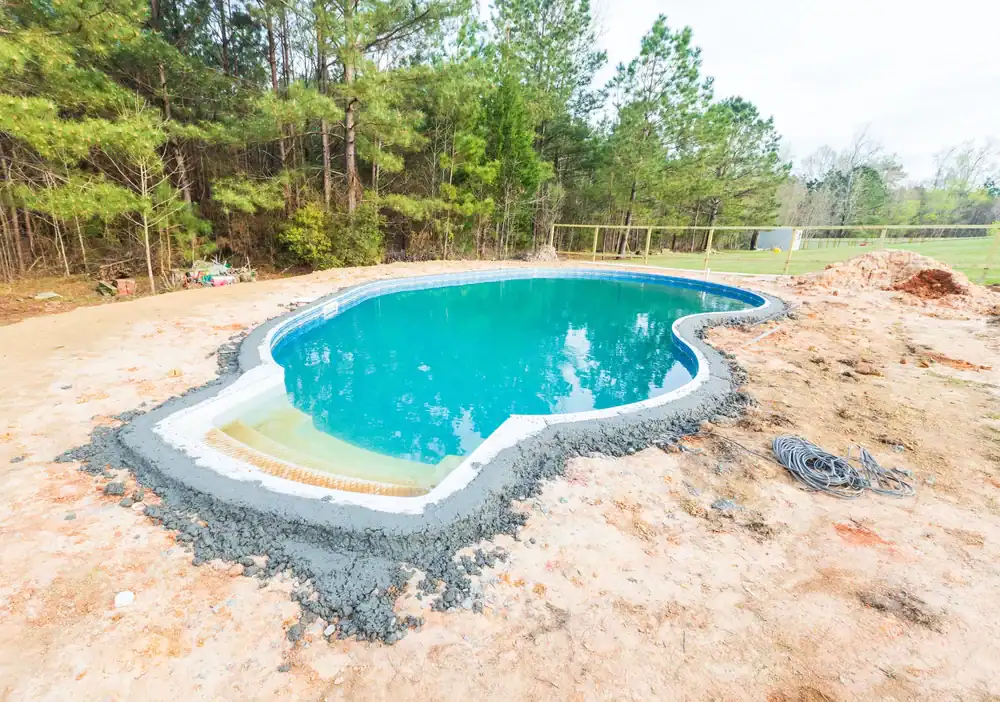
Building a custom inground pool isn’t a quick weekend project. From design and permits to excavation and finishing touches, the process takes time. In Douglas County, GA, most custom cement pool projects run 8-12 weeks from the day permits are approved to the moment you can fill it with water.
That timeline assumes everything goes smoothly. It doesn’t account for permitting delays, which can add weeks depending on how busy your local building department is. It doesn’t factor in weather, and Georgia’s summer storm season is notorious for pushing schedules back. And it definitely doesn’t consider contractor availability, which gets tighter every week once spring hits.
Understanding the real timeline helps you plan backward from your goal. If you want to swim by Memorial Day 2026, you can’t start thinking about construction in April. You need to be in the ground months earlier.
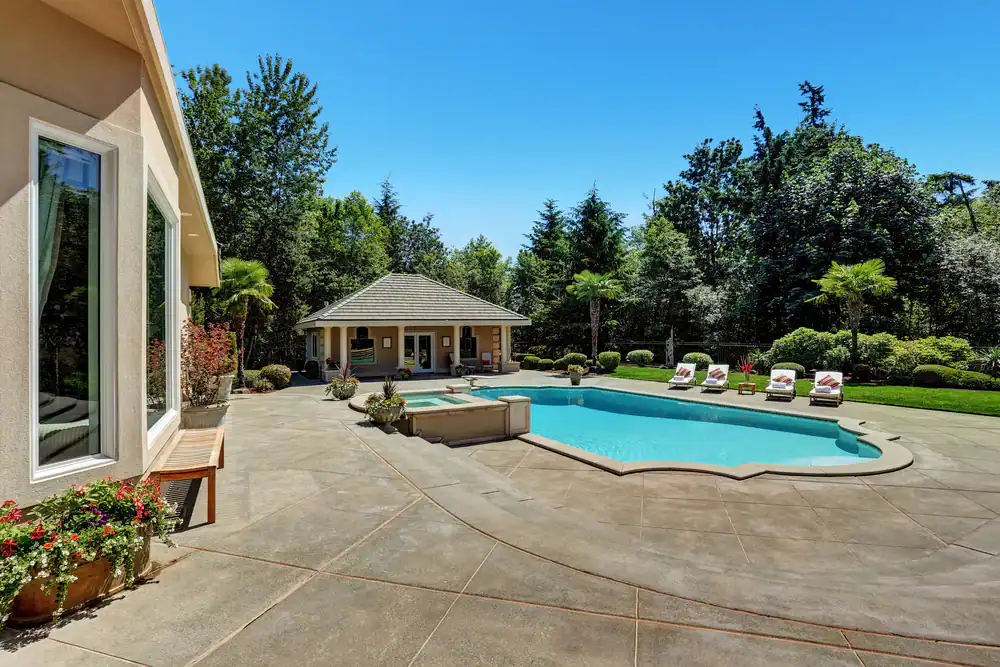
Pool construction moves through distinct phases, and each one takes time. Knowing what happens at each stage helps you see why starting early matters.
First comes design and planning. This is where you work with us to finalize the layout, shape, depth, and features. Depending on how custom you want to go, this phase can take anywhere from one to four weeks. Rushing it leads to regrets later, so it’s worth getting right.
Next is permitting. In Georgia, all residential pools require a building permit before any digging starts. We submit plans to the county, and then you wait. Some municipalities move fast and approve in two weeks. Others take longer, especially during peak season when permit offices are flooded with applications. This phase is largely out of your control, which is exactly why starting during the off-season helps.
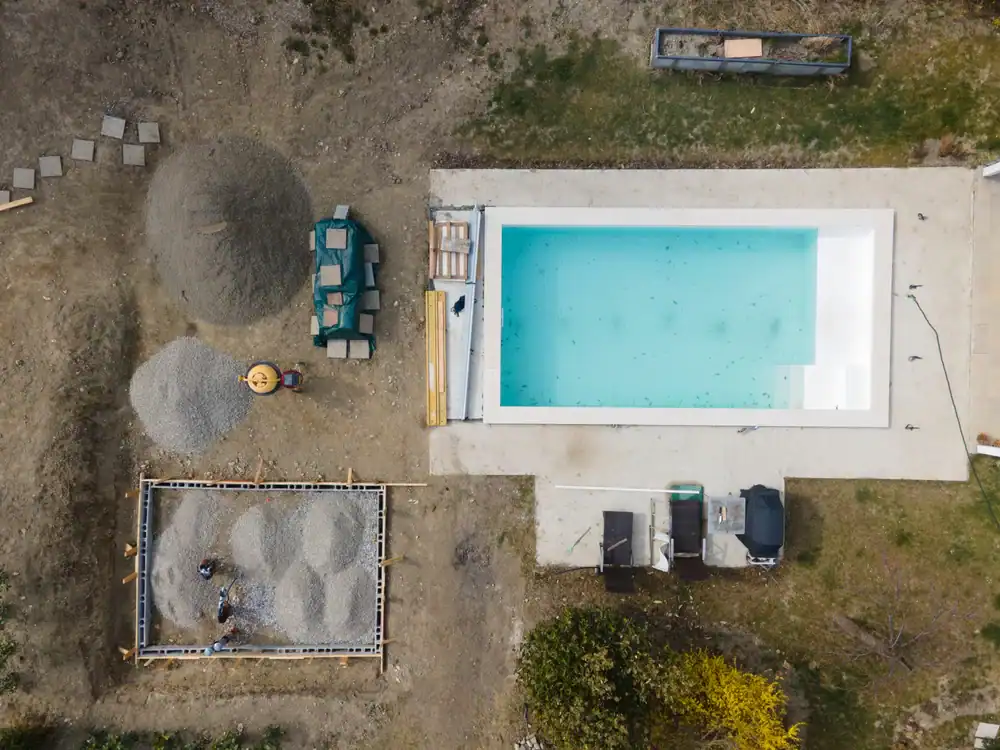
Once permits are in hand, excavation begins. This is when the heavy equipment shows up and digs out your pool area. For most residential projects, excavation wraps up in a few days to a week, depending on access and soil conditions. Douglas County’s clay-heavy soil can slow things down if the ground is wet, which is another reason why fall and winter construction often goes smoother.
After excavation comes the structural work: steel reinforcement, plumbing installation, and pouring the gunite or concrete shell. This phase typically takes one to three weeks, including time for the concrete to cure properly. Rushing the cure is a mistake no quality builder will make, because it compromises the pool’s long-term integrity.
Then you move into finishing: tile, coping, decking, and equipment installation. Depending on the complexity of your design, this phase can take anywhere from one to four weeks. Custom features like waterfalls, built-in spas, or intricate tile work add time but also make the pool uniquely yours.
Finally, there’s the fill, startup, and training. Your pool gets filled with water, the equipment is calibrated, and you learn how to maintain everything. This usually takes a few days, but it’s also when you start to see the finished product come together.
Add it all up, and you’re looking at a minimum of two to three months from start to finish. That’s under ideal conditions. Factor in real-world delays, and the timeline stretches. This is why we recommend starting your project in fall or winter if you want to swim next summer.
Georgia’s climate plays a bigger role in pool construction than most people expect. Summer brings heat, humidity, and afternoon thunderstorms that can halt work for hours or even days. Concrete needs specific conditions to cure properly, and pouring during a storm or extreme heat creates problems.
Fall and winter offer more predictable conditions. Temperatures are milder, rainfall is less frequent, and the ground tends to be drier. That makes excavation easier, reduces mud and mess, and keeps the construction timeline on track. Yes, there are occasional cold snaps, but they’re far less disruptive than summer’s unpredictable storm patterns.
Weather delays are common in Georgia, especially during summer storm season. We build buffer time into our schedules to account for this, but when you’re already starting late in the season, those buffers eat into your swim time. Starting in fall or winter gives you that cushion without sacrificing your summer plans.
There’s also the issue of ground conditions. When the soil is saturated from heavy rain, excavation equipment can sink, create ruts, and turn your backyard into a muddy mess. Drier ground means cleaner work, faster progress, and less damage to the surrounding landscape. Fall’s drier conditions make the entire process smoother from day one.
Georgia’s extended warm season is one of the reasons pools are so popular here. You can realistically swim from April through October, sometimes longer. But to take full advantage of that long season, your pool needs to be ready before temperatures climb. Waiting until spring to start construction means you’re racing against the calendar, and weather is rarely on your side during that race.
Starting your pool construction during fall or winter isn’t about working in bad conditions. It’s about working in better conditions than what spring and summer offer. The weather is more stable, the ground cooperates, and the timeline stays predictable. That’s how you end up with a finished pool when you actually want to use it.
Want live answers?
Connect with a Deep Waters Pools expert for fast, friendly support.
Most homeowners assume spring is pool season, so that must be the best time to build. The opposite is true. Spring and summer are when everyone else has the same idea, and that creates problems you don’t want to deal with.
Contractor availability tightens once spring hits. The best builders book up fast, and if you’re calling in March or April, you’re likely looking at a waitlist that pushes your project into mid-summer or later. By the time your pool is finished, you’ve missed most of the season. Starting in fall or winter means you get on the schedule early, avoid the rush, and lock in a timeline that actually works.
Permitting moves faster during the off-season too. Local building departments aren’t overwhelmed with applications, so your plans get reviewed and approved more quickly. Faster permits mean construction starts sooner, and you stay ahead of the summer deadline.
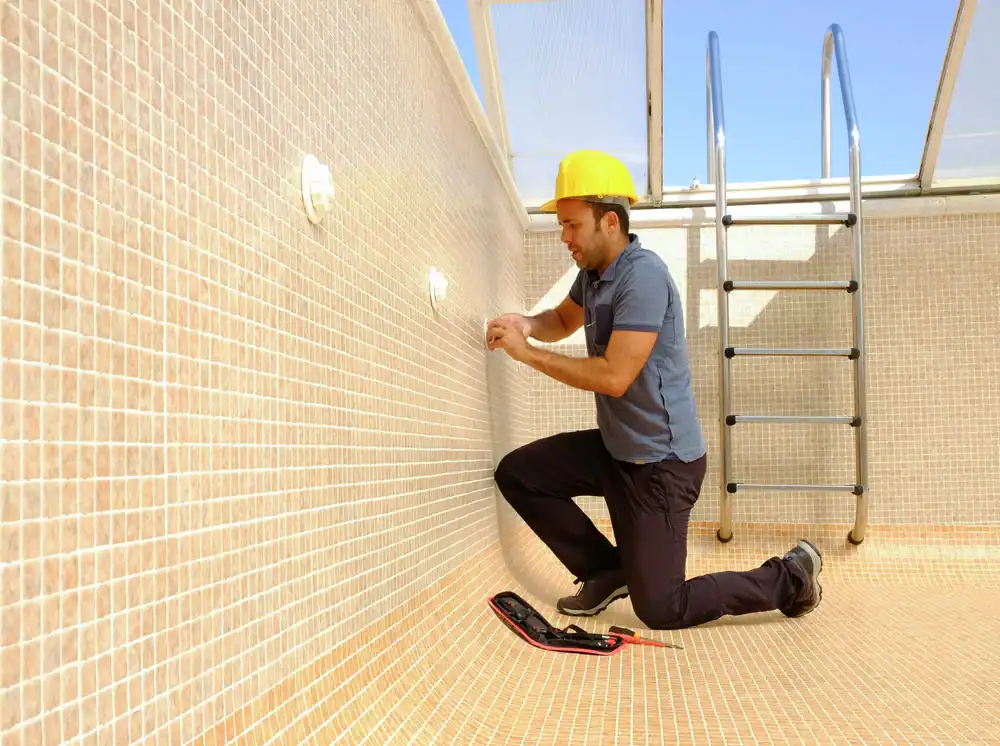
There’s a financial advantage to starting your pool project in fall or winter. Demand drops during the cooler months, and many builders offer incentives to keep crews working. Homeowners who start during the off-season can save thousands compared to peak season pricing.
Those savings aren’t just about labor. Material costs tend to rise at the start of each year as suppliers adjust for inflation. Locking in your project before those increases hit means you’re paying current prices instead of next year’s higher rates. Over the course of a pool project, that adds up.
Contractor availability is the other big factor. During fall and winter, we have more flexibility in our schedule. That means your project gets more attention, fewer delays, and a team that isn’t juggling multiple jobs at once. You’re not competing with a dozen other homeowners for the same crew’s time.
Off-season construction also gives you more time to make decisions without feeling rushed. Want to upgrade the tile? Add a spa? Change the decking material? When you’re not racing against summer, you have room to think through those choices and get exactly what you want. Rushed decisions made during peak season often lead to regrets once the pool is finished.
There’s also the practical side of having construction happen during cooler months. Your yard isn’t being torn up during the time you’d normally be using it. Kids aren’t home from school watching heavy equipment in the backyard. And by the time warm weather arrives, the mess is cleaned up, the landscaping is recovering, and you’re ready to enjoy the finished product.
Starting your pool construction in fall or winter isn’t just about avoiding the rush. It’s about getting better pricing, more attention from your builder, and a timeline that actually delivers a finished pool when you want to use it. That’s why experienced homeowners in Douglas County, GA plan their projects during the off-season.
If you want to swim in your new pool by Memorial Day 2026, here’s how the timeline needs to work. Start your planning and design phase now, in fall or early winter. Spend a few weeks finalizing your design, getting quotes, and choosing your builder. That puts you in position to submit for permits by late winter.
Permits take anywhere from two to six weeks depending on your local building department and the complexity of your project. If you submit in January or February, you’re likely approved by March. That’s when excavation begins, and the real construction starts.
With an 8-12 week build timeline, starting construction in March means you’re finished by late May or early June. That’s right on target for summer 2026. You’re swimming by Memorial Day, hosting pool parties by the Fourth of July, and enjoying your backyard all season long.
Compare that to starting your planning in spring. If you don’t reach out to builders until March or April, you’re looking at design and permitting that pushes into May or June. Construction doesn’t start until summer, and by the time you’re finished, it’s August or September. You’ve missed the season you built the pool for.
The math is simple. An 8-12 week construction timeline plus a 2-6 week permitting phase means you need at least three to four months from design to completion. Work backward from your target swim date, and you’ll see why fall and winter are when smart homeowners start their pool projects.
There’s also the benefit of having time to prepare your yard. Pool construction impacts landscaping, and grass and plants need time to recover. Starting in fall or winter gives you the entire spring for vegetation to grow back. By summer, your yard looks polished and complete, not like a construction zone.
Planning your 2026 pool project timeline isn’t complicated, but it does require thinking ahead. The homeowners who end up frustrated are the ones who wait until they feel the heat and then realize they’re too late. The ones who enjoy their pools all summer long are the ones who planned in advance and started during the off-season.
The difference between swimming next summer and watching another season go by comes down to timing. Understanding the pool construction timeline and planning accordingly is what separates homeowners who enjoy their pools from homeowners who are still waiting.
Fall and winter offer better weather, faster permitting, more contractor availability, and cost savings. Starting your project during the off-season means your pool is finished when you actually want to use it, not when the season is half over. For Douglas County, GA homeowners planning a 2026 summer launch, that means starting now.
If you’re ready to move forward with your pool project, we can walk you through the process, handle the permits, and deliver a finished pool on a timeline that works for you. The sooner you start, the sooner you’re swimming.
Summary:
Share: