
Hear from Our Customers
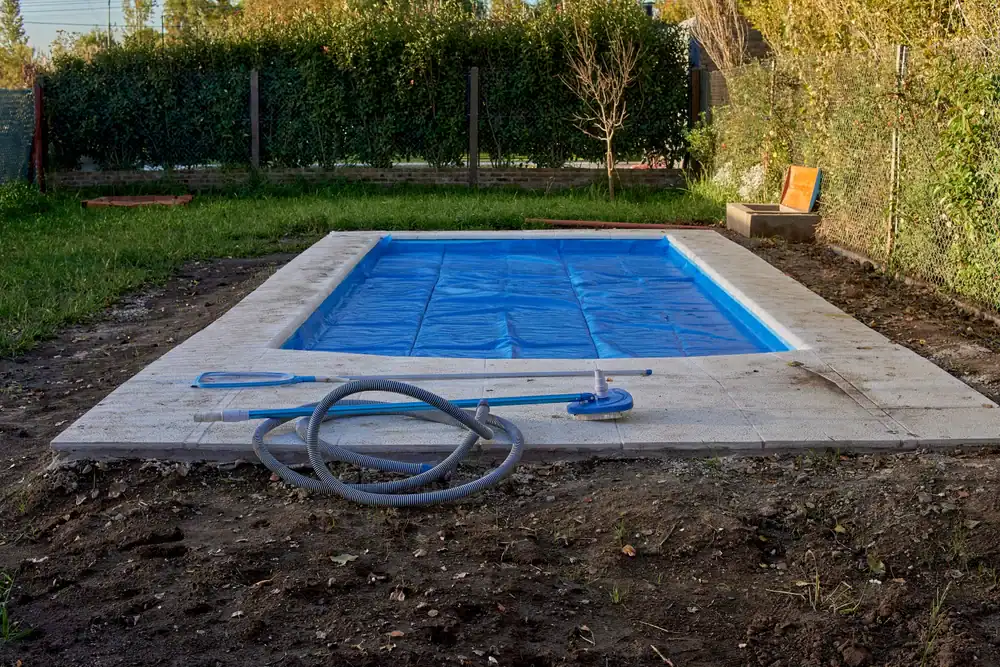
You get a backyard you’ll use. Not just look at—actually use. Weekends become easier when the kids have somewhere to go that isn’t a screen. Summer evenings stretch longer when there’s a reason to stay outside.
Your pool isn’t a cookie-cutter shape dropped into your yard. It’s designed around how your property sits, where the sun hits, and what you told us you wanted during the consultation. Concrete gives us that flexibility—vanishing edges, built-in seating, custom depths, whatever makes sense for your space.
The installation timeline is clear from day one. You know when we’re starting, what’s happening each week, and when you’re swimming. No disappearing acts, no surprise delays that drag into next season.
And when it’s finished, you’ve got a pool that holds up. Concrete lasts. It doesn’t need replacing in ten years. You’re not dealing with liner repairs or structural issues that come from cutting corners early on.
We’ve been operating out of Douglas since 2014, but the experience behind it goes back over 30 years. We’ve been building, renovating, and repairing inground concrete pools across South Georgia long enough to know what works in this climate and what doesn’t.
Sapps Still sits in Douglas County, where the soil composition and water table matter when you’re digging a pool. We’ve worked this area enough to anticipate those variables before they become problems. You’re not getting a crew learning on your property.
We’re members of the Coffee County Chamber of Commerce. We pull permits correctly. We show up when we say we will. That’s not marketing talk—it’s how we’ve stayed in business this long in a market where word travels fast.
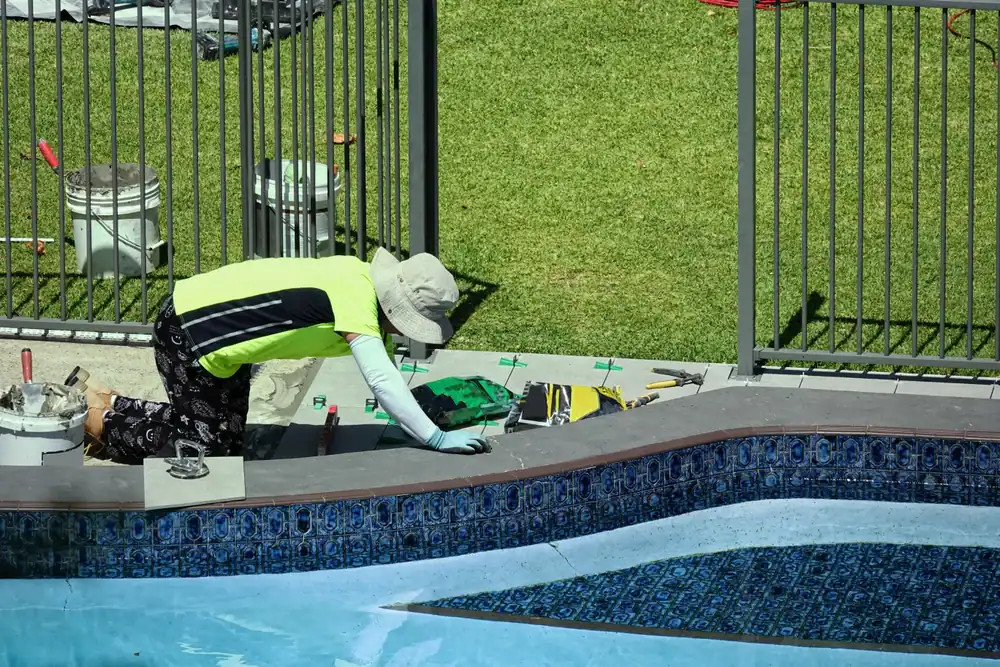
It starts with a consultation at your property. We walk the yard, talk about what you’re picturing, and figure out what’s realistic given your space, budget, and timeline. You’ll know the cost before we dig.
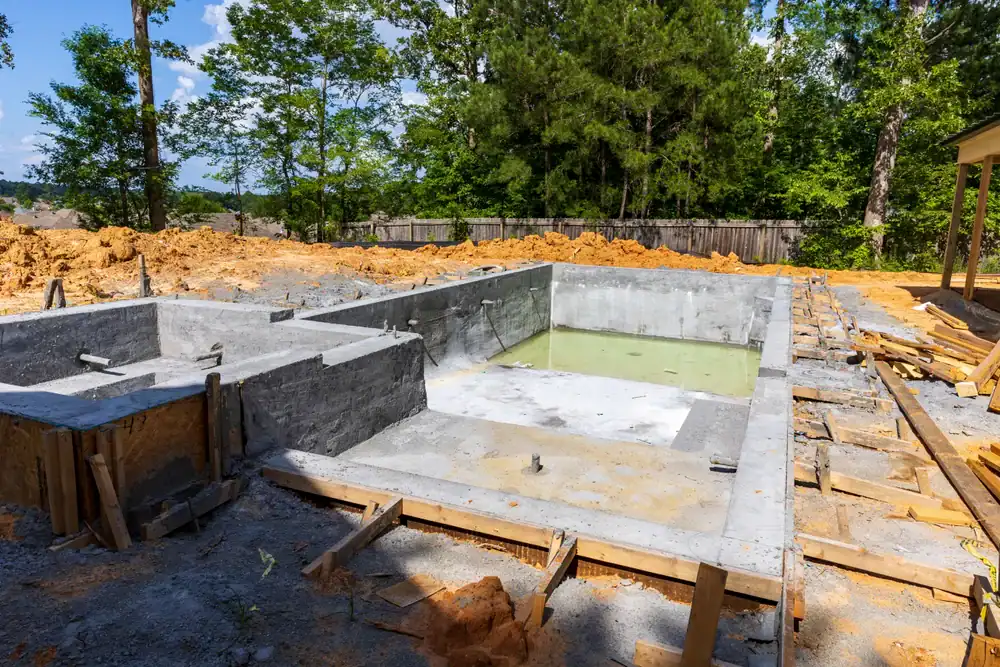
Once you’re ready to move forward, we handle permits and scheduling. Excavation comes first—we’re removing dirt and prepping the ground based on your property’s grade and drainage. Then comes steel reinforcement and plumbing lines, all installed to code.
The concrete pour is where your pool takes shape. We’re forming the shell, setting the finish, and building in any custom features we discussed—steps, benches, ledges, whatever you chose. This isn’t a fiberglass drop-in. It’s built on-site to your specs.
After the shell cures, we install your filtration system, finish the decking or patio area, and run final inspections. Then we fill it, balance the water chemistry, and walk you through maintenance basics. You’re swimming that week, not waiting another month for punch-list items we forgot.
Ready to get started?
You’re getting a full custom inground concrete pool installation. That includes design consultation, permit acquisition, excavation, steel reinforcement, plumbing, concrete shell construction, filtration system installation, and decking or patio work around the pool.
In Sapps Still and the surrounding Douglas County area, properties vary. Some yards have more slope, some have clay-heavy soil, some have existing landscaping that needs working around. We adjust the build process to fit your property—not force a standard template that doesn’t account for what’s actually there.
We also install spas, custom water features, and safety covers. If you’re adding a pool to a property with young kids, the safety cover isn’t optional in our book. It’s custom-fitted to your pool dimensions and actually prevents accidents, unlike those flimsy tarps that just keep leaves out.
Energy efficiency matters more now than it did ten years ago. We can integrate variable-speed pumps and LED lighting that cut your operating costs significantly. In South Georgia, where you’re running a pool nearly eight months a year, that adds up. We’ll walk through those options during design so you’re making informed choices, not discovering them later when the bill comes.
Most custom inground concrete pools in the Sapps Still area run between $40,000 and $80,000, depending on size, features, and site conditions. That’s not a dodge—it’s reality. A simple rectangular pool with basic finishes costs less than a freeform design with a spa, water features, and premium decking.
Your property affects cost too. If we’re dealing with significant slope, rocky soil, or limited access for equipment, that changes the labor and time involved. We’ll tell you that during the consultation, not after we’ve started digging.
Financing is available if you don’t want to pay the full amount upfront. We work with lenders who specialize in pool loans, and most homeowners in Douglas County with decent equity and credit can qualify. The monthly payment on a $50,000 pool over ten years is usually less than people expect—often comparable to what they’re spending on summer activities and vacations they’re trying to replace with a pool.
Plan on 8 to 12 weeks from the day we break ground to the day you’re swimming. Weather affects that timeline—if we hit a stretch of heavy rain during excavation or concrete work, we’re delayed. You can’t pour concrete in a mudpit and expect it to hold up.
Permit approval adds time on the front end, usually two to three weeks in Douglas County. We submit everything and handle the back-and-forth with the county, but we don’t control how fast they process applications. Starting in early spring gives you the best chance of swimming by summer.
The concrete shell itself takes about a week to pour and another two weeks to cure properly. Rushing that curing process causes cracks and structural issues later. We’ve seen other pool companies try to speed things up and end up with callbacks a year later. We’d rather give you a realistic timeline and deliver a pool that lasts than promise six weeks and cut corners to hit it.
Concrete pools are built on-site and fully customizable. You’re not limited to pre-made shapes and sizes. If your yard is oddly shaped, or you want a specific depth for diving, or you’re adding a connected spa, concrete handles all of that. Fiberglass pools come in fixed molds—you’re choosing from existing designs and hoping one fits your space.
Concrete also lasts longer. A properly built concrete pool can go 50+ years with basic maintenance. Fiberglass shells can fade, crack at stress points, and sometimes need full replacement after 20 to 25 years, especially in climates with ground movement or freeze-thaw cycles.
The tradeoff is installation time. Fiberglass pools go in faster—sometimes in a week—because they’re dropping a pre-made shell into a hole. Concrete takes longer because we’re building it from scratch. But you’re getting a pool designed for your property, not a mass-produced unit that kind of fits. Most of our clients in Sapps Still choose concrete because they want something specific, and they’re planning to stay in the home long enough for durability to matter.
Yes. Georgia law requires a barrier around residential pools to prevent unsupervised access, especially by young children. That usually means a fence at least four feet high with a self-closing, self-latching gate. Some homeowners use their existing privacy fence if it meets code. Others add a separate pool fence just around the pool area.
We don’t install fencing ourselves, but we’ll tell you what’s required during the design phase so you’re budgeting for it. A lot of people forget about the fence until the pool’s almost done, then scramble to find a contractor. Planning it upfront saves that headache.
Pool covers add another layer of safety, and we do install those. A proper safety cover—not a winter tarp—can support weight and prevent a child or pet from falling through if they get past the fence. In Douglas County, where a lot of properties have acreage and kids playing outside, that extra protection matters. We’ve had clients tell us the cover gave them peace of mind they didn’t realize they needed until they had it.
You’re looking at weekly chemical balancing, regular skimming and vacuuming, and filter cleaning every few weeks. Most homeowners either do it themselves or hire a pool service. If you’re handling it, budget about an hour a week during swim season and maybe $100 a month for chemicals.
Every few years, you’ll need to resurface the pool interior. Concrete pools use plaster, aggregate, or tile finishes that wear down over time from chemicals and use. Resurfacing costs vary depending on the finish you choose, but it’s typically $5,000 to $10,000 and buys you another 10 to 15 years. That’s not a surprise expense—it’s planned maintenance, like repainting your house.
The equipment—pump, filter, heater if you have one—needs occasional repairs or replacement. A quality pump lasts 8 to 10 years. Heaters last a bit longer if you maintain them. We use commercial-grade equipment on our installs, not the cheapest option that’ll need replacing in three years. You’ll spend less on repairs over the life of the pool, even if the upfront cost is slightly higher.
Yes, and we do it regularly. Sloped yards actually create opportunities for more interesting pool designs—raised spas, infinity edges, multi-level decking. The slope affects the excavation and retaining wall work, which adds cost and time, but it doesn’t prevent you from having a pool.
We’ll evaluate your property during the consultation and tell you what’s involved. Sometimes we’re building up one side, sometimes we’re cutting into the slope and using the removed dirt to level another area of your yard. Every property is different, and there’s not a one-size-fits-all approach.
In Douglas County, a lot of homes sit on rolling terrain. We’ve built pools on properties with significant grade changes, and they often end up being the most visually striking installations we do. The key is designing the pool to work with the land, not against it. That takes experience—knowing how water drains, how to reinforce a hillside, and how to keep a pool structurally sound when it’s not sitting on flat ground. We’ve been doing this long enough in South Georgia to handle it correctly.
Other Services we provide in Sapps Still