

Hear from Our Customers
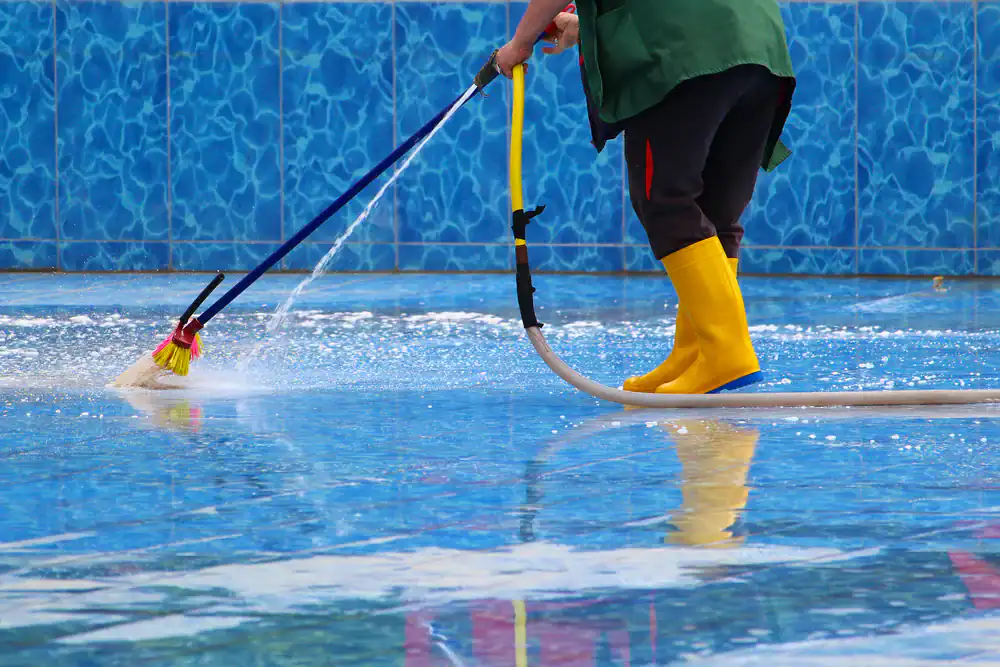
You get Saturday mornings back. No more testing pH levels before your coffee or vacuuming when you’d rather be swimming. Your pool stays swim-ready without you lifting a finger.
The water stays balanced because someone who knows what they’re doing checks it every week. Equipment lasts longer because it’s being monitored by people who spot problems before they become expensive repairs. And when friends come over, your pool looks like it always gets professional attention—because it does.
This is what happens when pool maintenance becomes someone else’s job. You stop worrying about algae blooms in July or whether the filter’s running right. You just use your pool the way you’re supposed to—without the work that comes with owning one.
We handle residential pool cleaning across Douglas County, and we’ve been doing it long enough to know what Jacksonville pool owners deal with. The pollen in spring, the heat that throws off chemical balance in summer, the leaves that turn your skimmer into a clogged mess by October.
We’re certified, insured, and we show up when we say we will. Our team uses professional-grade equipment and chemicals—not the stuff you grab at the hardware store—and we document every service with chemical readings and photos so you know exactly what was done.
We’re local, we’re consistent, and we treat your pool like it’s the only one on our route that day.
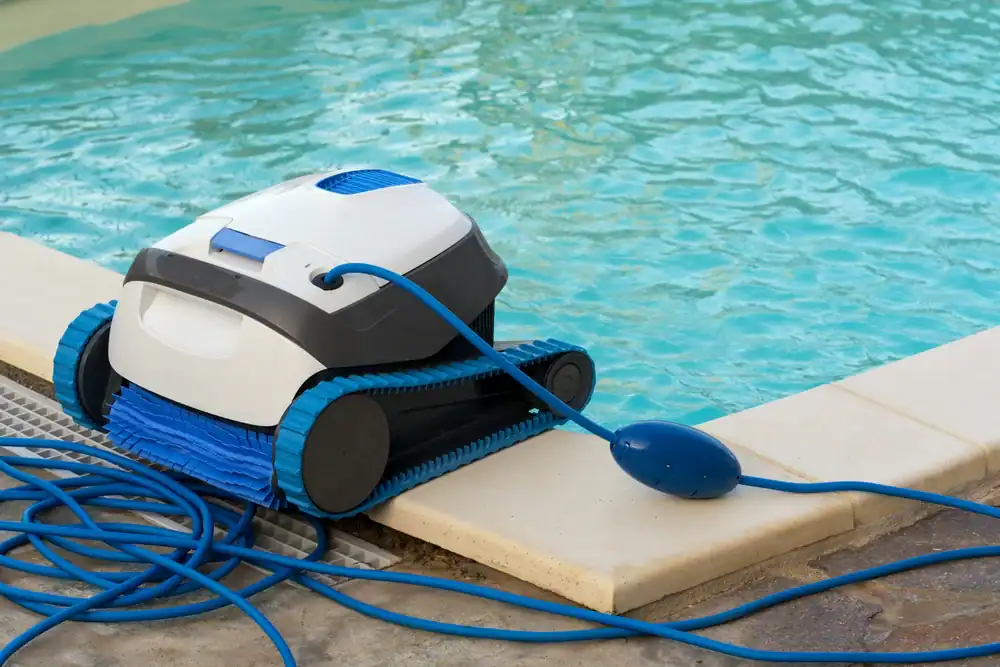
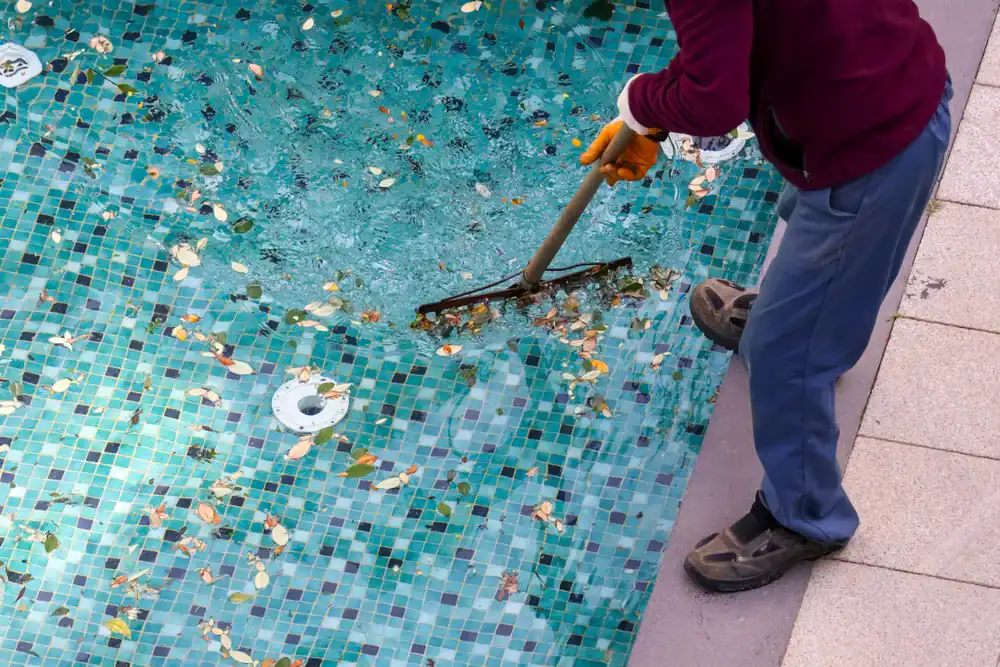
We show up on your scheduled day and get to work. First, we skim the surface and empty your baskets—removing leaves, bugs, and debris before they sink or clog your system. Then we brush the walls and steps to prevent algae buildup, even in spots you wouldn’t think to check.
Next comes vacuuming the floor, hitting every corner and around every ladder. We check your filter pressure, backwash or clean as needed, and inspect your equipment for anything that looks off. Pump running weird? Unusual noise? We catch it.
Then we test your water—pH, chlorine, alkalinity, calcium hardness—and adjust chemicals to get everything in range. We don’t guess. We measure, we adjust, we retest. Before we leave, you get a service report with readings, photos, and notes on what we did. If something needs your attention, we tell you then—not three weeks later when it’s already a bigger problem.
Ready to get started?
Every visit covers the full routine—skimming, brushing, vacuuming, chemical testing, and balancing. We’re not cutting corners or skipping steps because it’s hot outside or your pool looks clean enough. The work gets done the same way every time.
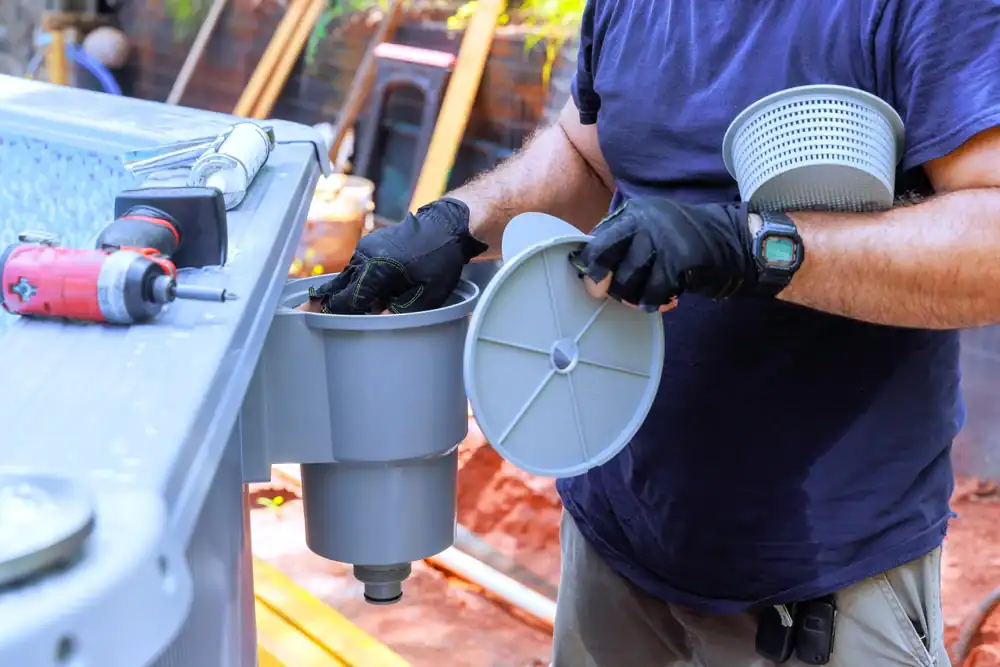
You also get equipment checks on every visit. We’re looking at your pump, filter, heater, and automation systems to make sure everything’s running the way it should. In Jacksonville and Douglas County, we see a lot of issues caused by pollen, storm debris, and Georgia’s humidity—things that mess with water chemistry and clog systems faster than most people realize.
We handle chemical adjustments on-site with professional-grade products. If your pool needs algaecide, clarifier, or a phosphate remover, we’ve got it with us. You’re not making runs to the pool store or trying to figure out how much of what to add. We also provide written reports after each service so you’re never wondering what happened or what your levels were. It’s documentation you can reference if something comes up later or if you’re just the type who likes to know.
Most residential pools in Jacksonville need weekly service, especially during the warmer months when you’re actually using the pool. Weekly visits keep your water balanced, your equipment running clean, and your pool ready to use without a multi-hour prep session every weekend.
If your pool sits under trees or you’re dealing with a lot of pollen—which is common in Douglas County from March through May—weekly service isn’t optional. Debris breaks down fast in warm water, and that leads to algae, cloudy water, and chemical imbalances that take more time and money to fix than preventing them in the first place.
Some people try bi-weekly service to save money, and that can work in the fall or winter when the pool isn’t getting much use. But during swim season, stretching it to every other week usually means you’re swimming in water that’s not quite right or spending your own time fixing problems between visits.
Balancing pool chemicals means testing and adjusting several levels to keep your water safe, clear, and comfortable. You’re looking at pH, chlorine, alkalinity, calcium hardness, and cyanuric acid at a minimum. Each one affects the others, so you can’t just dump in chlorine and call it done.
pH controls how effective your chlorine is and whether your water irritates skin and eyes. Alkalinity buffers your pH so it doesn’t swing wildly every time it rains or someone cannonballs into the pool. Calcium hardness prevents your water from eating away at your plaster or tile. Cyanuric acid protects chlorine from getting destroyed by sunlight, which is a real issue during Georgia summers.
If one level is off, it throws off the others. Low pH makes chlorine weak. High calcium turns your water cloudy and leaves scale on everything. We test all of it, adjust what needs adjusting, and retest to confirm it’s in range. That’s what keeps your pool swimmable and your equipment from corroding or clogging up.
Yes, because a pool that looks clean isn’t the same as a pool that’s actually balanced and properly maintained. You can have crystal-clear water with a pH that’s way off, chlorine levels that won’t kill bacteria, or a filter that’s about to clog completely. None of that shows up until it’s already a problem.
Regular service catches things before they’re visible. We’re checking equipment, testing chemical levels, and cleaning areas that don’t look dirty but will cause issues if ignored—like brushing walls to prevent algae from taking hold or backwashing your filter before the pressure gets too high.
Skipping service because your pool looks fine is like skipping oil changes because your car still runs. It works until it doesn’t, and by then you’re paying a lot more to fix what could’ve been prevented. Consistent maintenance is cheaper and way less stressful than emergency cleanups or equipment replacements.
If your pool turns green between scheduled services, it means algae has bloomed—usually because chemical levels dropped or something introduced a lot of organic material all at once, like a storm or a very heavy pool party. It’s fixable, but it takes more than a regular cleaning.
We’ll shock the pool with a high dose of chlorine to kill the algae, then brush and vacuum thoroughly to remove dead algae from the surfaces and floor. Your filter will need to run continuously for at least 24 hours, and we’ll likely need to backwash or clean it multiple times as it pulls out all that dead material. Depending on how bad it is, the process can take a few days to get your water clear again.
The best way to avoid it is sticking to weekly service, especially in summer. We keep chlorine and pH levels where they need to be so algae doesn’t get a chance to grow. If you know a storm’s coming or you’re having people over, let us know—we can add extra algaecide or adjust the schedule to keep things under control.
Your equipment is probably fine if your pump runs quietly, your filter pressure stays in the normal range, and your water circulates evenly without dead spots. But most pool owners don’t know what normal pressure looks like or what sounds mean trouble, and that’s where regular professional checks make a difference.
We monitor your filter pressure every visit. If it’s climbing, that means your filter is getting clogged and needs cleaning or backwashing. If it’s too low, you might have a leak or a pump issue. We also listen to your pump and check for leaks, unusual vibrations, or anything that suggests a part is wearing out.
Catching equipment problems early saves you serious money. A small leak that gets ignored can turn into a burned-out pump motor. A clogged filter that’s not cleaned will blow out or stop filtering altogether. We’re checking this stuff while we’re already there, so you’re not waiting until something breaks to find out it needed attention weeks ago.
DIY pool care means you’re testing, balancing, cleaning, and troubleshooting everything yourself—which works if you’ve got the time, the knowledge, and the willingness to deal with problems when they come up. Most people start out thinking they’ll handle it, then realize it’s more complicated and time-consuming than they expected.
Hiring a service means someone with training and professional equipment handles all of it on a schedule. You’re not guessing about chemical levels or spending your weekend scrubbing tile. You’re not buying chemicals in small quantities at markup prices or trying to figure out why your pool’s cloudy after you thought you fixed it.
The real difference is consistency and expertise. We do this full-time, so we know what Jacksonville pools need during pollen season, how Georgia heat affects chemical balance, and what equipment issues look like before they become expensive. You get a pool that’s always ready to use without spending your free time maintaining it, and that’s worth a lot more than what most people realize until they’ve tried doing it themselves for a summer.
Other Services we provide in Jacksonville