
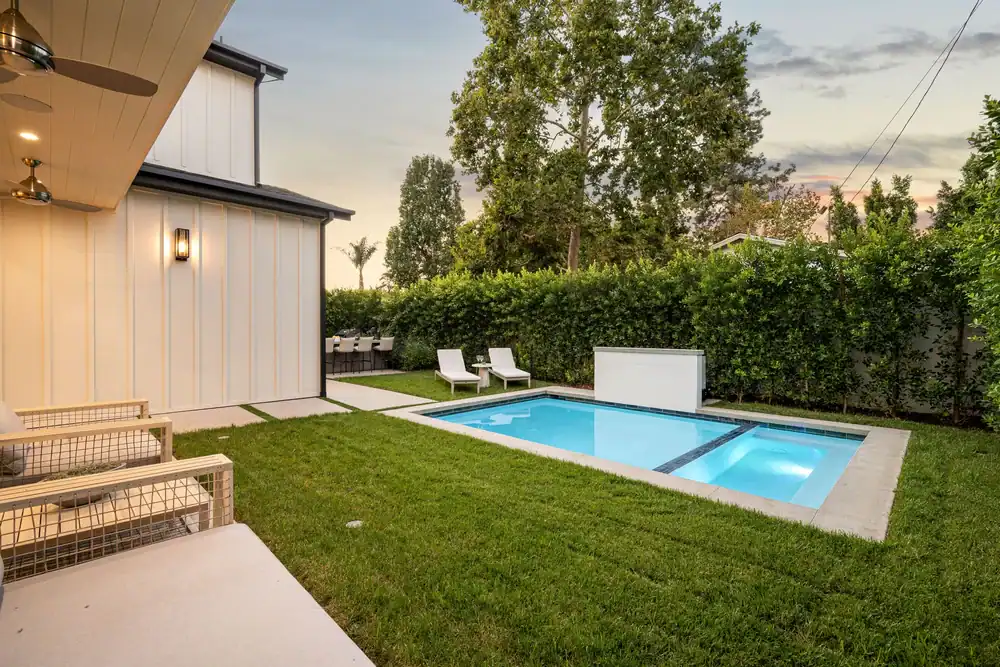
Hear from Our Customers
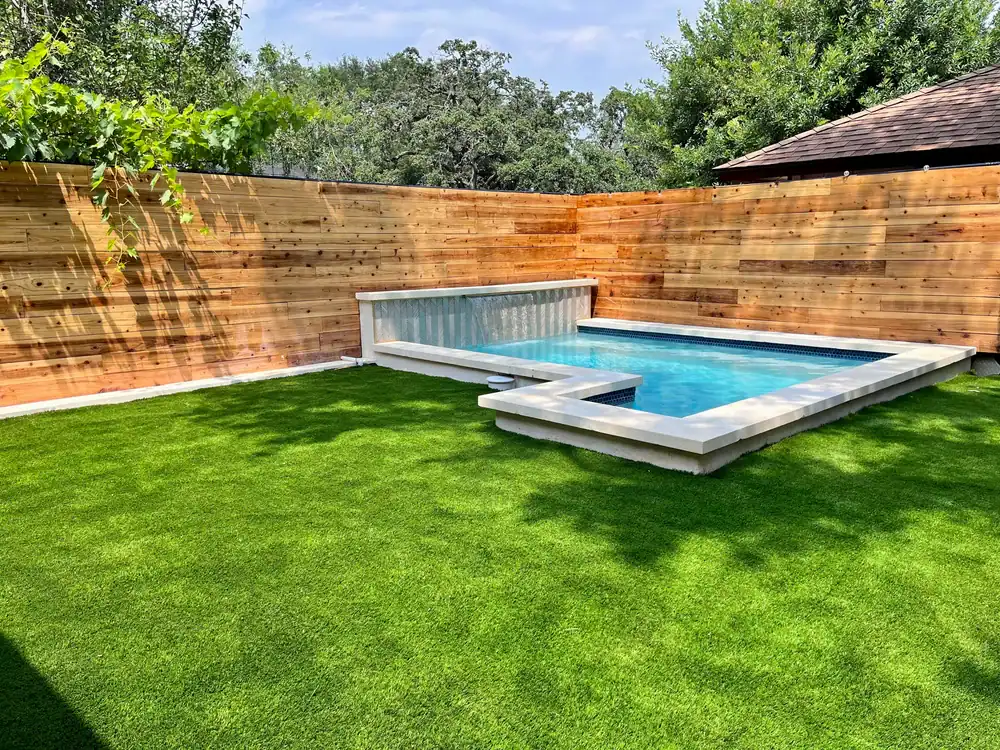
You’re not looking for a cookie-cutter pool that’ll crack in two years. You want something built right the first time—designed around how your family actually uses the backyard.
Custom gunite pool construction means your pool fits your lot, complements your home, and handles the clay-heavy soil common around Ambrose without shifting or settling. You’re not dealing with a prefab shell that limits your options. You’re getting a pool shaped to your space, your budget, and your vision.
The result? A backyard you’ll actually use. Not just in July, but year-round thanks to Georgia’s extended swimming season. Your property value goes up. Your weekends get better. And you’re not calling someone back in three years to fix structural problems that shouldn’t have happened in the first place.
We’ve been building inground pools in and around Ambrose for over 30 years. We’re licensed, insured, and members of the Douglas-Coffee County Chamber—not because we need the credentials, but because we’re part of this community.
We know the soil conditions here. We know the permitting process. We know what works in Georgia heat and what doesn’t. That experience shows up in how we design your pool, how we handle the construction timeline, and how we communicate when weather delays happen—because they will.
You’re working with a local team that shows up, answers the phone, and finishes what we start. We’re not the biggest pool company in Georgia, and that’s intentional. We’d rather build fewer pools the right way than rush through projects just to hit a number.
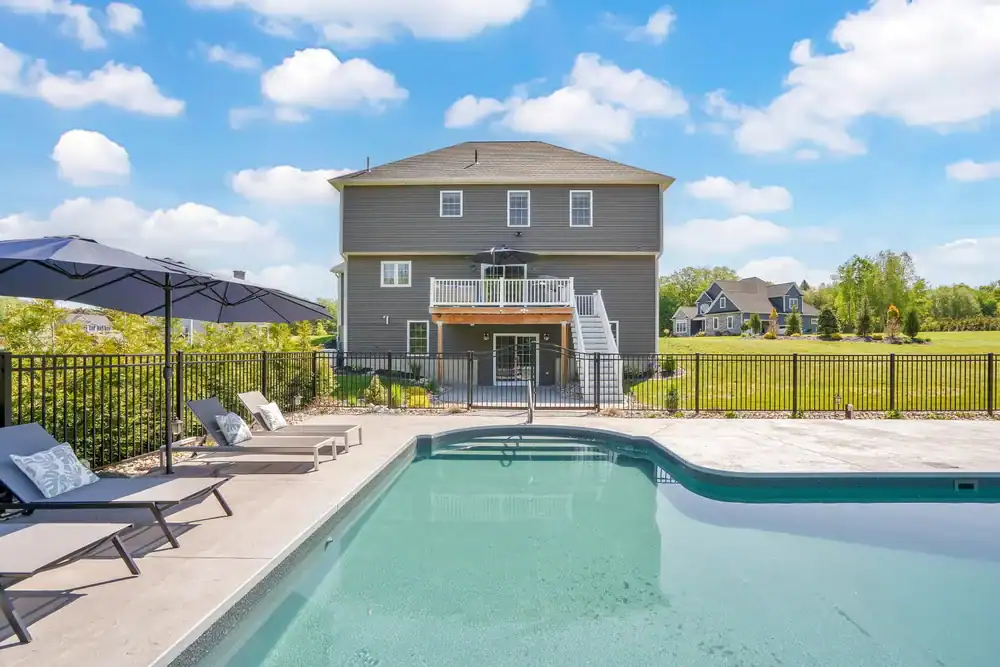
First, we come out to your property in Ambrose and evaluate your lot. We’re looking at soil composition, drainage, access for equipment, and how the pool will fit with your existing landscape. This isn’t a sales pitch—it’s a real assessment of what’s possible and what makes sense for your space.
Once you approve the design, we handle the permit process with Douglas County. You don’t have to navigate the International Swimming Pool and Spa Code or figure out local requirements. We submit everything, coordinate inspections, and keep the project moving.
Construction takes 8 to 12 weeks from permit approval to completion. We excavate, install plumbing and electrical, shoot the gunite shell, and finish with your choice of tile, coping, and decking. Weather can push timelines—Georgia summers bring storms—but we keep you updated throughout.
After the final inspection, you get a walkthrough on equipment operation, maintenance basics, and safety features. Then it’s your pool.
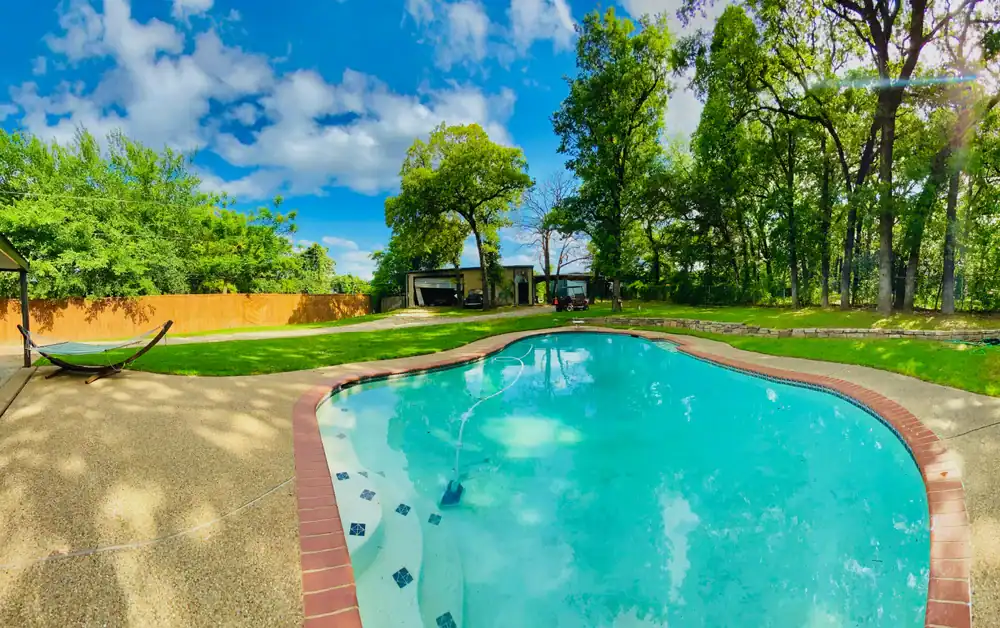
Ready to get started?
Gunite pools—also called shotcrete pools—are built by spraying concrete over a rebar framework. This method gives you complete design flexibility and creates the most durable pool structure available, especially in areas like Ambrose where soil shifts with seasonal moisture changes.
You’re not limited to pre-formed shapes. Your pool can be any size, any depth, with custom benches, tanning ledges, or integrated spas. The concrete shell bonds into one solid piece, which means fewer leak points and better long-term stability than sectional pools.
In Douglas County, where clay-heavy soil expands and contracts, that structural integrity matters. A properly built gunite pool adjusts to ground movement without cracking. You also get better energy efficiency—concrete retains temperature better than fiberglass or vinyl, which means lower heating costs if you’re extending your season.
We include all permitting, excavation, plumbing, electrical, gunite application, tile and coping installation, and equipment setup. You also get safety features that meet Georgia code requirements, including proper fencing and covers. Everything’s handled from design to final inspection.
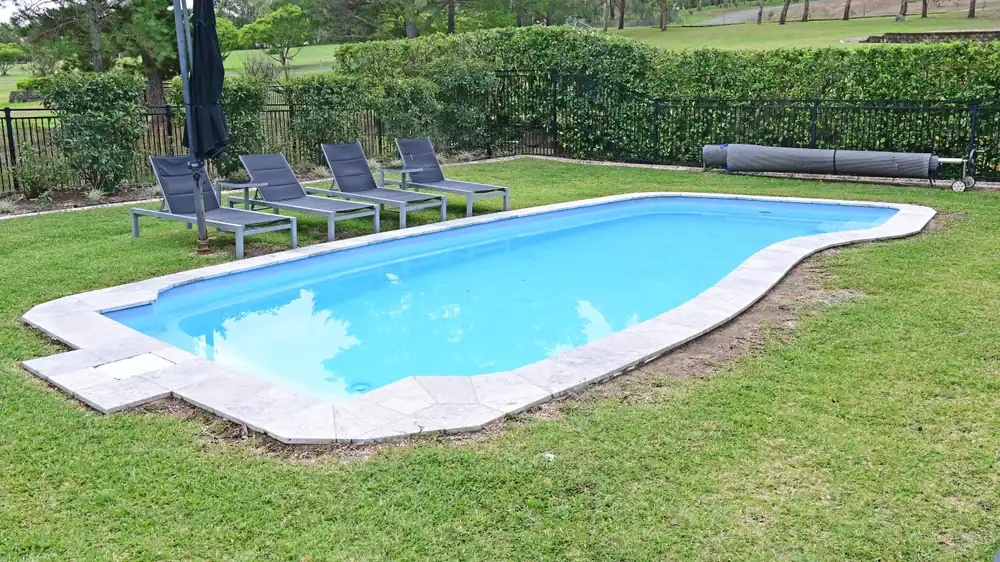
Plan on 8 to 12 weeks from the day permits are approved to the day you can swim. That timeline covers excavation, plumbing and electrical installation, gunite application, curing time, tile and coping work, decking, and final equipment setup.
Weather affects this more than most people expect. Summer storms in Georgia can delay concrete pours or prevent excavation equipment from accessing your property safely. We don’t rush those steps—pouring gunite in bad conditions or working on saturated ground causes problems you’ll pay for later.
Design complexity also plays a role. A simple rectangular pool with standard depth moves faster than a freeform design with multiple levels, integrated spa, and custom water features. We’ll give you a realistic timeline during the design phase based on what you’re actually building, not a best-case scenario that assumes perfect conditions.
Because you’re paying for custom construction and long-term durability, not a pre-manufactured product. Gunite pools are built on-site to your exact specifications, which requires more labor, more materials, and more expertise than dropping a fiberglass shell into a hole.
The cost difference shows up in what you get. Fiberglass pools come in limited sizes and shapes—you’re choosing from existing molds. Vinyl liner pools need replacement liners every 7 to 10 years, which costs several thousand dollars each time. Gunite pools are built once and last decades with proper maintenance.
In Ambrose specifically, where soil conditions vary significantly from property to property, gunite construction handles ground movement better than other pool types. You’re not dealing with a fiberglass shell that can pop out of the ground or a vinyl liner that tears when soil shifts. The upfront investment is higher, but you’re not paying for repairs or replacements down the road.
Yes. All residential swimming pools in Georgia require building permits, and Douglas County enforces those requirements. The permit process ensures your pool meets the International Swimming Pool and Spa Code, local zoning setbacks, and safety regulations.
We handle the entire permit process for you. That includes submitting plans, coordinating inspections at required construction phases, and making sure everything passes final inspection. You don’t need to visit the county office or figure out which forms to file.
Permit approval typically takes 2 to 4 weeks depending on county workload and whether your property has any special zoning considerations. Some neighborhoods in the Ambrose area have HOA requirements on top of county permits—we navigate those too. Skipping permits isn’t an option, and trying to build without one creates legal problems when you sell your home or file an insurance claim.
You’ll need to maintain water chemistry, clean the pool regularly, and service equipment annually. Gunite pools don’t require liner replacements like vinyl pools, but the plaster surface will need resurfacing every 10 to 15 years depending on use and chemical balance.
Weekly maintenance includes testing and adjusting pH and chlorine levels, skimming debris, brushing walls, and running your filtration system. Most Ambrose homeowners either handle this themselves or hire a pool service—it takes about 30 minutes a week if you’re doing it yourself.
Your pump, filter, and heater (if you have one) need annual inspections to catch small problems before they become expensive ones. We recommend professional equipment service once a year, usually before swimming season starts. The concrete shell itself requires minimal maintenance—no patching, no liner wrinkles, no gel coat repairs. Keep the water balanced, and the structure takes care of itself.
Yes. Clay soil is common throughout Douglas County, and gunite construction is specifically suited for these conditions. Clay expands when wet and contracts when dry, which creates ground movement that can damage pools built with less stable construction methods.
We evaluate your specific soil conditions during the site assessment and adjust the engineering accordingly. That might mean additional excavation depth, modified drainage systems, or reinforced steel framework in the gunite shell. The goal is a pool structure that moves slightly with the ground rather than fighting against it and cracking.
Fiberglass pools can pop out of clay soil during heavy rain because the ground swells and pushes the lightweight shell upward. Vinyl liner pools develop wrinkles and tears when clay soil shifts underneath. Gunite pools are heavy, monolithic structures that stay put and flex slightly without structural damage. We’ve been building pools in Georgia clay for three decades—it’s not a problem when the construction is done right from the start.
They’re essentially the same thing—concrete sprayed pneumatically over rebar to form the pool shell. The technical difference is when the water is added to the mix. Gunite adds water at the nozzle during application. Shotcrete pre-mixes water before spraying. Both create the same durable, monolithic concrete structure.
Most pool contractors use the terms interchangeably because the end result is identical for residential pool construction. What matters is the quality of application, proper steel reinforcement, and adequate curing time—not whether you call it gunite or shotcrete.
You’ll hear both terms when researching inground pool contractors in the Ambrose area. Don’t get hung up on the terminology. Focus on whether the contractor has experience with Georgia soil conditions, handles permits properly, and builds pools that last. The concrete application method is less important than the overall construction quality and the team doing the work.