
Hear from Our Customers
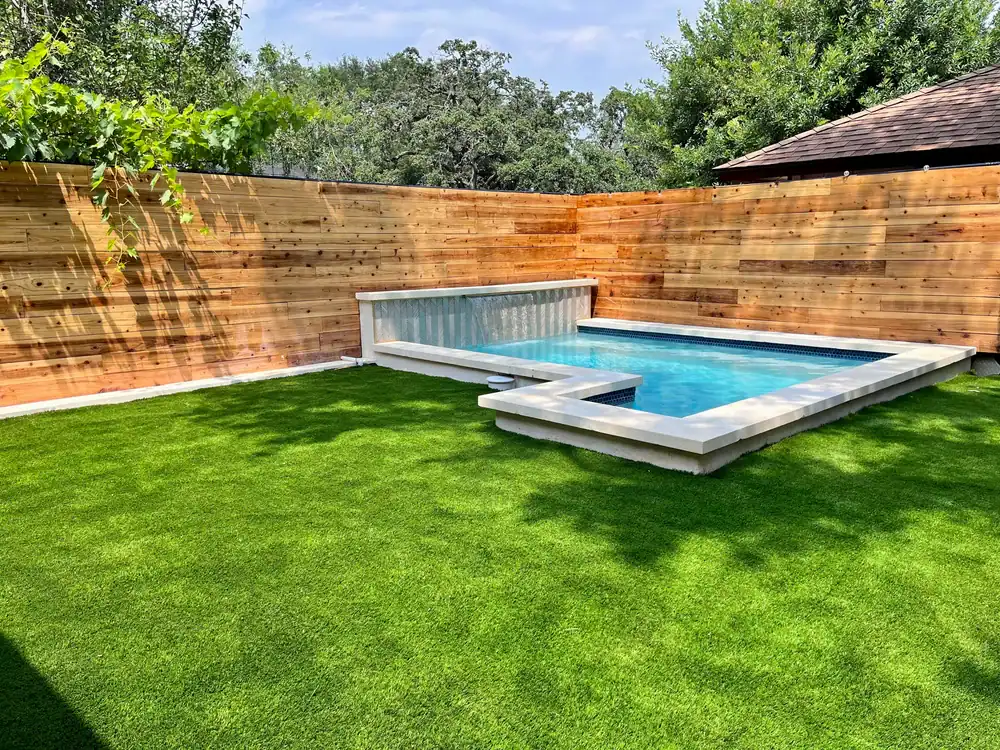
Georgia soil doesn’t play nice with every pool type. Clay expands. Sand shifts. Rocky terrain in some areas makes excavation tricky. You need concrete construction that accounts for what’s actually under your yard.
A properly built gunite pool handles soil movement without cracking or settling. It gives you unlimited design options because concrete molds to any shape, depth, or feature you want. And when summer storms roll through Beach, you’re not dealing with a fiberglass shell that popped out of the ground or a vinyl liner that tore.
You get a backyard space where your family actually wants to spend time. No constant repairs. No wondering if the structure will hold up. Just a pool that works the way it should, year after year.
We’ve been building custom inground cement pools in Douglas County for over 30 years. We’re family-owned, and we treat every project like it’s going in our own backyard.
We know the local building departments. We understand Georgia’s permit requirements and what it takes to get approvals without delays. We’ve worked with every type of soil condition you’ll find around Beach and the surrounding area.
You’re not getting a crew that’s learning on your property. You’re working with contractors who’ve built hundreds of pools on Georgia ground and know exactly what holds up and what doesn’t.
First, we evaluate your property. Soil type, drainage, utility lines, lot size, setback requirements. This tells us what’s realistic for your space and what design options make sense.
Next comes permits. We handle the entire process: applications, site plans, electrical requirements, safety barrier compliance. You don’t chase down approvals or deal with building department back-and-forth.
Then we excavate and build. Steel rebar goes in first, engineered for your specific soil conditions. Shotcrete application creates the shell. Plumbing, electrical, filtration systems get installed. Decking goes down. We handle cleanup.
Timeline runs 8 to 12 weeks depending on weather and design complexity. Georgia summers bring storms, and we build buffer time into the schedule so you’re not surprised by delays. You get realistic expectations from the start, not overpromised deadlines we can’t meet.
Ready to get started?
You get complete turnkey service. Site evaluation, permit management, excavation, steel installation, shotcrete application, plumbing, electrical work, filtration systems, decking, and final cleanup. Everything needed to go from dirt to swim-ready.
Every pool includes safety barriers that meet Georgia code requirements. Fencing, gates, alarms—whatever your property needs to pass inspection. We don’t leave you scrambling to meet compliance after the fact.
Design is custom to your lot and lifestyle. Beach homeowners often want pools that maximize smaller yards or work around existing landscaping. Concrete gives you that flexibility. Freeform shapes, beach entries, integrated spas, custom depths—you’re not limited to prefab dimensions.
Georgia’s warm climate means you’ll use your pool more months out of the year than most of the country. We design with that in mind: durable finishes that handle sun exposure, efficient circulation systems that keep water clear during heavy use, and materials that won’t deteriorate in heat and humidity.
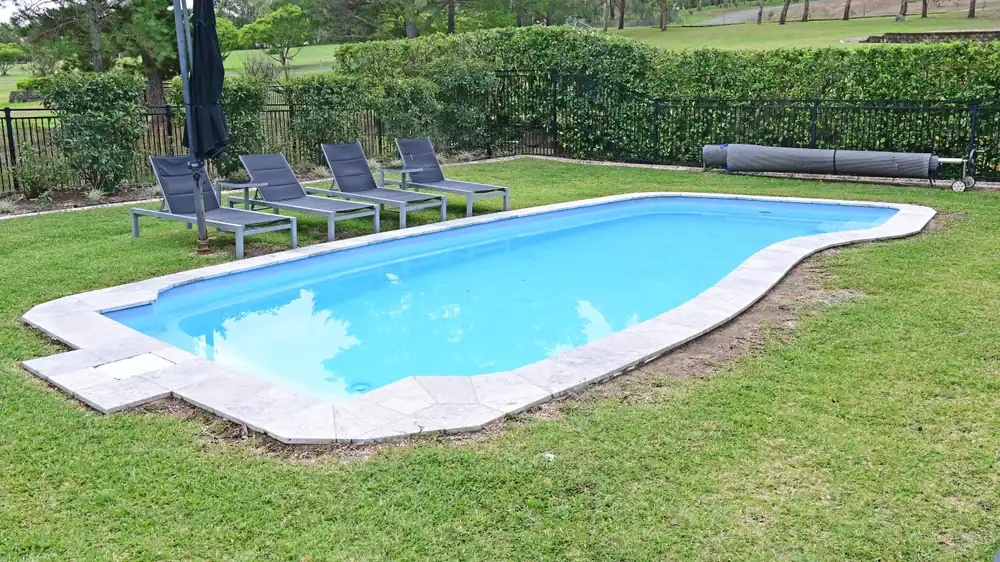
Concrete inground pools in Georgia typically run between $60,000 and $150,000 depending on size, features, and site conditions. That’s not a vague range—it reflects real variables that affect your specific project.
Soil conditions matter. If your property has rocky terrain or requires extra excavation, costs go up. If we need to upgrade your electrical service to handle pool equipment, that’s an additional expense. If your HOA requires specific fencing or your lot has drainage issues we need to address, those factor in.
Custom features add cost but also value. Waterfalls, integrated spas, custom lighting, beach entries, and premium finishes all increase the investment. But they also create the exact backyard you want, not a basic rectangle that looks like every other pool on the block.
We give you honest pricing upfront. No surprises halfway through the project. No hidden costs that pop up after you’ve already committed. You know what you’re paying and what you’re getting before we break ground.
Concrete handles Georgia soil better. Fiberglass pools are prefabricated shells that get dropped into a hole. When clay soil expands or contracts with moisture changes, fiberglass can crack or even pop out of the ground. Concrete is poured and reinforced on-site, engineered specifically for your soil conditions.
You also get unlimited design options with concrete. Fiberglass comes in set shapes and sizes. If your yard is an odd shape or you want a specific depth for diving or a custom beach entry, fiberglass can’t accommodate that. Concrete molds to whatever design makes sense for your space.
Durability is another factor. Concrete pools last decades when properly built. The surface can be refinished if it ever shows wear, but the structure itself is permanent. Fiberglass can fade, stain, and develop surface issues that are harder to repair.
For Georgia homeowners who want a pool that fits their property and holds up long-term, concrete is the better investment. It costs more upfront but gives you more value over the life of the pool.
Expect 8 to 12 weeks from permit approval to completion. That’s a realistic timeline that accounts for Georgia weather and the actual steps involved in building a concrete pool properly.
Permits take time. Depending on how busy the local building department is, approvals can take a few weeks. We handle that process, but it’s not instant. Once permits are in hand, excavation and steel installation happen relatively quickly—usually within a week or two.
Shotcrete application and curing take time. The concrete shell needs to cure properly before we can move forward with plumbing, electrical, and finishing work. Rushing this step leads to structural problems down the road. We don’t cut corners to shave a week off the schedule.
Weather delays are common in Georgia, especially during summer storm season. Rain stops progress. Extreme heat affects concrete curing. We build buffer time into our schedules so you’re not blindsided when Mother Nature doesn’t cooperate. You get a realistic completion date, not an overpromised timeline that keeps getting pushed back.
You need a building permit, electrical permit, and potentially a fence permit depending on your property. Georgia requires safety barriers around all pools, and those barriers have to meet specific code requirements for height, gate latches, and spacing.
Your electrical service might need upgrading. Pool equipment pulls significant power, and older homes in Beach sometimes don’t have adequate service. If that’s the case, you’ll need electrical work done before the pool can be completed. We identify that during the site evaluation so there are no surprises.
Setback requirements affect where the pool can go on your lot. Local codes dictate how far the pool must be from property lines, septic systems, and utility easements. We handle the site plan and make sure your design complies with all setback rules before we apply for permits.
HOA approval is separate from county permits. If you live in a neighborhood with an HOA, you’ll need their sign-off on the design, fencing, and sometimes even the decking materials. We’ve worked with HOAs throughout Douglas County and know what they typically require, but that approval process is on you to initiate.
Not when they’re engineered correctly. Georgia clay expands and contracts with moisture changes, which puts pressure on pool structures. Concrete pools built without proper reinforcement or site preparation can crack. Pools built with the right steel placement and engineered for local soil conditions don’t have that problem.
We assess your soil before we design the pool. Clay-heavy soil requires different reinforcement than sandy soil. Rocky terrain needs different excavation techniques. We don’t use a one-size-fits-all approach because Georgia soil isn’t consistent across every property.
Steel rebar placement matters. The rebar grid has to be positioned and tied correctly to handle ground movement. Shotcrete application has to be done properly so there are no weak spots or thin areas in the shell. These aren’t steps you can rush or skip.
Drainage around the pool also prevents issues. If water pools around the structure, it increases pressure on the shell and can cause problems over time. We grade your site correctly and install drainage where needed so water moves away from the pool, not toward it.
Georgia’s climate gives you one of the longest swim seasons in the country. You’re typically looking at April through October without any heating. Add a heater, and you can extend that into the cooler months if you want.
Beach gets warm early and stays warm late. Spring temperatures hit the 80s by late April most years. Fall stays mild through October. Even November can have warm stretches where the pool is comfortable. You’re not dealing with a short summer season like northern states.
Heating options extend your season. Gas heaters warm the pool quickly but cost more to run. Heat pumps are more efficient but take longer to raise the temperature. Solar heating works well in Georgia because of the sun exposure, but it’s weather-dependent. We can walk you through the pros and cons of each based on how you plan to use the pool.
Maintenance is easier in Georgia than in freeze zones. You don’t have to winterize or worry about freeze damage. The pool stays open year-round. You just adjust your maintenance routine based on how often you’re using it. Less swimming means less chemical balancing, but the system stays active.